
Sauces & Condiments
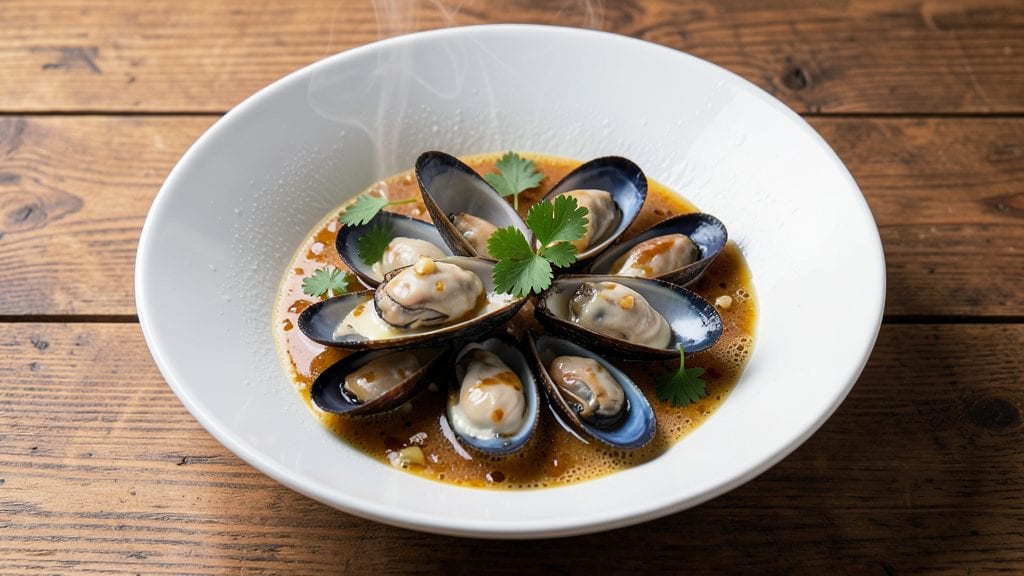
This mussel sauce recipe transforms briny mussels into a velvety white wine and garlic velouté that elevates any seafood dish. The secret lies in balancing the natural sweetness of mussels with bright white wine and aromatic garlic, creating a sauce that’s both rich and refined.
I developed this version after years of refining restaurant-style techniques at home—no shortcuts, just layers of flavor built through proper reduction and emulsification.
The foundation of this sauce begins with a classic French velouté base, enriched with mussel broth and finished with a touch of cream for silkiness. Garlic and shallots form the aromatic backbone, while a splash of dry white wine adds acidity and depth.
The result is a sauce that’s versatile enough to drizzle over linguine, spoon onto grilled fish, or serve as a dipping sauce for crusty bread—each bite delivers a perfect harmony of briny, garlicky, and wine-infused richness.
What makes this recipe stand out is its professional-level results without requiring advanced techniques. A slow reduction ensures the sauce develops complex flavors, while a final touch of butter creates an elegant finish.
The sauce keeps well for up to 5 days in the refrigerator or can be frozen for longer storage, making it perfect for meal prep or entertaining. Whether you’re serving it as a standalone sauce or incorporating it into a dish, this recipe delivers restaurant-quality flavor at home.
For those who love to experiment, variations like adding chili flakes for heat or a splash of lemon juice for brightness can customize the sauce to your taste. The key is patience—allowing the flavors to meld during the reduction transforms simple ingredients into something extraordinary.
Let’s create this sauce that will impress even the most discerning seafood lovers.
Ingredients for mussel sauce
Eleven ingredients transform into velvety white wine and garlic mussel velouté perfect for seafood dishes.
| Ingredient | Amount | Notes |
|---|---|---|
| Fresh Mussels 🦪 | 1 ½ lb | Debearded and cleaned thoroughly |
| Dry White Wine 🍷 | 1 cup | Sauvignon Blanc or Pinot Grigio preferred |
| Unsalted Butter 🧈 | ½ cup | Cold, cubed for emulsification |
| Shallots 🧅 | 2 whole | Minced, for aromatic base |
| Garlic Cloves 🧄 | 4 cloves | Minced, for deep flavor |
| Heavy Cream 🥛 | ½ cup | Full-fat for richness |
| Chicken Stock 💧 | 1 ½ cups | Homemade or quality low-sodium |
| Fresh Parsley 🌿 | ¼ cup | Chopped, for fresh finish |
| Lemon Juice 🍋 | 1 tbsp | Freshly squeezed for brightness |
| Diamond Crystal Kosher Salt 🧂 | 1 tsp | For seasoning, adjust to taste |
| Ground Black Pepper 🌶️ | ½ tsp | Freshly cracked for heat |
The mussels are the heart of this sauce, so freshness is critical. Look for mussels that are tightly closed and smell briny, not fishy—Whole Foods or local seafood markets are best for quality. If using frozen, thaw them overnight in the fridge, but never microwave as it dulls their flavor. The wine should be dry and crisp, like Sauvignon Blanc or Pinot Grigio—avoid oaky Chardonnays that can overpower the delicate mussel taste. Shallots and garlic should be freshly minced for maximum aroma, and the butter must be cold when added to create that perfect silky emulsion.
No white wine? Dry vermouth or apple juice works in a pinch, though the flavor won’t be identical. Heavy cream can be swapped for half-and-half or coconut milk for a lighter version, but the texture will be less luxurious. Chicken stock can be replaced with fish stock or vegetable broth, though the seafood element will be less pronounced. For extra depth, add a pinch of saffron threads during the reduction—it’s subtle but elevates the sauce to restaurant quality. Always taste as you go; the sauce should balance briny, garlicky, and wine-infused notes harmoniously.
This sauce develops deeper flavor with time, so let it rest 10 minutes after cooking before serving. Store in an airtight container in the fridge for up to 5 days, or freeze in ice cube trays for 3 months. Reheat gently over low heat, stirring occasionally to prevent separation. For a restaurant-worthy finish, garnish with a swirl of extra-virgin olive oil and fresh parsley just before serving—it adds a professional touch that guests will notice.
Why You'll Love This Recipe
- Pantry-to-Table Speed: I swear by this when I need dinner now—just mussels, wine, and butter in one pot. No chopping mountains of veggies or hunting for obscure herbs; the shallots and garlic soften in minutes while the wine deglazes like magic.
- Umami Bomb: That first sip of sauce—briny mussels, buttery richness, and wine’s sharp kick—hits different. Honestly, the butter and shallots caramelize just enough to make it taste like you slaved over it for hours (but you didn’t).
- Weeknight Flex: Drizzle it over crusty bread for a lazy lunch or toss with linguine for a fancified dinner. Even my picky roommate devours it—no side dishes required, just pure, saucy satisfaction.
- Budget Luxury: Fresh mussels are cheaper than takeout, and a bottle of wine stretches across two meals. Leftovers? Freeze the sauce in ice cube trays—perfect for quick pasta or rice boosts when you’re too tired to cook.
Step-by-step instructions for white wine and garlic mussel sauce
Here's how to create a velvety mussel sauce with perfect balance of wine, garlic, and rich cream.
Prepare the Mussels and Aromatics
Begin by debearding the 1.5 lb fresh mussels using a small knife or kitchen shears. Pull the beard from each mussel and scrub them under cold water to remove any debris. Discard any mussels that are open or have broken shells. In a large bowl, combine the cleaned mussels with the 1 cup dry white wine, 1 tbsp lemon juice, 1 tsp diamond crystal kosher salt, and 0.5 tsp ground black pepper. Let them marinate for 15 minutes at room temperature.
While the mussels marinate, finely mince the 2 whole shallots and 4 cloves garlic cloves. You want them small enough to dissolve completely into the sauce, but not so fine that they become unrecognizable. Set them aside in a small bowl until ready to use.
Sauté the Aromatics and Cook the Mussels
Heat a large, deep skillet over medium-high heat. Add the 0.5 cup unsalted butter and let it melt completely, swirling to coat the bottom of the pan. Add the minced shallots and garlic cloves, cooking for 2-3 minutes until they become fragrant and just begin to soften. Be careful not to let them brown, as this can make the sauce bitter.
Pour the mussels and their marinade into the skillet, discarding the liquid that remains in the bowl. Cover the skillet and cook for 4-5 minutes, shaking the pan occasionally to prevent sticking. The mussels are done when they open completely. Discard any mussels that remain closed after this time, as they may be bad.
Build the Velouté Sauce
Remove the skillet from heat and carefully transfer the cooked mussels to a bowl, leaving the liquid and aromatics in the pan. Strain the liquid through a fine-mesh sieve into a clean saucepan, pressing on the solids to extract as much flavor as possible. Discard the solids in the sieve.
Return the strained liquid to the skillet and place it over medium heat. Add the 1.5 cups chicken stock and bring to a gentle simmer. Reduce the heat to low and let the mixture cook for 5-7 minutes, allowing the flavors to meld together. This step is crucial for developing the depth of the sauce.
Finish with Cream and Fresh Herbs
Temporarily remove the skillet from heat and whisk in the 0.5 cup heavy cream. Return the skillet to low heat and let the sauce simmer gently for 3-4 minutes, stirring occasionally. This step ensures the cream is heated through and the sauce is properly emulsified.
Add the mussels back into the sauce and stir gently to coat them evenly. Remove the skillet from heat and stir in the 0.25 cup chopped fresh parsley. Taste the sauce and adjust the seasoning if needed, adding more diamond crystal kosher salt or ground black pepper as necessary. Serve the mussel sauce immediately over crusty bread, pasta, or with grilled vegetables.
Pro Tips For Making Mussel Sauce
- Steam First, Then Sear: Mussels release their briny goodness when steamed—don’t skip the 3-4 minutes in boiling water (with a splash of wine) before adding them to the sauce. I learned this the hard way: raw mussels in butter just make a sad, watery mess. Once they open, transfer them to the pan with their broth—it’s liquid gold for your sauce.
- Sweat Shallots Low and Slow: Shallots should melt into the butter, not brown. Keep heat at a whisper (medium-low) and stir often—if they catch color, you’ve lost their sweetness. My grandmother swore by this, and she was right: crispy shallots in mussel sauce taste like a mistake waiting to happen.
- Skip the Cheap Wine: That $5 boxed white wine? Save it for cocktails. Use something dry and crisp—even a basic Sauvignon Blanc or Pinot Grigio—because cheap wine turns your sauce into a vinegary disappointment. If you’re broke, at least go for a decent cooking wine and de-salt it with a pinch of sugar.
- Butter Matters—Use Enough: Unsalted butter is your flavor anchor, but don’t skimp: at least 2 tablespoons per pound of mussels. I was skeptical until I tried it—thin sauce equals weak sauce. Melt it slowly, then add the shallots and garlic so they cook in the fat, not steam in it. (Yes, even if you’re impatient like me.)
Flavor customization for this recipe
Spicy Garlic Chili
Transform your classic mussel sauce into a fiery sensation by adding 1 tbsp chili flakes and ½ tsp cayenne pepper when sautéing the shallots and garlic. For extra heat, stir in 1 tbsp gochujang (Korean chili paste) during the final reduction.
Balance the heat with a splash of lemon juice—about 1 extra tbsp—to keep the sauce vibrant. I love serving this spicy version over linguine with a side of crusty bread to soak up the bold flavors. 🌶️
Creamy Lemon Herb
Brighten the sauce with zest and juice of 1 lemon (double the original amount) and fold in 2 tbsp chopped fresh dill or tarragon at the end. Replace the heavy cream with ½ cup crème fraîche for a lighter, tangier texture.
This variation pairs beautifully with grilled halibut or as a dip for baked brie. The lemon cuts through the richness while the herbs add freshness.
Smoky Chipotle
Infuse the sauce with smoky depth by adding 1 chipotle pepper in adobo sauce (minced) along with the shallots and garlic. Simmer the sauce for an extra 2 minutes to let the smoky flavors meld. Finish with 1 tsp smoked paprika and a pinch of cumin.
This version works wonderfully as a glaze for grilled shrimp skewers or drizzled over blackened fish tacos. The smokiness complements the briny mussels perfectly. 🔥
Herb-Infused White Wine
Elevate the sauce with a bouquet of fresh herbs: add 1 sprig thyme, 1 sprig rosemary, and 1 bay leaf while reducing the stock. Remove the herbs before adding the cream. For extra aroma, stir in 1 tbsp chopped fresh chives at the end.
This sophisticated version pairs exceptionally well with seared scallops or as a sauce for mussel linguine. The herbs add complexity without overpowering the wine and garlic base.
Creamy Mushroom
For a vegetarian-friendly twist, replace the mussels with 1 cup finely chopped cremini mushrooms sautéed until tender. Use vegetable stock instead of chicken stock and add 1 tbsp soy sauce for umami depth. Finish with 1 tbsp chopped walnuts for texture.
This version is rich and earthy, perfect for drizzling over pasta or as a dip for garlic bread. The mushrooms mimic the briny texture of mussels beautifully. 🍄
Tangy Mustard
Add a sharp twist by whisking in 1 tbsp Dijon mustard with the cream. For extra tang, stir in 1 tsp apple cider vinegar during the final reduction. This variation shines when served with roasted potatoes or as a sauce for grilled chicken.
The mustard adds a bright, slightly peppery note that cuts through the richness of the sauce. 💛
Nutrition facts
Frequently asked questions
Can I use frozen mussels for this sauce?
Frozen mussels work, but fresh is ideal for maximum flavor. Thaw them overnight in the fridge first, then rinse thoroughly to remove any ice crystals. Discard any mussels that don't close when tapped or have broken shells. The texture will be slightly less tender, but the sauce's depth will remain excellent.
What if I don't have white wine?
Use dry vermouth or apple juice as a substitute—both add acidity to balance the richness. For a non-alcoholic option, try lemon juice or white grape juice. Just reduce the amount by half since these are less concentrated than wine. The sauce will still taste delicious, though the wine's complexity will be missing.
How do I fix a sauce that's too thin?
Simmer the sauce uncovered for 5-7 extra minutes to reduce it further. If it's still too thin, whisk in 1 tbsp cornstarch mixed with 2 tbsp cold water and stir until thickened. For a richer texture, add a pat of cold butter at the end. Always taste as you go—this sauce should coat the back of a spoon.
Can I make this sauce ahead of time?
Store the sauce in an airtight container in the fridge for up to 5 days. For longer storage, freeze in ice cube trays for 3 months. Reheat gently over low heat, stirring occasionally to prevent separation. The flavors actually improve after resting, making it perfect for meal prep.
What's the best way to serve leftover mussels from the sauce?
Use them in pasta, risotto, or a mussel linguine dish by tossing with linguine, white wine, and a splash of the reserved cooking liquid. For a quick fix, pan-sear them with breadcrumbs and serve as a crispy appetizer. The mussels will be slightly firmer but still delicious—just avoid overcooking.