
Sauces & Condiments
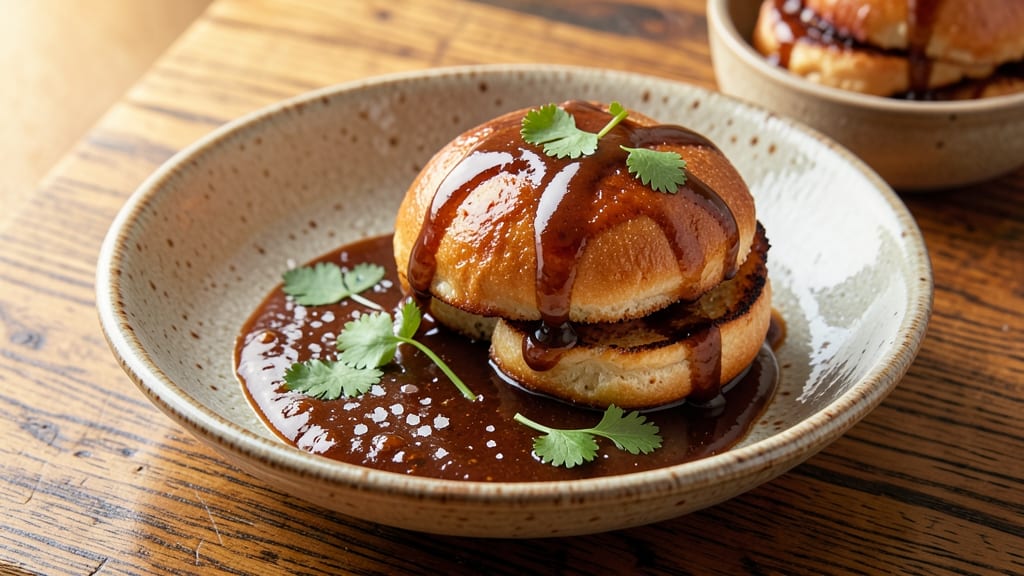
This Carolina Treet BBQ sauce copycat recipe brings that iconic smoky chipotle heat home with simple pantry staples—no shortcuts, just precision. The key lies in balancing tangy tomato base, molasses depth, and slow-simmered spices that develop complex layers of flavor.
I first tasted this sauce at a North Carolina pitmaster competition, and its bold, slightly sweet profile with a lingering smokiness stuck with me years later.
What makes this copycat version work is the two-stage simmer—first building the sauce with vinegar and spices, then letting it reduce for 45 minutes to concentrate flavors.
This method ensures the sauce remains sticky yet not syrupy, with just the right balance of heat from chipotle powder without overpowering the sweetness. The molasses adds that signature depth, while apple cider vinegar keeps it bright and tangy.
By the time you're done, you'll have a smoky, slightly sweet sauce that rivals the original—perfect for ribs, pulled pork, or even drizzling over grilled vegetables.
The sauce thickens as it cools, making it ideal for batch cooking and storing in the fridge for up to three weeks or freezing for months. This is the kind of sauce that transforms ordinary BBQ into something unforgettable.
Use it on smoked meats, as a marinade, or even as a glaze for roasted vegetables. The versatility is what makes this copycat recipe worth perfecting—once you taste the difference, you’ll never go back to store-bought again.
Ingredients for carolina treet bbq sauce copycat
Pantry staples transform into Carolina Treet's iconic smoky-sweet sauce with just twelve ingredients.
| Ingredient | Amount | Notes |
|---|---|---|
| Tomato Paste 🍅 | ½ cup | High quality, no salt added |
| Apple Cider Vinegar 🍏 | ½ cup | Bragg preferred for tang |
| Molasses 🍯 | ¼ cup | Unsulphured for depth |
| Chipotle Powder 🌶️ | 2 tbsp | Smoked, not liquid chipotle |
| Brown Sugar 🍚 | ½ cup | Packed, light variety |
| Dried Mustard 🌿 | 1 tbsp | Ground, not powdered |
| Smoked Paprika 🌶️ | 1 tbsp | Spanish smoked preferred |
| Garlic Powder 🧄 | 1 tsp | Freshly ground preferred |
| Onion Powder 🧅 | 1 tsp | Diamond Crystal preferred |
| Black Pepper 🌶️ | ½ tsp | Freshly cracked preferred |
| Salt 🧂 | 1 ½ tsp | Diamond Crystal kosher |
| Water 💧 | ½ cup | Filtered preferred |
The tomato paste is your flavor foundation—Mueller's unsalted is my go-to, but any high-quality brand works. Apple cider vinegar adds that signature tang, so Bragg or Texas Pete are perfect choices. Molasses brings the deep, caramel notes—unsulphured is key for that authentic North Carolina profile. Chipotle powder is non-negotiable; Penzeys has the best smoked variety, but check the spice aisle at Whole Foods or Trader Joe's for a more affordable option. The brown sugar should be packed—light variety gives you that perfect balance of sweetness without overpowering the smoky heat. For the spices, Diamond Crystal kosher salt and freshly ground black pepper make all the difference in this sauce.
No chipotle powder? Smoked paprika plus cayenne gets you close, though you'll lose some depth. Substituting molasses with maple syrup? Use half the amount—it's sweeter and lacks that caramel complexity. Running low on tomato paste? Canned crushed tomatoes work in a pinch, but strain out the seeds first. The apple cider vinegar can be swapped for white vinegar, but reduce the amount by half—it's more acidic. For the dried mustard, if you only have powdered, reconstitute it with water first to get the same texture. And if you're avoiding sugar, monk fruit sweetener works at a 1:1 ratio, though the flavor profile will shift slightly.
This sauce thickens as it cools, so store it in airtight glass jars in the fridge for up to three weeks. For longer storage, freeze in ice cube trays—perfect for single-use portions. The flavors actually deepen over time, so making a big batch is worth it. If you're using it as a marinade, reduce the salt by half since meats already contain sodium. And trust me, the 45-minute simmer is worth the wait—it's what develops that signature smoky chipotle heat without overpowering the sweetness.
Why You'll Love This Recipe
- Pantry Magic: I swear by this sauce because it uses stuff I already have—no special trips to the store. That molasses and vinegar combo? It’s the secret to that deep, smoky-sweet balance without breaking the bank.
- Smoky-Sweet Fix: The chipotle powder gives it a slow-building heat, while the brown sugar caramelizes into a glossy finish. It’s not just sweet—it’s complex, like a hug in sauce form.
- Weeknight Superstar: Slather it on pulled pork for a Tuesday dinner or drizzle it over grilled chicken for a summer BBQ. Honestly, I’ve even used it as a marinade for tofu when I’m craving something bold but low-effort.
- Leftovers That Shine: This sauce doesn’t skimp on flavor, even after sitting in the fridge for a week. I keep a jar in my fridge for last-minute glazes or quick sandwich upgrades—no waste, all win.
Step-by-step instructions for Carolina Treet BBQ sauce copycat recipe
Here's how to recreate that signature Carolina Treet smoky chipotle heat using only pantry staples.
Bloom the Spices in Tomato Paste
In a medium saucepan over medium heat, combine the 0.5 cup tomato paste with the 0.5 cup apple cider vinegar and 0.5 cup water. Stir continuously for 3-4 minutes until the mixture begins to bubble gently and the tomato paste loses its raw, thick texture. This creates a smooth base for your sauce.
Now add the 2 tablespoons chipotle powder, 1 tablespoon smoked paprika, 1 tablespoon dried mustard, 1 teaspoon garlic powder, 1 teaspoon onion powder, 0.5 teaspoon black pepper, and 1.5 teaspoons salt. Stir vigorously to distribute the spices evenly throughout the mixture. You'll notice the aroma intensify immediately—this is where the sauce develops its signature depth. Let the spices bloom for 2 minutes while stirring constantly to prevent burning.
Incorporate Molasses and Brown Sugar
Reduce the heat to low and gradually whisk in the 0.25 cup molasses and 0.5 cup brown sugar. The molasses will darken the sauce immediately, giving it that rich, caramelized appearance. Stir continuously for 5 minutes until the mixture thickens slightly and begins to coat the back of a spoon.
This is where the sauce transforms from a simple spice blend to a complex, balanced condiment. The molasses adds sweetness and depth, while the brown sugar helps create that signature sticky, glossy finish. If you notice any lumps forming, use a small whisk or fork to break them down completely—smooth texture is key for this sauce.
Simmer Until Thick and Glossy
Return the heat to medium-low and let the sauce simmer uncovered for 15-20 minutes, stirring occasionally. You're looking for a sauce that coats the back of a spoon with a glossy sheen and has a consistency similar to honey. The sauce should reduce by about one-third during this time, concentrating all those smoky, sweet flavors.
Taste as you go—this is where you can adjust the balance. If it needs more heat, add a pinch more chipotle powder. If it's too sharp, a small splash of apple cider vinegar can help balance the sweetness. The sauce should have a perfect harmony of smoky, sweet, tangy, and slightly spicy flavors. Once it reaches the right consistency and flavor balance, remove it from heat immediately to prevent over-reducing.
Cool and Store for Maximum Flavor Development
Transfer the sauce to a clean glass jar or bowl and let it cool completely at room temperature. This cooling process allows all the flavors to meld together perfectly. The sauce will thicken slightly more as it cools—this is normal and actually enhances the texture.
Once cooled, store the sauce in an airtight container in the refrigerator for up to 3 months. The flavors will continue to develop and deepen over time, making it even more complex. When ready to use, simply reheat gently in a saucepan over low heat until warmed through. This sauce is incredibly versatile—use it as a glaze for ribs, a dipping sauce for fries, or a marinade for grilled meats.
Pro Tips For Making Carolina Treet Bbq Sauce Copycat
- Bloom the Spices First: Dump the chipotle powder and brown sugar into your pot before adding liquid, then let them sit for 30 seconds—just until you smell that deep, smoky aroma. I used to skip this, and the sauce always tasted flat until I realized the spices need a head start to wake up properly.
- Use Real Molasses: Skip the "blackstrap" label—grab unsulphured molasses (the kind for baking) for that rich, caramel depth. Sulphured molasses adds a bitter edge that fights the sweetness in this sauce. Trust me, your taste buds will notice the difference immediately.
- Simmer, Don’t Boil: Keep the heat at a gentle simmer—tiny bubbles, occasional swirls—never a rolling boil. Boiling burns the tomato paste and vinegar, turning your sauce bitter. I learned this after one disastrous batch where I got distracted and ended up with something closer to BBQ cough syrup.
- Whisk in Vinegar Last: Add the apple cider vinegar after the sauce has thickened, not at the start. It cuts through the sweetness and balances the heat, but if you add it too early, you’ll end up with a thin, tangy mess instead of that glossy, clingy glaze everyone loves.
Wine and beer pairings for this recipe
Smoky Chipotle Heat with Reds
For a bold pairing, try a bold red wine like Zinfandel from California or Montepulciano d'Abruzzo from Italy. The wine's jammy, slightly spicy notes mirror the chipotle heat in your sauce while its acidity cuts through the molasses sweetness.
I like to chill it slightly—55-60°F—to enhance the fruit flavors without overwhelming the smoky depth. 🍷
Craft Beer Balance
A smoked porter or barleywine is perfect for balancing this sauce's complexity. Look for brands like Deschutes Brewery's The Abyss or Founders Kentucky Breakfast Stout—both have caramel and coffee notes that complement the molasses and chipotle.
Serve it slightly chilled (45-50°F) to highlight the malt sweetness against the sauce's tang. 🍺
Light Beer for Grilled Meats
For grilled ribs or pulled pork, a crisp lager like Peroni or Corona works beautifully. The clean, refreshing carbonation cleanses your palate between bites, letting the sauce's smoky flavors shine. Avoid hoppy IPAs—they'll clash with the sauce's sweetness. Stick to 40-45°F for the best experience. ✨
Non-Alcoholic Options
Don’t overlook sparkling apple cider or ginger beer for a refreshing match. The effervescence pairs well with the sauce's tangy-sweet profile, while ginger beer's spice adds a subtle kick. I recommend Martinelli’s Sparkling Cider or Feani Ginger Beer—both are widely available and budget-friendly. 🍏
Local Carolina Twist
If you're cooking in the Carolinas, grab a local craft beer like New Belgium Voodoo Ranger IPA or Wicked Weed Red Rye Ale. These regional brews often feature smoky or spiced profiles that echo the sauce's North Carolina roots.
Pair with hickory-smoked brisket for a true Carolina BBQ experience. 🗺️
Nutrition facts
Frequently asked questions
What makes this Carolina Treet BBQ sauce different from other smoky sauces?
The key lies in the two-stage simmering process and the blend of chipotle powder with smoked paprika—this creates a deeper, more complex smokiness than just liquid smoke or cayenne. The molasses adds that signature caramel depth, while apple cider vinegar keeps it tangy without overpowering. Most store-bought sauces use shortcuts like liquid smoke or pre-made spice blends, but this recipe builds flavor layer by layer.
Can I adjust the heat level in this sauce?
Start with the 2 tbsp chipotle powder as written, but add more in ½ tsp increments if you want extra heat. For mild heat, reduce to 1 tbsp and add a pinch of cinnamon instead to enhance sweetness. Always taste after the 15-minute simmer—this is when you can best adjust the balance.
How do I fix a sauce that's too thin or too thick?
If your sauce is too thin after simmering, return it to low heat and reduce uncovered for another 10-15 minutes, stirring occasionally. For a thicker sauce, whisk in 1 tbsp cornstarch mixed with 1 tbsp water while simmering. Never add raw cornstarch directly—it burns easily. The ideal consistency should coat the back of a spoon with a glossy sheen.
Can I use this sauce as a marinade?
Yes, but reduce the salt by half since meats already contain sodium. For best results, marinate proteins like chicken or pork for 4-6 hours (not overnight) to avoid over-salting. The sauce's acidity (from vinegar) helps tenderize, but don't use it on delicate fish—opt for ribs or brisket instead. Always pat the meat dry before cooking for better browning.
What's the best way to store leftover sauce?
Store in an airtight glass jar in the fridge for up to 3 months—glass preserves flavor better than plastic. For long-term storage, freeze in ice cube trays (thaw quickly in the microwave) or small jars (leave ½-inch headspace to prevent cracking). The sauce thickens as it cools, so stir before reheating over low heat until smooth.