
Sauces & Condiments
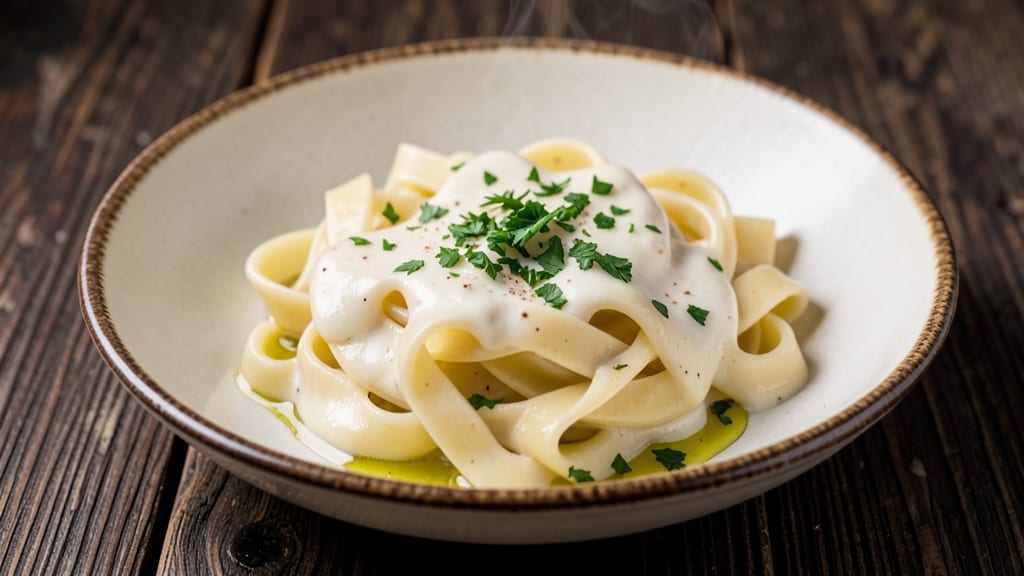
Creating a velvety garlic-herb emulsion with Argo white sauce transforms ordinary dishes into restaurant-quality meals in just 10 minutes. This foundational sauce builds on a classic roux technique, delivering a smooth, flavorful base that elevates pasta, fish, or vegetables with minimal effort.
The secret lies in balancing butter, flour, and milk while incorporating aromatic garlic and herbs for depth.
What sets this recipe apart is its versatility—whether you're finishing a creamy fettuccine Alfredo or drizzling over steamed asparagus, the result is consistently rich and velvety. The slow incorporation of milk prevents lumps, while the garlic-infused butter adds a subtle, savory complexity that lingers on the palate.
This method ensures a foolproof emulsion every time, even for beginners.
The sauce achieves its signature texture through precise timing: a 3-minute roux cooked to a pale golden color, then whisked into warm milk for a silky finish.
Optional fresh herbs like parsley or chives can be folded in at the end for brightness, while a pinch of nutmeg or white pepper adds sophistication. The result is a sauce that’s lighter than traditional béchamel but equally indulgent.
Perfect for weeknight dinners or special occasions, this Argo white sauce adapts effortlessly to any dish. Pair it with grilled chicken, roasted vegetables, or even mashed potatoes for a creamy upgrade. Once mastered, you’ll never reach for store-bought again—this emulsion delivers professional results with just a few pantry staples.
Ingredients for argo white sauce
Ten essential ingredients crafting a restaurant-worthy emulsion with velvety texture and aromatic depth.
| Ingredient | Amount | Notes |
|---|---|---|
| Unsalted Butter 🧈 | ½ cup | Cold, cubed for roux development |
| All-Purpose Flour 🌾 | ½ cup | Sifted for smooth emulsion |
| Whole Milk 🥛 | 2 cups | Warmed to 160°F for ideal texture |
| Garlic Cloves 🧄 | 4 cloves | Minced for aromatic infusion |
| Fresh Parsley 🌿 | ¼ cup | Chopped, for vibrant finish |
| Fresh Chives 🌱 | 2 tbsp | Finely chopped for brightness |
| Ground White Pepper 🌶️ | ¼ tsp | Freshly ground for subtle heat |
| Ground Nutmeg 🌿 | ⅛ tsp | Finely grated for depth |
| Diamond Crystal Kosher Salt 🧂 | ½ tsp | Adjust to taste after emulsification |
| Extra-Virgin Olive Oil 🫒 | 1 tbsp | For final sheen and richness |
The butter and flour form the sauce's backbone, so prioritize high-quality unsalted butter with at least 82% fat content for optimal roux development. European-style butter like Plugrá or Land O'Lakes is ideal, but any brand works if it's fresh and cold. For the flour, King Arthur or Bob's Red Mill all-purpose yield the smoothest emulsion due to their fine grind. The milk should be whole, not skim, as its fat content enhances creaminess—organic or grass-fed options add subtle richness. Garlic cloves must be fresh, plump, and free of sprouts—peel and mince just before use to preserve their volatile oils, which carry the sauce's aromatic profile.
Substitutions require careful consideration to maintain balance. Heavy cream can replace milk at a 1:1 ratio, though the sauce will be richer and slightly thicker. For a dairy-free option, unsweetened almond milk or oat milk works, but expect a lighter texture—add 1 tbsp cornstarch to thicken. Dried parsley or chives can substitute fresh at one-third the amount, though fresh herbs contribute brighter, more complex notes. Smoked paprika adds depth if nutmeg isn't available, while black pepper can replace white pepper in a pinch, though it imparts a slightly sharper bite. The olive oil is non-negotiable for the final drizzle—avoid refined oils, as their neutral profile won't complement the sauce's delicate flavors.
Store the emulsified sauce in an airtight glass container with a thin layer of plastic wrap pressed directly onto the surface to prevent skin formation. It remains stable in the fridge for up to 5 days, though texture may degrade after 3 days. For longer storage, freeze in ice cube trays—thaw overnight in the refrigerator before reheating gently over low heat, stirring constantly to restore silkiness. When reheating, never boil—maintain a gentle simmer at 160°F or below to avoid breaking the emulsion. The sauce thickens as it cools, so thin with warm milk if needed before serving.
Why You'll Love This Recipe
- Five-Ingredient Magic: I swear by this sauce because it’s that simple—just butter, flour, milk, garlic, and parsley. No fancy gadgets, no stress, just melt, whisk, and simmer until it’s silky smooth. Honestly, if you can measure and heat, you’ve got this.
- Garlic-Parsley Punch: That fresh garlic and parsley combo? It’s the secret weapon. The warm, nutty butter and flour base gets a bright, herby lift that makes it taste like you slaved over it for hours. (Between us, it’s the parsley that keeps me coming back—it cuts through the richness perfectly.)
- Weeknight Swiss Army: This sauce is my go-to for pasta, roasted veggies, or even grilled chicken. Toss it with leftover roast potatoes, drizzle it over mashed cauliflower, or use it as a dip—it’s the ultimate flavor multiplier. I’ll be real: it’s saved my dinner more times than I can count.
- Leftovers? Better Leftovers: Make a double batch and stash it in the fridge. It reheats like a dream, so you’re always ready for last-minute guests or lazy nights. And because it’s so budget-friendly (flour and milk stretch far), you’ll actually want to cook more. (Yes, even on a Tuesday night.)
Step-by-step instructions for Argo white sauce
This method delivers a silky, garlic-infused white sauce with perfect emulsification every time.
Develop the Roux for Flavor Foundation
In a medium saucepan, melt the 0.5 cup unsalted butter over medium-low heat, stirring constantly until it foams. Immediately whisk in the 0.5 cup all-purpose flour and cook for 2-3 minutes, stirring vigorously with a wooden spoon or wire whisk. This creates a smooth, pale roux that forms the sauce's backbone.
The roux should thicken enough to coat the back of a spoon but not brown. If it darkens, you've gone too far—this sauce relies on a blond roux for delicate flavor. Keep the heat gentle to prevent burning, and maintain constant motion to ensure even cooking of the flour particles.
Infuse with Garlic and Warm Milk
Reduce heat to low and add the 4 minced garlic cloves, stirring for 30 seconds until fragrant but not browned. Immediately pour in the 2 cups whole milk all at once, whisking continuously to prevent lumps from forming. Return heat to medium-low and simmer for 4-5 minutes, stirring frequently, until the mixture thickens noticeably.
Watch for small bubbles forming around the edges—this indicates proper thickening. If the sauce separates or develops a skin, whisk vigorously to re-emulsify. The milk should heat through but not boil, which would break the emulsion and create a grainy texture.
Season and Emulsify the Sauce
Remove from heat and stir in the 0.5 tsp diamond crystal kosher salt, 0.25 tsp ground white pepper, and 0.125 tsp ground nutmeg. Return to low heat and whisk in the 0.25 cup chopped fresh parsley and 2 tbsp finely chopped fresh chives, allowing them to steep for 1 minute to infuse their flavors.
For the final sheen, whisk in the 1 tbsp extra-virgin olive oil until fully incorporated. The sauce should now have a velvety consistency with a glossy finish. If it's too thick, thin with 1-2 tablespoons warm milk until it reaches a pourable yet coatable texture—ideal for drizzling or tossing.
Rest and Adjust for Perfect Texture
Transfer the sauce to a clean bowl and let it rest for 5 minutes at room temperature. This resting period allows the flavors to meld and the emulsion to stabilize. Taste and adjust seasoning—white sauces often need more salt after resting, as the flavors intensify.
The final sauce should coat the back of a spoon evenly, cling to proteins without overpowering them, and carry the bright garlic-herb notes throughout. Serve immediately over grilled fish, steamed vegetables, or pasta for maximum impact.
Pro Tips For Making Argo White Sauce
- Melt Butter Slowly: I learned this the hard way—dumping cold butter into the pan and ending up with a greasy mess. Warm the butter in the pan over medium-low heat until it’s fully melted but not browned. This keeps the sauce smooth and prevents that weird, buttery lumpiness that ruins everything.
- Toast the Flour Properly: Skip the crowding—cook the flour-butter roux over medium heat until it’s a rich, golden color, not white. If you rush this, the sauce will taste raw and floury. Stir constantly and give it 3-5 minutes; it’s the foundation of flavor.
- Strain the Milk First: Whole milk can leave behind little bits that turn your sauce grainy. Pour it through a fine-mesh strainer into a pitcher before adding it to the roux. Yes, it’s an extra step, but your sauce will be silky instead of clumpy.
- Infuse Garlic Cold: Instead of sautéing raw garlic (which burns fast), crush the cloves and let them sit in the warm milk for 10 minutes before straining. This adds depth without the bitter aftertaste that happens when you cook it too long.
Perfect pairings for this argo white sauce
Garlic-Infused Pasta
This sauce transforms into a creamy garlic fettuccine that rivals restaurant quality. Toss 8 ounces fettuccine with 1 cup of the finished sauce and 2 tbsp grated Parmesan, reserving extra sauce for drizzling.
Add 2 tbsp chopped sun-dried tomatoes for a Mediterranean twist. The garlic and white pepper in the sauce complement the pasta's starch, creating a velvety coat that clings perfectly. 🍝
Grilled Fish Elevation
Drizzle ½ cup sauce over center-cut cod or halibut after grilling, then garnish with lemon zest and fresh dill. The sauce's acidity balances the fish's richness, while the nutmeg adds warmth.
For extra depth, infuse the sauce with 1 tsp lemon juice before serving. The olive oil sheen enhances presentation, making it ideal for special occasions.
Roasted Vegetable Drizzle
Toss asparagus, Brussels sprouts, or broccoli with 1 tbsp olive oil, roast at 400°F for 15-20 minutes, then finish with ¼ cup sauce and a sprinkle of toasted pine nuts.
The sauce's mild garlic flavor enhances the vegetables' natural sweetness without overpowering them. For a smoky note, add ½ tsp smoked paprika to the sauce before drizzling.
Chicken or Turkey Twist
Use the sauce as a creamy glaze for roasted chicken thighs or turkey breast. Brush ½ cup sauce onto the meat in the last 10 minutes of cooking at 375°F, then broil for 2-3 minutes to create a golden crust.
The sauce caramelizes slightly, adding depth to the protein's natural flavors. Garnish with crispy fried shallots for a gourmet touch.
Vegetarian Power Bowl
Layer the sauce with quinoa, roasted sweet potatoes, and sautéed kale in a bowl for a hearty vegetarian meal. Add ¼ cup crumbled feta and a drizzle of balsamic glaze for contrast.
The sauce's mild garlic and herbs complement the earthy flavors while adding creaminess. Serve with toasted sourdough croutons for texture.
Beverage Pairings
Pair this sauce with a crisp Sauvignon Blanc (like Kim Crawford or Oyster Bay) to cut through the richness. For beer lovers, a Belgian witbier (such as Hoegaarden) or a light lager (like Heineken) balances the garlic and herbs without overpowering them.
Avoid heavy reds or oaky whites, which can clash with the sauce's delicate emulsion. 🍷
Nutrition facts
Frequently asked questions
What’s the difference between this white sauce and traditional béchamel?
This garlic-herb emulsion uses a blond roux and warm milk for a lighter, silkier texture than béchamel. The key difference is the garlic infusion and fresh herbs, which add aromatic depth without heaviness. Béchamel relies on longer cooking times, while this sauce achieves velvety consistency in just 10 minutes.
Can I make this sauce without butter?
Yes! Replace the butter with an equal amount of olive oil or dairy-free margarine for a lighter version. For best results, use 1 tbsp extra-virgin olive oil to mimic the roux's richness. The sauce will have a slightly different flavor profile but maintain its creamy texture when properly emulsified.
Why did my sauce separate or turn grainy?
Separation usually happens from overheating or rapid temperature changes. Always whisk continuously when adding milk and keep heat at medium-low. If it separates, whisk vigorously and return to low heat for 1-2 minutes to re-emulsify. For extra insurance, temper the milk by warming it separately to 160°F before adding.
How can I adjust the flavor for different dishes?
For seafood, add ½ tsp lemon zest and 1 tsp fresh dill. For poultry, swap nutmeg for ½ tsp smoked paprika. For a spicier kick, increase white pepper to ½ tsp. Always taste before serving—white sauces often need more salt after resting.
Can I freeze this white sauce?
Freezing is possible, but texture may degrade. Portion into ice cube trays for easy use. Thaw overnight in the fridge, then reheat gently over low heat, whisking constantly. Avoid boiling—maintain 160°F or below to preserve the emulsion. For best results, use within 3 days of refrigeration.