
Sauces & Condiments
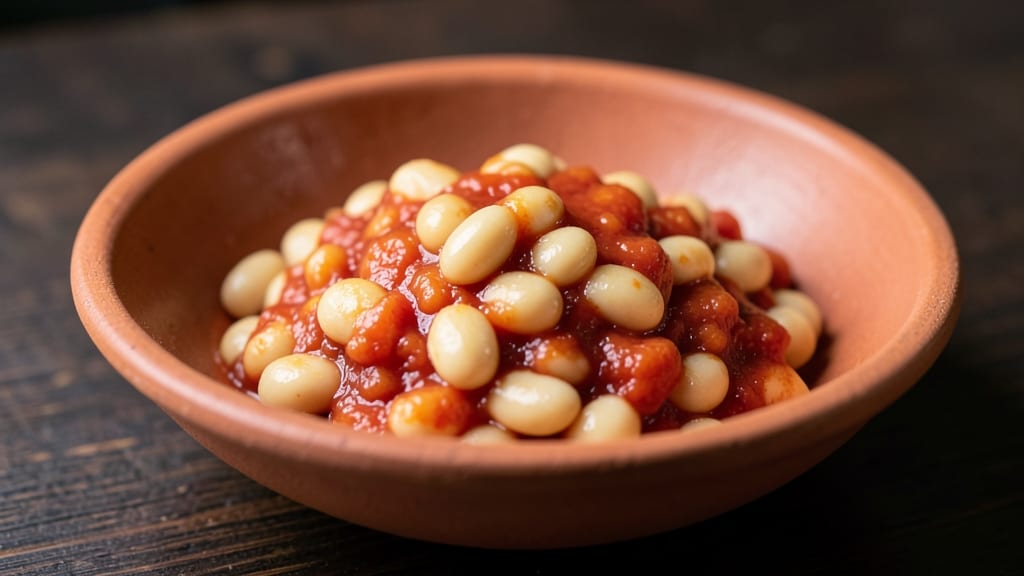
Transforming canned white beans in tomato sauce into a hearty, one-pot meal is simpler than you think—this recipe proves pantry staples can create restaurant-quality depth with just a few strategic steps.
The secret lies in building flavor through aromatics and spices, turning humble ingredients into a rich, savory dish that works as stew, pasta sauce, or a satisfying side.
I developed this method after realizing how often canned beans get overlooked as a quick protein source, and it's become my go-to for weeknight dinners that require minimal effort but deliver maximum satisfaction.
What makes this recipe truly foolproof is the one-pot approach, where you sauté garlic, onions, and herbs before adding the beans and sauce, letting everything meld into a cohesive, aromatic base.
The simmering process deepens the flavors while keeping prep time under 30 minutes, making it ideal for busy schedules. This method also ensures no added salt or preservatives overpower the natural taste—just pure, concentrated bean and tomato goodness with a touch of professional-level seasoning.
The result is a velvety, tender dish with just the right balance of acidity from the tomato sauce and earthiness from the beans, all while maintaining that comforting, home-cooked texture.
The beauty of this recipe is its versatility—serve it over pasta for a quick meal, alongside crusty bread for a rustic spread, or as a standalone stew with a sprinkle of fresh herbs.
Every bite delivers that satisfying combination of hearty and light, proving that simple ingredients can create extraordinary flavors when handled with care.
Perfect for meal prep or last-minute dinners, this recipe scales effortlessly and stays fresh in the fridge for up to 5 days, making it a reliable addition to your weekly rotation.
Whether you're feeding a family or cooking for one, the simplicity and adaptability ensure it fits seamlessly into any meal plan. Let's get cooking—your pantry just got a whole lot more exciting.
Ingredients for canned white beans in tomato sauce
Pantry staples transform into a velvety, aromatic one-pot meal with just 15 minutes of active prep.
| Ingredient | Amount | Notes |
|---|---|---|
| Canned White Beans 🥫 | 2 cans | Drained and rinsed thoroughly |
| Canned Tomato Sauce 🍅 | 2 cups | San Marzano preferred for richness |
| Yellow Onion 🧅 | 1 whole | Diced into small, even pieces |
| Garlic Cloves 🧄 | 4 cloves | Minced for aromatic depth |
| Extra-Virgin Olive Oil 🫒 | ¼ cup | For sautéing aromatics |
| Fresh Rosemary 🌿 | ¼ cup | Chopped, stems removed |
| Fresh Thyme 🌿 | ¼ cup | Leaves only, finely chopped |
| Vegetable Broth 💧 | 1 cup | Low-sodium preferred |
| Canned Diced Tomatoes 🍅 | 1 can | Fire-roasted for smoky flavor |
| Lemon Juice 🍋 | 1 tbsp | Freshly squeezed for brightness |
| Diamond Crystal Kosher Salt 🧂 | 1 ½ tsp | Adjust to taste |
| Black Peppercorns 🌶️ | ½ tsp | Freshly cracked for texture |
| Bay Leaf 🍃 | 1 whole | Removed before serving |
| Crusty Bread 🍞 | 4 slices | For serving, optional |
| Fresh Basil Leaves 🌿 | ¼ cup | Chopped for garnish |
The foundation starts with San Marzano canned tomatoes—their natural sweetness and low acidity create a richer base. Trader Joe's or Whole Foods carry them year-round, but any high-quality canned tomato sauce will work. For the herbs, fresh rosemary and thyme elevate the dish beyond basic seasoning; if you're short on time, dried thyme at one-third the amount works, but fresh delivers that professional touch. Diamond Crystal kosher salt is ideal here—its flaky texture dissolves evenly, while freshly cracked black peppercorns add subtle texture. The canned white beans should be low-sodium to avoid over-salting the dish, and draining and rinsing removes any residual starch that might make the sauce gummy.
No San Marzano tomatoes? Crushed tomatoes or even tomato paste thinned with water work in a pinch, though the flavor will be slightly less refined. Fresh herbs unavailable? Substitute with 1 teaspoon dried rosemary and 1 teaspoon dried thyme, but toast the dried herbs in the olive oil for 30 seconds to deepen their flavor. Vegetable broth can be swapped for water plus 1 teaspoon soy sauce for umami, though the broth adds complexity. The lemon juice isn't just for acidity—it brightens the dish and cuts through the richness of the tomatoes. No crusty bread on hand? Serve with toasted baguette slices or even polenta for a heartier presentation. For extra depth, a splash of red wine (like Chianti) can replace half the broth, but it’s optional.
This dish reheats beautifully—simmer for 5-7 minutes on the stove to restore its velvety texture. Stores for up to 5 days in an airtight container in the fridge, though the flavors deepen overnight. Freezes for 3 months, making it a perfect meal-prep candidate. To serve, garnish with fresh basil and a drizzle of extra-virgin olive oil for a restaurant-quality finish. Double the batch and freeze half for lazy weeknights—just thaw and reheat. The bay leaf can be removed early if you prefer a smoother texture, but leaving it in during cooking infuses subtle aroma.
Why You'll Love This Recipe
- This is my go-to for meal prep: portion it into jars or containers, and you’ve got hearty lunches for the week. Add a sprinkle of cheese or crusty bread on the side, and suddenly you’re feeding a crowd—or just yourself, guilt-free.
- Pantry in Minutes: I swear by this one—just drain the beans, chop one onion, mince a few garlic cloves, and toss it all in a pot with the sauce. No soaking, no waiting, no stress. That’s dinner done before your coffee gets cold.
- Umami Bomb: The secret’s in the olive oil and garlic—sauté them until the onion’s golden and the garlic’s just shy of crispy. The tomato sauce soaks it all up, turning the beans into something rich and tangy that tastes like you simmered it for hours. (Between us, it’s foolproof.)
- Lunchbox Hero: This is my go-to for meal prep: portion it into jars or containers, and you’ve got hearty lunches for the week. Add a sprinkle of cheese or crusty bread on the side, and suddenly you’re feeding a crowd—or just yourself, guilt-free.
Step-by-step instructions for canned white beans in tomato sauce
This one-pot method transforms pantry staples into a rich, aromatic dish with minimal effort.
Sauté Aromatics in Olive Oil
Heat the 0.25 cup extra-virgin olive oil in a large, deep skillet or Dutch oven over medium heat until shimmering. Add the diced 1 whole yellow onion and cook for 5-6 minutes until softened and translucent, stirring occasionally to prevent browning. This foundational step develops sweetness in the onion.
Add the minced 4 cloves garlic, 0.25 cup chopped fresh rosemary, and 0.25 cup chopped fresh thyme, stirring constantly for 30 seconds until fragrant. The rosemary and thyme should release their piney, earthy aromas—this is your signal they're properly incorporated. Remove from heat momentarily to prevent burning, then return to the pan once ready for the next step.
Build the Tomato Base
Pour in the 2 cups canned tomato sauce and 1 can canned diced tomatoes, stirring to combine with the aromatics. Add the 1 whole bay leaf, 1.5 teaspoons diamond crystal kosher salt, and 0.5 teaspoon freshly cracked black peppercorns. Bring the mixture to a gentle simmer over medium-low heat, then reduce heat to maintain a steady bubble.
Simmer uncovered for 10 minutes until the sauce thickens slightly and the flavors meld. You'll notice the liquid reduce and the tomato colors deepen to a rich, ruby hue. This reduction concentrates the natural sweetness and acidity of the tomatoes, creating a more complex flavor profile. Skim off any foam that rises to the surface during this time.
Incorporate Beans and Broth
Add the drained and rinsed 2 cans canned white beans to the simmering tomato mixture, stirring gently to distribute evenly. Pour in the 1 cup vegetable broth and the 1 tablespoon freshly squeezed lemon juice, then bring the entire mixture back to a gentle simmer. The lemon juice brightens the dish and balances the richness of the tomatoes and beans.
Cover the skillet and simmer for 15-20 minutes over low heat, stirring occasionally to prevent sticking. The beans will begin to soften slightly and absorb the tomato flavors. You'll know it's ready when the beans are tender and the sauce has thickened to a velvety consistency, coating the back of a spoon. If the sauce becomes too thick, add 1-2 tablespoons water to reach your desired texture.
Finish and Serve
Remove the skillet from heat and discard the 1 whole bay leaf. Stir in the 0.25 cup chopped fresh basil leaves, allowing the vibrant green color to brighten the dish. Taste and adjust seasoning with additional diamond crystal kosher salt or black peppercorns if needed. The basil adds a fresh, slightly peppery note that cuts through the richness of the tomatoes and beans.
Ladle the bean and tomato mixture into serving bowls and accompany with 4 slices crusty bread for dipping or as a side. The bread's crust will soak up the flavorful sauce beautifully. Serve immediately while the dish is warm, as the flavors continue to develop and meld even after cooking. This one-pot meal delivers hearty, satisfying results with minimal effort and cleanup.
Pro Tips For Making Canned White Beans In Tomato Sauce
- CRANK THE HEAT FIRST: Don’t let that onion sweat—get your pan screaming hot before adding sliced onion and garlic. I used to simmer them gently, and the whole dish tasted like it was missing something. Now I blister the onion edges just until they start to caramelize (about 3 minutes), then toss in the garlic for 30 seconds—this builds flavor faster than simmering ever could.
- DRAIN BEANS WITH LIQUID: Skip the rinse. When you open that can of white beans, dump them with the liquid into your pot. That starchy liquid thickens the sauce naturally and keeps the beans from drying out. I learned this the hard way after making a watery, bland mess—now I just shake the can over the pot and start cooking.
- SIMMER LOW OR IT WILL SEIZE: Once you add the tomato sauce, drop the heat to medium-low and let it bubble gently. I’ve ruined three batches by boiling it aggressively—it turns grainy and splits apart. Keep it at a steady simmer (tiny bubbles, occasional stir) for 15-20 minutes, and the sauce will stay smooth and rich.
- SALT THE BEANS BEFORE SAUCE: Toss the drained beans with a teaspoon of salt and olive oil right after draining, then let them sit for 5 minutes. This breaks down the starches on the edges, making the sauce cling better. I was skeptical until I tried it—now the beans feel more tender and the sauce doesn’t slide off them.
Health benefits of this canned white beans in tomato sauce
Plant-Based Protein Power
This dish delivers a whopping 24 grams of plant-based protein per serving—thanks to the canned white beans—making it a perfect choice for vegans, vegetarians, or anyone looking to boost their protein intake without meat.
A 1-cup serving provides nearly 50% of your daily protein needs, supporting muscle repair and satiety. The combination of beans and tomatoes also creates a complete protein when paired with whole grains like pasta or bread, covering all nine essential amino acids. 💪
Fiber-Rich for Digestion
With 15 grams of dietary fiber per serving, this recipe supports digestive health by promoting regularity and feeding beneficial gut bacteria. The beans provide soluble fiber that helps lower cholesterol, while the tomato sauce adds pectin, a type of fiber that aids digestion.
For extra fiber, serve with whole-grain bread or quinoa—both pair beautifully with this dish. The high fiber content also keeps you full for hours, making it ideal for meal prep.
Rich in Antioxidants
The tomato sauce is packed with lycopene, a powerful antioxidant that gives tomatoes their vibrant color and helps protect cells from damage. Cooking tomatoes actually increases lycopene absorption, so simmering the sauce boosts its benefits.
This dish also contains vitamin C (from the lemon juice) and vitamin A (from the tomatoes), supporting immune function and skin health. The rosemary and thyme add anti-inflammatory compounds that further enhance the dish’s health benefits. 🌿
Low in Fat, High in Flavor
With only 3 grams of fat per serving (mostly from the olive oil), this recipe is heart-healthy while still delivering bold, satisfying flavors. The fat comes from the extra-virgin olive oil, which is rich in monounsaturated fats—the same healthy fats found in avocados and nuts.
These fats support brain health and reduce inflammation, making this dish a smart choice for anyone watching their fat intake. The tomato and bean combination provides a low-calorie, high-volume meal that’s perfect for weight management.
Blood Sugar Benefits
The fiber and protein in this dish help stabilize blood sugar levels, preventing energy crashes after meals. The low glycemic index of beans (especially when combined with tomatoes) makes this an excellent option for those managing diabetes or prediabetes.
The lemon juice also adds a bright, acidic note that can help moderate blood sugar spikes. For an extra boost, serve with a side of steamed broccoli or a small mixed greens salad to further balance the meal.
Budget-Friendly Nutrition
This recipe proves you don’t need expensive ingredients to eat healthily. Canned white beans and tomato sauce are affordable pantry staples that provide high nutritional value for pennies per serving. A single can of beans costs around $0.50, while a jar of tomato sauce is typically under $2.
The herbs and olive oil add minimal cost but maximize flavor and health benefits. It’s a nutrient-dense, budget-conscious meal that fits any diet without breaking the bank. 💰
Nutrition facts
Frequently asked questions
Can I use different types of canned beans instead of white beans?
Great Northern or cannellini beans work beautifully, offering a slightly creamier texture. For a heartier dish, try kidney beans or black beans—they hold up well in the sauce and add extra depth. Just adjust cooking time if using dried beans (soak overnight first). The key is choosing medium-firm beans that won't disintegrate during simmering.
How do I make this recipe thicker or thinner?
For a thicker sauce, simmer uncovered for 5-10 extra minutes to reduce the liquid. If it gets too thick, stir in 1-2 tablespoons water or vegetable broth until creamy. For a thinner consistency, add 1/4 cup more broth during the final simmer. The ideal texture coats the back of a spoon but remains spoonable.
Can I make this ahead of time or freeze it?
Yes! This dish tastes even better the next day. Store in an airtight container in the fridge for up to 5 days. For freezing, cool completely first, then portion into freezer-safe containers. It keeps for 3 months—thaw overnight in the fridge and reheat gently on the stove, stirring occasionally to restore texture. The flavors deepen over time!
What if I don't have fresh herbs?
No problem! Use 1 teaspoon dried rosemary and 1 teaspoon dried thyme (toasted in oil for 30 seconds first). For basil, try 1/2 teaspoon dried basil or omit it entirely—just add a pinch of red pepper flakes for warmth. The dish will still be flavorful, though fresh herbs add that restaurant-quality touch.
How can I add more protein to this dish?
Boost protein by stirring in 1 cup cooked quinoa or brown rice at the end, or top with 1/2 cup crumbled tofu or tempeh (pan-fried first). For a meaty texture, add 1/2 cup lentils or chickpeas during the final simmer. These additions keep the dish vegan while adding heartiness.