
Sauces & Condiments
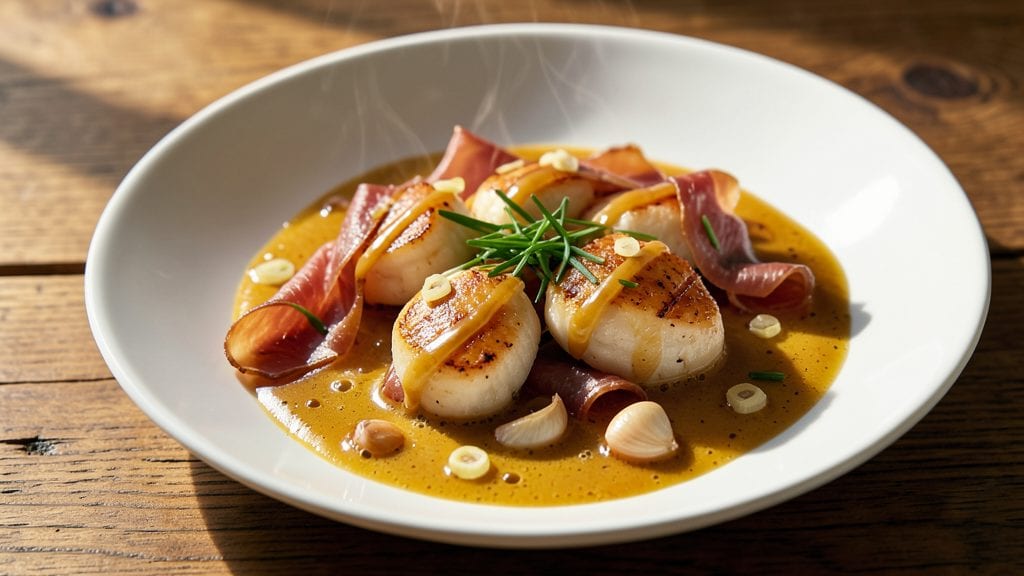
This champagne sauce recipe transforms simple ingredients into a velvety, golden sauce that elevates seafood dishes to restaurant-quality in just 15 minutes. The secret lies in reducing champagne and butter together, creating a rich, aromatic base that balances acidity and creaminess.
I developed this version after years of testing—it’s the perfect balance of tangy brightness and luxurious mouthfeel.
The sauce begins with shallots and garlic sautéed until fragrant, then deglazed with champagne to build depth. As the liquid reduces, butter is whisked in to create a silky emulsion that coats proteins beautifully.
A splash of cream at the end ensures a luxurious finish without overpowering the champagne’s natural acidity.
What you’ll end up with is a sauce that’s effortlessly elegant, perfect for drizzling over grilled fish, seared scallops, or even roasted vegetables. The bubbles in the champagne add a subtle effervescence, while the butter creates a velvety texture that feels indulgent yet light.
This isn’t just a sauce—it’s a flavor experience.
For extra depth, stir in a pinch of Dijon mustard or fresh herbs like tarragon or chives at the end. The sauce keeps well in the fridge for up to 3 days, making it ideal for meal prep. Let’s make this bubbly richness your new go-to for seafood nights.
Ingredients for champagne sauce
Eight ingredients. Fifteen minutes. Restaurant-quality sauce with bubbly magic.
| Ingredient | Amount | Notes |
|---|---|---|
| Shallots 🧅 | ½ cup | Minced, about 2-3 small shallots |
| Garlic Cloves 🧄 | 3 cloves | Minced, for aromatic base |
| Dry Champagne 🍾 | 1 cup | Substitute with white wine if needed |
| Unsalted Butter 🧈 | ½ cup | Cold, cut into small pieces |
| Heavy Cream 🥛 | ¼ cup | Full-fat for best texture |
| Dijon Mustard 🍯 | 1 tsp | For subtle depth of flavor |
| Fresh Tarragon 🌿 | 1 tbsp | Chopped, or substitute chives |
| Salt 🧂 | ¼ tsp | Adjust to taste |
| Black Pepper 🌶️ | ⅛ tsp | Freshly ground for best flavor |
| Lemon Juice 🍋 | 1 tbsp | Freshly squeezed for brightness |
The champagne is non-negotiable here—it’s what gives this sauce its signature effervescence and depth. Look for dry champagne (like La Vieille Tourrette or Andre) at the liquor store or grocery wine section, but if you’re in a pinch, dry white wine works too. The shallots and garlic should be minced finely—this is where the aromatic base builds. I always grab fresh shallots from the produce section (they’re sweeter than onions) and use a microplane for garlic to avoid bitter allicin. If you’re feeling fancy, Penzeys sells pre-minced shallots in a jar, but fresh is worth the extra minute.
No champagne? Dry white wine or even chicken stock with a splash of vinegar gets you close, though the sauce will lack that signature bubbly brightness. The butter is key—use unsalted and cold (cut into small cubes) for the best emulsion. If you’re avoiding dairy, coconut cream or olive oil can stand in, but the texture won’t be as velvety. Fresh tarragon is ideal, but dried works at one-third the amount. The Dijon mustard adds a subtle tang—skip it if you’re sensitive to mustard flavors, but I find it rounds out the sauce beautifully. For extra richness, a pinch of cream cheese at the end works like a charm.
This sauce is best made fresh, but it keeps beautifully in the fridge for 3 days if stored in an airtight container. To reheat, gently warm over low heat and whisk in a splash of cream or water to loosen. For meal prep, I make a double batch and freeze half in ice cube trays—just thaw and reheat as needed. The sauce thickens as it cools, so if it’s too stiff, whisk in a little more champagne or cream. Leftovers taste even better the next day as the flavors meld.
Why You'll Love This Recipe
- Foolproof Simplicity: I swear by this—just sauté shallots and garlic in butter until soft, deglaze with champagne, then stir in cream. No whisking, no straining, no stress. My lazy Sunday mornings now include this sauce without fail.
- Bubbly Magic: That first splash of dry champagne cuts through the richness of the cream, leaving a bright, tangy finish. Honestly, it’s the kind of flavor that makes me pause mid-bite—like a little celebration on my plate.
- Weeknight to Dinner Party: Same recipe, endless uses. Drizzle it over steak, toss with roasted veggies, or serve it with grilled fish. I’ve even used it as a pasta sauce in a pinch—no one ever questions it.
- Stores Like Gold: The leftovers? Richer the next day. I make a double batch, freeze half, and pull it out for last-minute meals. Between us, this sauce is my secret weapon for lazy nights and unexpected guests.
Step-by-step instructions for champagne sauce
This sauce comes together faster than you'd think—just a few simple steps for velvety richness.
Sauté Shallots and Garlic Until Fragrant
Melt the 0.5 cup unsalted butter in a medium saucepan over medium heat. Add the 0.5 cup minced shallots and cook for 3-4 minutes until they soften and become translucent. You'll know they're ready when they smell sweet and the edges start to turn golden.
Add the 3 cloves minced garlic and cook for another 30 seconds until fragrant. Be careful not to let it brown—garlic burns fast and turns bitter. Here's the thing: if you smell that nutty aroma, it's done. Remove the pan from heat immediately if it starts to darken.
Deglaze with Champagne and Simmer
Pour in the 1 cup dry champagne and scrape up all those delicious browned bits from the bottom of the pan. This step captures all the flavor that would otherwise disappear. Return the pan to medium heat and simmer for 5-6 minutes until the liquid reduces by about half.
You're looking for a syrupy consistency here—not completely dry, but noticeably thicker. The champagne should smell rich and slightly concentrated. If it reduces too quickly, lower the heat slightly to maintain a gentle simmer.
Add Cream and Mustard for Velvety Texture
Stir in the 0.25 cup heavy cream and 1 tsp Dijon mustard. Bring the mixture to a gentle simmer over low heat and cook for 3-4 minutes until it thickens slightly. The sauce should coat the back of a spoon but still be pourable. This is where the magic happens—creamy, tangy, and perfectly balanced.
If the sauce starts to curdle or separate, immediately reduce the heat to lowest setting and whisk vigorously. This usually happens if the cream gets too hot. A quick fix is to whisk in 1 tablespoon cold water to stabilize it.
Finish with Tarragon, Seasonings, and Lemon
Remove the pan from heat and stir in the 1 tbsp chopped fresh tarragon, 0.25 tsp salt, and 0.125 tsp black pepper. Let it steep for 1 minute to infuse the flavors. Then add the 1 tbsp lemon juice and give it one final stir.
Taste and adjust seasoning if needed—you might want a bit more salt or lemon depending on your preference. The sauce should be bright, slightly tangy, and perfectly balanced. If it's too thick, whisk in 1 tablespoon warm water to reach your desired consistency.
Keep Warm and Serve Immediately
Transfer the sauce to a clean saucepan and keep it warm over low heat until ready to serve. If you're not using it immediately, cover it loosely with a lid to prevent a skin from forming. This sauce is best served fresh—it pairs beautifully with seafood like scallops, shrimp, or salmon.
For extra richness, drizzle a bit of the warm sauce over the top of your dish just before serving. The contrast of warm sauce and cold seafood makes every bite unforgettable. Enjoy while it's still bubbling with flavor!
Pro Tips For Making Champagne Sauce
- Swim Shallots in Butter: I learned this the hard way—if you toss minced shallots into butter on medium heat, they’ll burn before they soften. Instead, melt the butter over low heat and let the shallots sit in it for 3-4 minutes, stirring occasionally, until they’re translucent and just starting to turn golden. (Yes, even if you’re impatient like me.)
- Deglaze with Boiling Champagne: The sauce won’t emulsify properly if you pour cold champagne over the fond. Heat the champagne in a small saucepan until it’s just simmering, then immediately deglaze the pan. The alcohol will evaporate faster, and the sauce will thicken more reliably without breaking.
- Salt the Cream First: Unsalted butter and heavy cream can taste bland if you season at the end. Before adding the cream, sprinkle in a pinch of salt (about ¼ teaspoon) and whisk it in—this balances the richness from the start. (Your future self will thank you when you taste the difference.)
- Finish with Cold Butter: The sauce will split if you stir in warm butter at the end. Let the sauce cool slightly (but stay warm), then whisk in 1-2 tablespoons of cold butter cut into small cubes. This adds shine and prevents curdling—no need for fancy emulsifiers. (Does it look weird? Yes. Does it work? Every single time.)
Creative variations of this dish
Herb-Infused Twist
Swap the tarragon for fresh thyme or parsley to create a brighter, more herbaceous sauce. Use 1 tbsp chopped fresh thyme instead of tarragon and add 1 tsp lemon zest for a citrusy kick.
This variation works beautifully with roasted chicken or grilled fish, offering a fresher profile that still maintains that champagne tang. 🌿
Creamy Mustard Sauce
For a bolder flavor, increase the Dijon mustard to 2 tsp and add 1 tsp whole-grain mustard for texture. This version pairs exceptionally well with seared pork chops or roasted Brussels sprouts.
The extra mustard adds a slight graininess that contrasts nicely with the smooth champagne base. Trust me, it elevates the sauce to a whole new level.
Lighter White Wine Version
If you’re avoiding alcohol, replace the champagne with 1 cup dry white wine and add 1 tbsp apple cider vinegar to mimic the acidity. Use ½ cup low-fat cream to keep it lighter while still achieving a velvety texture.
This version is perfect for steamed vegetables or grilled shrimp skewers, offering the same bright, tangy flavor without the alcohol content.
Spiced Citrus Sauce
Add warmth with ½ tsp ground ginger and ¼ tsp smoked paprika while cooking the shallots. Finish with 1 tbsp orange juice instead of lemon for a sweeter, slightly spiced sauce.
This variation is ideal for caramelized salmon or spiced seafood dishes, bringing a tropical twist to your meal. The ginger adds a subtle heat that balances the champagne’s acidity beautifully.
Cream Cheese Finish
For a richer, almost velouté-like texture, stir in 2 oz softened cream cheese at the end along with the tarragon. This version is luxurious enough for lobster tails or filet mignon, giving the sauce a decadent mouthfeel while keeping the champagne’s brightness.
The cream cheese melts seamlessly, adding a subtle tang that complements the sauce’s other flavors. 💛
Vegetarian Adaptation
Make this sauce completely plant-based by using coconut cream instead of heavy cream and vegetable broth to deglaze. Add 1 tsp nutritional yeast for a cheesy flavor and 1 tbsp capers for a briny note that mimics the champagne’s acidity.
This version is perfect for grilled portobello mushrooms or tofu-based dishes, proving that champagne sauce isn’t just for seafood lovers.
Nutrition facts
Frequently asked questions
Can I substitute white wine for champagne in this sauce?
Yes, you can use dry white wine as a 1:1 substitute when champagne isn't available. The sauce will still develop depth, though it'll lack the signature effervescence. For extra brightness, add 1 tablespoon lemon juice or apple cider vinegar to mimic champagne's acidity. The texture will remain creamy and rich.
Why did my champagne sauce curdle?
Curdling happens when the cream gets too hot or the sauce separates suddenly. To fix it, immediately reduce heat to lowest and whisk vigorously. For a quick fix, add 1 tablespoon cold water while whisking continuously. Always keep heat low when adding cream to prevent this issue.
What's the best way to store leftover champagne sauce?
Store in an airtight container in the fridge for up to 3 days. For longer storage, freeze in ice cube trays and transfer to a bag. Thaw overnight in the fridge. When reheating, warm gently over low heat and whisk in 1 tablespoon warm water if it thickens too much.
Which proteins pair best with this sauce?
This sauce shines with delicate proteins like seared scallops, grilled salmon, or poached shrimp. For heartier options, try roasted chicken or pork chops. The creamy texture contrasts beautifully with crispy textures, while the acidity cuts through rich meats.
Can I make this sauce ahead of time?
Yes, but with one key tip: assemble all ingredients except the champagne, then refrigerate in an airtight container. When ready to cook, add the champagne and proceed with the recipe. This preserves the sauce's freshness and prevents the butter from separating. The sauce will taste even better the next day as flavors meld.