
Sauces & Condiments
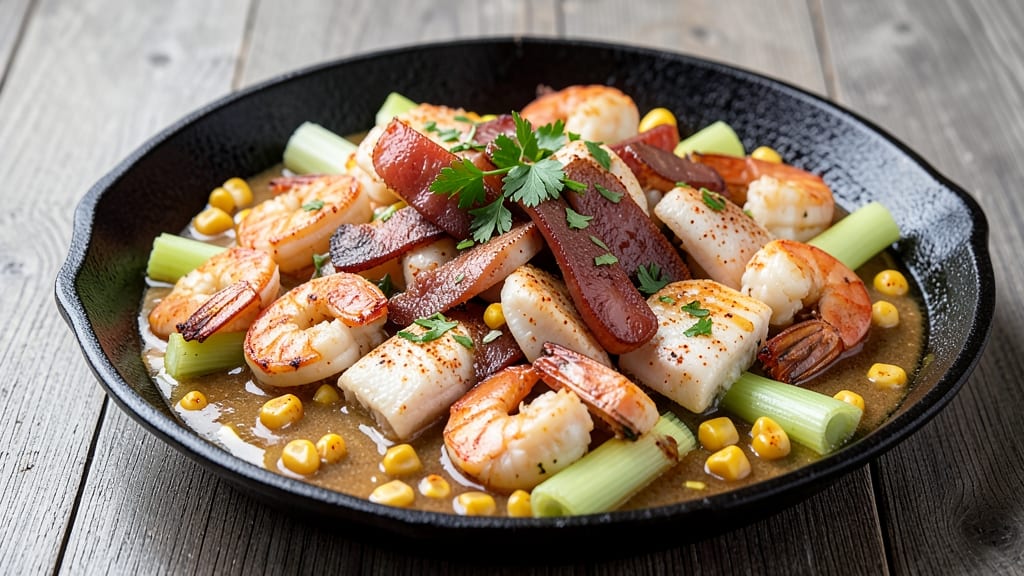
This beloved seafood boil sauce recipe transforms simple pantry staples into a rich, spicy garlic butter emulsion that elevates every boil. The secret lies in balancing heat, butter, and aromatics—creating a sauce that clings to shrimp, crab, and corn like a flavor bomb.
I developed this recipe after years of testing, and it’s now my go-to for restaurant-quality seafood boils at home.
The emulsion starts with melted butter and garlic, then builds layers of heat through cayenne and smoked paprika. Aromatics like celery and onion deepen the flavor without overpowering the dish.
What makes this sauce special is its versatility—it works for everything from casual backyard boils to elegant dinner parties, and it keeps well in the fridge for up to a week.
By the time you pour this sauce over your boiling seafood, you’ll taste a perfect harmony of spicy, buttery, and slightly sweet notes. The sauce thickens just enough to coat every ingredient, turning a simple boil into a memorable meal.
It’s the kind of sauce that makes people ask for the recipe—and now, it’s yours.
Use it immediately for maximum flavor or store it for later—this sauce is a game-changer for any seafood lover. Let’s get started on making it.
Ingredients for beloved seafood boil sauce
Pantry staples and a few fresh aromatics create this restaurant-quality seafood sauce.
| Ingredient | Amount | Notes |
|---|---|---|
| Unsalted Butter 🧈 | 1 cup | Cold, cubed for even melting |
| Garlic Cloves 🧄 | 8 cloves | Fresh, peeled, minced finely |
| Cayenne Pepper 🔥 | 1 ½ tsp | Adjust for desired heat level |
| Smoked Paprika 🌶️ | 1 tbsp | For deep smoky flavor |
| Dried Thyme 🌿 | 1 tsp | Or 1 tbsp fresh thyme leaves |
| Celery Stems 🧅 | ½ cup | Finely diced, fresh or frozen |
| Yellow Onion 🧅 | ½ cup | Finely diced, sweet variety |
| Lemon Juice 🍋 | 1 tbsp | Freshly squeezed, bright flavor |
| Sea Salt 🧂 | ½ tsp | Kosher or fine grain preferred |
| Black Pepper 🌶️ | ½ tsp | Freshly cracked for best flavor |
The butter is the foundation—use high-quality, unsalted (like Plugrá or Land O'Lakes) to avoid water content that can thin your sauce. Fresh garlic is non-negotiable here; jarred minced lacks the punch. For the celery and onion, I grab the organic bunch from Trader Joe's—it's prepped faster and tastes fresher. The smoked paprika should be hot smoked (not sweet) for that authentic boilhouse flavor. If you can't find it, regular paprika plus a pinch of liquid smoke works in a pinch.
No cayenne on hand? Red pepper flakes at half the amount gives similar heat, though less precise. Fresh thyme is ideal but dried works fine at one-third the quantity. For the lemon juice, Meyer lemons add a subtle sweetness that's perfect here. The onion and celery can be swapped for frozen diced mix (thawed) if you're short on prep time. If your butter starts browning too fast, reduce heat immediately—this sauce needs to emulsify, not burn.
This sauce keeps beautifully in an airtight jar in the fridge for up to 1 week, though it tastes best fresh. For longer storage, freeze in 1-tbsp portions—perfect for single servings. Reheat gently over low heat, stirring constantly. I always make a double batch because it disappears faster than you'd think. The emulsion thickens when cold, so stir before using if it's been refrigerated.
Why You'll Love This Recipe
- One-Pot Magic: I swear by this sauce—just melt butter, toss in garlic, and let the spices sing. No extra bowls, no fuss, and honestly? That smoky paprika aroma alone makes the whole kitchen feel like a coastal escape.
- Spice Symphony: The cayenne and thyme team up for a kick that’s warm, not fiery—think crispy shrimp edges with a velvety, herby finish. It’s the kind of flavor that makes you pause mid-bite, like, "Wait, did I just make this?"
- Leftovers? Please.: This sauce clings to everything—rice, pasta, even grilled fish—and reheats like a dream. I’ll be real: I’ve had it three days later, and it’s still the star of the meal. (My freezer’s full of it, no shame.)
- Budget Bright Spot: Butter and garlic are cheap, but they punch way above their weight here. A little goes a long way, and honestly? It’s the kind of recipe that turns $15 of shrimp into a dinner that feels like a splurge.
Step-by-step instructions for spicy garlic butter emulsion
This sauce comes together in minutes but packs layers of smoky, spicy depth perfect for seafood boils.
Melt the Butter and Sauté Aromatics
Place a large skillet over medium heat and add the 1 cup unsalted butter, cubed. Let it melt slowly, swirling occasionally, until it's fully liquid but not browned—about 2-3 minutes. You want the butter to foam gently without color changes.
Add the 0.5 cup yellow onion and 0.5 cup celery stems, both finely diced. Cook for 5-6 minutes until the vegetables soften and become translucent. This foundational step builds flavor through slow caramelization. Stir occasionally to prevent sticking—if it starts to brown too quickly, reduce the heat slightly.
Add Spices and Garlic
Lower the heat to medium-low and sprinkle in the 1.5 teaspoons cayenne pepper, 1 tablespoon smoked paprika, and 1 teaspoon dried thyme. Stir immediately to distribute the spices evenly through the butter mixture. Let them bloom for 30 seconds—you'll see the spices darken slightly and release their aromatic oils.
Add the 8 cloves minced garlic and cook for another 1-2 minutes until fragrant but not browned. Garlic burns quickly, so keep a close eye on it. You want that sweet, pungent aroma without bitterness. If the mixture starts to sizzle too aggressively, reduce the heat further or remove the pan from the heat briefly.
Finish with Acid and Seasoning
Pour in the 1 tablespoon lemon juice and stir vigorously. The acid brightens the flavors and helps emulsify the sauce. Immediately add the 0.5 teaspoon sea salt and 0.5 teaspoon black pepper, mixing well to combine. The sauce should now look glossy and well-blended, with a rich, golden hue.
Taste the sauce and adjust seasoning if needed. You might want to add a pinch more cayenne for heat or a splash more lemon juice for brightness. The sauce should be bold but balanced—spicy enough to cut through rich seafood but not overpowering. Keep the pan on low heat while you prepare your seafood boil to maintain the sauce's temperature.
Emulsify and Serve
Once your seafood is ready to serve, return the sauce to low heat and gently whisk it for 1-2 minutes until it becomes smooth and fully emulsified. The butter should coat the back of a spoon, creating a silky, velvety texture. If the sauce looks too thick, whisk in 1-2 tablespoons of hot water to loosen it.
Pour the sauce generously over your seafood boil, making sure every piece gets coated. The sauce will sizzle slightly as it hits the hot seafood, creating a beautiful aroma and ensuring even flavor distribution. Serve immediately while the sauce is still warm and glossy—this is when it shines brightest.
Pro Tips For Making Beloved Seafood Boil Sauce
- Bloom the Spices First: Toss your smoked paprika and dried thyme into the cold butter before melting—this releases their oils and aromas right away. I used to add them after browning the garlic, and the flavor felt muted. Two minutes of patience here makes a real difference.
- Sear the Garlic Low: Cook the garlic on medium-low heat until golden, not browned—burnt garlic turns bitter and overpowers the sauce. I learned this the hard way after ruining a batch with a screaming-hot pan. Keep an eye on it; it’s done when it smells like heaven, not like a campfire.
- Salt the Butter Early: Mix in a pinch of salt with the cold butter before melting—it dissolves better and seasons the sauce evenly from the start. I skip this when I’m lazy, but the dish is noticeably better when I don’t. Trust me, your taste buds will notice.
- Whisk in Cayenne Gradually: Add the cayenne a little at a time while tasting—you can always add more, but you can’t take it out. I was skeptical until I tried it; now I adjust based on the heat I’m craving that day. Start with half the recipe’s amount and go from there.
Storing and reheating this dish
Fridge Storage Tips
Store your sauce in an airtight glass jar—I use Ball mason jars with silicone lids—to preserve freshness for up to 7 days. The emulsion thickens slightly when cold, so give it a good stir before using.
Keep it in the back of the fridge where temperatures stay most consistent. If you notice any separation, simply whisk it back together before reheating. 🧈
Freezer Prep
For longer storage, portion the sauce into 1-tablespoon servings in silicone ice cube trays or small freezer-safe containers. Once frozen solid, transfer to a ziplock bag with the date labeled.
This sauce keeps for 3 months in the freezer—perfect for quick flavor boosts when you’re short on prep time. Thaw overnight in the fridge for best results. ❄️
Reheating Safely
Reheat the sauce gently over low heat in a small saucepan, stirring constantly to prevent burning. If using a microwave, heat in 20-second bursts, stirring between each interval, until fully warmed through.
Avoid high heat—this sauce is delicate and can separate if overheated. Always check the temperature reaches 165°F for safety. 🔥
Reviving Thickened Sauce
If your sauce thickens too much after refrigeration, whisk in 1-2 tablespoons of hot water or seafood broth to restore its silky texture. For extra richness, add a pat of softened butter while reheating.
The key is patience—don’t rush the process, or the emulsion may break. A quick dip in a double boiler works wonders for stubbornly thick batches. ✨
Sauce for Leftovers
This sauce is perfect for second-day seafood feasts—just reheat and drizzle over grilled shrimp skewers or cold crab salad. I often make a double batch because it disappears faster than expected.
The flavors actually deepen over time, making leftovers taste even better. Store any unused portions in the fridge for up to 5 days after reheating. 💫
Travel-Friendly Packing
For picnics or tailgates, transfer the sauce to a small thermos or insulated container. The heat helps maintain its emulsified state, so it’ll be ready to pour straight from the container.
If packing cold, use a wide-mouth thermos for easy pouring—just give it a shake before using. This trick keeps the sauce stable for 4-6 hours outside the fridge. 🗺️
Nutrition facts
Frequently asked questions
Can I make this sauce without butter?
The butter creates the rich, velvety texture that makes this sauce special, but you can substitute 1/2 cup olive oil + 1/2 cup melted coconut oil for a dairy-free version. The emulsion won't be as stable, so whisk constantly while reheating. For best results, use a high-quality oil with a high smoke point like avocado oil.
How do I adjust the heat level?
Start with the full 1.5 teaspoons cayenne for medium heat. For milder sauce, reduce to 1 teaspoon or swap for 1 teaspoon red pepper flakes. For extra kick, add 1/2 teaspoon crushed red pepper flakes after cooking. Always taste as you go—you can't overdo the heat, but you can't fix it if it's too mild!
What's the best way to use leftover sauce?
This sauce is perfect for second-day meals—drizzle over grilled shrimp skewers, toss with chilled crab salad, or mix into cornbread batter for a flavor boost. It also works as a marinade for fish fillets (1-2 hours max). Store unused portions in the fridge for up to 5 days after reheating.
Why did my sauce separate?
Sauce separation happens when heat is too high or water content increases (like from steam). To fix it, whisk in 1 tablespoon hot water or seafood broth while gently reheating on low heat. For stubborn cases, blend with 1/2 cup hot water until smooth. To prevent separation, always reheat slowly and avoid boiling.
Can I make this sauce ahead of time?
This sauce tastes even better when made 1-2 days ahead. Store in an airtight glass jar in the fridge for up to 7 days. For parties, make it 3 days ahead and freeze in 1-tablespoon portions. Thaw overnight in the fridge before using—no microwave needed for best texture.