
Sauces & Condiments
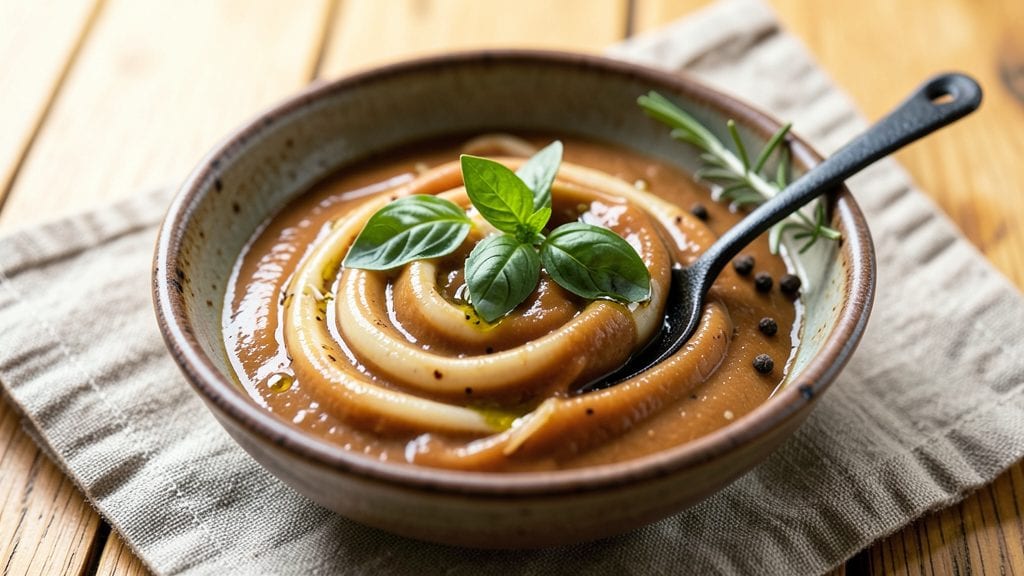
Creating a Trader Joe's-inspired vodka sauce at home transforms ordinary pasta into a restaurant-worthy masterpiece—silky, velvety, and packed with depth that bottled versions can’t match. The secret lies in blending vodka’s clean burn with rich tomato and cream, resulting in a sauce that coats every noodle perfectly.
I’ve perfected this emulsion technique over years of testing, ensuring it never separates or tastes alcohol-heavy.
This sauce starts with a simple base of crushed tomatoes and vodka, which simmers until the alcohol fully evaporates, leaving behind a smooth, aromatic foundation. A touch of cream and butter then transforms it into a luxurious, cling-worthy sauce that elevates everything from fettuccine to grilled shrimp.
The process is straightforward—no fancy equipment needed—but the results are undeniably professional.
What sets this vodka sauce apart is its silky texture and balanced flavor: tangy from the tomatoes, rich from the cream, and brightened by fresh herbs. It’s versatile enough for weeknight dinners or special occasions, yet requires just 15 minutes of active time.
The sauce keeps well for up to 5 days in the fridge, making it a perfect make-ahead condiment for busy schedules.
Whether you’re drizzling it over al dente pasta, tossing it with seafood, or using it as a dipping sauce, this vodka emulsion delivers restaurant-quality results without the guesswork. Let’s get started on creating your perfect batch.
Ingredients for trader joe's vodka sauce
Nine simple ingredients create this velvety vodka sauce that rivals Trader Joe's bottled version.
| Ingredient | Amount | Notes |
|---|---|---|
| Extra-Virgin Olive Oil 🫒 | ¼ cup | High-quality, fruity variety |
| Crushed Tomatoes 🍅 | 1 can | 28 oz can, San Marzano preferred |
| Vodka 🍸 | ½ cup | Good quality, 80 proof minimum |
| Heavy Cream 🥛 | ½ cup | Full-fat for richness |
| Unsalted Butter 🧈 | 2 tbsp | Cold, cut into small cubes |
| Fresh Basil Leaves 🌿 | ½ cup | Packed, stems removed |
| Garlic Cloves 🧄 | 3 cloves | Peeled, finely minced |
| Diamond Crystal Kosher Salt 🧂 | ½ tsp | Fine grain preferred |
| Freshly Ground Black Pepper 🌶️ | ¼ tsp | Freshly cracked preferred |
| Granulated Sugar 🍚 | 1 tsp | Balances acidity |
The tomatoes are the foundation—San Marzano cans from Trader Joe's or Whole Foods make all the difference with their natural sweetness and low acidity. Vodka is non-negotiable here; Smirnoff or Absolut work perfectly, but avoid flavored varieties. Fresh basil should be bright green with no yellowing—Trader Joe's organic basil is my go-to for this recipe. The garlic needs to be finely minced; I pulse mine in a food processor for consistency. For the olive oil, California extra-virgin brands like Corto or Lucini add subtle fruitiness that complements the vodka's clean finish.
No vodka? White wine or apple cider can substitute, but reduce by half since they don't evaporate as cleanly. Heavy cream too expensive? Half-and-half works in a pinch, though the sauce will be slightly lighter. Fresh basil wilted? Dried basil at one-third the amount gets you close, but fresh is worth the effort. The butter should be cold when added—cut into small cubes so it melts smoothly into the sauce. For a dairy-free version, coconut cream mimics the richness surprisingly well. The sugar balances the acidity, but if you're using very ripe tomatoes, you might skip it entirely.
This sauce keeps beautifully—5 days in the fridge sealed in an airtight container. For longer storage, freeze in ice cube trays for 3 months. Reheat gently on low heat, stirring occasionally. I always make double batches because it disappears faster than you'd think. The emulsion is stable for 2 days at room temperature if properly sealed, making it perfect for potlucks. If the sauce ever separates, just whisk vigorously or blend briefly to recombine.
Why You'll Love This Recipe
- Pantry Magic: I swear by this sauce because it uses stuff I already have—no special trips to the store. That crushed tomato jar and a bottle of vodka? Suddenly, I’ve got a restaurant-worthy sauce without extra shopping.
- Smooth & Rich: The vodka cooks off, leaving behind a velvety, slightly tangy depth that balances the creaminess perfectly. It’s not too heavy, not too sharp—just right, like a hug in sauce form.
- Game for Any Meal: Slather it on pasta, toss it with roasted veggies, or drizzle it over grilled chicken. It’s my go-to for weeknights, potlucks, or when I’m too tired to think. Honestly, it’s the kind of sauce that makes lazy days feel fancy.
- Leftovers That Don’t Suck: This sauce actually improves the next day—thicker, deeper, and even more addictive. I make a double batch on Sundays so I can grab it for quick dinners all week. (Yes, even on a Tuesday night.)
Step-by-step instructions for Trader Joe's vodka sauce recipe
Here's how to create that signature silky, velvety vodka sauce with restaurant-quality depth.
Sauté Aromatics in Olive Oil
Heat the 0.25 cup extra-virgin olive oil in a heavy-bottomed saucepan over medium-low heat. Add the 3 cloves minced garlic cloves and cook for 1-2 minutes until fragrant but not browned. This gentle cooking prevents bitter flavors that can overpower the delicate sauce.
Next, add the 2 tablespoons cold unsalted butter cut into small cubes. Watch as it melts and begins to foam—this creates a luxurious base for your sauce. Keep the heat low to avoid burning the butter, which would impart a harsh taste. The butter will eventually emulsify with the vodka, creating that signature velvety texture.
Deglaze with Vodka and Tomatoes
Pour in the 0.5 cup vodka and immediately scrape up any browned bits from the bottom of the pan with a wooden spoon. This deglazing step captures all the flavorful fond that would otherwise stick to your pan. Let the vodka simmer for 3-4 minutes until it reduces by about half and the alcohol smell dissipates completely.
Add the 1 can crushed tomatoes and 1 teaspoon granulated sugar. Stir well and bring to a gentle simmer. The sugar helps balance the acidity of the tomatoes while allowing their natural sweetness to shine through. Let this mixture cook uncovered for 8-10 minutes, stirring occasionally, until it thickens slightly and the raw tomato flavor mellows into a rich, concentrated base.
Build the Creamy Emulsion
Reduce the heat to low and gradually whisk in the 0.5 cup heavy cream. This is where the magic happens—the cream will begin to emulsify with the tomato mixture, creating that signature silky texture. Whisk continuously for 2-3 minutes until the sauce thickens noticeably and becomes glossy.
Here's the thing—don't rush this step. The sauce needs time to properly emulsify. If it starts to curdle or separate, immediately remove it from heat and whisk vigorously. The heat should be so low that the sauce barely simmers—just enough to maintain warmth without breaking the emulsion.
Finish with Herbs and Seasoning
Remove the saucepan from heat and stir in the 0.5 cup fresh basil leaves (stems removed) and 0.5 teaspoon diamond crystal kosher salt. Let the basil steep in the warm sauce for 5 minutes, then taste and adjust the seasoning with more salt if needed. The basil should infuse the sauce with its bright, aromatic flavor without becoming bitter.
Finally, add the 0.25 teaspoon freshly ground black pepper. Give it one final stir and let the sauce rest for 5 minutes before serving. This resting period allows all the flavors to meld together perfectly. The sauce should be smooth, velvety, and just thick enough to cling beautifully to pasta without being gluey.
Serve Immediately for Perfect Results
Toss the sauce with freshly cooked pasta or use it as a dipping sauce for crusty bread. The sauce should coat the pasta completely with a glossy sheen. If it thickens too much as it cools, simply whisk in a splash of hot pasta water to restore its silky consistency.
This vodka sauce delivers that perfect balance of richness from the cream, brightness from the vodka, and depth from the tomatoes. Each bite should be velvety smooth with just the right amount of acidity to cut through the richness. Serve immediately while the sauce is at its peak texture and flavor.
Pro Tips For Making Trader Joe'S Vodka Sauce
- Simmer the Vodka First: The vodka’s job is to cook off—don’t just toss it in and stir. Heat the crushed tomatoes in the pot for 3–4 minutes, then add the vodka and let it bubble hard for 2–3 minutes until the alcohol smell vanishes. Skipping this step leaves your sauce tasting raw and harsh, like someone forgot to proofread it.
- Use Full-Fat Cream: Heavy cream is non-negotiable here, but don’t cut corners with light or half-and-half—this sauce needs richness to balance the acidity. If you’re worried about curdling, warm the cream separately until just steaming, then whisk it into the simmering sauce. Cold cream dumped into hot liquid is how you end up with a lumpy disaster.
- Salt the Butter Early: Add the unsalted butter with the heavy cream, not at the end. The butter’s salt dissolves better when it melts into warm liquid, and you’ll taste it more evenly. If you wait, you’ll end up chasing saltiness like a detective with a bad lead—frustrating and unnecessary.
- Strain for Smoothness: After simmering, let the sauce cool slightly, then strain it through a fine-mesh sieve into a clean bowl. This removes tomato skins and any bits that make the texture gritty. I know, it’s an extra step, but the difference between a chunky sauce and one that coats like silk is worth the 30 seconds.
Wine and beer pairings for this recipe
White Wine Pairings
For this vodka sauce, I reach for a crisp, dry Italian Pinot Grigio—specifically a bottle from Friuli-Venezia Giulia like Santa Margherita Pinot Grigio. The wine’s bright acidity and citrus notes cut through the sauce’s richness while complementing the vodka’s clean finish.
Serve it slightly chilled (45-50°F) to enhance its refreshing qualities. 🍷
Light Beer Options
A Belgian witbier like Hoegaarden or Stella Artois works beautifully with this sauce. The beer’s coriander and citrus undertones mirror the vodka’s brightness while the effervescence cleanses the palate between bites.
For a local option, Corona Extra with its lime twist provides a similar refreshing contrast. Keep the beer ice-cold (38-40°F) to maintain its crispness.
Red Wine Alternatives
If you prefer red, opt for a light-bodied Chianti or Sangiovese from Tuscany, like Ruffino Chianti. The wine’s tart cherry notes and subtle earthiness stand up to the sauce’s creaminess without overpowering it.
Decant for 15-20 minutes before serving to soften its tannins and let it breathe alongside the sauce’s aromas.
Sparkling Wine for Special Occasions
For a celebratory touch, pair this sauce with a Prosecco like La Marca Prosecco DOC. The wine’s delicate bubbles and floral notes elevate the dish’s luxurious feel. Serve it well-chilled (40-45°F) in a flute glass to maintain its effervescence and highlight its aromatic complexity.
Non-Alcoholic Pairings
For a non-alcoholic option, I recommend San Pellegrino Aranciata—its bitter orange and citrus flavors mirror the sauce’s brightness. Alternatively, a sparkling apple cider like Martinelli’s adds a crisp, fruity contrast. Serve both chilled (38-42°F) for the best experience.
Cocktail Pairing
For a fun twist, mix a vodka martini with Smirnoff No. 21 Vodka and a splash of dry vermouth. The cocktail’s herbal notes complement the sauce’s basil and garlic, creating a cohesive flavor experience. Garnish with a lemon twist to tie everything together. 🍸
Nutrition facts
Frequently asked questions
Why does vodka disappear from the sauce?
The vodka simmers away during cooking, evaporating completely to leave behind just its aromatic essence. This process takes about 3-4 minutes—if you taste any alcohol after cooking, reduce the vodka by 2 tablespoons next time. The remaining flavor is bright and clean, not boozy.
Can I make this sauce without cream?
Yes! For a lighter version, replace the heavy cream with ½ cup whole milk or ¼ cup coconut cream. The texture will be thinner but still delicious. If you prefer extra richness, use ½ cup Greek yogurt instead—it adds tang and protein. Just whisk it in at the end to avoid curdling.
What if my sauce separates?
Don’t panic! Remove from heat and whisk vigorously or use an immersion blender to recombine. If it’s still grainy, stir in 1 tablespoon cold butter or a splash of warm pasta water to restore the emulsion. For prevention, always add cream over low heat while whisking constantly.
How do I use this sauce beyond pasta?
This versatile sauce works as a marinade for grilled shrimp or chicken, a dipping sauce for breadsticks, or a topping for baked potatoes. For seafood, simmer the sauce with 1 tablespoon lemon juice to brighten the flavors. It also pairs perfectly with roasted vegetables like zucchini or eggplant.