
Sauces & Condiments
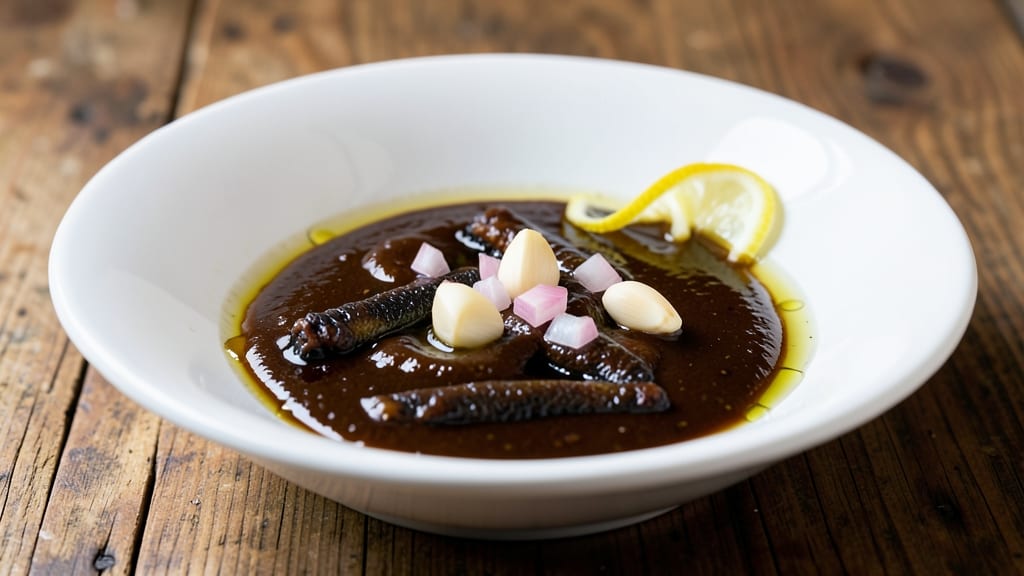
This anchovy sauce recipe transforms humble pantry staples into a concentrated umami powerhouse that elevates everything from pasta to grilled meats. The secret lies in balancing salty anchovies with bright vinegar and aromatic garlic, creating a sauce that's both traditional and infinitely adaptable.
I developed this version after years of experimenting with Italian colatura di alici—the liquid gold of anchovy sauces—but simplified for home cooks who want bold flavor without fuss.
The beauty of this sauce is its versatility—it works as a quick pasta toss, a pizza base, or a dipping sauce for crusty bread. What makes it special is the technique: simmering the anchovies just until they dissolve creates a silky, flavorful foundation that doesn't overpower.
The result is a sauce that's rich, tangy, and deeply savory, with a complexity that rivals restaurant-quality condiments.
By the time you're done, you'll have a small jar of liquid gold that transforms simple dishes into something extraordinary. The sauce keeps well in the fridge for up to a week, so you can make a batch and use it throughout the week.
Whether you're drizzling it over linguine or using it as a marinade, this sauce delivers restaurant-quality depth with minimal effort.
For those who love heat, add a pinch of red pepper flakes, or sweeten it with a touch of honey for a glaze that works beautifully on grilled vegetables. The possibilities are endless—let's get started on this umami-packed essential.
Ingredients for anchovy sauce
Nine simple ingredients create a bold, restaurant-worthy sauce that transforms any dish.
| Ingredient | Amount | Notes |
|---|---|---|
| Canned Anchovy Fillets 🐟 | 6 whole | Italian fillets preferred, rinsed |
| Extra-Virgin Olive Oil 🫒 | ½ cup | High-quality, fruity variety |
| White Wine Vinegar 🍷 | ¼ cup | Balsamic for deeper sweetness |
| Garlic Cloves 🧄 | 4 cloves | Fresh, minced or pressed |
| Shallots 🧅 | 2 whole | Small, finely minced |
| Fresh Lemon Juice 🍋 | 1 tbsp | Bright, freshly squeezed |
| Diamond Crystal Kosher Salt 🧂 | ½ tsp | Fine grain preferred |
| Black Peppercorns 🌶️ | ¼ tsp | Freshly cracked preferred |
| Fresh Parsley 🌿 | ⅛ cup | Chopped, for freshness |
| Red Pepper Flakes 🔥 | ¼ tsp | Optional, for heat |
The anchovies are the heart of this sauce, so quality matters. Italian fillets like Colavita or Stella dissolve beautifully—avoid the cheap, oily kinds that turn your sauce murky. Rinse them first to remove excess salt, then pat dry. Whole Foods or specialty Italian markets carry the best, but most grocery stores stock decent brands. For garlic, roast it first if you want a sweeter, deeper flavor—just toss whole cloves in a 400°F oven for 10 minutes. Shallots add complexity, but yellow onion works in a pinch if you're out. The olive oil? Use something you'd drizzle on bread—California extra-virgin adds a nice fruity note.
No white wine vinegar? Apple cider vinegar or red wine vinegar both work, though the flavor shifts slightly. Short on anchovies? Double the amount of capers for a briny alternative, but reduce the salt. The parsley is purely for freshness—skip it if you're using this as a marinade where herbs might not be ideal. Want more depth? Add 1 tsp of anchovy paste for extra umami punch. The red pepper flakes are optional but worth it if you love heat—start with half and adjust to taste. For a sweeter version, swap half the vinegar for honey and reduce the lemon juice slightly.
This sauce keeps beautifully in the fridge for 1 week, though it tastes best within 3-4 days. Store it in a sealed glass jar with a layer of olive oil on top to preserve freshness. For longer storage, freeze in 1-tbsp portions using ice cube trays—perfect for quick pasta tosses. The sauce intensifies over time, so reheat gently and adjust seasoning before using. I always make extra—it disappears fast on toasted bread or drizzled over grilled fish.
Why You'll Love This Recipe
- Pantry Magic: I swear, this sauce comes together with things you already own—no fancy shopping trips. Just open a can of anchovies, minced garlic, and a splash of vinegar, and boom, you’ve got depth without the effort.
- Umami Bomb: That first taste of salty, briny anchovies melting into warm olive oil? It’s the kind of flavor that makes you pause mid-bite. The shallots add a sweet, caramelized edge when you let them soften—trust me, it’s ridiculously good.
- Weeknight Swiss Army: Drizzle it over pasta, toss it with roasted veggies, or slather it on grilled bread. Honestly, I’ve used it as a marinade for chicken and a dressing for salads—it’s my secret weapon for meals that feel special without the fuss.
- Budget Game-Changer: A single can of anchovies stretches into multiple meals, and the rest of the ingredients? Cheap as dirt. I’ve made a full batch, stored it in the fridge, and still had enough for lunch the next day—no waste, just flavor.
Step-by-step instructions for anchovy sauce
This umami-rich sauce comes together in minutes with simple technique and bold flavors.
Prepare the Anchovy and Aromatic Base
In a small saucepan, combine the 6 whole canned anchovy fillets with the 0.5 cup extra-virgin olive oil over low heat. Let them melt together for 3-4 minutes, stirring gently with a wooden spoon. You'll notice the anchovies dissolve completely into the oil, creating a deep, salty foundation.
Add the 2 whole shallots and 4 cloves garlic cloves, minced finely, to the pan. Cook for another 2-3 minutes until the shallots soften and become translucent. This step builds the aromatic backbone of your sauce—don't rush it, or the flavors won't develop properly. The mixture should smell intensely savory and slightly sweet from the caramelizing shallots.
Deglaze and Simmer the Vinegar
Pour in the 0.25 cup white wine vinegar and scrape the bottom of the pan with a wooden spoon, collecting all the browned bits that contain concentrated flavor. Bring the mixture to a gentle simmer and let it reduce by half, which should take about 5 minutes. You're looking for a glossy, syrupy consistency—this intensifies the umami and balances the acidity.
Here's where the magic happens: the vinegar cuts through the richness of the anchovies while preserving their deep, salty-sweet profile. If the sauce starts to splatter, reduce the heat slightly—you want steady reduction, not rapid evaporation.
Finish with Bright, Fresh Elements
Remove the pan from heat and stir in the 1 tablespoon fresh lemon juice, 0.5 teaspoon diamond crystal kosher salt, and 0.25 teaspoon black peppercorns. The lemon juice brightens the sauce, cutting through the richness while adding a citrusy freshness that balances the umami depth.
Add the 0.125 cup fresh parsley and 0.25 teaspoon red pepper flakes (if using) and stir gently. The parsley adds a fresh herbal note that lifts the sauce, while the red pepper flakes introduce a subtle heat. Let the sauce sit off heat for 2-3 minutes to allow all the flavors to meld together completely.
Adjust Consistency and Serve
If the sauce is too thick, thin it with 1-2 tablespoons of warm water or pasta water, stirring until smooth. The ideal consistency should coat the back of a spoon without being overly runny. Taste and adjust the seasoning—you may need a touch more salt or lemon juice to balance the flavors.
This versatile sauce pairs beautifully with pasta, grilled vegetables, or crusty bread. For extra richness, drizzle with a bit more extra-virgin olive oil before serving. The sauce keeps well in the refrigerator for up to 5 days, making it perfect for meal prep.
Pro Tips For Making Anchovy Sauce
- Mince That Garlic: DESCRIPTION: I learned this the hard way—chopping garlic cloves into slivers instead of mincing them leaves you with visible chunks in an otherwise silky sauce. Use a knife or the flat side of your blade to smash the cloves first, then give them a quick chop. If you’re in a rush, a microplane works, but don’t skip the mincing—it dissolves better and blends smoother.
- Sweat Shallots Low: DESCRIPTION: High heat turns shallots bitter before they soften. Start them in a cold pan and turn the heat to medium-low, stirring often. They’re done when they’re translucent and just starting to turn golden—about 5-7 minutes. No need to rush; patience here keeps the sauce from tasting harsh.
- Drain Anchovies Dry: DESCRIPTION: Wet anchovies add a weird, watery texture to the sauce. Drain them well, then pat them dry with a paper towel before crushing or chopping. This isn’t just about moisture—it’s about control. Dry anchovies dissolve cleanly and let their umami shine without thinning the sauce.
- Deglaze with Vinegar Last: DESCRIPTION: Adding white wine vinegar too early can make the sauce taste sharp and unfinished. Let the garlic and shallots develop their flavor in the oil first, then deglaze with a splash of vinegar at the end. This balances the acidity and lets the anchovies take center stage. Trust me, the order matters.
Perfect pairings for this recipe
Pasta Pairings
This anchovy sauce transforms simple pasta dishes into umami bombs. Toss it with linguine or spaghetti for a quick weeknight dinner—just heat 2 tbsp of sauce per serving with a splash of pasta water.
For extra richness, finish with grated Pecorino Romano and a drizzle of extra-virgin olive oil. I also love it with orecchiette—the sauce clings perfectly to the "ear-shaped" pasta. 🍝
Pizza Base
Use this sauce as a bold alternative to tomato sauce on pizza. Spread 2 tbsp per 12-inch crust before adding toppings like mozzarella, prosciutto, and arugula. The anchovies add depth without overpowering.
For a modern twist, try it on a white pizza with ricotta and caramelized onions. The sauce caramelizes beautifully under the broiler, creating a crispy, flavorful crust. 🍕
Dipping Sauces
This sauce elevates everything from garlic bread to crudité. Serve it warm in a small bowl with crusty baguette slices for an easy appetizer. For extra flair, top with chopped parsley and a pinch of red pepper flakes.
It also works as a marinade for grilled shrimp or chicken skewers—just toss with 1 tbsp of sauce per pound of protein before grilling. 🥖
Grilled Vegetable Glaze
Brush this sauce onto grilled zucchini, eggplant, or asparagus in the last 2 minutes of cooking for a smoky, umami finish. The acidity in the vinegar helps tenderize tougher veggies like eggplant.
I love it on portobello mushrooms—just grill until tender, then drizzle with sauce and a sprinkle of feta cheese. The flavors sing together perfectly. 🍆
Seafood Enhancer
Drizzle this sauce over seared scallops, shrimp, or whole fish fillets in the final minutes of cooking. The anchovies complement seafood beautifully, adding a briny depth that pairs especially well with white wine or citrus.
For a restaurant-worthy touch, finish with edible flowers or microgreens. It’s also fantastic as a dip for fried calamari. 🐚
Beverage Pairings
A crisp Italian Pinot Grigio cuts through the sauce’s richness, while a dry Riesling highlights its bright acidity. For beer lovers, a Belgian witbier with its citrus and coriander notes creates an unexpected but delicious contrast.
If you prefer cocktails, try it with a Negroni—the bitter, herbal notes balance the sauce’s umami perfectly. 🍷
Nutrition facts
Frequently asked questions
Can I make this anchovy sauce without anchovies?
While traditional recipes rely on anchovies for their umami depth, you can substitute with 1 tbsp anchovy paste or 2 tbsp capers for a briny alternative. For a vegetarian version, try 1 tbsp soy sauce or miso paste plus 1 tsp nutritional yeast to mimic the savory profile. The sauce will taste different but still deliver bold flavor.
How do I store and reheat this sauce?
Store in an airtight glass jar in the fridge for up to 1 week. For longer storage, freeze in 1-tbsp portions using ice cube trays. To reheat, warm gently in a saucepan over low heat or microwave in 10-second bursts, stirring between each. Add a splash of water or olive oil if it thickens too much. The sauce actually tastes better after a day or two as flavors meld!
Is this sauce spicy?
The recipe includes 0.25 tsp red pepper flakes as optional heat. If you prefer mild, simply omit them entirely. For a different spice profile, try adding ½ tsp smoked paprika or a pinch of cayenne instead. The heat is subtle but noticeable—adjust to your tolerance before serving.
Can I use this sauce as a marinade?
This sauce makes an excellent marinade for seafood, chicken, or tofu. Use 1 tbsp per pound of protein and marinate for 15-30 minutes (no longer for delicate fish). The acidity in the vinegar helps tenderize meat while the anchovies add deep flavor. For extra protection, store marinated proteins in the fridge and cook within 4 hours.
What's the best way to thin this sauce if it's too thick?
If your sauce thickens too much, thin it with 1-2 tbsp warm water, pasta water, or even a splash of white wine. For a richer texture, use extra-virgin olive oil instead. Stir well and adjust gradually—you want a glossy consistency that coats the back of a spoon without being watery. The reduction step is key for flavor, so don't over-dilute!