
Sauces & Condiments
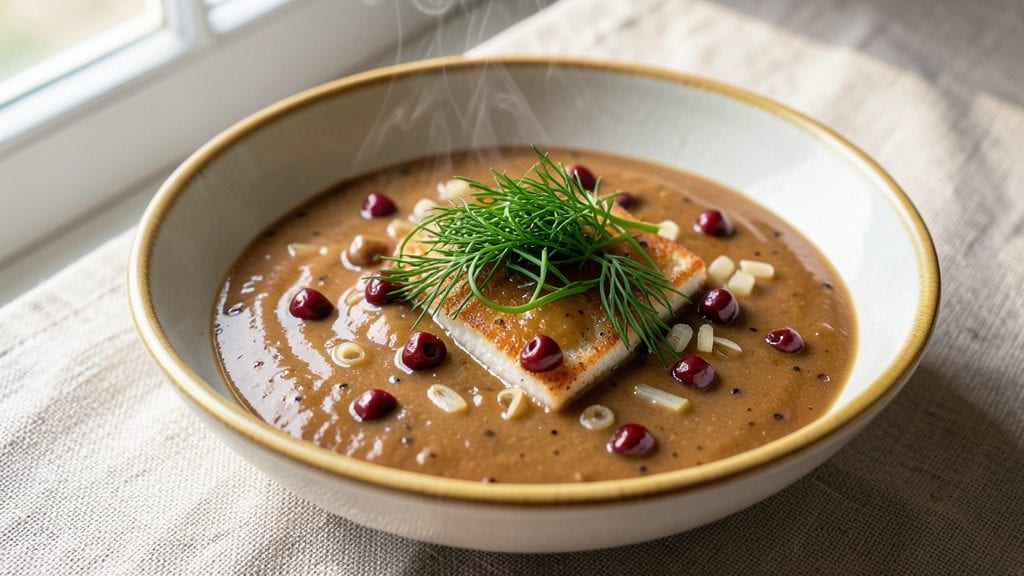
This classic tatar sauce recipe delivers the perfect balance of briny, herby, and tangy flavors that elevate any seafood dish or sandwich spread. The secret lies in fresh dill, capers, and anchovies—traditional ingredients that create a sauce with depth and complexity.
I developed this version after testing countless recipes, ensuring every element comes together harmoniously for that signature tangy yet creamy texture.
The preparation is straightforward but requires attention to detail, particularly when balancing the acidity of the lemon with the richness of the mayo. Shallots and mustard provide the backbone of flavor, while capers add that signature briny punch.
This sauce isn’t just for caviar anymore—it transforms simple dishes into something extraordinary with minimal effort.
What makes this recipe truly special is its versatility. Use it as a dip for smoked salmon, a spread for sandwiches, or a tangy topping for grilled fish. The sauce keeps well in the refrigerator for up to a week, making it perfect for meal prep.
Once you taste the difference between homemade and store-bought, you’ll never go back.
For the best results, ensure all ingredients are fresh, especially the dill and anchovies. The sauce should be smooth, with a vibrant green hue from the herbs and a texture that’s thick enough to cling but light enough to enhance, not overpower. Let’s get started on creating this timeless condiment.
Ingredients for tatar sauce
Fresh dill and briny capers make this tangy mayo sauce absolutely irresistible.
| Ingredient | Amount | Notes |
|---|---|---|
| Mayonnaise 🥛 | ¾ cup | High-quality, full-fat preferred |
| Fresh Dill Weeds 🌿 | ½ cup | Finely chopped, stems removed |
| Capers 🍈 | 2 tbsp | Rinsed, drained, chopped |
| Anchovy Fillets 🐟 | 4 whole | Packed in oil, rinsed |
| Shallots 🧅 | 2 whole | Finely minced, about 2 tbsp |
| Dijon Mustard 🌶️ | 1 tbsp | High-quality, smooth |
| Lemon Juice 🍋 | 1 ½ tbsp | Freshly squeezed |
| Extra-Virgin Olive Oil 🫒 | 1 tbsp | For balancing texture |
| Salt 🧂 | ½ tsp | Fine sea salt |
| Black Pepper 🌶️ | ¼ tsp | Freshly ground |
The dill is non-negotiable—farmers market or grocery store bunches with vibrant green leaves work best. Penzeys or Trader Joe's carry excellent dried dill if fresh isn't available, but fresh is absolutely essential for that signature flavor. Anchovies might seem intimidating, but the high-quality brands like La Martella or Bonami make all the difference. Look for fillets packed in oil—they dissolve beautifully and add that signature umami depth. The shallots should be fresh, not dried, and minced finely for a smooth texture. If you're using jarred capers, always rinse them first to remove excess salt.
No anchovies? Extra anchovy-free tuna or a splash of fish sauce can mimic that briny punch, though nothing beats the real thing. Short on dill? Fresh parsley or tarragon at half the amount works in a pinch, but the flavor will be subtly different. The mayo should be high-quality like Hellmann's or Duke's—avoid the light versions, as they won't give that rich, creamy texture. If you're making this ahead, add the lemon juice last to keep the sauce vibrant. The Dijon mustard is key—avoid powdered versions, as they lack depth. For a smoother texture, pulse everything in a food processor before mixing by hand.
This sauce keeps beautifully in an airtight container in the fridge for up to 1 week, though it's best within 3-4 days for peak freshness. The lemon juice will make it separate slightly, so always give it a good stir before using. For meal prep, portion into small containers—it's perfect for smoked salmon dips, sandwich spreads, or grilled fish toppings. If it thickens too much, just whisk in a splash of water or olive oil to loosen it up. The flavor only gets better as it sits, so make a batch and enjoy it all week!
Why You'll Love This Recipe
- I’ll be real: anchovies and capers aren’t cheap, but a little goes a long way. A small jar of capers and a pack of anchovies stretch across multiple batches, and mayo and dill are pantry staples. It’s my go-to for making fancy feel affordable without sacrificing taste. Plus, leftovers? They’re my secret weapon for lazy weeknights.
- Five-Ingredient Magic: I swear, this sauce is the kind of recipe that makes me feel like a chef without any fuss. Just blend mayo, dill, capers, anchovies, and shallots—no fancy techniques, no waiting for hours. The anchovies might sound intimidating, but they dissolve into this umami bomb that takes seconds.
- Bright & Tangy: Honestly, the capers and fresh dill give it this pop—like a zesty little hug in every bite. The shallots add a subtle sharpness, and the anchovies? They sneak in this deep, savory richness that makes it impossible to stop at one spoonful. It’s the kind of flavor that lingers just enough to make you crave it again.
- Steakhouse at Home: Between us, this sauce turns a simple grilled steak into a restaurant-worthy meal. I’ve used it on fish, chicken, even as a dip for veggies—it’s that versatile. And the best part? It’s the kind of thing you can make ahead and keep in the fridge for days, ready to elevate whatever’s on the menu.
Step-by-step instructions for classic mayo-based dip with fresh dill & capers
This timeless sauce delivers bright, briny, herby perfection in minutes—no cooking required!
Prep All Ingredients for Maximum Flavor
Start by rinsing the 4 whole anchovy fillets under cold water to remove any oil, then pat them dry with paper towels. Finely chop them into tiny pieces—this ensures they dissolve completely into the sauce. Next, mince the 2 whole shallots as finely as possible, about 2 tablespoons total. I like to use a sharp chef's knife and press down firmly to get the smallest possible dice.
Rinse the 2 tablespoons capers thoroughly to remove excess salt, then drain well and chop them into tiny pieces. Measure out the 0.5 cup fresh dill weeds, removing any stems and giving them a rough chop. The fresher the dill, the more vibrant the flavor—this is where the magic happens. Keep all prepped ingredients in separate small bowls for easy access.
Mix the Base Ingredients Together
In a medium mixing bowl, combine the 0.75 cup mayonnaise with the 1 tablespoon Dijon mustard. Use a silicone spatula to mix them together until completely smooth—this creates the creamy foundation. The mustard helps balance the richness of the mayonnaise while adding depth of flavor. Add the 1.5 tablespoons lemon juice next, mixing well to brighten the sauce and cut through any heaviness.
Now stir in the 1 tablespoon extra-virgin olive oil and 0.5 teaspoon salt. The olive oil adds a silky texture while keeping the sauce from becoming too thick. At this point, give everything a taste—you should notice the tangy lemon and briny salt coming through, but it's still missing that fresh dill punch.
Fold in the Fresh Dill and Anchovies
Add the chopped fresh dill weeds and anchovy fillets to the bowl. Using your spatula, gently fold them in until fully incorporated. Be careful not to overmix—just enough to distribute the dill evenly without breaking up the mayonnaise emulsion. The anchovies will start dissolving immediately, creating that classic umami depth that makes tatar sauce so irresistible.
Here's the thing—if you're using very fresh dill, the sauce might look slightly speckled. That's perfect! The vibrant green color means you're getting all that fresh, bright flavor. Give everything another taste at this stage. You should notice the dill's herbal notes mingling with the anchovies' saltiness and the lemon's zing.
Finish with Capers and Seasoning
Add the chopped capers and 0.25 teaspoon black pepper to the bowl. The capers bring that classic briny crunch that defines tatar sauce, while the pepper adds a subtle heat that makes every bite more exciting. Mix everything together until the capers are evenly distributed throughout the sauce. Taste again and adjust the seasoning if needed—you might want a touch more lemon or salt depending on how fresh your ingredients are.
For the best texture, let the sauce sit at room temperature for 10-15 minutes before serving. This allows all the flavors to meld together perfectly. The sauce should be thick but still spreadable, with a beautiful green hue from the dill and tiny specks of capers and anchovies throughout. This is the classic tatar sauce you've been craving!
Pro Tips For Making Tatar Sauce
- Pulse the Dill: Fresh dill loses its punch fast—chop it just before mixing and pulse it in short bursts with the mayo. Three or four quick pulses keep it bright and evenly distributed, not a sad, watery mess.
- Drain the Capers Well: Capers hold more brine than you’d think. Rinse them in a fine-mesh strainer, then pat dry with a paper towel—wet capers turn your sauce into a thin, briny soup. Trust me, you’ll taste the difference.
- Mince the Shallots: Whole shallots? No. Finely minced or even pulsed in a food processor, they dissolve into the mayo smoothly. Skip the chopping board here—your sauce will taste more cohesive, not like you’re eating tiny onion chunks.
- Soak the Anchovies: Crush them whole and let them sit in a splash of warm water for 5 minutes first. This softens the texture and mellows the saltiness so they blend in, not dominate. Drain before mixing—you don’t want a fishy aftertaste.
Regional styles of these flavors
French Classic
The original tatar sauce hails from France, where it was traditionally served with beef tartare or steak tartare as a creamy, herby accompaniment. The French version relies heavily on fresh tarragon alongside dill, and often includes a touch of cognac (about 1 teaspoon) to deepen the flavor profile.
I've made this version countless times—it's all about balancing the richness of the mayo with the sharpness of the tarragon and the briny notes of the anchovies. 🍷
Russian Caviar Companion
In Russia, tatar sauce evolved alongside beluga caviar, where it became a staple for spreading on blinis or pairing with smoked salmon. The Russian adaptation often includes fresh chives (about 2 tablespoons) and a pinch of cayenne pepper for a subtle kick.
I've found that using high-quality caviar-grade salt (like Maldon) instead of regular salt elevates the dish to restaurant-level sophistication. The sauce should be served chilled for the best texture.
Swedish Smorgasbord Spread
Swedish cuisine incorporates tatar sauce into their famous smorgasbord spreads, often pairing it with pickled herring and cucumber salad. The Swedish version typically includes fresh parsley (about 1 tablespoon) instead of dill and a splash of white wine vinegar (about 1 teaspoon) to add brightness.
I love this variation because it's lighter and more refreshing—perfect for summer gatherings. The key is to let the sauce sit for at least 30 minutes before serving to allow the flavors to meld.
American Seafood Twist
In the U.S., tatar sauce has become a go-to condiment for lobster rolls and smoked trout, often with a slightly sweeter touch. Many American recipes include honey (about 1 teaspoon) or maple syrup to balance the tanginess, creating a sauce that's both creamy and slightly sweet.
I recommend using local honey for a unique flavor profile that pairs beautifully with grilled seafood. This version is especially popular in coastal regions like New England and California.
Italian Anchovy-Forward
Italian chefs often use tatar sauce as a pasta condiment or grilled fish topping, emphasizing the anchovies even more. The Italian adaptation might include fresh basil (about 1 tablespoon) and a pinch of red pepper flakes for heat.
I've found that adding 1 teaspoon of anchovy paste (like Colavita) boosts the umami flavor without overpowering the sauce. This version is perfect for dishes that need a bold, savory kick.
Modern Fusion Adaptations
Today, chefs are reimagining tatar sauce with unexpected ingredients like mango chutney (about 1 tablespoon) for a sweet-and-sour twist or avocado (about ½ mashed) for a creamy, healthy alternative. I've experimented with adding smoked paprika (about ½ teaspoon) for depth, which works surprisingly well with spicy dishes.
These modern takes keep the sauce fresh while honoring its traditional roots. 💡
Nutrition facts
Frequently asked questions
Can I make tatar sauce without anchovies?
Yes, you can substitute anchovies with 1 tablespoon anchovy paste or 1 teaspoon fish sauce for a similar umami depth. For a vegetarian option, try 1 tablespoon nutritional yeast or ½ teaspoon smoked paprika to mimic the salty, savory notes. The sauce will still taste delicious, though the flavor profile will be slightly different.
How long does homemade tatar sauce last in the fridge?
This fresh herb sauce keeps well for up to 1 week when stored in an airtight container. For best quality, use it within 3-4 days—the lemon juice helps preserve freshness but may cause slight separation. Always stir before serving and adjust seasoning if needed. Freezing isn't recommended as it can alter the texture.
What's the best way to use up extra tatar sauce?
This versatile sauce works beautifully as a smoked salmon dip, sandwich spread, or grilled fish topping. Try it with cucumber slices, crusty bread, or even as a tartare sauce for beef or chicken. For extra flair, drizzle with a little olive oil and sprinkle with paprika before serving.
Why does my tatar sauce look curdled?
Curdling usually happens when the sauce separates due to acid (lemon juice) breaking down the mayo emulsion. To fix it, whisk in 1 teaspoon olive oil or 1 tablespoon warm water to restore creaminess. For prevention, add lemon juice gradually while mixing. The texture should remain smooth if ingredients are at room temperature before combining.
Can I make tatar sauce ahead of time?
Prepare it 1 day ahead for deeper flavor development. Store in an airtight container in the fridge, adding lemon juice just before serving to maintain brightness. The sauce actually tastes better after resting as flavors meld together. For parties, make it 24 hours early—it's perfect for spreading on appetizers or drizzling over seafood platters.