
Sauces & Condiments
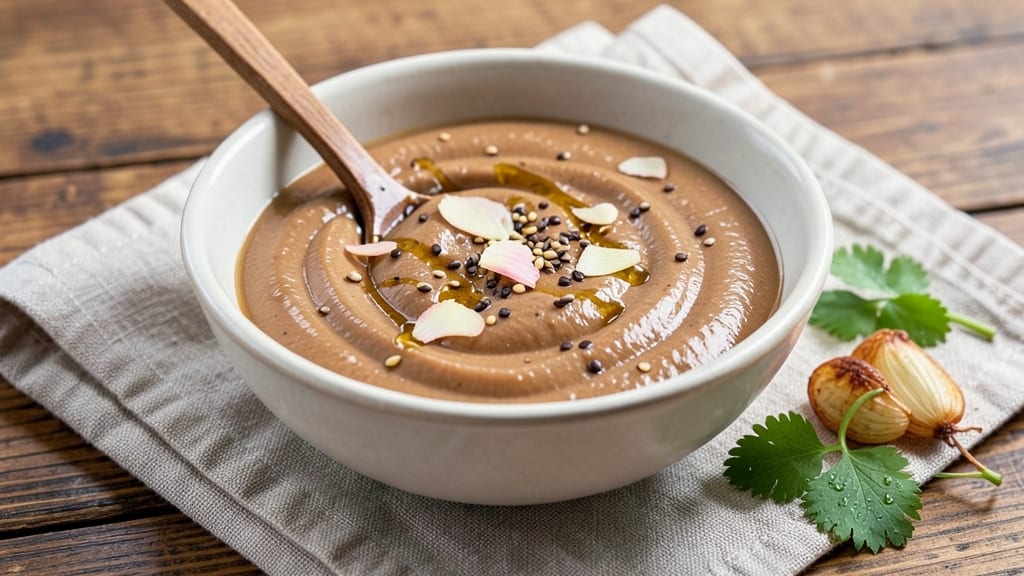
Creating a Trader Joe’s peanut sauce recipe at home delivers that signature nutty, creamy richness that clings perfectly to everything from noodles to grilled meats. The secret lies in balancing smooth peanut butter with tangy vinegar and a touch of sweetness, creating a sauce that’s both versatile and foolproof.
I’ve simplified the process while keeping the authentic flavor profile that makes this sauce so beloved.
This recipe requires just 7 simple ingredients and takes under 10 minutes to whip together, making it perfect for busy weeknights or meal prep. The key is achieving the right texture—thick enough to coat but still smooth enough to drizzle.
A splash of soy sauce adds depth, while a hint of garlic and ginger ensures it’s packed with flavor without being overpowering.
What you’ll end up with is a creamy, nutty sauce that’s rich enough to stand alone but adaptable enough to elevate any dish. It works as a dipping sauce for spring rolls, a marinade for tofu or chicken, or a stir-fry glaze that sticks to every bite.
The best part? It keeps well in the fridge for up to a week, so you can make a batch and use it all week long.
Whether you’re craving a quick weeknight dinner or prepping for a meal ahead, this peanut sauce is your go-to for adding that signature Trader Joe’s flavor. Let’s get started—your taste buds will thank you.
Ingredients for trader joe's peanut sauce
Seven pantry staples combine for that signature Trader Joe's peanut sauce everyone loves.
| Ingredient | Amount | Notes |
|---|---|---|
| Creamy Peanut Butter 🥜 | ½ cup | Natural, unsweetened preferred |
| Soy Sauce 🍶 | ¼ cup | Light or regular, not low-sodium |
| Rice Vinegar 🍶 | 2 tbsp | White or seasoned, for tang |
| Honey 🍯 | 2 tbsp | Wildflower or clover variety |
| Garlic Cloves 🧄 | 2 cloves | Fresh, minced fine |
| Fresh Ginger 🌿 | 1 tbsp | Grated, not powdered |
| Sesame Oil 🫒 | 1 tbsp | Toasted, for aroma |
Peanut butter is the star—Trader Joe's Organic Creamy Peanut Butter is my go-to, but any natural, unsweetened kind works. The soy sauce should be light or regular (low-sodium flattens the flavor). For ginger, grab the fresh root—Asian markets often have it pre-grated, but I prefer grating it myself for extra zing. The honey? Wildflower adds subtle floral notes that stand out. If you're in a rush, Trader Joe's sells pre-minced garlic in jars—convenient and flavorful.
No rice vinegar? Apple cider vinegar or lime juice works in a pinch, but the mild sweetness of rice vinegar is key. Short on honey? Maple syrup or agave at the same amount keeps it smooth. The sesame oil is non-negotiable for that nutty aroma—toasted sesame oil from the Asian aisle is best, but regular works if you toast it yourself (heat oil in a pan 1 minute, then cool). For a smoother sauce, whisk in 1 tsp water or coconut milk if it's too thick. Too thin? Simmer 2-3 minutes to reduce.
This sauce thickens as it sits, so store it in a small jar with a tight lid—it’ll last 1 week in the fridge. For longer storage, freeze in ice cube trays and transfer to a bag. Thaw overnight in the fridge, stirring to smooth out. The flavor actually improves after a day or two—let it sit 24 hours before using if possible. Double the batch; you’ll want leftovers.
Why You'll Love This Recipe
- Five-Ingredient Magic: I swear, this sauce comes together faster than I can say "peanut butter jar." Just stir those five things—no blender, no fancy tools, just a spoon and a bowl. Honestly, the hardest part is deciding what to dunk first.
- Sweet-Savory Balance: That honey and soy sauce combo? It’s the kind of harmony that makes you pause mid-bite. The garlic cloves add a little punch, but the peanut butter keeps it rich and satisfying—like a hug in sauce form.
- Lunchbox Hero: Between us, this is my go-to for meal prep. Drizzle it over rice bowls, toss with noodles, or slap it on a sandwich. It’s the kind of thing that turns a sad Tuesday lunch into something exciting. (Yes, even on a Tuesday night.)
- Pantry Staple Power: No last-minute grocery runs needed—you’re probably already using these ingredients. A little goes a long way, so it’s budget-friendly too. I’ve had this sauce last me a week, and it’s still delicious on day five.
Step-by-step instructions for Trader Joe's peanut sauce recipe
This creamy, nutty sauce comes together in minutes—smooth, balanced, and perfect for dipping, drizzling, or tossing.
Toast the Aromatics for Depth of Flavor
Heat a small skillet over medium-low heat and add the 1 tablespoon sesame oil. Once the oil is shimmering but not smoking, add the 2 minced garlic cloves and 1 tablespoon grated fresh ginger. Cook for 1-2 minutes until the garlic turns golden and the ginger releases its bright aroma—this prevents bitterness and builds the sauce's foundation.
Here's the thing—don't walk away. Garlic burns faster than you think, and you want it just fragrant, not crispy. The moment you smell that toasty aroma, it's time to move to the next step. Remove the skillet from heat and let the aromatics cool slightly for 30 seconds before scraping them into your sauce mixture.
Whisk Together the Wet Ingredients
In a medium bowl, combine the 0.5 cup creamy peanut butter, 0.25 cup soy sauce, 2 tablespoons rice vinegar, and 2 tablespoons honey. Using a whisk or fork, stir until completely smooth—you should see no streaks of peanut butter remaining. This ensures an even texture in your final sauce.
I like to press the peanut butter with the back of my spoon first to break up any clumps before adding the other ingredients. The sauce should be thick but pourable at this stage. If it seems too stiff, add 1 teaspoon of warm water to loosen it slightly. Taste the mixture now—it should be rich, tangy, and slightly sweet, with a salty kick from the soy sauce.
Blend Until Silky Smooth
Transfer the wet mixture to a blender or food processor. Add the cooled garlic-ginger mixture and pulse 3-4 times until fully combined. For an ultra-smooth texture, blend for 10-15 seconds—this step makes all the difference in achieving that restaurant-quality consistency. The sauce should look velvety and homogeneous with no visible chunks.
If the sauce is too thick for your liking, add 1-2 teaspoons of warm water at a time until it reaches a drizzling consistency. You want it to coat the back of a spoon but still flow easily. Taste again and adjust the seasoning if needed—add a touch more soy sauce for saltiness, honey for sweetness, or rice vinegar for tang.
Rest and Adjust for Perfect Balance
Let the sauce sit at room temperature for 5 minutes—this allows all the flavors to meld together. Give it a final taste and adjust as needed. For extra richness, stir in 1 teaspoon of sesame oil. For more depth, add a pinch of red pepper flakes or a splash of lime juice. The sauce should be creamy, nutty, slightly sweet, with a bright tang from the vinegar and a subtle garlic-ginger warmth.
This sauce keeps well in an airtight container in the refrigerator for up to 1 week, though it's best used within 3-4 days. Before serving, give it a quick whisk to restore its smooth texture. It's perfect for noodles, grilled meats, fresh veggies, or even as a dip for spring rolls. The possibilities are endless!
Pro Tips For Making Trader Joe'S Peanut Sauce
- Sauté Garlic Low: Trader Joe’s version uses raw garlic cloves, and I learned the hard way—don’t let them burn. Keep the heat at medium-low, and stir constantly until they’re just golden, not crispy. Overcooked garlic turns bitter, and that ruins the whole sauce.
- Whisk in Stages: Dumping all ingredients at once? You’ll end up with a lumpy mess. Start by mixing peanut butter and soy sauce first, then slowly add rice vinegar and honey while whisking. This ensures everything blends smoothly without clumping—trust me, your sauce will thank you.
- Skip the Oil: The recipe doesn’t need extra fat, and adding oil makes the sauce greasy. Just use the peanut butter’s natural richness—it’s enough to create that silky texture without weighing down the flavors.
- Taste Before Honey: I used to dump honey in blindly, but now I taste the base first. If it’s too flat, add a pinch of salt or a splash of vinegar before sweetening. This keeps the balance perfect—no cloying aftertaste, just bright, balanced flavor.
Best sauces and condiments for these flavors
Sweet & Tangy Balance
The honey and rice vinegar create the perfect sweet-tangy contrast that makes this sauce irresistible. I recommend using wildflower honey—it adds subtle floral notes that elevate the peanut flavor.
For extra tang, swap in apple cider vinegar or lime juice, but rice vinegar’s mild sweetness keeps the sauce from becoming too sharp. 🍯
If your sauce tastes too sweet, add ½ teaspoon more soy sauce to balance it. Too tangy? Stir in ½ teaspoon honey or a pinch of sugar. The goal is a harmonious blend where no single flavor overpowers—just like the original Trader Joe’s version.
Umami Boost with Soy Sauce
Don’t skimp on the soy sauce—it’s the secret to that deep, savory umami flavor. I use light or regular soy sauce (not low-sodium) for maximum impact. For a gluten-free version, substitute with tamari or coconut aminos, though the flavor will be slightly different.
A splash of fish sauce (just ½ teaspoon) can also add complexity if you’re feeling adventurous. 🍶
Pro tip: If your soy sauce is too salty, dilute it with 1 teaspoon warm water before adding to the mix. This helps control the seasoning without losing the umami punch that makes the sauce so addictive.
Nutty Depth with Peanut Butter
Natural, unsweetened peanut butter is non-negotiable—brands like Trader Joe’s Organic Creamy Peanut Butter or Smucker’s Natural work best. Avoid sweetened varieties, as they’ll make the sauce cloyingly sweet. For extra richness, stir in 1 teaspoon of tahini after blending—it adds a creamy, sesame-infused depth that’s hard to resist. 🥜
If your peanut butter is too thick, microwave it for 10-15 seconds to loosen it before blending. This ensures a smoother sauce without adding extra liquid. For a spicier kick, mix in ½ teaspoon of sriracha or 1 teaspoon of gochujang after blending.
Sesame Oil for Aroma
Toasted sesame oil is what gives this sauce its signature nutty aroma. I grab mine from the Asian aisle—brands like Kadoya or La Choy are reliable. If you only have regular sesame oil, toast it yourself by heating 1 tablespoon in a pan for 1 minute until fragrant, then letting it cool. Never cook with it directly—just stir it in at the end for maximum flavor. 🫒
For a lighter version, reduce the sesame oil to ½ teaspoon and add ½ teaspoon of white miso paste for umami without overpowering the peanut flavor. The key is balance—just enough to enhance, not dominate.
Texture Control Tricks
This sauce should be thick enough to coat a spoon but thin enough to drizzle. If it’s too thick after blending, thin it with warm water (start with 1 teaspoon) until it reaches the right consistency.
If it’s too thin, simmer it in a small saucepan over low heat for 2-3 minutes, stirring constantly, to reduce the liquid. 💡
For a smoother texture, blend in 1 teaspoon of coconut milk or warm water after blending. If you prefer a chunkier texture, reserve 1 teaspoon of peanut butter and whisk it in at the end for a rustic finish.
Nutrition facts
Frequently asked questions
Can I make this peanut sauce with powdered peanut butter?
Not recommended! Powdered peanut butter lacks the creamy richness that makes this sauce so special. It also contains anti-caking agents that can alter the texture. Stick with natural, creamy peanut butter for that authentic Trader Joe's flavor. If you're short on time, microwave your regular peanut butter for 10-15 seconds to soften it before blending.
How do I adjust this recipe for a spicier peanut sauce?
Add ½ teaspoon of sriracha or 1 teaspoon of gochujang after blending for a subtle kick. For extra heat, stir in ½ teaspoon of red pepper flakes or a dash of cayenne. Start with small amounts—you can always add more, but you can't take it out! The sauce will still maintain its creamy texture while gaining a fiery depth.
Can I use this peanut sauce as a marinade?
This sauce works wonderfully as a marinade for chicken, tofu, or shrimp. For best results, marinate proteins for 30 minutes to 2 hours in the fridge. The sauce's sweetness helps caramelize the surface while the soy sauce and garlic add depth. For extra tenderness, add 1 tablespoon of olive oil to the marinade before applying.
Why did my peanut sauce separate?
Separation usually happens when oil from the peanut butter rises to the top. To fix it, whisk vigorously or blend briefly to recombine. For prevention, use room-temperature peanut butter and blend thoroughly. If the sauce is too thick, thin it with 1 teaspoon of warm water before blending again. Store-bought versions often contain stabilizers—this homemade version may separate slightly but tastes even better!
What's the best way to store leftover peanut sauce?
Transfer to an airtight container and refrigerate for up to 1 week. For longer storage, freeze in ice cube trays or small portions. Thaw overnight in the fridge and whisk to restore smoothness. The flavor actually improves after 24 hours as the ingredients meld together! Pro tip: Add a thin layer of water to the container before sealing to prevent a skin from forming.