
Sauces & Condiments
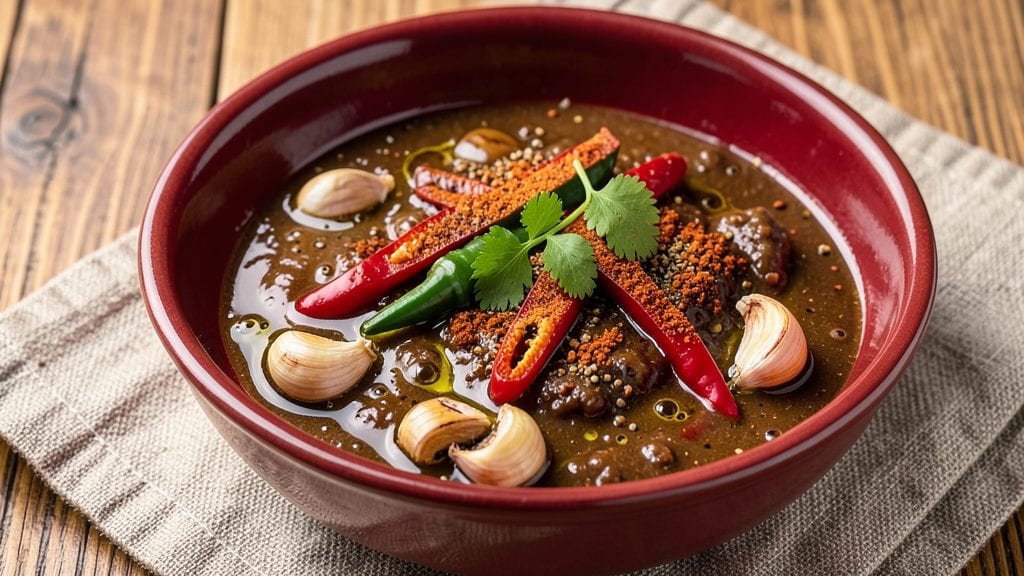
This serrano sauce recipe transforms simple pantry staples into a smoky, fiery condiment that elevates everything from tacos to grilled meats. The secret lies in balancing serrano peppers' heat with smoky chipotle powder and a touch of acidity—creating a sauce that's bold yet versatile.
I developed this after years of experimenting with Mexican street food flavors, and it never fails to deliver that perfect blend of spice and depth.
The beauty of this recipe is its flexibility—you can make it mild or fiery depending on how many serranos you use. A splash of apple cider vinegar brightens the flavors, while garlic and cumin add layers of warmth.
It takes just 15 minutes to prepare, and the ingredients are likely already in your kitchen. The result is a smooth, slightly thick sauce with a lingering smokiness that clings to every bite.
What makes this sauce truly special is its ability to transform ordinary dishes into something extraordinary. Drizzle it over grilled shrimp or chicken, use it as a marinade, or serve it as a dip with tortilla chips.
The heat builds gradually, making it perfect for those who love spice but want to control the intensity. With proper storage, it keeps for up to 2 weeks in the fridge, so you can make a big batch and enjoy it all week.
For an extra depth of flavor, let the sauce sit overnight before using—this allows the spices to meld and intensify. If you're feeling adventurous, add a pinch of cinnamon or cloves for a warm, complex twist.
This isn’t just a sauce; it’s a flavor enhancer that turns simple meals into memorable ones. Let’s get started!
Ingredients for serrano sauce
Pantry staples plus a few fiery friends—this sauce packs smoky chipotle heat with just nine ingredients.
| Ingredient | Amount | Notes |
|---|---|---|
| Fresh Serrano Peppers 🌶️ | 4 whole | Seeds removed for mild heat |
| Smoked Chipotle Powder 🔥 | 1 tbsp | Or 2 chipotle peppers in adobo |
| Apple Cider Vinegar 🍎 | ½ cup | Brightens the smoky flavors |
| Garlic Cloves 🧄 | 4 cloves | Roughly chopped for depth |
| Ground Cumin 🌿 | 1 tsp | Toasted for extra warmth |
| Extra-Virgin Olive Oil 🫒 | ¼ cup | High quality for richness |
| Granulated Sugar 🍬 | 1 tbsp | Balances heat slightly |
| Salt 🧂 | ½ tsp | Kosher or sea salt |
| Fresh Lime Juice 🍋 | 2 tbsp | Freshly squeezed for brightness |
The serrano peppers are the star, so pick them fresh if possible—they’ve got that bright green color and crisp texture that screams flavor. Mexican grocery stores often have them in bulk, but regular grocery stores sometimes carry them near the jalapeños. If you can't find serranos, jalapeños work in a pinch, but you'll need to adjust the heat by removing more seeds. The smoked chipotle powder is what gives this sauce that signature smoky depth—Penzeys or Mexican markets usually have the best quality. For the vinegar, apple cider vinegar adds a nice tang, but regular white vinegar works if that's what you've got.
No chipotle powder? Two chipotle peppers in adobo sauce will do the trick—just blend them with the other ingredients. Want to cut the heat? Reduce the serrano peppers to 2 whole or add a splash more vinegar. The garlic can be minced or roughly chopped—don't overdo it, or it'll overpower the sauce. If you're missing the cumin, half a teaspoon of coriander adds a similar warmth. The sugar balances the heat, so if you're avoiding it, a pinch of cinnamon works too. For the lime juice, fresh is best—bottled won't give the same zing.
This sauce keeps beautifully in the fridge for up to 2 weeks—just store it in an airtight container. The flavors actually get better after a day or two as everything melds together. If you want to make a big batch, double the recipe and freeze half in ice cube trays for single-serving portions. It reheats perfectly, so you can drizzle it over tacos, chicken, or even eggs straight from the fridge. No need to thin it out—it's the perfect consistency right after blending.
Why You'll Love This Recipe
- No-Fuss Blend: I swear by this sauce because it’s actually just a pulse-and-strain. Toss those serranos and garlic in the food processor with vinegar, a pinch of cumin, and smoked chipotle—boom, done. No peeling, no seeding, no waiting for hours.
- Heat You’ll Crave: That smoky chipotle and fresh serrano combo? It’s the kind of heat that lingers without burning your mouth out. The apple cider vinegar cuts through it just enough to make every bite dangerously addictive—like a hug for your taste buds.
- Pantry-to-Table Magic: Honestly, I keep this in the fridge for everything. Drizzle it on grilled chicken, toss it with roasted veggies, or even mix it into scrambled eggs. It’s my go-to for turning simple meals into something that feels fancy—no extra effort, just flavor.
- Stays Fresh, Costs Less: A single batch lasts me weeks—I freeze half in ice cube trays for later. And the ingredients? You’re not breaking the bank for a jar of store-bought sauce. Fresh serranos add brightness, but even dried ones work in a pinch. Smart, simple, and saves me money.
Step-by-step instructions for smoky chipotle serrano sauce
This vibrant sauce comes together in minutes with bold flavors that balance heat and brightness perfectly.
Prepare the Peppers and Aromatics
Start by removing the seeds from all 4 whole fresh serrano peppers—this controls the heat while keeping the sauce flavorful. Cut them into thin strips about ¼-inch wide. In a medium saucepan, combine the serrano strips with the 4 cloves roughly chopped garlic cloves. Let them sit for 5 minutes while you gather the remaining ingredients—this jumpstarts the flavor infusion.
I like to use a heavy-bottomed saucepan here because it distributes heat evenly and prevents burning. The peppers should soften slightly during this waiting time, releasing their natural oils that will carry the smoky flavors throughout the sauce.
Toast the Spices and Build the Base
Add the 1 teaspoon ground cumin and 0.5 teaspoon salt to the saucepan. Stir constantly over medium heat for 1 minute until you can smell the warm, earthy aroma of the cumin. This step develops the cumin's flavor profile—don't skip it, as it makes all the difference in the final sauce.
Next, pour in the 0.5 cup apple cider vinegar. The vinegar will immediately react with the spices, creating a bright, tangy foundation. Let the mixture simmer gently for 3 minutes until the vinegar reduces slightly and the peppers begin to soften. You'll notice the sauce turning a deeper, more vibrant color as the flavors meld.
Infuse with Smoky Depth
Add the 1 tablespoon smoked chipotle powder and stir vigorously to dissolve completely. The sauce should darken noticeably and develop a rich, smoky aroma. Let it simmer for another 2 minutes, stirring frequently to prevent the spices from settling at the bottom and burning.
Here's where the magic happens: the chipotle powder releases its deep, smoky heat while the vinegar keeps the flavors bright. If you notice any oil separating from the sauce, gently stir it back in—this ensures every spoonful gets that perfect balance of heat and richness.
Finish with Sweetness and Brightness
Reduce the heat to low and stir in the 1 tablespoon granulated sugar and 0.25 cup extra-virgin olive oil. The sugar will help balance the heat slightly while caramelizing just enough to round out the flavors. Let the sauce simmer for 5 minutes, stirring occasionally, until it thickens to a consistency that coats the back of a spoon.
Finally, remove the pan from heat and stir in the 2 tablespoons fresh lime juice. The acidity brightens the entire sauce, cutting through the richness and making the flavors pop. Taste and adjust the seasoning—you might want to add a pinch more salt or a splash of vinegar to achieve your preferred balance of heat and tang.
Rest and Serve
Let the sauce rest for 10 minutes before serving. This allows all the flavors to fully meld and the heat to distribute evenly. The sauce will thicken slightly as it cools, so if you prefer it thinner, simply stir in 1 tablespoon of water or apple cider vinegar.
Serve immediately over grilled meats, tacos, or with crispy tortilla chips for dipping. The sauce keeps well in the refrigerator for up to 1 week, though I find it's best enjoyed fresh when the flavors are at their peak. Store it in an airtight container, and give it a good stir before using to redistribute any separated oil.
Pro Tips For Making Serrano Sauce
- REMOVE SEEDS FROM SERRANAS: I learned this the hard way—roasting whole serrano peppers with seeds in can turn your sauce bitter. Strip out the membranes and seeds first, then roast them. Trust me, your sauce will thank you later.
- TOAST CHIPOTLE POWDER: Smoked chipotle powder loses its depth if you just stir it in. Warm it in a dry pan for 30 seconds until fragrant—this releases the smoke and makes the flavor pop. (Yes, even if you're impatient like me.)
- SIMMER GARLIC LOW: Garlic burns faster than you think, especially with vinegar in the mix. Keep the heat at a gentle simmer once the garlic hits the pan—charred garlic ruins the balance of this sauce. Watch it like a hawk.
- STRAIN OUT SKINS: Roasted serrano skins are tough and can make your sauce grainy. After blending, strain through a fine-mesh sieve to get that silky texture. Does it look weird? Yes. Does it work? Every single time.
Storing and reheating this recipe
Fridge Storage Basics
Store your serrano sauce in a clean, airtight glass container—I use 8-ounce mason jars for single servings or a 16-ounce jar for batch prep. The sauce thickens slightly when refrigerated, so leave ½-inch headspace to prevent spills.
Keep it in the fridge at 40°F or below for up to 2 weeks, though I find it peaks in flavor after 3-4 days when the spices fully meld. 🌶️
Freezing for Long-Term
For extended storage, freeze the sauce in ice cube trays—this lets you thaw just what you need. Once frozen, transfer cubes to a freezer-safe bag with all air removed to prevent freezer burn.
Label with the date and use within 3 months. Thaw overnight in the fridge before using—never microwave, as it destroys the delicate heat balance. ❄️
Reheating Methods
Gently reheat sauce on the stovetop over low heat for 2-3 minutes, stirring constantly to prevent scorching. Avoid high heat, which can make the peppers bitter. If the sauce thickens too much, add 1 teaspoon water or vinegar per ¼ cup sauce to restore consistency.
For microwave reheating, use 30-second intervals on 50% power, stirring between each. 🔥
Reviving Separated Oil
If oil separates during storage, simply stir vigorously or gently heat the sauce to 110°F—this redistributes the oil without cooking the peppers. For extra insurance, add ½ teaspoon xanthan gum per cup before storing; it stabilizes the emulsion without altering flavor.
This trick keeps the sauce smooth for weeks in the fridge. 💡
Portion Control Tips
Use 1 tablespoon per serving for dipping or drizzling, or 2 tablespoons per pound of meat as a marinade. For tacos, 1-2 teaspoons per tortilla delivers perfect heat without overwhelming. I keep small portions in shot glasses on my fridge shelf for quick access—just grab and go! 🍽️
Flavor Boost After Storage
If the sauce tastes flat after refrigeration, add a pinch of smoked paprika or ½ teaspoon fresh lime juice to revive the smoky brightness. A splash of apple cider vinegar also cuts through any dullness. The sauce's heat actually intensifies slightly after storage, so adjust spice levels accordingly. ✨
Nutrition facts
Frequently asked questions
Can I substitute jalapeños for serrano peppers in this recipe?
Yes, but you'll need to adjust the heat level. Use 2-3 jalapeños instead of 4 serranos and remove all seeds and membranes to keep it mild. Jalapeños have thicker walls, so they won't release as much heat. For extra smokiness, add an extra ½ teaspoon of chipotle powder to compensate for the milder pepper.
How can I make this sauce thicker or thinner?
For a thicker sauce, simmer uncovered for an extra 5 minutes to reduce. To thin it out, stir in 1 teaspoon of apple cider vinegar or water at a time until you reach your desired consistency. If the sauce separates after refrigeration, gently reheat it to 110°F to redistribute the oil naturally.
What dishes pair best with this smoky serrano sauce?
This versatile sauce elevates grilled meats like chicken or shrimp, works as a marinade for fish tacos, and adds heat to roasted vegetables. Try it as a dip with tortilla chips or drizzle over avocado slices. For extra depth, use it as a base for scrambled eggs or as a finishing sauce for enchiladas.
Why does my sauce taste bitter after storing?
Bitterness often happens when peppers overcook or when oil separates and oxidizes. Prevent this by storing the sauce in an airtight container and avoiding high heat when reheating. If it happens, balance the flavor by adding ½ teaspoon of lime juice or a pinch of sugar. For future batches, reduce simmering time slightly to 3 minutes instead of 5.
Can I make this sauce without vinegar?
Yes, but the sauce will lack brightness. Replace the vinegar with ½ cup of fresh lime juice or lemon juice for acidity. If you prefer no acid at all, use ¼ cup of water and add ½ teaspoon of sugar to balance the flavors. The sauce will still be delicious but may taste slightly flatter.