Breakfast & Brunch
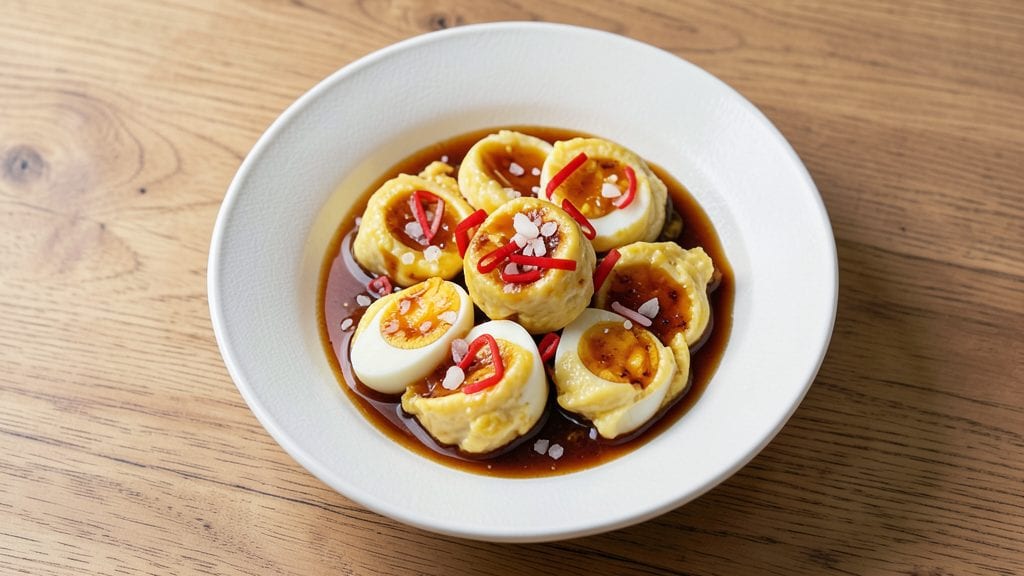
This soy sauce scrambled eggs recipe transforms a basic breakfast into a restaurant-worthy dish with just five ingredients and 10 minutes of active time.
The secret lies in balancing the umami depth of soy sauce with perfectly tender eggs—no overcooking, no rubbery texture, just silky, flavorful bites that cling together just enough to hold their shape.
I first discovered this technique during a late-night snack craving, and it quickly became a weekday staple for its ability to deliver bold flavor without effort.
The magic happens in the timing: soy sauce is added at the very end, when the eggs are just set but still creamy, ensuring it enhances rather than overwhelms the natural egg flavor.
A touch of neutral oil prevents sticking, while a splash of water creates those signature soft, custardy curds. This method works equally well with fresh or room-temperature eggs, making it adaptable to any kitchen routine.
What you’ll end up with is a plate of eggs that’s rich, savory, and impossibly satisfying—each bite delivers a perfect harmony of umami and eggy richness. The soy sauce doesn’t just season; it transforms the dish into something that feels special, yet still requires minimal effort.
Serve it alongside steamed rice for a complete meal, or pair with buttered toast for a quick, protein-packed breakfast that feels like a treat.
For those who want to elevate it further, a sprinkle of scallions adds freshness, a drizzle of sesame oil introduces nuttiness, or a pinch of chili flakes brings subtle heat.
The beauty of this recipe lies in its flexibility—it’s a blank canvas for customization while still delivering exceptional results with just the basics. Let’s get cooking.
Ingredients for scrambled eggs soy sauce
Six simple ingredients transform basic eggs into restaurant-style umami perfection.
| Ingredient | Amount | Notes |
|---|---|---|
| Large Eggs 🥚 | 6 whole | Room temperature preferred |
| Light Soy Sauce 🍶 | 1 ½ tbsp | Kikkoman or similar preferred |
| Neutral Oil 🫒 | 1 tbsp | Avocado or vegetable oil |
| Water 💧 | 2 tbsp | Room temperature |
| Salt 🧂 | ¼ tsp | Fine sea salt preferred |
| Scallions 🧅 | 2 whole | Thinly sliced for garnish |
| Sesame Oil 🫒 | ½ tsp | Optional for finishing |
| Chili Flakes 🌶️ | ¼ tsp | Optional for heat |
The eggs are the foundation, so room-temperature eggs are ideal—they scramble faster and more evenly. Kikkoman soy sauce is my go-to for its balanced saltiness, but any light soy will work. For the oil, neutral oils like avocado or vegetable prevent any unwanted flavors from competing with the soy. If you're using fresh eggs straight from the fridge, let them sit out for 10-15 minutes before cooking. Pro tip: Crack eggs into a separate bowl first to avoid shell bits in your dish.
No light soy sauce? Dark soy sauce at half the amount works in a pinch, though it’ll be darker in color. Swap sesame oil for a drizzle of toasted sesame seeds if you prefer texture over flavor. The water is key—it creates those signature soft curds, so don’t skip it. For extra umami, add 1/4 tsp fish sauce to the soy mixture. If you’re short on scallions, green onions or chives work just as well. The chili flakes are completely optional but add a nice kick if you like heat.
This dish reheats beautifully—just add a splash of water and stir gently over low heat. Store leftovers in an airtight container in the fridge for up to 3 days. For meal prep, cook a double batch and portion into small containers—perfect for grab-and-go breakfasts. The soy sauce flavor actually improves slightly the next day as the eggs absorb it. Freeze for up to 1 month if you’re planning ahead, though texture may change slightly upon thawing.
Why You'll Love This Recipe
- Here’s what sold me: it’s breakfast, lunch, or a midnight craving, all in one. Serve it with toast for a quick morning meal, or let it cool and pack it in bento boxes for work. My college-aged son eats it cold straight from the fridge—no judgment here.
- Five-Ingredient Magic: I swear by this recipe when I’m too tired to think. Just eggs, soy sauce, oil, water, and salt—no fancy gadgets, no last-minute grocery runs. The soy sauce does all the heavy lifting, turning something basic into something ridiculously good with almost no effort.
- Umami Bomb: That first splash of light soy sauce? It’s like a flavor upgrade I didn’t know I needed. The eggs stay tender but develop this deep, savory richness—no cheese, no bacon, just pure, salty-sweet satisfaction. Honestly, I’ll take this over buttery scrambled eggs any day.
- Breakfast or Snack: Here’s what sold me: it’s breakfast, lunch, or a midnight craving, all in one. Serve it with toast for a quick morning meal, or let it cool and pack it in bento boxes for work. My college-aged son eats it cold straight from the fridge—no judgment here.
Step-by-step instructions for scrambled eggs with soy sauce
This method delivers silky, umami-rich scrambled eggs in minutes—crisp edges, creamy centers, and perfect seasoning every time.
Whisk Eggs and Seasoning
Crack the 6 whole large eggs into a medium bowl and add the 2 tablespoons water, 1.5 tablespoons light soy sauce, and ¼ teaspoon salt. Using a fork or whisk, beat vigorously for 30 seconds until the yolks and whites are fully combined and the mixture is uniform in color. This step ensures even cooking and prevents dry, rubbery eggs.
Here's the thing—room-temperature eggs scramble more evenly, but if yours are straight from the fridge, give them 5 minutes to sit at room temperature before whisking. The key is to incorporate air while keeping the mixture smooth. If you see any streaks of white, keep whisking until fully integrated. This preparation creates the ideal texture foundation for our soy-infused scramble.
Cook on Low Heat with Neutral Oil
Heat a 10-inch nonstick skillet over low heat until just warm to the touch. Add 1 tablespoon neutral oil and swirl to coat the entire surface. Pour in the egg mixture and let it sit undisturbed for 10 seconds—this allows the bottom to set slightly before gently pushing the softened eggs toward the edges with a spatula. The goal is to create small, soft curds rather than large, dry clumps.
Watch the heat carefully—it should be low enough that the eggs cook slowly and evenly. You'll know it's right when you see the edges begin to set while the centers remain slightly runny. If the pan gets too hot, the eggs will cook too quickly and become tough. Resist the urge to stir constantly; letting them work undisturbed for short periods creates that signature silky texture we're after.
Fold and Finish with Scallions
Once the eggs begin to set at the edges after about 1 minute, use the spatula to gently fold the eggs from the edges toward the center. Continue folding and pushing the eggs until they reach soft peaks—this should take about 2-3 minutes total. The eggs should be creamy but still slightly moist, with no visible liquid remaining. Remove the skillet from heat just before they reach your desired doneness; they'll continue cooking slightly from residual heat.
While the eggs rest off heat, thinly slice the 2 whole scallions and sprinkle them evenly over the top. The freshness of the scallions cuts through the richness of the soy sauce, adding brightness and texture. If using, drizzle with ½ teaspoon sesame oil and sprinkle ¼ teaspoon chili flakes for added depth of flavor. Serve immediately for the best texture.
Plate and Serve with Precision
Using a spatula, transfer the scrambled eggs to serving plates, dividing them evenly into 4 portions. The eggs should be thick enough to hold their shape on the plate but still creamy. If they appear too wet, return them to the skillet for 10-15 seconds over very low heat to set slightly more. The soy sauce should be evenly distributed throughout, giving each bite that signature umami punch without overpowering the natural egg flavor.
For an elevated presentation, garnish with an extra sprinkle of scallions and a pinch of chili flakes. Serve immediately with toasted bread, steamed rice, or fresh greens. The contrast of temperatures—warm eggs with cool greens—enhances the overall dining experience. These eggs should be tender, flavorful, and perfectly balanced in texture, with no dry or rubbery bits.
Pro Tips For Making Scrambled Eggs Soy Sauce
- Whisk Eggs First: Crack eggs into a bowl, add a splash of water (about 1 tablespoon per egg), then whisk vigorously until the mixture is completely uniform and slightly frothy. This ensures even cooking and prevents those stubborn, undercooked streaks—especially important when soy sauce is involved, since it can make uneven texture more noticeable.
- Salt Before Soy Sauce: Season the eggs with salt before adding soy sauce—about ¼ teaspoon per egg. Soy sauce is salty enough, and if you add it first, you’ll end up guessing whether to add extra salt or not. Trust me, your taste buds will notice the difference.
- Low and Slow Finish: Start with medium-high heat to get the eggs moving, but once they’re mostly set, drop the heat to low and let them cook undisturbed for 30 seconds. This is where the magic happens: the eggs firm up gently, soaking up the soy sauce without turning rubbery. I learned this the hard way after overcooking a batch and ending up with dry, sad eggs.
- Use Light Soy Sauce Only: Skip the dark soy sauce here—it’s too intense and will overpower the dish. Light soy sauce adds just enough umami without turning your scrambled eggs into a flavor bomb. If you’re worried about color, a tiny pinch of turmeric (⅛ teaspoon) will give them that golden hue without the extra salt or bitterness.
Troubleshooting this recipe
Overcooked Eggs
If your eggs turn out dry and rubbery, you likely cooked them too long or on too high heat. The key is to remove them from heat just before they reach your desired doneness—they'll continue cooking slightly from residual heat.
For perfect texture, aim for soft peaks that still feel slightly moist. If they're already overcooked, try reviving them by adding 1 tablespoon water per 2 eggs and gently reheating over low heat for 1-2 minutes. 🔥
Soy Sauce Overpowering
The soy sauce should enhance, not dominate, the egg flavor. If it tastes too salty or strong, reduce the amount to 1 tablespoon for the next batch. For a more balanced umami flavor, add ½ teaspoon fish sauce to the soy mixture—it deepens the savory notes without the saltiness.
If you've already added too much, dilute with 1 extra tablespoon water and adjust seasoning with a pinch of sugar or honey.
Eggs Sticking to Pan
Sticking happens when the pan isn't hot enough or the oil isn't properly distributed. Always use a neutral oil like avocado or vegetable oil and ensure your pan is heated to low-medium heat before adding eggs. If using a nonstick pan, make sure it's in good condition—scratches can cause sticking.
For extra insurance, add a splash of water to the pan before pouring in the eggs, then tilt to coat the bottom evenly.
Uneven Cooking
Uneven cooking usually means your heat isn't consistent or you're stirring too much. Maintain a steady low heat and let the eggs cook undisturbed for 10-15 seconds at a time before gently folding.
If you notice some parts cooking faster, reduce the heat slightly. For even more control, use a 10-inch skillet—it provides enough surface area to cook the eggs evenly without overcrowding.
Soy Sauce Not Distributing
If the soy sauce pools at the bottom instead of blending evenly, you likely added it too early. Soy sauce should be incorporated into the egg mixture before cooking, not poured in afterward. Whisk it thoroughly with the eggs and water before heating.
For extra integration, add the soy sauce to the pan first, let it heat for 10 seconds, then pour in the eggs—this helps distribute the flavor more evenly throughout.
Eggs Too Runny
Runny eggs usually mean the heat was too low or the eggs weren't cooked long enough. Increase the heat to medium-low and let the eggs cook for an extra 30 seconds before removing from heat.
If they're still too wet, transfer them to a clean, dry skillet and cook for 10-15 seconds over low heat to set them slightly more. For next time, use slightly older eggs—they scramble more firmly than fresh ones.
Nutrition facts
Frequently asked questions
Can I make this soy sauce scrambled eggs recipe with fewer ingredients?
The core ingredients—eggs, soy sauce, oil, water, and salt—are essential for that signature umami texture. However, you can skip the optional scallions, sesame oil, or chili flakes without sacrificing flavor. For a minimalist version, use just 1 tablespoon soy sauce and 1 tablespoon water per 2 eggs to keep the balance simple. The key is keeping the heat low and folding gently to maintain creaminess.
Why does my soy sauce scrambled eggs turn out dry or rubbery?
Overcooking or high heat causes dry eggs. The secret is removing them from heat just before they reach your desired doneness—they’ll finish cooking from residual heat. For soft peaks, cook for about 2-3 minutes total on low heat. If they’re already dry, revive them by adding 1 tablespoon water per 2 eggs and reheating gently for 1 minute.
Can I use dark soy sauce instead of light soy sauce?
Yes, but reduce the amount to 1 tablespoon (half the original recipe) to avoid overpowering the eggs. Dark soy sauce has a stronger, slightly sweeter flavor and will make the eggs darker in color. For balance, add ½ teaspoon fish sauce to deepen the umami without extra saltiness. If using dark soy, whisk it in thoroughly before cooking for even distribution.
What’s the best way to reheat leftover soy sauce scrambled eggs?
Reheat gently in a clean skillet over low heat with a splash of water (about 1 tablespoon per 2 eggs) to restore moisture. Stir constantly to prevent sticking and remove from heat just before they reach your desired temperature. Microwaving works too—cover with a damp paper towel and heat in 20-second intervals until warmed through. Avoid high heat, or the eggs may dry out again.
How can I make these eggs spicier or sweeter?
For heat, add ¼ teaspoon chili flakes or a pinch of red pepper flakes while cooking, or finish with a drizzle of sriracha. For sweetness, stir in ½ teaspoon honey or a pinch of sugar with the soy sauce before whisking. You can also top with crispy fried shallots or a sprinkle of toasted sesame seeds for extra depth. Balance is key—start with small amounts and adjust to taste.