
Sauces & Condiments
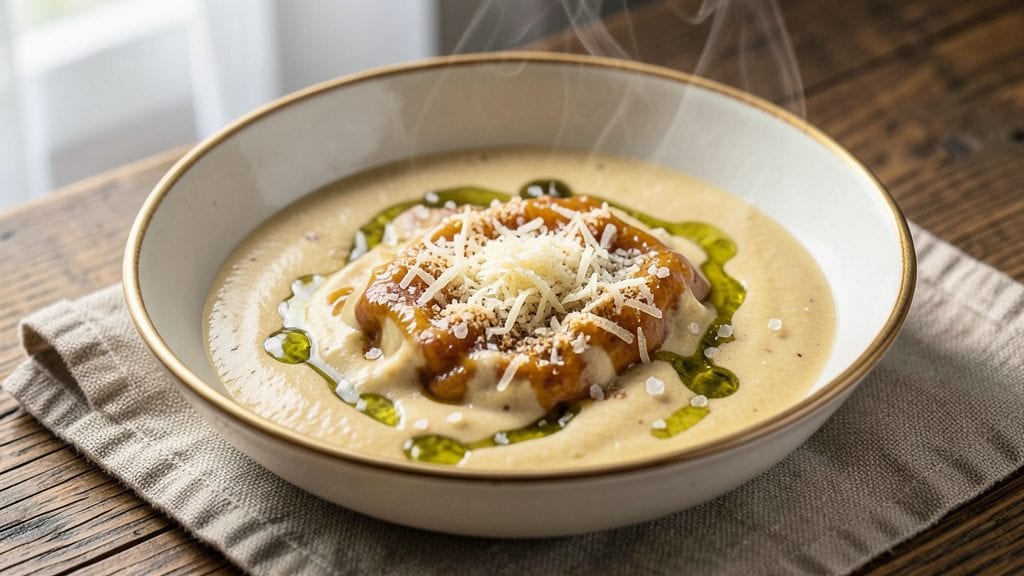
Creating a parm sauce recipe that’s truly velvety and ultra-smooth requires precision, but the results are worth every minute. This emulsion transforms simple ingredients—cream, butter, and sharp Parmesan—into a rich, luxurious sauce that elevates pasta, dips, and more.
I’ve refined this method over years to ensure it’s foolproof, with no lumps or graininess in sight.
The secret lies in low-and-slow heat and proper technique: melting butter, whisking in cream, then gradually adding grated Parmesan while keeping the mixture moving. This creates a silky, restaurant-quality sauce that clings beautifully to noodles or melts over grilled meats. The texture is so smooth, you’ll forget it’s homemade.
What sets this recipe apart is its versatility—use it as a pasta sauce, a dip for breadsticks, or a topping for steak. The flavor is deeply savory, with a subtle nuttiness from the Parmesan, and the method ensures it’s ready in just 10 minutes.
No special equipment needed, just patience and a whisk.
For extra depth, consider adding a splash of white wine or minced garlic during the process. The sauce keeps well in the fridge for up to a week, making it perfect for meal prep.
Let’s get started on this ultra-smooth parm sauce that will change how you enjoy Italian flavors at home.
Ingredients for parm sauce
Simple ingredients, restaurant-quality results. Cream, butter, and Parmesan transform into velvety perfection.
| Ingredient | Amount | Notes |
|---|---|---|
| Heavy Cream 🥛 | 1 cup | Full-fat for creaminess |
| Unsalted Butter 🧈 | ½ cup | Cold, cubed for slow melt |
| Parmesan Cheese 🧀 | 1 ½ cups | Freshly grated from block |
| Extra-Virgin Olive Oil 🫒 | ¼ cup | For smooth finish |
| Garlic Cloves 🧄 | 2 cloves | Minced, optional for depth |
| Salt 🧂 | ½ tsp | Kosher or sea salt |
| Black Pepper 🌶️ | ¼ tsp | Freshly ground preferred |
| White Wine 🍷 | ¼ cup | Dry variety, optional |
| Lemon Juice 🍋 | 1 tbsp | Freshly squeezed |
The Parmesan is non-negotiable—freshly grated from a wedge is the only way to achieve that ultra-smooth texture. Look for Parmigiano-Reggiano at specialty stores or your local Italian market; pre-grated cheese contains anti-caking agents that ruin the emulsion. For the cream, full-fat is essential—anything less will create separation. The butter should be cold and cubed; melting it too quickly causes lumps. If you're using garlic, mince it finely—it should almost disappear into the sauce. For the best olive oil, grab a high-quality extra-virgin with fruity notes; it adds subtle depth without overpowering.
No white wine? Substitute with extra chicken broth—it adds savoriness without altering the texture. Short on Parmesan? Pecorino Romano works in a pinch, but use half the amount since it's saltier. The lemon juice can be swapped for white wine vinegar, but fresh lemon brightens the sauce more. For a dairy-free option, replace the cream with full-fat coconut milk (though the texture will be slightly lighter). If you're making this ahead, omit the lemon juice until serving—it curdles when stored. The olive oil can be reduced to 1 tablespoon if you prefer a richer, less oily finish.
This sauce peaks when served immediately, but it reheats beautifully—gentle heat only, never boiling. Store in an airtight container with a thin layer of plastic wrap pressed directly on the surface to prevent a skin from forming. Keeps for 5-7 days in the fridge and freezes for 3 months. For meal prep, portion into small containers—it reheats best in 10-second bursts in the microwave. The sauce thickens as it cools, so thin with a splash of warm milk or broth if needed. Always taste before serving—adjust salt and pepper to preference.
Why You'll Love This Recipe
- Five-Ingredient Magic: I swear by this—just cream, butter, Parmesan, olive oil, and garlic. That’s it. No fancy prep, no hidden steps, and honestly? It’s the kind of sauce that makes me feel like I’ve actually cooked something when I really just stirred a pot.
- Umami Bomb: The moment that rich Parmesan melts into the warm cream? Chef’s kiss. The garlic adds this bright, punchy depth, and the olive oil ties it all together with a silky finish. It’s creamy but not heavy, salty but not overpowering—just ridiculously good on its own.
- Weeknight Swiss Army Knife: This sauce is my go-to for pasta, roasted veggies, or even as a dip. I’ve drizzled it over garlic bread when I’m lazy, spooned it onto grilled chicken when I’m feeling fancy, and even used it to jazz up a simple omelet. It’s the kind of thing that turns “meh” into “wow” without trying too hard.
- Leftovers That Don’t Let You Down: Here’s what sold me—this sauce reheats like a dream. Store it in the fridge for up to five days, and when you microwave it, it’s still velvety smooth. I’ll be real: I’ve had it cold the next day on salads, and it’s still better than most store-bought dressings. Budget-friendly? Absolutely. Waste-free? Even better.
Step-by-step instructions for ultra-smooth Parmesan sauce
This method delivers restaurant-quality parm sauce with a velvety emulsion every time—no lumps, no curdling.
Melt Butter and Infuse with Garlic
In a medium saucepan, combine the 0.5 cup unsalted butter and 2 cloves minced garlic cloves over medium heat. Melt the butter slowly, stirring occasionally, until it foams but doesn't brown—this should take about 3 minutes. The garlic should release its aroma but not color. Remove from heat immediately to prevent burning, then let it sit for 1 minute to allow the garlic flavor to fully infuse.
Here's the thing—if you let the garlic brown, it will add bitterness that overpowers the delicate cheese flavor. I like to strain the butter through a fine-mesh sieve at this point to remove any garlic pieces, but it's optional if you prefer a more rustic texture. The butter should now be smooth and fragrant with garlic notes.
Create the Cheese Emulsion Base
Return the pan to medium-low heat and gradually whisk in the 1.5 cups freshly grated parmesan cheese. Start with small spoonfuls, whisking constantly to prevent clumping. The cheese should melt smoothly into the butter, creating a thick, paste-like consistency. This process takes about 2-3 minutes—patience is key here.
If you notice any lumps forming, immediately add 1-2 tablespoons of the 1 cup heavy cream to break them up. The goal is to create a smooth, homogeneous mixture before adding the cream. The sauce should now have a rich, nutty aroma from the parmesan and a velvety texture.
Incorporate Cream and Wine for Depth
Still over medium-low heat, slowly pour in the 0.25 cup white wine while whisking continuously. The alcohol will briefly cause the sauce to bubble, but it will settle into a smooth consistency. Then, gradually add the 1 cup heavy cream, whisking constantly to maintain the emulsion. Simmer gently for 3-4 minutes until the sauce thickens slightly and coats the back of a spoon.
This is where the magic happens—the wine adds acidity to balance the richness, while the cream creates that signature velvety texture. If the sauce starts to look too thick, whisk in 1-2 tablespoons of water to loosen it slightly. The sauce should now be smooth, glossy, and ready for the final touches.
Finish with Acid and Seasoning
Remove the sauce from heat and stir in the 1 tbsp freshly squeezed lemon juice. This brightens the flavors and prevents the sauce from becoming too heavy. Add the 0.5 tsp salt and 0.25 tsp freshly ground black pepper, tasting as you go. The sauce should be seasoned to your liking—salty enough to complement dishes but not overpower them.
For the final texture adjustment, whisk in the 0.25 cup extra-virgin olive oil in a slow, steady stream. This creates the ultra-smooth finish that makes this sauce truly exceptional. The olive oil adds a subtle fruity note and helps create that signature silky mouthfeel. If the sauce thickens too much while resting, simply whisk in a splash of warm water or pasta water to reach your desired consistency.
Pro Tips For Making Parm Sauce
- Melt Butter Slowly: Start with cold butter—yes, even if you’re eager—so it melts gradually into the cream. I used to dump it all in at once, and the sauce would either seize up or split like a bad custard. Let those butter cubes dissolve one at a time while stirring constantly.
- Toast Garlic Lightly: Sauté minced garlic in olive oil until it’s just golden, not brown—about 2 minutes. Overcooking turns it bitter, and you’ll taste it in every bite. If you’re impatient, pull it out early; you can always add more later.
- Use Real Parmesan: Skip the pre-shredded stuff—it’s coated with anti-caking agents that turn your sauce grainy. Grate your own using a fine grater or microplane, and add it in two batches: half while warm, half at the end. The texture changes everything.
- Strain for Smoothness: After simmering, let the sauce sit for 2 minutes, then strain it through a fine-mesh sieve. This catches any stray garlic bits or butter lumps, giving you that silky, restaurant-quality finish. (Yes, it’s an extra step, but your pasta will feel like a luxury.)
Storing and reheating this parm sauce
Fridge Storage Tips
Transfer your parm sauce to an airtight glass container—I prefer Pyrex with a snap-on lid—and press plastic wrap directly on the surface to prevent a skin from forming. Store in the fridge at 40°F or below for up to 5-7 days.
The sauce thickens as it cools, so thin with warm milk or pasta water before reheating. Always taste first—adjust salt or pepper if needed. 🧂
Freezer-Friendly Method
For long-term storage, portion the sauce into small glass jars or silicone molds (they stack well). Leave ½-inch headspace to prevent expansion cracks. Freeze for up to 3 months—label with the date!
To reheat, thaw overnight in the fridge, then warm gently on the stovetop over low heat while whisking to restore smoothness. Avoid microwaving—it breaks the emulsion. ❄️
Reheating Perfection
For stovetop reheating, transfer sauce to a saucepan and warm over medium-low heat for 3-5 minutes, stirring constantly. If it thickens too much, whisk in 1-2 tablespoons of warm water or milk.
Never boil—this causes separation. For quick fixes, microwave in 10-second bursts on 50% power, stirring between each interval. The goal is 165°F internal temperature to kill any bacteria. 🔥
Preventing Curdling
If your reheated sauce looks grainy, whisk in 1 tablespoon of cold butter or heavy cream to re-emulsify. The acidity from lemon juice can cause curdling when stored—omit it if prepping ahead.
For extra insurance, stir in ½ teaspoon of cornstarch mixed with 1 tablespoon water and simmer for 1 minute to stabilize the texture. This trick works like magic for restaurant-quality results. 💡
Make-Ahead for Meal Prep
Double the recipe and store in small portions for easy grab-and-go meals. Add sauce to cooked pasta or grilled chicken just before serving to keep it fresh. If using as a dip, reheat only until warm (not hot) to preserve the creamy consistency.
For pasta dishes, toss with al dente noodles and a splash of pasta water to loosen the sauce. Plan ahead—this sauce is your secret weapon for stress-free weeknights! 📅
Nutrition facts
Frequently asked questions
Why does my parmesan sauce get grainy?
Graininess happens when cheese doesn't fully emulsify with the cream and butter. Always whisk constantly while adding grated cheese, and use freshly grated Parmesan from a block—pre-shredded versions contain anti-caking agents that prevent smooth blending. If lumps appear, immediately add 1-2 tablespoons of warm cream while whisking vigorously.
Can I make this sauce without heavy cream?
Yes! For a lighter version, replace the cream with full-fat coconut milk (though texture will be slightly thinner) or Greek yogurt (for tanginess). For a dairy-free option, blend 1 cup silken tofu with ½ cup water until smooth, then use in place of the cream. The sauce will still coat well but may lack the same richness.
How do I use this sauce beyond pasta?
This ultra-smooth sauce works as a dip for garlic bread or mozzarella sticks, a topping for grilled steak or baked potatoes, or even a creamy dressing for salads. For dips, serve at room temperature; for proteins, reheat gently to 165°F to maintain its velvety texture. It's also perfect for stuffing shrimp or chicken before grilling.
What's the difference between Alfredo and parmesan sauce?
Traditional Alfredo uses only butter, cream, and Parmesan cheese, while this parmesan sauce incorporates olive oil, garlic, and lemon juice for extra depth. Alfredo is typically thicker and richer, while this version is lighter with a brighter finish. Both are delicious, but this recipe adds complexity without sacrificing smoothness.
Can I make this sauce in a slow cooker?
Not recommended! Slow cookers lack precise temperature control, which can cause the sauce to separate or curdle. Instead, use a double boiler on low heat for 10-15 minutes, whisking every 2 minutes to maintain the emulsion. For hands-off cooking, simmer on the stovetop with a whisking attachment (like a hand mixer) on low speed.