
Sauces & Condiments
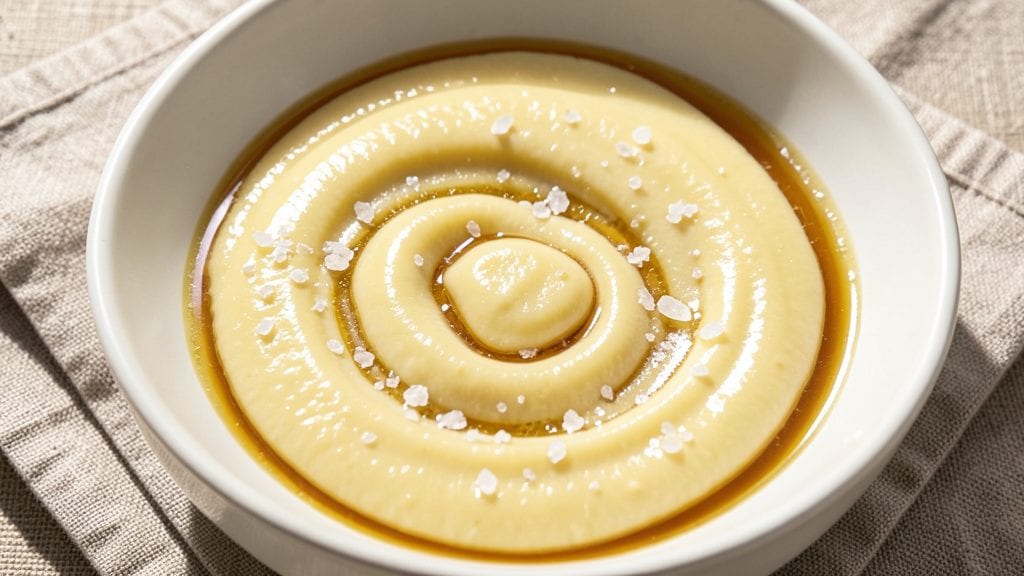
This avgolemono sauce recipe transforms simple ingredients into a velvety, citrus-kissed emulsion that elevates everything from grilled fish to steaming grains. The secret lies in tempering egg yolks with warm broth and lemon juice—a technique that creates a silky, tangy sauce without breaking.
I’ve perfected this method over years of testing, ensuring every batch achieves that signature bright, creamy texture that tastes like a Mediterranean summer in a spoon.
The beauty of avgolemono is its simplicity: just eggs, lemon juice, and broth, with optional butter or flour for body. What sets this sauce apart is the emulsification process, where heat and motion work together to create a smooth, glossy finish.
Unlike store-bought versions, this recipe delivers a restaurant-quality result with a balance of acidity and richness that clings perfectly to proteins or grains.
By the end, you’ll have a sauce that’s bright yet rich, with a glossy sheen and a taste that’s both familiar and refined.
It’s the kind of condiment that turns a simple meal into something extraordinary—think flaky sea bass drizzled with avgolemono or creamy rice pilaf infused with its citrusy depth. The best part? It keeps well in the fridge for up to 5 days, ready to transform your next dish.
Whether you’re serving it over grilled fish, pairing it with roasted vegetables, or using it as a drizzle for soups, this sauce is a game-changer. Here’s how to make it—step by step—for foolproof results every time.
Ingredients for avgolemono sauce
Four key ingredients create this Mediterranean classic—egg yolks, lemon, broth, and butter—plus a few optional tweaks.
| Ingredient | Amount | Notes |
|---|---|---|
| Large Egg Yolks 🥚 | 4 whole | Fresh, room temperature preferred |
| Fresh Lemon Juice 🍋 | ½ cup | From 2-3 medium lemons |
| Chicken or Vegetable Broth 💧 | 2 cups | Low-sodium, warm but not boiling |
| Unsalted Butter 🧈 | 2 tbsp | Cold, cut into small cubes |
| All-Purpose Flour 🌾 | 1 tbsp | For thickening if needed |
| Salt 🧂 | ½ tsp | Fine sea salt for seasoning |
| White Wine Vinegar 🍷 | 1 tbsp | Optional, for extra tang |
| Fresh Dill 🌿 | 1 tbsp | Chopped, optional garnish |
The egg yolks are the heart of avgolemono, so use only the freshest—check the carton date and avoid yolks with any grayish tint. Room temperature yolks blend more smoothly, so let them sit out for 15 minutes before using. For broth, homemade chicken or vegetable adds the most depth, but low-sodium store-bought works in a pinch. The butter should be cold and cubed—this prevents the emulsion from breaking when added later. If you're making this for seafood, fish stock elevates the flavor further, though it's not essential. Always taste your broth before using—season it lightly if needed, since you'll be adding salt later.
No fresh lemon juice? Bottled lemon juice works, but it lacks the bright, complex notes of fresh. Short on butter? Olive oil at half the amount keeps the sauce light, though it won't thicken as much. The white wine vinegar is truly optional—it adds a subtle sharpness that some find unnecessary, but it's a classic addition in many Mediterranean recipes. For the flour, all-purpose works fine, but if you're gluten-free, use cornstarch instead. The dill is purely for garnish and can be omitted entirely if you prefer a cleaner presentation. If your sauce feels too thin after combining, whisk in the flour with a splash of cold water to create a smooth slurry before adding it back to the pot.
This sauce thickens as it cools, so it's best used within 2-3 hours of making for the silkiest texture. Store any leftovers in an airtight container in the fridge for up to 5 days, though it may separate slightly—just whisk vigorously before reheating. For a quick fix, place the container in warm water for 30 seconds to help re-emulsify. If you're prepping ahead, make the sauce without the butter and whisk in cold cubes just before serving to maintain that glossy finish. The flavor actually improves overnight, so it's perfect for meal prep—just reheat gently over low heat, stirring constantly.
Why You'll Love This Recipe
- Here’s what sold me: that perfect balance of tangy lemon cutting through the richness of the butter, with the yolks giving it this velvety, almost custardy texture. It’s the kind of sauce that makes you pause mid-bite and think, “Wait, why haven’t I made this sooner?”
- Five-Ingredient Magic: I swear by this—just yolks, lemon, broth, butter, and flour. That’s it. No fancy gadgets, no stress. The sauce comes together while you’re still debating whether to open a second bag of chips.
- Bright Creamy Bliss: Here’s what sold me: that perfect balance of tangy lemon cutting through the richness of the butter, with the yolks giving it this velvety, almost custardy texture. It’s the kind of sauce that makes you pause mid-bite and think, “Wait, why haven’t I made this sooner?”
- Weeknight to Dinner Party: Between us, this sauce works everywhere. Drizzle it over orzo for a lazy Tuesday, or serve it with roasted chicken at your next gathering. The flour thickens it just enough to coat without turning gluey—honestly, it’s my secret weapon for when I need something impressive with zero effort.
Step-by-step instructions for avgolemono sauce
This classic Greek sauce delivers a silky, tangy finish perfect for fish or grains—here's how to make it flawlessly.
Whisk Egg Yolks and Lemon Juice
In a medium bowl, whisk together the 4 whole large egg yolks and 0.5 cup fresh lemon juice until fully combined. The mixture should be pale yellow and smooth, with no visible streaks of yolk. I like to use a wire whisk for this step—it creates more air in the emulsion, which helps the sauce thicken beautifully.
Set this mixture aside in a safe spot—it will be sensitive to heat later. If you're working ahead, cover the bowl and refrigerate it until ready to use. Room temperature yolks work best, but if they're cold, don't worry—they'll warm up during the process.
Warm the Broth and Prepare the Base
In a saucepan, combine the 2 cups chicken or vegetable broth with the 1 tablespoon white wine vinegar and 0.5 teaspoon salt. Bring to a gentle simmer over medium heat—you're looking for small bubbles around the edges, not a rolling boil. This controlled heat prevents the sauce from curdling later.
While the broth warms, melt the 2 tablespoons unsalted butter in the same saucepan over low heat. The butter should foam gently but not brown. Remove the pan from heat and let it cool slightly—this prevents the eggs from scrambling when you combine them with the hot liquid.
Temper the Egg Mixture
Here's where precision matters: slowly pour about 1 cup of the warm broth into the yolk-lemon mixture while whisking constantly. This gradual process, called tempering, raises the eggs' temperature gently so they don't cook immediately. The mixture will thicken slightly as it warms.
Once the egg mixture is fully incorporated, slowly pour it back into the saucepan with the remaining broth. Return the pan to low heat and stir continuously with a wooden spoon. The sauce should begin to thicken within 2-3 minutes—you'll see it transform from a thin liquid to a glossy, creamy consistency.
Thicken and Finish the Sauce
If the sauce isn't thick enough after 3 minutes, remove it from heat and stir in the 1 tablespoon all-purpose flour. Return to low heat and cook for another 1-2 minutes, stirring constantly. The sauce should coat the back of a spoon without being gluey—this is the ideal texture for avgolemono.
Taste and adjust seasoning with additional salt if needed. Remove from heat immediately once thickened—overcooking turns the sauce grainy. Stir in the 1 tablespoon chopped fresh dill at the end for brightness. The sauce should be silky, tangy, and just slightly thick enough to cling to fish or grains.
Serve Immediately
Avgolemono sauce is best served immediately over warm fish, rice, or vegetables. If you need to reheat leftovers, do so gently over low heat while stirring constantly—never let it boil. The sauce should maintain its creamy texture but may thin slightly if stored in the refrigerator.
For the best results, use the sauce within 2 hours of making it. The lemon-yolk emulsion is delicate, and the sauce loses its silky quality over time. If you're serving a large group, make it in batches or keep the egg mixture separate until the last minute for perfect consistency.
Pro Tips For Making Avgolemono Sauce
- Temper the yolks: Whisk the egg yolks with a splash of warm broth before adding lemon juice—this prevents them from scrambling when the acid hits. I learned this the hard way after ending up with a lumpy, curdled mess that looked like overcooked custard.
- Use cold butter: Cut the unsalted butter into small cubes and chill them for 10 minutes before adding to the sauce. Cold butter melts slower, giving you time to adjust thickness without risking a greasy, broken emulsion.
- Strain the broth: If your broth isn’t crystal clear, strain it through a fine-mesh sieve before mixing. Even tiny bits of sediment turn into gritty texture bombs in avgolemono—smooth broth equals smooth sauce.
- Save the whites: Whip the egg whites separately and fold them in at the very end if the sauce needs extra body. It’s not traditional, but it’s a lifesaver when you’ve over-thinned the mixture or need a quicker fix.
Perfect pairings for this recipe
Seafood Perfection
Avgolemono sauce transforms grilled or baked fish into a Mediterranean masterpiece. Drizzle it over whole roasted sea bass or flaky branzino for a restaurant-worthy finish. The bright lemon-yolk emulsion clings beautifully to the fish's skin, creating a glossy, tangy crust.
I love serving it with lemon wedges on the side—let guests squeeze extra juice over their plates for a zesty boost. 🍋
Grain Elevations
Use avgolemono to elevate simple grains like orzo or rice pilaf. Stir it into warm brown rice or couscous for a creamy, citrusy twist that balances hearty flavors. For extra richness, fold in sautéed mushrooms or caramelized onions before adding the sauce.
This works especially well with Greek-style rice dishes or as a topping for warm polenta.
Soup Enhancer
Stir avgolemono into warm fish stews or vegetable soups just before serving. The emulsion creates a velvety finish that contrasts beautifully with chunky ingredients. I recommend adding it to bouillabaisse or lentil soup for a Mediterranean-inspired upgrade.
Keep the sauce warm but never boiling—just enough to melt it into the broth without breaking the emulsion. 💫
Vegetable Drizzle
Drizzle avgolemono over roasted asparagus, grilled zucchini, or blistered green beans for a bright, creamy contrast. The sauce's tanginess cuts through the richness of roasted vegetables beautifully.
For extra flair, sprinkle with toasted pine nuts or crumbled feta cheese before serving. This works especially well with Mediterranean-style vegetable platters.
Breakfast Twist
Surprise your morning routine by using avgolemono as a savory egg wash for poached eggs or shakshuka. The lemon-yolk emulsion adds a silky, tangy richness that pairs perfectly with soft eggs.
I also love drizzling it over warm flatbreads with smoked salmon for a brunch-worthy dish. The sauce's brightness balances the richness of eggs beautifully. 🥚
Dessert Surprise
For a sweet twist, reduce the lemon juice to 2 tablespoons and add 1 teaspoon vanilla extract when tempering the eggs. This creates a citrusy custard-like sauce perfect for drizzling over panna cotta, panna cotta, or warm fruit tarts.
The acidity brightens sweet flavors while the egg yolks add a luxurious creaminess. Serve chilled for a refreshing dessert with a Mediterranean flair. ✨
Nutrition facts
Frequently asked questions
Can I make avgolemono sauce without eggs?
Traditional avgolemono relies on egg yolks for its signature creamy texture, but you can create a similar citrusy broth by combining 1 cup warm broth with 2 tablespoons lemon juice, 1 tablespoon cornstarch (mixed with water), and a pinch of salt. This version won't be as rich or glossy, but it works well for drizzling over soups or grains. For a vegan alternative, consider a lemon-beurre blanc made with aquafaba or silken tofu.
Why did my avgolemono sauce break or curdle?
This usually happens when the egg mixture gets too hot too quickly. Always temper the eggs by slowly adding warm broth while whisking constantly. Remove the sauce from heat immediately once it thickens—overcooking causes curdling. If it breaks, try whisking in 1 tablespoon cold butter or 1 teaspoon flour slurry to help re-emulsify. For next time, keep the broth at a gentle simmer (180°F) and work quickly.
How can I adjust the thickness of avgolemono sauce?
The sauce should coat the back of a spoon without being gluey. If it's too thin, whisk in 1 teaspoon flour mixed with 1 tablespoon cold water and cook for 1-2 minutes longer. For extra body, add 1 tablespoon cold butter at the end. If it's too thick, thin it with 1-2 tablespoons warm broth while stirring constantly. The ideal consistency is silky but still pourable.
Can I make avgolemono ahead of time?
Yes, but with caution. Prepare the egg-lemon mixture and store it in the fridge for up to 24 hours. When ready to use, gently warm the broth and temper the eggs as directed. For best results, make the sauce fresh—it loses its silky texture when stored longer than 5 days. If reheating leftovers, warm over low heat while stirring constantly to prevent separation. A quick fix for separated sauce is to whisk vigorously or add a splash of cold water and butter.
What's the best way to use avgolemono with seafood?
Drizzle avgolemono over warm, cooked seafood just before serving to maintain its glossy texture. It pairs beautifully with grilled fish, steamed mussels, or baked cod. For extra flavor, add 1 teaspoon dried oregano or chopped fresh dill to the sauce. Avoid using it with raw seafood—always serve it over fully cooked proteins to prevent any risk of salmonella. The sauce's acidity also helps cut through fishy flavors, making it a perfect finishing touch.