
Sauces & Condiments
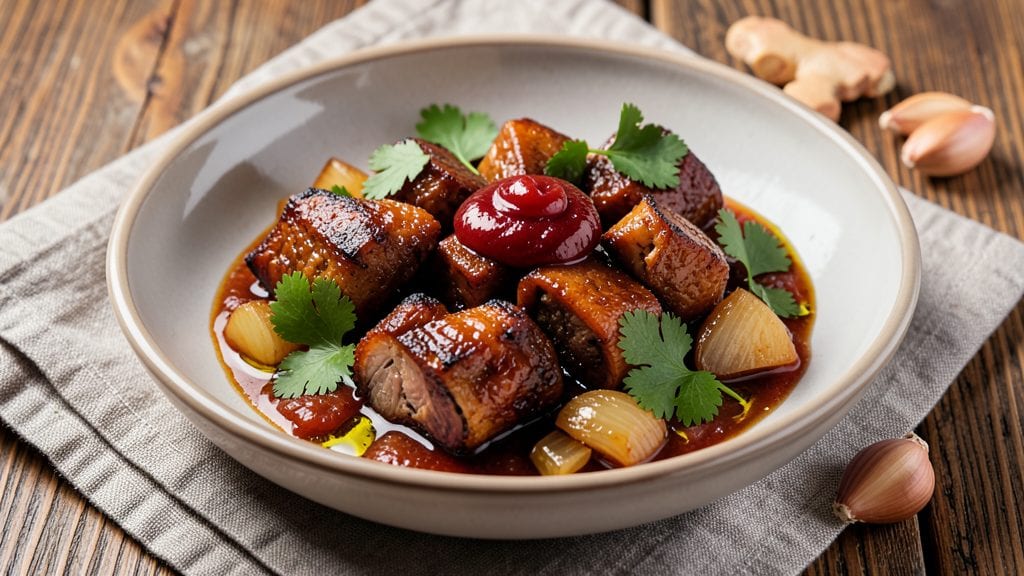
Creating a deep umami oxtail sauce from scratch transforms simple meals into restaurant-quality experiences. The slow simmering process unlocks the rich, gelatinous depth of oxtail while building layers of complex flavor—savory, slightly sweet, and perfectly balanced with acidity.
I've perfected this one-pot method over years of testing, ensuring every batch delivers that velvety, velvety texture that clings to rice, noodles, or proteins like liquid gold.
What sets this sauce apart is the precision in flavor development: caramelized aromatics form the foundation, while a touch of sweetness and acidity brighten the deep umami notes. The sauce reduces naturally as it simmers, intensifying its richness without requiring constant attention.
This isn't just a condiment—it's a flavor multiplier that elevates any dish it touches, turning ordinary meals into something extraordinary.
The result is a sauce so versatile it works as a dipping sauce, a rice glaze, or a finishing drizzle over grilled meats. Its texture is thick yet silky, with just enough body to coat ingredients beautifully.
The best part? It keeps well in the refrigerator for up to five days, allowing you to make a big batch and enjoy it throughout the week without compromise.
Whether you're serving it over steamed jasmine rice, tossing it with noodles, or using it to glaze roasted vegetables, this sauce delivers professional-level depth with home-cook simplicity. The technique is straightforward, but the flavor transformation is nothing short of magical. Here's how to make it.
Ingredients for oxtail sauce
Eleven ingredients. One pot. Umami magic that turns ordinary meals into restaurant-worthy dishes.
| Ingredient | Amount | Notes |
|---|---|---|
| Oxtail 🦄 | 3 lb | Cut into 1-inch pieces, trimmed |
| Yellow Onion 🧅 | 1 whole | Thinly sliced, about 2 cups |
| Garlic Cloves 🧄 | 6 cloves | Minced, about 2 tbsp |
| Fresh Ginger 🌿 | ½ cup | Finely grated, peeled |
| Extra-Virgin Olive Oil 🫒 | ½ cup | High-quality, fruity |
| Tomato Paste 🍅 | ½ cup | Smooth, no sugar added |
| Dry Sherry 🍷 | ½ cup | Or substitute with dry white wine |
| Beef Broth 💧 | 4 cups | Homemade or high-quality store-bought |
| Soy Sauce 🍶 | 2 tbsp | Dark soy preferred |
| Honey 🍯 | 1 tbsp | Or light corn syrup |
| Red Wine Vinegar 🍋 | 1 tbsp | For bright acidity |
| Diamond Crystal Kosher Salt 🧂 | 1 tsp | Adjust to taste |
| Fresh Black Peppercorns 🌶️ | ½ tsp | Cracked, not ground |
| Bay Leaves 🍃 | 2 whole | Fresh if possible |
The oxtail is the star—look for well-marbled cuts at specialty butchers or the meat department of Whole Foods. If you can't find it, beef short ribs work in a pinch, though the texture won't be quite as luxurious. The ginger needs to be fresh—none of that jarred stuff. Trader Joe's has great organic ginger if your grocery store's selection is sad. For the sherry, any dry variety works, but avoid the sweet dessert wines. If you're avoiding alcohol, substitute with extra beef broth—just add a splash of vinegar to mimic the acidity. The tomato paste should be smooth and unsweetened—none of that watered-down junk in tubes.
No sherry? Dry white wine or even apple cider vinegar with a pinch of sugar gets you close. The soy sauce is non-negotiable for that deep umami—dark soy adds color too. If you can't find dark soy, regular soy plus a splash of molasses works. The honey can be swapped for maple syrup or brown sugar, but don't skip it entirely—the sauce needs that touch of sweetness to balance the richness. For the vinegar, rice vinegar in a pinch, but red wine vinegar gives the best bright acidity. The bay leaves? Fresh if you've got them, dried if you don't—just double the amount.
This sauce gets better with time—make a big batch and store it. Keeps for 5 days in the fridge, 3 months frozen. I like to portion it into ice cube trays for easy single-use servings. The texture will thicken as it cools, so just whisk in a splash of broth or water when reheating. Pro tip: strain it before serving if you want silky smoothness, or leave it rustic with little meat bits for extra richness.
Why You'll Love This Recipe
- Few-Pan Magic: I swear by this—just one pot, one knife. Sear the oxtail in olive oil until it’s golden, toss in onions and ginger, and let it slow-cook. No chopping boards full of scraps, no stress.
- Umami Bomb: That first spoonful of sauce? Rich, caramelized, with garlic and ginger cutting through the meat’s deep flavor. It’s the kind of taste that makes you pause mid-bite and think, “Wait, is this even real?”
- Leftovers That Shine: The sauce thickens overnight into something even better. Stir-fry it with rice, drizzle over noodles, or toss with eggs—suddenly, a simple lunch is a full meal. My fridge never stays empty for long.
- Budget Luxury: Oxtail’s the secret weapon—cheaper than steak but packed with flavor. A single cut feeds four, and the sauce stretches for days. Honestly? It’s the most satisfying way to stretch a grocery budget without sacrificing taste.
Step-by-step instructions for oxtail sauce
This one-pot method unlocks the rich, gelatinous depth of oxtail with minimal effort.
Sear the Oxtail for Maximum Flavor
Heat the extra-virgin olive oil in a large Dutch oven over medium-high heat until shimmering. Working in batches to avoid crowding, add the 3 lb oxtail pieces and sear for 4-5 minutes per side until deeply browned. This caramelization builds the sauce's foundation—don't rush, or you'll miss the flavor development.
As you sear, you'll notice the oxtail releases its natural fats. Let these render into the pot rather than wiping them away—they'll create a luxurious sauce later. Once all pieces are golden brown, remove them and set aside temporarily. The seared oxtail will return to the pot later, but first, we need to build that umami-rich base.
Develop the Aromatic Base
In the same Dutch oven, add the 1 whole yellow onion and cook for 5-6 minutes until softened and translucent. Stir occasionally to prevent burning. Add the 6 cloves minced garlic and 0.5 cup finely grated fresh ginger, cooking for another 2 minutes until fragrant—this should take less than 30 seconds after adding them, or they'll turn bitter.
Next, stir in the 0.5 cup tomato paste and cook for 3-4 minutes until it darkens slightly. This step deepens the sauce's color and intensifies its flavor. Pour in the 0.5 cup dry sherry and scrape up any browned bits from the bottom of the pot. Let it simmer for 2-3 minutes until the alcohol aroma dissipates completely—this ensures your sauce won't taste harsh.
Simmer the Sauce Low and Slow
Return the seared oxtail to the pot. Add the 4 cups beef broth, 2 tbsp soy sauce, 1 tbsp honey, 1 tbsp red wine vinegar, 1 tsp diamond crystal kosher salt, and 0.5 tsp cracked fresh black peppercorns. Tuck in the 2 whole bay leaves and bring everything to a gentle simmer over medium-low heat. The liquid should just barely bubble—if it boils vigorously, reduce the heat immediately.
Cover the pot and let it simmer for 2 hours. This long cook time is crucial—it breaks down the collagen in the oxtail, transforming it into a silky, gelatinous texture that thickens the sauce. Stir occasionally to prevent sticking, and if the sauce reduces too much, add a splash of water or broth to maintain the proper consistency.
Finish and Reduce for Depth
Once the oxtail is fork-tender and the sauce has thickened slightly, remove the bay leaves. Increase the heat to medium and let the sauce reduce uncovered for 10-15 minutes, stirring occasionally. This final reduction concentrates the flavors and creates a glossy, velvety finish. The sauce should coat the back of a spoon and cling beautifully to the oxtail.
Taste and adjust seasoning if needed—you might need a touch more salt or vinegar to balance the richness. Serve the oxtail sauce immediately over rice, noodles, or crusty bread, or store it in an airtight container in the refrigerator for up to 5 days. The flavors only deepen with time, making this sauce even more irresistible as it sits.
Pro Tips For Making Oxtail Sauce
- Brown the Oxtail First: High heat for 10-12 minutes until deep caramelized—this isn’t optional. I used to skip it, and the sauce always tasted flat. The Maillard reaction here builds flavor base; don’t rush it, even if the kitchen gets smoky.
- Julienne the Onion: Thin, even strips cook faster and sweeten better than chunks. I learned this the hard way—lumpy onions mean uneven browning and a sauce that tastes underdeveloped. Aim for ¼-inch pieces; they’ll melt into silkiness.
- Blister the Ginger: Toss minced ginger in oil for 30 seconds until it fragrant and slightly charred. Raw ginger can taste medicinal; this step unlocks its warmth. Use a peeler for fresh ginger—no need to grate, and it’s faster.
- Deglaze with Red Wine: After browning the oxtail, splash in ½ cup red wine (like Cabernet) and scrape the fond off the pan. This shortcut adds depth without extra steps. Skip the wine? You’ll miss the acidity that brightens the sauce.
Best sauces and condiments for this dish
Umami Bomb Pairings
This oxtail sauce thrives when paired with dishes that amplify its deep, savory notes. Serve it over steamed jasmine rice—the neutral base lets the sauce's richness shine. I love drizzling it over garlic butter noodles or tossing it with shitake mushrooms for an earthy contrast.
The sauce also elevates grilled pork chops or seared duck breast as a finishing glaze. 💛
Sweet Heat Balance
For a brighter profile, balance the sauce's richness with pickled vegetables like cucumbers or radishes. The acidity cuts through the umami beautifully. I also recommend serving it alongside spicy Sichuan chili oil—just a drizzle adds a fiery kick that makes the sauce even more addictive.
The contrast creates a perfect harmony of flavors.
Bread and Dipping Sauce
This sauce doubles as an incredible dipping sauce for crusty sourdough or baguette slices. Toast the bread until golden, then dip into the warm sauce—it soaks up perfectly.
For extra indulgence, serve it with fried wontons or spring rolls for a fusion twist. The crispy texture pairs wonderfully with the silky sauce. 🍞
Global Fusion Twists
Transform this sauce into a Thai-inspired curry by adding red curry paste and coconut milk at the end. For a Korean BBQ twist, stir in gochujang and sesame oil before serving.
The sauce's versatility makes it a blank canvas for global flavors—experiment fearlessly! The key is always balancing the new ingredients with the sauce's existing depth.
Finishing Touches
Garnish with toasted sesame seeds or fresh cilantro for a pop of color and freshness. A sprinkle of crushed fried shallots adds texture and aroma. For extra richness, top with a dollop of whipped cream cheese—it sounds unusual, but the cool creaminess contrasts the sauce's warmth perfectly.
These finishing touches elevate the dish from good to unforgettable. ✨
Storage and Reuse
Leftover sauce thickens as it cools—just whisk in 1-2 tbsp warm water or broth to restore its silky texture. Store in an airtight container in the fridge for up to 5 days or freeze in ice cube trays for single-serving portions.
The sauce freezes beautifully and reheats like a dream—perfect for meal prep. Use it to glaze roasted vegetables or stir into stir-fries for instant umami depth. 🧊
Nutrition facts
Frequently asked questions
Can I make this sauce without oxtail?
While oxtail gives the sauce its signature rich, gelatinous texture, you can substitute with beef short ribs or chuck roast for a similar depth. The collagen breakdown will be slightly different, but the umami flavor remains. For a vegetarian version, use mushrooms or tofu and add 1 tbsp cornstarch to thicken the sauce.
How do I fix a sauce that's too thin?
Simmer the sauce uncovered for 10-15 extra minutes to reduce it naturally. If it's still too thin, mix 1 tbsp cornstarch with 2 tbsp cold water, stir into the sauce, and simmer until thickened. For a quick fix, whisk in 1 egg yolk (tempered first) to add body without altering flavor.
Can I use this sauce in a slow cooker?
Follow the same steps for searing and building the base, then transfer everything to a 6-quart slow cooker. Cook on Low for 6-8 hours or High for 4-5 hours, stirring occasionally. The slow cooker's gentle heat works perfectly for tenderizing the meat and developing the sauce's depth.
What's the best way to reheat leftover sauce?
Gently reheat over low heat on the stovetop, stirring frequently to prevent scorching. If the sauce thickens too much, whisk in 1-2 tbsp warm water or broth to restore its silky texture. For microwave reheating, use 30-second intervals on low power, stirring between each interval to maintain even consistency.
How can I make this sauce spicier?
Add 1 tsp chili flakes or 1 tbsp gochujang during the final reduction. For heat with depth, stir in 1 tbsp sambal oelek or a dash of cayenne pepper at the end. Balance the heat with a squeeze of lime juice or extra vinegar to maintain the sauce's harmony.