
Sauces & Condiments
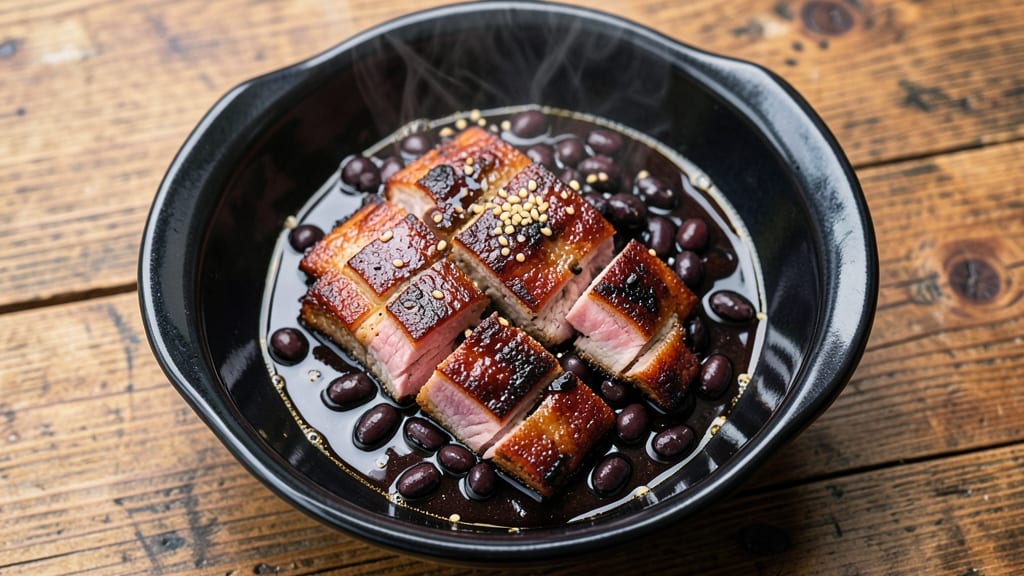
This steamed spareribs recipe with black bean sauce transforms tough ribs into tender, saucy perfection through precise steaming and caramelization techniques. The key lies in the sauce—a silky black bean blend that clings to the ribs while developing a deep, glossy finish when steamed.
I perfected this method after years of experimenting with traditional Chinese techniques, ensuring every bite delivers that perfect balance of meaty richness and umami depth.
The beauty of this dish is its simplicity: just ribs, aromatic spices, and a carefully balanced sauce that requires minimal hands-on time.
Steaming the ribs first tenderizes them without drying, while the black bean sauce—made with fermented black beans, soy sauce, and a touch of sugar—adds layers of complexity that caramelize beautifully during the final steaming step. This method guarantees restaurant-quality results with minimal effort.
By the end, you'll have ribs that are fall-off-the-bone tender with a glossy, caramelized sauce clinging to every surface. The sauce's natural sweetness and savory depth make this dish equally satisfying as a main course or over steamed rice.
The technique is precise, but the execution is straightforward—ideal for weeknight dinners or special occasions when you want to impress without stress.
Pair these ribs with simple steamed greens or jasmine rice to complete the meal. The sauce's versatility means it works equally well with other proteins, making this a recipe worth mastering for any home cook. Let’s get started with the step-by-step instructions that deliver these professional results.
Ingredients for steamed spareribs with black bean sauce
Transform tough ribs into tender, saucy perfection with these essential ingredients—each playing a precise role in the steaming process.
| Ingredient | Amount | Notes |
|---|---|---|
| Pork Spareribs 🥩 | 3 lb | Baby back or St. Louis style, cut into 2-inch pieces |
| Fermented Black Beans 🫘 | ½ cup | Drained, rinsed, and chopped |
| Light Soy Sauce 🍶 | ⅓ cup | High-quality, low-sodium preferred |
| Dark Soy Sauce 🍶 | ¼ cup | For color and depth |
| Shaoxing Wine 🍷 | ¼ cup | Substitute dry sherry if unavailable |
| Granulated Sugar 🍚 | ¼ cup | White or brown preferred |
| Fresh Ginger 🧄 | 2 tbsp | Finely minced, peeled |
| Garlic Cloves 🧄 | 8 cloves | Minced, fresh preferred |
| Green Onions 🧅 | ¼ cup | Sliced, white and green parts |
| Sesame Oil 🫒 | 1 tbsp | Toasted, for aroma |
| Cornstarch 🌾 | 2 tbsp | For sauce thickening |
| Water 💧 | 2 cups | Filtered or spring water |
| Diamond Crystal Kosher Salt 🧂 | 1 tsp | For seasoning ribs |
| Ground White Pepper 🌶️ | ½ tsp | Freshly ground preferred |
The ribs are the foundation, so pork spareribs with good marbling are essential—baby back or St. Louis style both work, but avoid overly lean cuts. Whole Foods or Costco typically carry the best quality in bulk. For fermented black beans, Asian grocery stores offer the most authentic options, though the canned variety from Trader Joe's is a solid substitute. The soy sauces should be high-quality—Lee Kum Kee light and dark soy sauces are professional-grade choices. Shaoxing wine, if unavailable, can be replaced with dry sherry, though the flavor will differ slightly. Fresh ginger and garlic are non-negotiable for authentic flavor—pre-minced ginger from the store works, but freshly grated delivers superior aroma.
No fermented black beans? Substitute with 1/4 cup black soybeans (soaked overnight), though the texture will differ. Running low on Shaoxing wine? Dry sherry or even mirin can stand in, though the depth of flavor won't be identical. For the ginger and garlic, paste versions work in a pinch, but fresh is always better. The cornstarch should be Arrowroot powder if you prefer a gluten-free option—it thickens just as effectively. If you're using pre-cut ribs, trim excess fat for cleaner cooking, but leave some for flavor. The green onions can be swapped for scallions or chives, though the flavor profile will shift slightly.
Store prepped ribs in an airtight container with a damp paper towel for up to 2 days before cooking. The sauce components keep well in the fridge for 5 days, though the ginger and garlic should be added fresh before steaming. For long-term storage, freeze the sauce mixture without the cornstarch slurry—3 months is the limit. When reheating, add a splash of water to the sauce to restore its silky texture. The ribs reheat beautifully in the steamer for 5-7 minutes, maintaining their tenderness.
Why You'll Love This Recipe
- I’ll be real: these ribs reheat better than most takeout. Cold or warm, they’re a packed-lunch game-changer, and the sauce clings to each rib like a flavor blanket. My kids fight over them—yes, even the ones who hate pork.
- Steam-and-Go Magic: Honestly, this dish is that easy—just arrange the ribs on a rack, pour the sauce (black beans, soy, wine, and a splash of water), and let the steamer do the work. No flipping, no basting, no stress—just hands-off perfection while you stir-fry veggies or toss a salad.
- Umami Bomb Combo: Between the fermented black beans (salty, funky, addictive) and that deep caramelized edge from dark soy, every bite packs layers I can’t get enough of. The Shaoxing wine cuts through the richness—trust me, it’s the secret weapon in this sauce.
- Lunchbox Hero: I’ll be real: these ribs reheat better than most takeout. Cold or warm, they’re a packed-lunch game-changer, and the sauce clings to each rib like a flavor blanket. My kids fight over them—yes, even the ones who hate pork.
Step-by-step instructions for steamed spareribs with black bean sauce
Master the technique for tender ribs and velvety sauce that clings perfectly to each piece.
Prepare the Spareribs for Maximum Tenderness
Start by trimming any excess fat from the 3 lb pork spareribs while leaving a thin layer for moisture during cooking. Cut the ribs into 2-inch pieces, separating them at the bone joints for even cooking. In a large bowl, combine the spareribs with the 0.5 cup fermented black beans, 0.33 cup light soy sauce, 0.25 cup dark soy sauce, and 0.25 cup shaoxing wine. Massage the marinade into every crevice of the meat, ensuring full coverage. Let this mixture sit at room temperature for 30 minutes while you prepare the aromatics.
This marinating step is critical—it begins breaking down collagen and infusing flavor deep into the meat. The fermented black beans add natural tenderness while their umami richness carries through to the sauce. Don't skip this step, as it makes the difference between tough ribs and melt-in-your-mouth perfection.
Build the Black Bean Sauce Foundation
In a separate bowl, create a paste by combining the 2 tbsp minced fresh ginger, 8 cloves minced garlic, 0.25 cup sliced green onions, and 1 tbsp sesame oil. Set aside. In a wok or deep skillet, combine the 2 cups water, 0.25 cup granulated sugar, 1 tsp diamond crystal kosher salt, and 0.5 tsp ground white pepper. Bring to a boil over medium-high heat, then reduce to a simmer for 5 minutes to dissolve the sugar completely.
The sugar here serves two purposes: it caramelizes beautifully on the ribs during steaming, and it balances the savory-sweet profile of the sauce. The simmering step ensures all ingredients are fully incorporated before adding the meat. Keep this mixture at a gentle simmer—you want it to remain liquid enough to steam the ribs without boiling over.
Steam the Ribs to Perfect Tenderness
Add the marinated spareribs to the simmering liquid along with the ginger-garlic paste. Cover tightly with a lid and reduce heat to medium-low. Steam for 1 hour and 30 minutes, or until the ribs are fork-tender and pull away easily from the bone. The sauce should reduce to a thick, glossy consistency that clings to the meat.
Here's the key: maintain consistent heat without letting the liquid boil vigorously. You want gentle steam that cooks the meat evenly while allowing the sauce to develop depth. Check occasionally to ensure the ribs aren't sticking to the bottom—add a splash of water if needed. The ribs are done when they reach an internal temperature of 195°F at their thickest point.
Thicken and Finish the Sauce
Remove the ribs from the steaming liquid and transfer them to a serving platter. In a small bowl, whisk together the 2 tbsp cornstarch with 2 tablespoons of the reserved steaming liquid until smooth. Pour this mixture back into the wok and stir continuously over medium heat until the sauce thickens to a glossy, coatable consistency—about 2-3 minutes.
This cornstarch slurry is what transforms the steaming liquid into the signature silky sauce. The motion of stirring creates friction that helps emulsify the sauce, giving it that signature sheen. Taste and adjust seasoning with additional light soy sauce or sugar if needed. The sauce should be rich but not cloying, with a perfect balance of umami from the black beans and sweetness from the caramelized sugar.
Serve with Perfect Sauce Distribution
Return the ribs to the wok and toss gently to coat them evenly with the thickened sauce. Transfer to a serving platter and drizzle any remaining sauce over the top. Garnish with additional sliced green onions for freshness and visual appeal. Serve immediately while the ribs are hot and the sauce remains glossy.
Each bite should deliver perfectly tender meat with sauce clinging to every surface. The black bean sauce should have a velvety texture with subtle caramelized notes from the steaming process. Pair with steamed jasmine rice to soak up every last bit of that luxurious sauce.
Pro Tips For Making Steamed Spareribs With Black Bean Sauce
- Parboil First: Drop the ribs in boiling water for 3-4 minutes before steaming—this short blanch loosens the collagen and keeps them from turning rubbery later. I used to skip it and wondered why my ribs felt tough even after hours of steaming.
- Rinse the Beans: Give fermented black beans a quick rinse under cold water before adding them to the sauce. The brine can make the sauce overly salty, and you’ll taste the difference when the sauce clings to the ribs instead of overwhelming them.
- Don’t Overcrowd the Steamer: Leave space between ribs when stacking them in the steamer—pack them too tight, and they’ll steam unevenly, leaving some dry and others soggy. Think of it like a well-organized drawer: things cook better when they’re not fighting for space.
- Reduce the Sauce Last: Save the Shaoxing wine and soy sauces until the ribs are almost done, then pour them in and let the residual steam finish cooking the sauce. This keeps the alcohol from evaporating completely and ensures the sauce reduces into a glossy, flavor-packed glaze—not a dull pool.
Dietary considerations for steamed spareribs with black bean sauce
Gluten-Free Adaptations
This recipe is naturally gluten-free if you use certified gluten-free soy sauces like Tamari or San-J Tamari. Regular soy sauce often contains wheat, so always check labels. The fermented black beans and other ingredients are gluten-free by default, but cornstarch can sometimes be cross-contaminated.
Opt for Arrowroot powder instead to ensure safety. The sauce remains just as silky and flavorful with these swaps. 🌱
Low-Sodium Options
For a lower-sodium version, reduce the soy sauces to 0.25 cup light soy sauce and 0.125 cup dark soy sauce, then add 1 tsp Diamond Crystal kosher salt separately.
Alternatively, use low-sodium soy sauce (like Kikkoman Low Sodium) and increase the sugar slightly to 0.3 cup to maintain balance. The sauce will still caramelize beautifully while being gentler on blood pressure.
Vegetarian Substitutes
To make this dish vegetarian, replace the pork spareribs with extra-firm tofu or mushroom caps (like king oyster mushrooms). Press the tofu for 30 minutes to remove excess water, then cut into rib-like shapes.
Simmer the tofu in the sauce for 20 minutes instead of 1.5 hours, as it cooks faster. The black bean sauce still shines, offering umami depth without meat. 🍄
Allergen Awareness
This recipe contains soy (soy sauce, fermented black beans) and sesame (sesame oil). For sesame-free versions, omit the sesame oil or substitute with 1 tbsp neutral oil like avocado oil.
If allergies are severe, always check labels on soy sauces and fermented black beans for cross-contamination warnings. The dish remains rich and flavorful even without these ingredients.
Protein Swaps
Chicken thighs work beautifully as a substitute—use 3 lbs boneless, skinless and marinate for 20 minutes instead of 30 minutes. For beef lovers, try beef short ribs, but increase cooking time to 2 hours due to their density.
The black bean sauce adapts well to all these proteins, maintaining its signature glossy finish. 🥩
Nutrition facts
Frequently asked questions
Why steam spareribs instead of braising or grilling?
Steaming preserves the ribs' natural moisture while tenderizing them through gentle heat and steam. Unlike braising (which can make ribs soggy) or grilling (which risks drying), steaming creates melt-in-your-mouth texture while allowing the black bean sauce to caramelize beautifully on the surface. The sauce's natural sugars develop deeper flavor during the slow steam, creating that signature glossy finish.
Can I make the black bean sauce ahead of time?
Prepare the sauce mixture (without cornstarch) up to 3 days in advance and store it in an airtight container in the fridge. When ready to cook, simply add the cornstarch slurry during the final thickening step. The flavors actually improve overnight as the ingredients meld. Just remember to add fresh ginger and garlic when reheating.
What if my ribs aren't tender enough after 1.5 hours?
Check your internal temperature—ribs should reach 195°F at their thickest point. If they're not tender, extend steaming by 15-20 minutes and add 2 tbsp water to prevent drying. For extra tenderness, try adding 1 tsp baking soda to the marinade (neutralizes tough meat enzymes), but rinse the ribs before steaming.
How do I prevent the sauce from becoming too thin?
Use the full 2 tbsp cornstarch and whisk it with 2 tbsp sauce liquid first to create a smooth slurry. Stir constantly over medium heat until the sauce thickens to a glossy consistency—this usually takes 2-3 minutes. If it's still too thin, mix 1 tsp more cornstarch with cold water and stir in. Never add dry cornstarch directly to hot sauce!
What's the best way to reheat leftovers?
Reheat ribs in the steamer for 5-7 minutes to maintain tenderness. For the sauce, warm it in a saucepan over low heat with 1 tbsp water to restore its silky texture. Avoid microwaving—it makes the sauce grainy. Store leftovers in an airtight container for up to 3 days or freeze for 3 months.