
Sauces & Condiments
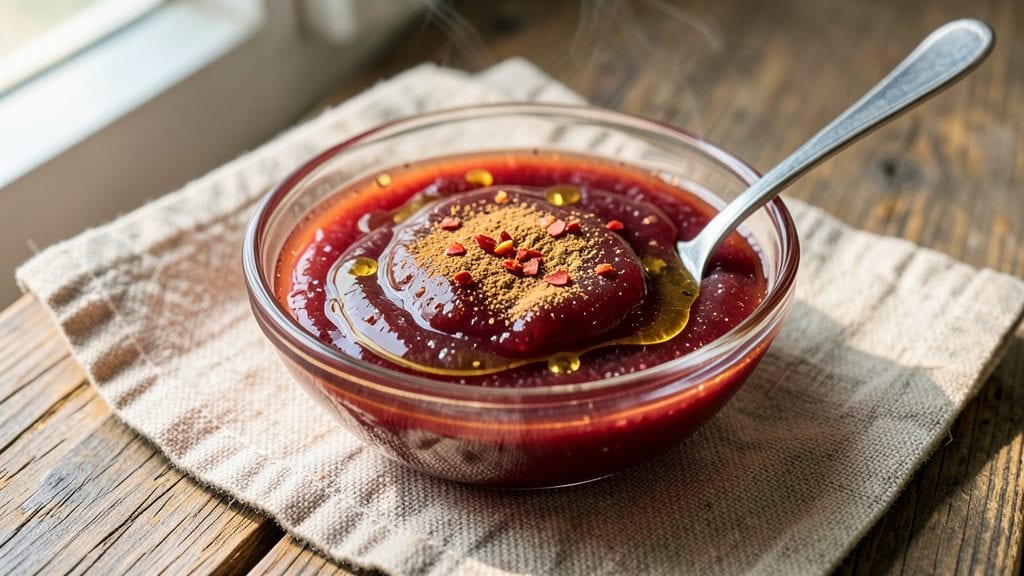
This guava sauce recipe transforms ripe guavas into a velvety, tangy-sweet condiment that bridges desserts and savory dips with tropical flair. 🌟 The secret lies in balancing fresh guava puree with just enough vinegar and sugar to create a sauce that's vibrant yet versatile—perfect for drizzling over cheesecake, pairing with spicy dishes, or serving as a refreshing dip.
I first discovered this technique while experimenting with tropical fruit preserves, and it quickly became a staple in my kitchen for its ability to elevate simple dishes into something extraordinary.
The process is straightforward yet precise: simmering guava puree with spices like cinnamon or chili until it thickens into a glossy, aromatic sauce. No special equipment is needed beyond a saucepan and a fine-mesh strainer, making it accessible for both beginners and seasoned cooks.
The sauce's natural sweetness and acidity make it adaptable—use it to enhance grilled meats, balance spicy salsas, or drizzle over vanilla ice cream for a burst of tropical flavor. With just 5 simple ingredients, you'll have a sauce that's as impressive as it is easy to make.
What you'll end up with is a smooth, fragrant sauce that's rich enough to stand alone but balanced enough to complement a variety of dishes.
The texture is velvety yet light, with a depth of flavor that comes from the natural sweetness of the guava and the subtle warmth of the spices. This sauce keeps well in the refrigerator for up to 2 weeks, making it ideal for meal prep or gifting.
Whether you're hosting a dinner party or simply craving a taste of the tropics, this guava sauce is your secret weapon.
For those who love experimenting, try adding a pinch of salt or a splash of lime juice to enhance the sauce's complexity. It's the kind of recipe that invites creativity—use it as a marinade, a glaze, or a topping, and let its tropical sweetness shine.
Let's get started on making this versatile sauce that's as delicious as it is easy to prepare.
Ingredients for guava sauce
Five ingredients, tropical magic. Guava, vinegar, and sugar transform into a velvety sauce perfect for desserts and dips.
| Ingredient | Amount | Notes |
|---|---|---|
| Ripe Guavas 🥝 | 2 cups | Peeled, seeded, and pureed |
| White Vinegar 💧 | ¼ cup | For tangy balance |
| Granulated Sugar 🍚 | ½ cup | Adjust to taste |
| Ground Cinnamon 🌿 | 1 tsp | For warmth (optional) |
| Red Chili Flakes 🌶️ | ½ tsp | For subtle heat (optional) |
| Lemon Juice 🍋 | 1 tbsp | Freshly squeezed |
Guavas are the star—ripe ones (soft when gently squeezed) make the best puree. Asian or Mexican markets usually have them year-round, but if you can't find them, frozen guava puree works in a pinch. The puree should be smooth—blend until silky. For extra vibrancy, strain it through a fine-mesh sieve to remove any lingering fiber. Penzeys or bulk spice shops have great cinnamon if you want to splurge, but regular grocery store cinnamon works fine. Just make sure it's fresh—if it smells dull, toss it.
No guavas? Mango puree or passion fruit pulp can stand in, but the flavor will shift slightly. White vinegar can be swapped for apple cider vinegar for a milder tang. Sugar craving more sweetness? Honey or agave syrup adds depth—just reduce the amount slightly since they're sweeter. The chili flakes are optional but add a nice kick—Trader Joe's sells them pre-ground, which saves time. If you're feeling adventurous, add a pinch of ground cloves or cardamom for warmth, but start small.
This sauce keeps beautifully—2 weeks in an airtight jar in the fridge. The flavor actually improves over time as the spices meld. For gifting, portion into small jars with a ribbon. Freeze portions for up to 6 months if you want to stock up. Pro tip: Stir in a splash of water if it thickens too much when reheating—it should be glossy and coat the back of a spoon.
Why You'll Love This Recipe
- Here’s what sold me: this sauce works everywhere. Slather it on toast with butter, drizzle it over grilled fish, or toss it into a bowl of churros. I’ve even used it as a glaze for roasted chicken—yes, even on a Tuesday night—and no one bats an eye.
- Sweet-Savory Balance: I’ll be honest—the first time I tasted this, I thought, Wait, that’s it? Then the cinnamon and chili hit, and suddenly it’s this perfect harmony of sweet, tangy, and just a hint of heat. The vinegar cuts through the guava’s jammy richness, so it’s never cloying, just right.
- Five-Ingredient Magic: Between us, this is one of those recipes where you don’t need a degree in culinary arts. Mash the guavas, toss in the sugar and vinegar, simmer until it thickens—no peeling, no fancy techniques. My lazy Sundays just got a whole lot brighter.
- Dips, Toppings, Everything: Here’s what sold me: this sauce works everywhere. Slather it on toast with butter, drizzle it over grilled fish, or toss it into a bowl of churros. I’ve even used it as a glaze for roasted chicken—yes, even on a Tuesday night—and no one bats an eye.
Step-by-step instructions for guava sauce recipe
Here's how to make this vibrant guava sauce that's perfect for dipping, drizzling, or pairing with desserts.
👨🍳 Step 1: Prepare the Guava Puree
Start by peeling and seeding the 2 cups ripe guavas—I like to use a small paring knife for this, making careful cuts around each guava to avoid wasting any fruit. Once you've removed all the seeds and tough skin, transfer the guava flesh to a blender or food processor.
Blend the guava flesh until completely smooth, scraping down the sides as needed. You should end up with about 2 cups of bright yellow puree. The texture should be completely silky with no visible chunks. If you prefer a smoother sauce, strain it through a fine-mesh sieve to remove any remaining fibers. Taste the puree at this stage—it should be naturally sweet but with a pleasant tartness that balances the sugar we'll add later.
🍳 Step 2: Cook the Guava Mixture
Transfer the guava puree to a medium saucepan and place it over medium heat. Stir in the 0.5 cup granulated sugar and 1 tbsp lemon juice, mixing until the sugar dissolves completely. The mixture should bubble gently—this is when you'll add the 0.25 cup white vinegar and 1 tsp ground cinnamon. Stir well to combine all ingredients thoroughly.
Bring the mixture to a gentle simmer, then reduce the heat to low. Let it cook uncovered for 10-12 minutes, stirring occasionally with a wooden spoon. You'll notice the sauce thickening slightly as it reduces, and the aroma will become rich and fragrant. Here's the thing—don't rush this step. The slow cooking helps develop the flavors and ensures the sugar fully incorporates without burning.
🔥 Step 3: Add Spice and Finish Cooking
After 10 minutes of simmering, stir in the 0.5 tsp red chili flakes. This is where you can adjust to taste—if you want more heat, add a bit more; if you prefer it mild, you can skip this entirely. The chili flakes should disperse evenly throughout the sauce. Continue cooking for another 5-7 minutes until the sauce reaches your desired consistency.
For a thicker sauce, simmer longer—it should coat the back of a spoon but still be pourable. For a thinner, more dippable consistency, reduce the cooking time slightly. The sauce is done when it smells intensely tropical and has a glossy sheen. Remove from heat immediately to prevent overcooking, which can make the sauce bitter.
⏰ Step 4: Cool and Store
Let the guava sauce cool to room temperature, stirring occasionally. This cooling process allows the flavors to meld completely. Once cooled, transfer the sauce to a clean glass jar or airtight container. The sauce will continue to thicken as it cools further, so don't be surprised if it becomes even more concentrated.
This guava sauce keeps well in the refrigerator for up to 1 week, making it perfect for meal prep. For best results, bring it to room temperature before serving to enhance its natural sweetness and aromatic qualities. The sauce pairs beautifully with cheese boards, fresh fruit, or as a glaze for grilled meats—trust me, you'll find countless uses for this versatile tropical creation.
Pro Tips For Making Guava Sauce
- Peel Guavas First: Cut the fruit open and scoop out the flesh with a spoon—peeling afterward is a sticky mess. I learned this the hard way when I tried to peel them whole and ended up with juice everywhere and a butchered kitchen counter.
- Simmer Low and Slow: After blending, keep the heat at a gentle simmer for 10-12 minutes. Rushing it leaves the sauce thin and underdeveloped—like skipping the last act of a good play. You want that syrupy depth, not just a quick reduction.
- Toast the Chili: Dry-toast the red chili flakes in a separate pan for 30 seconds before adding them to the sauce. This deepens their flavor and prevents a sharp, raw bite—like the difference between a good spice and one that just burns.
- Strain for Smoothness: Use a fine-mesh sieve or cheesecloth to strain the blended mixture, especially if your guavas are fibrous. Skipping this step means a gritty sauce—no one wants to deal with that while eating. It’s worth the extra 2 minutes.
Regional styles of this recipe
Caribbean Sweet Heat
In the Caribbean, guava sauce often takes on a spicier, more complex profile. I’ve seen it made with scotch bonnet peppers for serious heat—just ½ tsp of the finely chopped pepper adds a fruity kick that balances the sweetness beautifully.
Many island recipes also include a splash of dark rum (about 1 tbsp) during cooking to deepen the sauce’s richness. This version works perfectly as a glaze for grilled jerk chicken or as a dip for plantain chips. 🌶️
Mexican Tamarindo Twist
Mexican cooks often blend guava sauce with tamarind paste (about 2 tbsp) for a tangy, umami depth that pairs wonderfully with spicy dishes.
Add 1 tsp ground cumin and ½ tsp smoked paprika while cooking to create a sauce that’s perfect for drizzling over tacos al pastor or as a marinade for grilled meats. The tamarind adds a complexity that makes this sauce stand out—trust me, it’s a game-changer for street-food flavors.
Thai-Inspired Chili Lime
For a Thai-inspired take, swap the cinnamon for ½ tsp ground coriander and add 1 tsp fish sauce (don’t worry, it won’t taste fishy—it just adds umami). Finish with 1 tbsp lime zest and 1 tbsp fresh lime juice while the sauce is still warm.
This version is incredible with grilled shrimp skewers or as a dip for spring rolls. The lime zest gives it a bright, citrusy lift that cuts through the richness.
Brazilian Cachaça Glaze
In Brazil, guava sauce is sometimes spiked with 1 tbsp cachaça (Brazilian sugarcane liquor) for a boozy, caramelized glaze. Simmer the sauce with the cachaça until the alcohol cooks off, then finish with ½ tsp ground allspice for warmth.
This version is perfect for drizzling over feijoada (black bean stew) or as a topping for pão de queijo (cheese bread). The cachaça adds a subtle, smoky depth that elevates the sauce to new heights.
Indian Masala Fusion
For an Indian twist, add ½ tsp garam masala and ¼ tsp turmeric while cooking the sauce. Finish with a pinch of black salt (kala namak) for a sulfurous, almost eggy note that balances the sweetness.
This version pairs beautifully with samosas or as a chutney for paneer tikka. The garam masala gives it a warm, aromatic complexity that’s hard to resist.
Portland Market Adaptation
Here in Portland, I love using local honey (like Oregon Sun Gold honey) instead of sugar for a richer, floral sweetness. Add 1 tsp fresh ginger, grated, while cooking to give it a zesty kick.
This version is perfect for drizzling over cheese plates with local cheeses like Tillamook Cheddar or as a glaze for grilled salmon. The honey adds a local touch that feels fresh and vibrant.
Nutrition facts
Frequently asked questions
Can I make guava sauce without fresh guavas?
Use 2 cups frozen guava puree or 1 cup guava nectar (reduce other liquids by ¼ cup to maintain balance). For extra richness, blend 1 ripe mango with 1 cup guava nectar—just adjust the sugar to taste since mango is sweeter. The texture will be slightly thinner, but still delicious.
How do I know when the guava sauce is thick enough?
The sauce is ready when it coats the back of a spoon smoothly but remains pourable. Test by dipping a clean spoon—if it leaves a glossy trail that doesn't drip immediately, it's perfect. For a thicker consistency (like jam), simmer 2-3 extra minutes; for a thinner dip, reduce by 1-2 minutes. Overcooking can make it bitter, so watch closely.
What are the best ways to use leftover guava sauce?
This versatile sauce works in 5 unexpected ways: drizzle over vanilla ice cream or cheesecake, mix into yogurt for a tropical parfait, brush on grilled chicken or pork, stir into cocktails (like margaritas), or use as a marinade for 2-4 hours before cooking. Store leftovers in the fridge for up to 2 weeks—the flavors deepen over time!
Why did my guava sauce turn cloudy or separate?
Cloudiness usually means the guava wasn't fully pureed or the sauce cooled too quickly. To fix it, reheat gently while stirring until smooth, then strain through a fine-mesh sieve. For separation, blend again briefly—this often happens with high-acid guavas. Next time, strain the puree before cooking to prevent fiber issues.
Can I make this sauce spicier or smokier?
For heat, add ½ tsp cayenne or 1 tsp chopped fresh chili; for smokiness, stir in ½ tsp smoked paprika during the last 5 minutes of cooking. For depth, try 1 tsp toasted cumin seeds (ground fresh) or a pinch of liquid smoke. Always taste as you go—start small and adjust!