
Sauces & Condiments
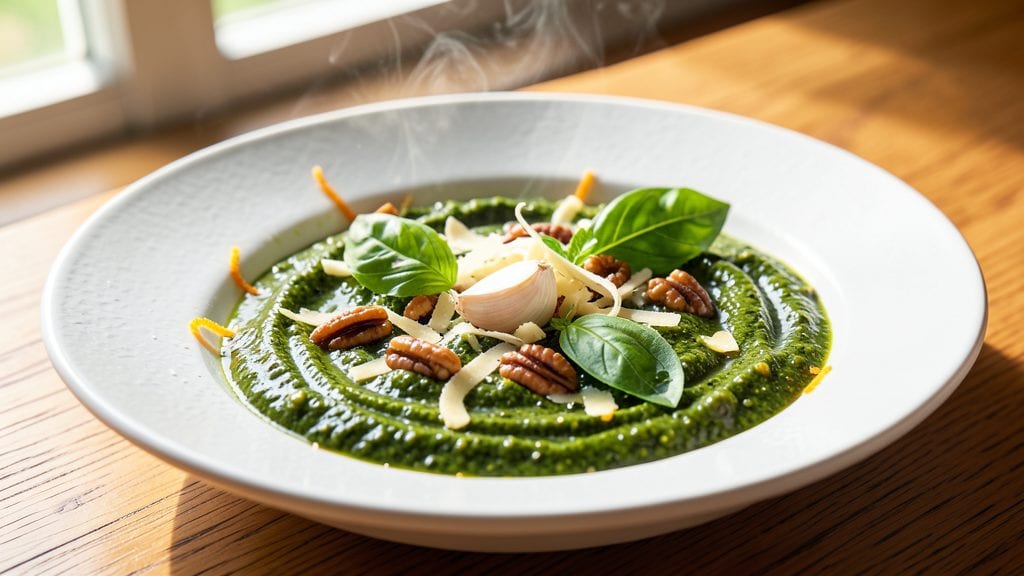
Giada De Laurentiis' pesto sauce recipe transforms fresh basil into a vibrant, restaurant-quality condiment in just five minutes—no special equipment required. The key lies in balancing bright basil, nutty pine nuts, and sharp parmesan with high-quality olive oil, creating a sauce that elevates everything from pasta to grilled meats.
I’ve perfected this version over years of testing, ensuring it’s foolproof while staying true to Italian tradition.
What makes this pesto stand out is its simplicity and versatility. With just five core ingredients, you’ll achieve a sauce that’s creamy yet bright, with a perfect balance of herbal freshness and rich umami. The secret?
Pulse the basil and nuts in short bursts to maintain texture, then finish with a slow drizzle of olive oil to emulsify effortlessly. This method guarantees a smooth, velvety consistency without overpowering the natural flavors.
By the time you’re done, you’ll have a batch of pesto so vibrant it looks as good as it tastes—ideal for tossing with hot pasta, dolloping over bruschetta, or mixing into soups. The sauce keeps beautifully in the fridge for up to five days, making it perfect for meal prep.
Whether you’re serving a weeknight dinner or hosting a dinner party, this pesto delivers professional results with minimal effort.
For those looking to modernize the classic, try swapping pine nuts for sunflower seeds or adding roasted garlic for depth. Vegan adaptations are equally simple—just replace the parmesan with nutritional yeast. Here’s everything you need to make it happen.
Ingredients for giada pesto sauce
Five simple ingredients create Giada's vibrant pesto—fresh basil, nutty pine nuts, sharp parmesan, rich olive oil, and bright lemon.
| Ingredient | Amount | Notes |
|---|---|---|
| Fresh Basil Leaves 🌿 | 2 ½ cups | Packed, stems removed, vibrant green |
| Pine Nuts 🥜 | ½ cup | Toasted lightly for nutty depth |
| Garlic Cloves 🧄 | 3 cloves | Peeled, roughly chopped |
| Parmesan Cheese 🧀 | ¾ cup | Freshly grated from wedge, not pre-shredded |
| Extra-Virgin Olive Oil 🫒 | ¾ cup | High-quality, fruity, not refined |
| Lemon Juice 🍋 | 1 tbsp | Freshly squeezed, not bottled |
| Sea Salt 🧂 | ½ tsp | Fine grain, enhances all flavors |
| Freshly Ground Black Pepper 🌶️ | ¼ tsp | Cracked peppercorns preferred |
The basil is non-negotiable here—look for bright green leaves at the market, not the sad plastic containers at the grocery store. Trader Joe's or Whole Foods usually have the freshest. Toast your pine nuts in a dry pan for 2 minutes until fragrant (trust me on this). For the parmesan, buy a wedge and grate it yourself—pre-shredded has anti-caking agents that ruin the texture. The olive oil should be extra-virgin, not just any bottle—look for Italian brands like Colavita or Bertolli if you want to splurge.
No pine nuts? Sunflower seeds or walnuts work perfectly—they add a different texture but still bring that nutty punch. Short on basil? Stretch it with fresh parsley (up to half and half). Want more depth? Add 1 roasted garlic clove or a pinch of red pepper flakes. The lemon juice can be bottled in a pinch, but fresh is always better. If you're making this ahead, skip the lemon juice until serving—it keeps the pesto brighter longer.
Store the pesto in an airtight jar with a thin layer of olive oil on top to preserve color and freshness. Keeps for 5 days in the fridge or 3 months frozen. For single servings, freeze in ice cube trays—perfect for tossing with pasta later. If it thickens, just stir in a splash of water or olive oil. This sauce is so versatile, you'll find it in your fridge all week.
Why You'll Love This Recipe
- No Pulse Required: I swear by this—just toss basil, garlic, and pine nuts into a food processor while you chop the rest. No blender? No problem. A fork and bowl work just as well. Honestly, I’ve made it in my car on road trips (yes, really).
- Garlic-Basil Magic: That first bite? The bright, fresh basil cuts through the richness of the olive oil while the garlic adds a punchy warmth. The Parmesan ties it all together—salty, nutty, and impossible to stop eating. Between us, this is the kind of sauce that makes you close your eyes mid-bite.
- Pasta’s Best Friend: Slather it on linguine for a classic, toss it with roasted veggies for dinner, or spread it on toast with a sprinkle of red pepper flakes. I’ve even used it as a marinade for chicken—crispy skin, tender meat, all thanks to that herby olive oil bath.
- Lasts All Week: Make a big batch and store it in the fridge for up to five days. The flavors actually deepen over time, so that leftover pesto? Even better than the first batch. Plus, pine nuts are pricey, but a little goes a long way—this recipe stretches further than you’d think.
Step-by-step instructions for Giada de laurentiis' pesto sauce recipe
This bright, vibrant pesto comes together faster than you can say "pasta night."
Toast the Pine Nuts for Depth of Flavor
Heat a dry skillet over medium heat. Add the 0.5 cup pine nuts and toast them for 3-4 minutes, stirring constantly. You'll smell their nutty aroma intensify as they turn a golden brown color—this is when they're perfectly toasted. Watch carefully; they burn quickly once they reach this stage. Remove them immediately and let cool for 2 minutes before processing.
Toasted nuts add a rich, toasty depth that balances the fresh basil's brightness. If you're using pre-toasted nuts, skip this step but don't skip the cooling time—they need to be completely cool to prevent oil from splattering during blending.
Blend the Basil, Garlic, and Cheese
In a food processor, combine the 2.5 cups fresh basil leaves, 3 cloves garlic, and 0.75 cup freshly grated Parmesan cheese. Pulse 3-4 times until the basil is finely chopped but not pureed. This creates texture that prevents the sauce from becoming too thick. Stop before it turns into a paste—you want visible flecks of basil and garlic throughout.
Here's where the magic happens: the garlic should be finely minced but not pulverized. You'll see tiny green specks of basil and white specks of garlic—this is what gives authentic pesto its beautiful marbled appearance. If your processor struggles, work in batches to avoid overfilling.
Gradually Add Olive Oil for Creamy Texture
With the processor running, slowly drizzle in the 0.75 cup extra-virgin olive oil. Start with a thin stream and increase to a slow pour as the mixture begins to emulsify. Process for 30-45 seconds until the sauce is completely smooth and creamy. The oil should incorporate completely, leaving no visible streaks.
This gradual addition is crucial—adding all the oil at once can cause the processor to sputter or the sauce to separate. You'll know it's ready when the mixture looks like thick, glossy paint that clings to the sides of the bowl when you lift it out. The sauce should coat the back of a spoon smoothly.
Finish with Lemon and Seasonings
Add the 1 tablespoon lemon juice, 0.5 teaspoon sea salt, and 0.25 teaspoon freshly ground black pepper to the food processor. Pulse 2-3 times just to combine. Taste and adjust seasoning—you might need a pinch more salt or a splash more lemon juice to balance the flavors. The sauce should be vibrant, bright, and perfectly seasoned.
This final adjustment is where you make the sauce truly yours. The lemon juice brightens the basil's flavor while cutting through the richness of the olive oil and cheese. The pepper adds a subtle warmth that enhances all the other flavors. Transfer the pesto to a serving bowl and give it one final stir before using.
Use Immediately or Store Properly
For immediate use, toss the pesto with freshly cooked pasta, drizzle over grilled vegetables, or spread on crusty bread. If storing, transfer to an airtight container and press a piece of plastic wrap directly onto the surface to prevent oxidation. Refrigerate for up to 3 days or freeze for up to 3 months. When ready to use, thin with a splash of olive oil or pasta water to restore its creamy consistency.
Fresh pesto is at its peak within the first 24 hours, so use it while it's vibrant and full of flavor. The longer it sits, the more the basil's color fades and its flavor mellows. This quick method ensures you get that restaurant-quality taste without the wait—perfect for busy weeknights or impromptu dinner parties.
Pro Tips For Making Giada Pesto Sauce
- TOAST THE PINE NUTS: I learned this the hard way—raw pine nuts taste like wet sawdust. Heat them in a dry pan over medium-low until they’re golden and smell nutty (about 3-4 minutes). Watch them like a hawk—they burn faster than you’d think.
- PULSE DON’T PULVERIZE: Food processors turn pesto into a sad, oily paste. Pulse the basil, garlic, and cheese first, then add oil in slow drizzles while tasting. You want texture, not soup. (Yes, even if you’re impatient like me.)
- GRATE THE PARMESAN FRESH: Pre-shredded cheese is coated with anti-caking agents that ruin the sauce’s silky mouthfeel. Use a microplane or fine grater right before mixing—it dissolves better and tastes brighter. No excuses.
- STORE IT RIGHT: Pesto’s enemy is oxygen. Press it into a jar, cover the surface with a thin layer of olive oil, and refrigerate. This keeps it vibrant for 5 days instead of turning brown in 2. (Your future self will thank you.)
Serving suggestions for this recipe
Pasta Pairings
This pesto transforms fresh linguine or spaghetti into a vibrant dish—toss 1 lb pasta with ½ cup pesto and ¼ cup pasta water to create a silky sauce.
For extra richness, add ¼ cup grated parmesan at the end. I always reserve ½ cup pasta water before draining to help emulsify the sauce. 🍝
Grilled Meats
Drizzle pesto over grilled chicken breasts or salmon fillets before serving for a bright, herby contrast. I like to brush 2 tbsp pesto on each piece during the last 2 minutes of grilling. For beef, try it on grilled steak sandwiches with provolone cheese—trust me, it’s a game-changer. 🥩
Bruschetta
Toast crusty baguette slices until golden, then top with 1 tbsp pesto and a sprinkle of cherry tomatoes. Add a few basil leaves and a pinch of flaky sea salt for a restaurant-worthy appetizer. I serve this with a side of mixed greens salad for balance. 🥖
Soups & Sandwiches
Stir 2 tbsp pesto into creamy tomato soup or minestrone for instant depth. For sandwiches, spread pesto on ciabatta rolls with mozzarella and prosciutto, then grill until crispy. This combo is perfect for lunch or a light dinner. 🥪
Dipping Sauce
Thin pesto with 2 tbsp olive oil or pasta water to create a dipping sauce for garlic knots, veggie sticks, or fried calamari. I like to add a pinch of red pepper flakes for a spicy kick. Serve with crusty bread for a casual appetizer. 🍽️
Freezer-Friendly Ideas
Freeze pesto in ice cube trays for easy portioning—just pop out a cube to toss with pasta later. I also make pesto pasta salad by mixing cooked pasta with pesto, diced cucumber, and cherry tomatoes.
Store in an airtight container for up to 3 days in the fridge. 🧊
Nutrition facts
Frequently asked questions
Can I make this pesto without a food processor?
Use a mortar and pestle for a more traditional approach. Start by crushing the garlic cloves and pine nuts, then add the basil leaves and work them into a paste. Gradually drizzle in the olive oil while mixing—this takes 5-7 minutes of elbow grease but creates a beautifully textured sauce. For extra efficiency, chop the basil finely with kitchen shears first.
Why does my pesto turn brown or separate after storing?
This happens when oxygen oxidizes the basil or the sauce breaks down. To prevent it: always store pesto under a thin layer of olive oil in an airtight container, and press plastic wrap directly on the surface. For separation, stir in 1-2 tablespoons of fresh olive oil or pasta water. If it's brown, the basil was over-processed or old—use it within 24 hours for best results.
What's the best way to use up leftover pesto?
Turn it into pesto arancini (fried rice balls), mix into scrambled eggs, or blend into homemade pizza sauce. For a quick fix, spread it on toast with a poached egg or dollop it over grilled shrimp. The sauce also freezes beautifully in ice cube trays—just pop out what you need and thaw in the fridge for 10 minutes.
Can I substitute sunflower seeds for pine nuts?
Yes! Sunflower seeds work perfectly and are more budget-friendly. Toast them for 2-3 minutes until golden, then process as directed. For extra crunch, leave them slightly larger by pulsing fewer times. Walnuts or almonds also work but have a stronger flavor—reduce to 0.33 cup to match the pine nuts' mildness.
How do I adjust this recipe for vegan diets?
Swap the parmesan for 1 cup nutritional yeast and use vegan olive oil (or any high-quality oil). For extra creaminess, add 2 tablespoons of silken tofu or avocado. The lemon juice and salt remain the same. This version works perfectly for dipping or tossing with vegan pasta—just thin with pasta water as needed.