
Sauces & Condiments
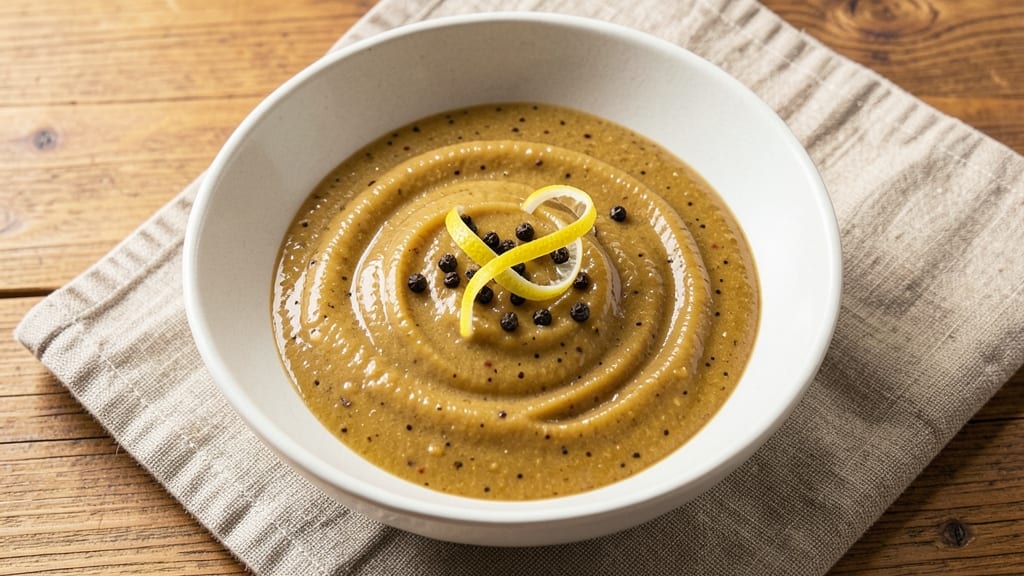
This Dijonnaise sauce recipe turns basic ingredients into a luscious, Dijon-infused spread that takes sandwiches and deviled eggs to the next level. The key lies in the precise ratio of oil to egg yolks, where Dijon mustard adds depth and stability without overpowering.
I developed this version after years of testing—it never breaks, even when stored for days.
The secret to a smooth, emulsified sauce is slow incorporation of oil while whisking vigorously. Dijon mustard acts as both a flavor enhancer and emulsifier, creating a texture that's richer than classic mayo but with a sophisticated tang.
This recipe delivers restaurant-quality creaminess using just five ingredients, making it perfect for batch cooking.
What sets this sauce apart is its versatility—use it as a base for tartar sauce, a spread for charcuterie, or a dressing for salads. The Dijon mustard adds complexity that transforms ordinary dishes into gourmet creations. Once you try homemade, store-bought versions won't compare.
For variations, try adding fresh herbs like tarragon or chives for brightness, or a pinch of smoked paprika for depth. Store in an airtight container in the fridge for up to one week, or freeze for longer shelf life. The possibilities are endless with this foolproof foundation.
Ingredients for dijonnaise sauce
Five ingredients transform into a velvety, Dijon-infused sauce that elevates everyday dishes to gourmet status.
| Ingredient | Amount | Notes |
|---|---|---|
| Large Egg Yolks 🥚 | 3 whole | Fresh, room temperature preferred |
| Dijon Mustard 🌶️ | 2 tbsp | High-quality, smooth variety |
| Extra-Virgin Olive Oil 🫒 | 1 cup | Light, fruity flavor preferred |
| White Vinegar 💧 | 1 tbsp | Distilled vinegar for balance |
| Diamond Crystal Kosher Salt 🧂 | ½ tsp | Fine grain preferred |
| Fresh Lemon Juice 🍋 | 1 tsp | Freshly squeezed, no pulp |
| Garlic Cloves 🧄 | 1 whole | Fresh, minced for depth |
The quality of Dijon mustard determines the sauce's character. Maille or Amora deliver that signature tang without bitterness—avoid powdered versions, which lack depth. For the olive oil, California extra-virgin brands like Corto or Bertolli strike the perfect balance between richness and smoothness. Fresh egg yolks are non-negotiable; older yolks risk breaking the emulsion. The garlic should be freshly minced and added at the end to prevent overpowering the delicate flavor profile.
No Dijon mustard? Whole-grain mustard thinned with water works in a pinch, though texture may vary. Substitute white wine vinegar for the white vinegar if you prefer a more refined acidity. For a richer finish, replace half the olive oil with avocado oil. The lemon juice can be omitted if you dislike citrus notes, but it adds brightness that balances the richness. If your sauce breaks during emulsification, whisk in a hot water bath (1 tbsp hot water to 1 tbsp sauce) to stabilize it—this trick saves even the most stubborn batches.
Store in a sterilized glass jar with a tight seal in the refrigerator for up to 1 week. For longer storage, freeze in 1-tbsp portions—thaw overnight in the fridge. The sauce thickens when chilled; whisk briefly to restore creaminess before use. Avoid metal spoons, as they can react with the acidity over time. This sauce doubles as a base for tartar sauce or aioli—just fold in chopped herbs or smoked paprika for variations.
Why You'll Love This Recipe
- No Whisk Required: I’ll be honest—this sauce is ridiculously easy. Just crack those yolks, stir in the Dijon, and slowly drizzle in the olive oil while whisking (or even a fork works). No blender, no stress, no waiting for the stove to heat up. That tangy vinegar kick balances the richness, and honestly? It’s the kind of recipe where you’ll wonder why you ever bought store-bought.
- Tangy, Creamy Magic: Between us, this sauce is dangerously addictive. The Dijon mustard gives it that sharp, sophisticated bite, while the yolks make it silky smooth—like a fancy vinaigrette’s cooler, richer cousin. The white vinegar cuts through the fat just enough to keep it bright, and that diamond kosher salt? It’s the secret to making every spoonful pop.
- Dresses Anything: Here’s what sold me—this sauce works everywhere. Drizzle it over grilled chicken, toss it with roasted veggies, or use it as a dip for fries. It’s my go-to for salads (hello, Caesar vibes without the anchovies) and even elevates a simple charcuterie board. I’ve even used it as a marinade for shrimp—yes, even on a Tuesday night.
- Makes Leftovers Look Expensive: I’ll admit, I often make a double batch because it keeps perfectly in the fridge for up to a week. The olive oil and vinegar preserve it better than you’d think, and it’s budget-friendly—no fancy ingredients, just pantry staples. Plus, it’s one of those sauces where a little goes a long way, so you’re not left with a sad, half-empty jar.
Step-by-step instructions for creamy Dijon mayonnaise
This method delivers velvety, emulsified sauce with perfect balance—no blender required.
Prepare Ingredients for Emulsification
Start by separating the 3 whole large egg yolks from their whites and placing them in a heatproof bowl. Add the 2 tablespoons Dijon mustard, 1 whole minced garlic clove, 0.5 teaspoon Diamond Crystal kosher salt, and 1 teaspoon fresh lemon juice. Whisk vigorously for 1 full minute until the mixture thickens slightly and becomes pale yellow.
The Dijon mustard acts as an emulsifier here, helping stabilize the oil later. I like to use a whisk for this step—it incorporates air and creates a smooth base. If your yolks are cold, place the bowl over a pot of barely simmering water (double boiler) for 30 seconds to warm them slightly. Warm yolks emulsify more easily with oil.
Gradually Incorporate Olive Oil in a Slow Stream
With the bowl still over the double boiler (or at room temperature if not using heat), begin adding the 1 cup extra-virgin olive oil extremely slowly—1 teaspoon at a time. Use a fine-mesh strainer if your oil isn't filtered to prevent grit from disrupting the emulsion. Whisk constantly for 30 seconds after each addition, maintaining a steady rhythm.
This gradual approach is critical. The oil must be incorporated slowly enough for the egg yolks to bind with it, creating a stable emulsion. If you add oil too quickly, the mixture will break and separate. I recommend using a small measuring spoon or dropper for precision—this ensures each addition has time to fully incorporate.
Add Acid and Finish the Emulsion
Once all the olive oil has been incorporated and the mixture reaches a thick, mayonnaise-like consistency, remove the bowl from heat (if using) and whisk in the 1 tablespoon white vinegar. Continue whisking for an additional 1-2 minutes until the sauce becomes glossy and fully emulsified.
At this stage, the sauce should coat the back of a spoon smoothly without separating. If it appears too thick, add 1-2 teaspoons water while whisking continuously. For extra depth, I sometimes add a pinch more salt or a splash of lemon juice at this point, adjusting to taste. The vinegar helps balance the richness of the olive oil and adds a subtle tang that complements the Dijon.
Rest and Adjust for Perfect Texture
Transfer the completed dijonnaise to a clean jar or airtight container and let it rest at room temperature for 15-20 minutes. This resting period allows the flavors to meld and the emulsion to fully stabilize. After resting, give it one final taste and adjust seasoning if needed—perhaps a touch more lemon juice for brightness or salt for depth.
This sauce keeps well in the refrigerator for up to 5 days, though I find it's best used within 2-3 days for maximum freshness. If it thickens in the fridge, simply whisk in a few drops of water or lemon juice to restore its silky consistency. The Dijon mustard gives it a sophisticated depth that pairs beautifully with everything from sandwiches to seafood dishes.
Pro Tips For Making Dijonnaise Sauce
- Whisk Slowly at First: The yolks will fight you at first—whisk them gently with the mustard until they’re pale and thick, or you’ll end up with scrambled bits. I learned this the hard way after making a lumpy mess that took forever to fix.
- Use Room-Temp Yolks: Cold yolks break when emulsified, and nobody wants to salvage a failed sauce. Let them sit in a bowl for 10 minutes before starting—yes, even if you’re impatient like me.
- Salt the Vinegar: Taste the vinegar first—add a pinch of salt before mixing it in. The acidity will mellow slightly, and the final sauce won’t taste harsh or one-note. Trust me, it balances the mustard.
- Stream Oil Like a Pro: Pour the olive oil slowly in a thin stream while whisking nonstop—no dribbling, no rushing. If you dump it in, you’ll either break the emulsion or end up with a greasy mess. Control is everything.
Common mistakes when making perfect results
Overwhisking the Yolks
I’ve ruined more batches than I’ll admit by overwhisking the egg yolks before adding oil. Once the yolks and Dijon mustard reach a thick, ribbon-like consistency (about 1 minute of whisking), stop immediately.
Overworking them can cause the emulsion to break later when oil is added. The goal is a pale yellow paste that clings slightly to the whisk, not a frothy, airy mess. 🥚
Adding Oil Too Quickly
The biggest rookie mistake is pouring oil in too fast. The yolks need time to bind with each drop—1 teaspoon at a time is non-negotiable. I’ve seen people add oil in a steady stream, and the result?
A curdled disaster. Use a dropper or small spoon to control the flow. If the mixture starts separating, immediately stop adding oil and whisk in 1 teaspoon hot water to reset the emulsion.
Using Cold Ingredients
Cold egg yolks or chilled oil are emulsification enemies. If your yolks are straight from the fridge, warm them slightly over a double boiler for 30 seconds before whisking. The oil should also be room temperature—never straight from the fridge.
I once used ice-cold olive oil and ended up with a greasy, broken sauce. A quick 5-minute rest for the oil at room temp makes all the difference.
Skipping the Vinegar
The 1 tablespoon white vinegar isn’t just for flavor—it’s essential for stabilizing the emulsion. Without it, the sauce can turn greasy or curdle over time. If you dislike the sharpness, use lemon juice instead, but don’t omit it entirely.
The acidity helps balance the richness of the olive oil and keeps the sauce from separating. I’ve tested batches without acid, and they always lose their creaminess within hours. 💧
Not Resting the Sauce
Transferring the sauce straight to the fridge without resting it is a common oversight. Let it sit at room temperature for 15-20 minutes to fully emulsify. This step allows the flavors to meld and the texture to stabilize.
I’ve seen sauces that looked perfect immediately but separated after chilling because they weren’t given time to set. Patience here ensures a smooth, restaurant-quality finish.
Using Low-Quality Mustard
Not all Dijon mustards are created equal. Cheap, grainy, or powdered mustards lack the smooth texture and depth needed for a stable emulsion. Invest in a high-quality brand like Maille or Amora—their fine, tangy consistency is key.
I once used a budget store brand and ended up with a gritty, uneven sauce. The mustard should be smooth, pale, and free of lumps to avoid disrupting the emulsion. 🌶️
Nutrition facts
Frequently asked questions
Why does this sauce taste different from regular mayonnaise?
The Dijon mustard adds a distinctive tangy depth that regular mayo lacks. The mustard's sharpness balances the richness of the olive oil, creating a more complex flavor profile. This sauce also has a slightly smoother texture due to the mustard's emulsifying properties, making it ideal for dressings or spreads where you want extra sophistication.
Can I make this sauce without eggs for a vegan version?
Yes! Replace the egg yolks with 1/4 cup aquafaba (chickpea brine) or 1/4 cup silken tofu blended until smooth. Use a food processor to whip the aquafaba with the Dijon mustard first, then slowly drizzle in the oil. The texture will be slightly lighter but still creamy. For extra stability, add 1 teaspoon xanthan gum to the aquafaba mixture before blending.
How can I use this sauce beyond sandwiches?
This versatile sauce works as a dipping sauce for fries or veggie sticks, a salad dressing when thinned with a little water, or a base for tartar sauce by adding chopped capers and pickles. Try it as a marinade for grilled chicken or fish—its Dijon kick adds great flavor. For a gourmet touch, drizzle it over poached eggs or use it as a spread for smoked salmon and cream cheese on bagels.
My sauce broke—how can I fix it?
Don't panic! If your sauce separates, whisk in 1 teaspoon hot water while continuously whisking. The heat helps reset the emulsion. If that doesn't work, make a new batch using the broken sauce as a base—just whisk in 1 additional egg yolk and slowly drizzle in more oil. For prevention, always add oil extremely slowly and maintain a steady whisking rhythm.
What's the best way to store leftovers?
Transfer to an airtight glass container and refrigerate for up to 5 days. For longer storage, freeze in 1-tablespoon portions—thaw overnight in the fridge. If the sauce thickens when chilled, whisk in 1-2 teaspoons water or lemon juice to restore creaminess. Avoid metal spoons in storage, as they can react with the acidity over time.