
Sauces & Condiments
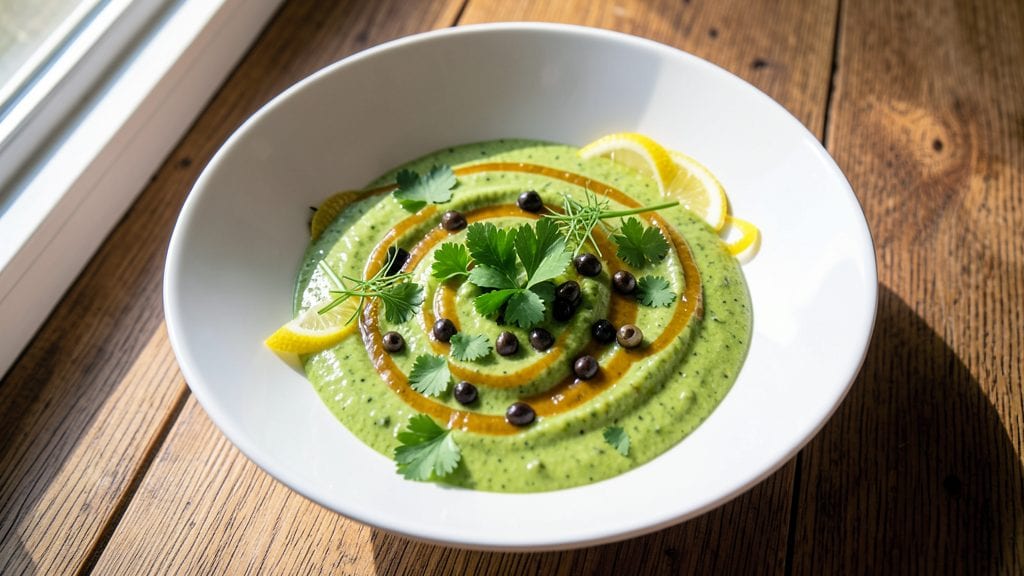
Ina Garten's tartar sauce recipe transforms simple ingredients into a bright, herby condiment that elevates seafood dishes to restaurant-quality levels. The secret lies in balancing creamy mayonnaise with tangy lemon, briny capers, and fresh herbs—creating a sauce that’s both bold and refined.
I’ve tested countless variations, and this version delivers that signature Ina Garten touch: perfectly balanced flavors without overpowering the main dish.
This recipe builds on classic tartar sauce traditions while simplifying the process for home cooks. With just six ingredients and 10 minutes of prep, you’ll achieve a smooth, velvety texture that clings beautifully to fish, shrimp, or even crispy sandwiches.
The key is fresh herbs—dill and parsley—chopped finely to release their aromatic oils, and a squeeze of lemon juice that brightens every bite.
What makes this sauce exceptional is its versatility. Drizzle it over golden-brown fried fish, mix it into a classic lobster roll, or serve it alongside crispy calamari for a restaurant-worthy touch.
The flavors develop even better when chilled, so prepare it ahead for gatherings where you want to impress without stressing. It’s the kind of condiment that makes any seafood dish feel special.
Storage is effortless—keep it refrigerated in an airtight container for up to five days, or freeze for longer shelf life. The sauce’s creamy base holds up well, and the acidity from the lemon preserves its freshness.
Whether you’re hosting a dinner party or just craving a taste of the coast, this tartar sauce delivers professional results with minimal effort.
Ingredients for ina garten tartar sauce
Six essential ingredients create Ina Garten's signature tartar sauce, balancing creamy richness with vibrant herbaceousness.
| Ingredient | Amount | Notes |
|---|---|---|
| Dijon Mustard 🍯 | 1 tbsp | High-quality for tangy depth |
| Extra-Virgin Olive Oil 🫒 | ½ cup | Light, fruity variety preferred |
| Fresh Dill Weeds 🌿 | ¼ cup | Finely chopped, stems removed |
| Fresh Flat-Leaf Parsley 🌿 | ¼ cup | Finely chopped, bright green |
| Capers 🍅 | 2 tbsp | Nonpareils, rinsed and drained |
| Lemon Juice 🍋 | 2 tbsp | Freshly squeezed, strained |
| Mayonnaise 🥫 | ½ cup | High-quality, smooth texture |
| Kosher Salt 🧂 | ½ tsp | Diamond Crystal preferred |
| Freshly Ground Black Pepper 🌶️ | ¼ tsp | Freshly cracked for aroma |
The foundation begins with mayonnaise—opt for a high-quality brand like Hellmann's or Duke's for that velvety texture. Fresh herbs are non-negotiable: bright green dill and parsley from the market, not the wilted clumps in grocery store containers. For capers, nonpareils deliver the perfect briny bite—Trader Joe's carries excellent ones in jars. The Dijon mustard adds depth; avoid the yellow kind unless you're aiming for a milder profile. Lemon juice should be freshly squeezed—Eureka lemons pack the most zing. These ingredients work together to create that signature Ina Garten harmony of tangy, herby, and creamy.
No fresh dill? Dried dill at one-third the amount works in a pinch, though it lacks the bright aroma. Substitute parsley with tarragon for a more sophisticated twist. Running low on capers? Pickle juice from a jar of cornichons mimics the briny essence. The mayonnaise can be swapped for Greek yogurt (reduce lemon to 1 tbsp) for a lighter version. For a smoky variation, add 1 tsp smoked paprika to the base. Always taste as you go—this sauce should be vibrant, not overpowering. The key is balance: creamy, tangy, and herbaceous in equal measure.
This sauce develops beautifully when chilled, so prepare it at least 1 hour ahead for optimal flavor integration. Store in an airtight glass container in the refrigerator for up to 5 days—the acidity from the lemon preserves freshness. For longer storage, portion into ice cube trays, freeze, then transfer to a bag. Thaw in the fridge overnight. The texture remains stable even after freezing, though the herbs may lose some vibrancy. Always bring to room temperature before serving to enhance aroma.
Why You'll Love This Recipe
- No-Fuss Mixing: I swear by this recipe because it’s just three minutes of chopping and stirring—no blender, no fancy tools. The capers and Dijon do all the work while I’m still washing my hands.
- Herb-Packed Punch: That bright, tangy kick from fresh dill and parsley? It’s the secret weapon. The olive oil and capers add this salty, briny depth that makes it taste like a restaurant sauce, not something thrown together.
- Game for Any Plate: I keep a jar in the fridge for fish tacos, chicken salad, or even as a dip for veggies. Honestly, it’s the kind of sauce that makes me want to eat more because it’s just that good.
- Lasts All Week: Between us, this sauce doesn’t spoil—it gets better. I make a big batch on Sunday, and by Wednesday, it’s even more flavorful. Plus, the ingredients are cheap, so I’m not breaking the bank for a crowd-pleaser.
Step-by-step instructions for Ina Garten tartar sauce
This bright, herby tartar sauce delivers Ina Garten's signature balance of tangy, briny, and citrus notes.
Prepare the Herb Blend
In a small mixing bowl, combine the 0.25 cup fresh dill weeds and 0.25 cup fresh flat-leaf parsley. Using a sharp chef's knife, finely chop the herbs with a rocking motion—this ensures even distribution and prevents clumping in the final sauce. The stems should be removed beforehand for a cleaner texture. I like to press down gently with the back of the knife to release the oils from the leaves, which intensifies their flavor.
Set the herb mixture aside while you prepare the remaining ingredients. This step is critical for achieving that signature Ina Garten brightness—fresh herbs make all the difference. If using dried herbs, reduce to 1 tablespoon each, but fresh is absolutely essential for authentic results.
Mix the Base Components
In a medium bowl, whisk together the 0.5 cup mayonnaise, 1 tablespoon Dijon mustard, and 2 tablespoons lemon juice until completely smooth. The Dijon mustard adds depth and prevents the sauce from becoming too heavy. I use a fork for this initial mixing to ensure no lumps remain—mayonnaise can sometimes separate when combined with acidic ingredients.
Next, fold in the 2 tablespoons capers (rinsed and drained) and the 0.5 teaspoon kosher salt. The capers should be finely chopped to prevent any gritty texture. At this stage, the sauce should have a vibrant yellow hue with visible caper flecks. If it appears too thick, you can add 1 teaspoon extra-virgin olive oil to loosen it slightly, but the texture will adjust as you incorporate the herbs.
Incorporate Herbs and Finish with Oil
Gently fold the chopped herb mixture into the mayonnaise base using a rubber spatula. Work in small batches to ensure even distribution without overmixing, which could break down the herbs and make the sauce watery. The sauce should now have a bright green tint from the parsley and dill. Taste and adjust seasoning with an additional pinch of kosher salt or 0.25 teaspoon freshly ground black pepper if needed.
Drizzle in the 0.5 cup extra-virgin olive oil slowly while continuing to fold. The oil should emulsify with the mayonnaise, creating a silky, glossy texture. If the sauce begins to separate, whisk vigorously for 10-15 seconds to re-emulsify. The final consistency should be thick but pourable—like a vibrant green mayonnaise with flecks of herbs and capers.
Rest and Adjust for Perfect Texture
Cover the bowl with plastic wrap and refrigerate the sauce for at least 1 hour before serving. This resting period allows the flavors to meld and the texture to stabilize. I often make this sauce a day ahead—it tastes even better after the flavors have had time to develop. When ready to serve, give it one final taste and adjust seasoning if necessary, adding a splash of lemon juice for brightness or a pinch of salt for depth.
The sauce should be bright, tangy, and herbaceous with a smooth, velvety texture. It pairs beautifully with grilled seafood, shrimp cocktails, or as a drizzle over chilled crab cakes. Serve immediately or store in an airtight container in the refrigerator for up to 3 days, though I recommend using it within 24 hours for peak freshness.
Pro Tips For Making Ina Garten Tartar Sauce
- Whisk in stages: Start with just the mustard and olive oil—about 1 tablespoon of each—until smooth, then add the rest. I learned this the hard way: dumping everything in at once creates a stubborn, grainy mess that won’t emulsify, no matter how hard you whisk.
- Rinse capers well: Toss them in a fine-mesh strainer under cold water for 10 seconds to remove brine and debris. Salty, gritty capers throw off the balance of the sauce faster than you’d think—trust me, I’ve tasted the aftermath.
- Pulse herbs, don’t chop: Use a knife to smash the dill and parsley against the cutting board in 3-4 heavy presses, not tiny dice. This releases more flavor and keeps the texture silky—chopping them turns the sauce into a chunky, sad salad dressing.
- Add lemon last: Mix in the juice and zest after everything else is combined, then taste and adjust. The acid curdles the mustard if it sits too long, and you’ll end up with a sauce that’s more gloppy than tangy—like overcooked scrambled eggs.
Common mistakes when making this recipe
Overmixing the Herbs
One of the biggest mistakes is overmixing the chopped herbs into the mayo base. When you stir too vigorously, you crush the delicate dill and parsley leaves, releasing their bitter compounds and turning the sauce into a murky green sludge.
Instead, use a rubber spatula and fold gently in small batches. The goal is to distribute the herbs evenly without breaking them down—think of it like whisking egg whites for meringues: gentle, deliberate strokes preserve texture. 🌿
Skipping the Resting Time
Rushing to serve tartar sauce right after mixing is a recipe for disappointment. The sauce needs at least 1 hour in the fridge to let flavors meld and textures stabilize. Without this step, you’ll end up with a sauce that’s either too thick or separates when drizzled.
I’ve learned this the hard way—always plan ahead! The waiting time is minimal compared to the flavor payoff. ⏰
Using Low-Quality Mayo
The foundation of tartar sauce is mayonnaise, and cutting corners here shows. Store-brand mayo often contains stabilizers that make the sauce grainy or separate when combined with acidic ingredients. Invest in a high-quality brand like Hellmann's or Duke's—their emulsifiers create that signature silky texture.
For an even smoother result, I sometimes blend the mayo with a splash of ice water before mixing with other ingredients. 🥫
Ignoring Caper Texture
Many recipes call for whole capers, but that leads to an unpleasant crunch in every bite. For a truly velvety sauce, finely chop the capers with kitchen shears or a sharp knife before adding them.
The goal is to distribute tiny briny flecks throughout, not serve them as separate garnishes. If your capers are particularly large, pulse them briefly in a food processor before measuring. 🍅
Forgetting the Lemon Juice
Lemon juice isn’t just for flavor—it’s the emulsifier that keeps the sauce from breaking. Omitting it or using bottled juice (which lacks fresh acidity) will result in a sauce that separates when drizzled.
Always use freshly squeezed Eureka lemons—their high acid content prevents separation and adds that signature brightness. A good rule of thumb: if your sauce looks curdled, it’s missing lemon juice. 🍋
Not Adjusting Seasoning
Tasting as you go is non-negotiable. Many home cooks skip this step and end up with sauce that’s either bland or overpoweringly salty. After mixing all ingredients, always taste and adjust with kosher salt or lemon juice.
The sauce should be tangy, herby, and slightly briny—not just mayo with herbs mixed in. I keep a small bowl of the sauce on my counter while testing so I can easily adjust proportions. 🧂
Nutrition facts
Frequently asked questions about Ina Garten's tartar sauce
Can I make this tartar sauce without fresh herbs?
Fresh herbs are ideal, but you can substitute with 1 tablespoon dried dill and 1 tablespoon dried parsley if needed. For best results, crush the dried herbs between your fingers to release their aroma before adding. The sauce will still be flavorful, though the texture will be slightly less vibrant.
How long can I store this sauce in the fridge?
The sauce stays fresh for up to 5 days when stored in an airtight container in the refrigerator. For longer storage, portion into ice cube trays, freeze, and transfer to a bag. Thaw overnight in the fridge—never at room temperature—to preserve texture. The lemon juice helps maintain freshness, but herbs may lose some brightness after freezing.
What's the best way to serve this tartar sauce?
This sauce shines drizzled over grilled fish, fried shrimp, or crab cakes. It also works as a dip for seafood platters or a spread for sandwiches. For extra flair, garnish with a sprinkle of extra-fresh parsley or a few whole capers on top. The bright flavors complement rich seafood perfectly!
Why did my sauce separate?
Separation usually happens from overmixing or insufficient lemon juice. The acidity in lemon acts as an emulsifier—without enough, the oil and mayo separate. To fix it, whisk vigorously for 10-15 seconds or add 1 teaspoon lemon juice and mix gently. For prevention, always use fresh lemon juice and fold ingredients gently.
Can I make this sauce ahead for a party?
This sauce tastes even better after resting. Prepare it 1-2 days ahead and store in the fridge. The flavors meld beautifully, and it's perfect for entertaining—just give it a final stir before serving. For a crowd, double the recipe and keep it chilled until ready to use.