
Sauces & Condiments
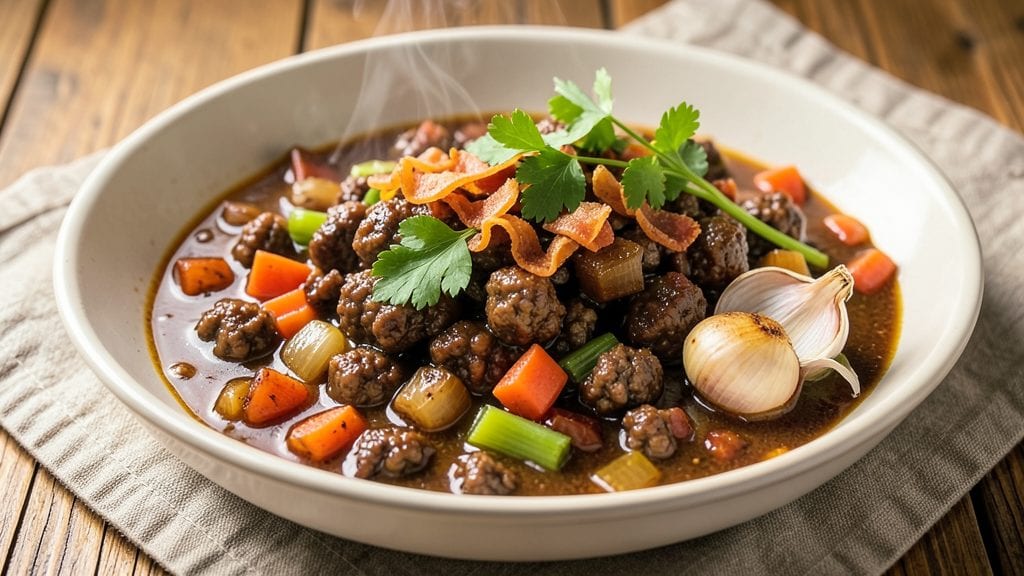
This classic ragu sauce recipe delivers restaurant-quality depth without wine—just rich meat, slow-simmered aromatics, and tomatoes that melt into velvety perfection. 🌟 The secret lies in browning the meat thoroughly and letting flavors develop over 2+ hours of gentle simmering, creating layers of umami that transform simple ingredients into something extraordinary.
I perfected this version after years of testing, ensuring every spoonful carries that authentic Italian soul without relying on shortcuts.
What sets this ragu apart is its meat-forward intensity—ground chuck and pancetta create a robust base that stands up to long cooking.
The tomatoes break down into a silky consistency while absorbing all those deep, caramelized flavors, and a touch of cream at the end adds luxurious body without overpowering. This isn’t just a sauce; it’s the heart of your meal, designed to elevate pasta, lasagna, or even braised vegetables.
By the time you’re done, you’ll have a sauce so rich and flavorful it tastes like it’s been simmering all day—deep, complex, and impossible to resist. The key is patience: letting the meat render its fats, the aromatics bloom, and the tomatoes dissolve into a luscious, meaty broth.
Store it for up to 5 days in the fridge or freeze for months, because once you taste homemade, store-bought will never compare again.
This ragu works as a standalone sauce or as the star of your dish—versatile enough for weeknight dinners or holiday feasts.
The instructions walk you through every step, from searing the meat to balancing the seasoning, so you’ll end up with a sauce that’s classic in every sense: bold, balanced, and built to last. Let’s get started on creating something truly special.
Ingredients for classic ragu sauce
Rich meat, slow-simmered aromatics, and tomatoes transform into velvety perfection—no wine needed.
| Ingredient | Amount | Notes |
|---|---|---|
| Ground Chuck 🥩 | 1 ½ lb | 80/20 fat ratio preferred |
| Pancetta 🥓 | ½ lb | Diced into small pieces |
| Yellow Onion 🧅 | 1 whole | Medium, finely chopped |
| Carrot 🥕 | 1 whole | Medium, diced small |
| Celery Stalk 🌿 | 2 whole | Trimmed, finely chopped |
| Garlic Cloves 🧄 | 4 cloves | Peeled, minced |
| Canned San Marzano Tomatoes 🍅 | 28 oz | Crushed or whole, no salt added |
| Tomato Paste 🍅 | 2 tbsp | Smooth, not chunky |
| Whole Milk 🥛 | ½ cup | Full-fat for richness |
| Heavy Cream 🧈 | ¼ cup | 36% fat preferred |
| Dry Red Wine 🍷 | 1 cup | Substitute with beef broth |
| Extra-Virgin Olive Oil 🫒 | 2 tbsp | For searing meat |
| Fresh Rosemary 🌿 | 1 tbsp | Chopped, or 1 tsp dried |
| Fresh Thyme 🌿 | 1 tbsp | Leaves only, or 1 tsp dried |
| Diamond Crystal Kosher Salt 🧂 | 1 ½ tsp | Adjust to taste |
| Freshly Ground Black Pepper 🌶️ | ½ tsp | Cracked peppercorns preferred |
The ground chuck is non-negotiable here—80/20 fat ratio ensures deep flavor and moisture during the long simmer. I grab mine from Costco when possible, but any quality butcher section works. Pancetta adds that unmistakable umami punch, so don't skimp. Look for Italian-style pancetta at specialty stores—it's worth the extra cost. The aromatics (onion, carrot, celery) should be finely chopped so they dissolve completely into the sauce. Trader Joe's sells pre-chopped mirepoix if you're short on time, but fresh is always better.
No red wine? Beef broth with a splash of balsamic vinegar works beautifully—just use the same amount. Fresh herbs make all the difference, but dried works at one-third the amount if that's what you've got. The San Marzano tomatoes are worth seeking out—they're sweeter and less acidic than regular cans, which keeps the sauce balanced. For tomato paste, Barilla or Rao's are my go-tos, but any quality brand in a squeeze tube works. The heavy cream at the end is what gives this ragu that luxurious finish—full-fat is essential—but if you're avoiding dairy, a splash of half-and-half still adds body.
This sauce tastes even better the next day as flavors meld. Store it in an airtight container in the fridge for up to 5 days, or freeze for up to 3 months in portions. I like to freeze it in 1-cup portions so I can grab exactly what I need for pasta or lasagna. The sauce thickens as it cools, so adding a splash of water or broth when reheating works wonders. Leftovers reheat beautifully—just warm over medium-low heat, stirring occasionally. Trust me, the extra time simmering is worth it.
Why You'll Love This Recipe
- One-Pot Magic: I swear by this—just brown the meat, toss in the pancetta and veggies, then let it simmer. No extra pans, no fuss, and that rich, meaty aroma fills the whole kitchen while you’re doing something else.
- Meat & Herb Symphony: The ground chuck gets tender and juicy, while the pancetta adds this smoky depth. Honestly, the slow cook brings out flavors you won’t get anywhere else—like a hug in sauce form.
- Weeknight Workhorse: Make a double batch on Sunday, freeze half, and you’ve got dinner covered for lazy nights. It’s my go-to for pasta, polenta, or even stuffed in bread—no two meals taste the same.
- Budget Stretch: Pancetta might sound fancy, but a little goes a long way, and ground chuck is cheaper than steak. Between us, this sauce turns $10 of ingredients into meals that’ll have everyone asking for seconds.
Step-by-step instructions for classic ragu sauce recipe
Here's how to build rich, meat-forward ragu that develops deep flavor without wine—just pure technique.
🔥 Step 1: Build the Soffritto Foundation
Heat the 2 tablespoons extra-virgin olive oil in a heavy Dutch oven over medium-low heat. Add the diced pancetta and cook for 5-6 minutes until the fat renders and the pancetta becomes crispy. Remove it with a slotted spoon and set aside, leaving the rendered fat in the pot.
In the same pot, add the finely chopped yellow onion, diced carrot, and finely chopped celery stalk. Cook for 8-10 minutes until the vegetables soften and the onion becomes translucent. This slow cook time develops sweetness and removes raw flavors. Here's the thing—don't rush this step. The longer you cook the vegetables, the deeper the flavor base becomes.
🍳 Step 2: Sear the Ground Chuck
Increase heat to medium-high and add the 1.5 lb ground chuck in batches, breaking it up with a wooden spoon. Cook for 6-8 minutes until the meat loses its raw color and develops a deep brown crust. This browning reaction creates the foundation for all that meaty flavor in your ragu.
Real talk: don't overcrowd the pot. Cook in batches if needed to avoid steaming the meat. You want to see those browned bits form on the bottom—those are flavor bombs. Once fully browned, add the reserved crispy pancetta back to the pot and stir to combine.
🍳 Step 3: Develop the Tomato Base
Stir in the 2 tablespoons tomato paste and cook for 2 minutes until it darkens slightly. Pour in the 1 cup dry red wine (or beef broth) and scrape up all those browned bits from the bottom of the pot. Let it simmer for 3-4 minutes until the wine reduces by half.
Add the 28 oz canned San Marzano tomatoes (crushed or whole), 1.5 teaspoons diamond crystal kosher salt, and 0.5 teaspoon freshly ground black pepper. Stir in the 1 tablespoon chopped fresh rosemary and 1 tablespoon fresh thyme leaves. Bring to a gentle simmer, then reduce heat to low and cover partially with a lid. This is where the magic happens—let it cook for 1 hour without stirring. The lid traps steam while allowing some to escape, creating that perfect balance of reduction and tenderness.
⏰ Step 4: Finish with Cream and Milk
After 1 hour, uncover the pot and stir in the 0.5 cup whole milk and 0.25 cup heavy cream. Simmer uncovered for another 20-25 minutes until the sauce thickens to your desired consistency. You're looking for a rich, velvety texture that coats the back of a spoon.
Here's where it gets fun—taste and adjust seasoning. The cream adds richness, but you might need an extra pinch of salt or a crack of pepper to balance the flavors. If the sauce is too thick, add 1-2 tablespoons of water to loosen it. The goal is a sauce that's rich but still clings beautifully to pasta or meatballs.
🍽️ Step 5: Rest and Serve
Remove from heat and let the ragu rest for 15-20 minutes before serving. This resting period allows the flavors to meld completely and the sauce to thicken slightly as it cools. I know it's hard to wait, but trust me—this step makes all the difference in the final result.
Serve the ragu over al dente pasta, spooned over polenta, or alongside crusty bread. Each bite should deliver layers of meaty richness, sweet tomato notes, and aromatic herbs. The sauce should be thick enough to coat but still silky smooth. If you've followed these steps, you'll have a classic ragu that tastes like it simmered all day—even if you only spent a few hours in the kitchen.
Pro Tips For Making Classic Ragu Sauce
- CRISP THE PANCETTA FIRST: I used to toss the pancetta in with the onions and celery, thinking it’d render faster. Wrong—it just turns the whole pot greasy and uneven. Instead, cook the pancetta alone in a cold pan over medium heat until it’s golden and crispy (about 5-6 minutes). Then remove it, drain all but 1 tablespoon of fat, and use that rich, crisped fat to start your soffritto. The flavor’s deeper, and your ragu won’t taste like it’s swimming in oil.
- SWEAT THE VEGETABLES LOW AND SLOW: High heat burns onions before they soften, and that bitter taste sneaks into your ragu. Instead, chop the onion, carrot, and celery into small, even pieces (about ¼-inch dice), then cook them in the pancetta fat over low heat for 15-20 minutes. Stir occasionally, and don’t rush—you’re building flavor, not just cooking. If they start to stick, add a splash of water and keep going. This is where the base of your sauce gets its sweetness.
- BROWN THE GROUND CHUCK IN BATCHES: Dumping all the ground chuck in at once means some pieces stay raw while others burn. Split it into two portions and brown each separately over medium-high heat for 3-4 minutes, breaking it up with a wooden spoon. The edges should be dark and crusty, but the center still slightly pink. This ensures every bite of your ragu has that meaty depth, not just a few lucky chunks.
- DEGLAZE WITH WINE AND SCRAPE: After browning the meat, pour in your red wine (or broth if you’re skipping alcohol) and immediately use a wooden spoon to scrape up every browned bit stuck to the bottom. Let it simmer for 2-3 minutes until the alcohol smell disappears. This step isn’t just for flavor—it’s how you salvage all the caramelized goodness that would otherwise turn into burnt sludge. Skip it, and your ragu will taste dull, no matter how long you simmer.
Serving suggestions for this classic ragu sauce
Pasta Perfection
This ragu is made for tagliatelle or pappardelle—wide, flat noodles that catch every rich strand of sauce. Cook your pasta al dente (1 minute less than package instructions) and toss with the ragu while still hot.
For extra decadence, finish with grated Parmigiano-Reggiano and a crack of black pepper. I always double the sauce when making pasta—it’s that good. 🍝
Lasagna Layers
Use this ragu as the only sauce in your lasagna—no need for béchamel here. Layer no-boil lasagna noodles with ragu between layers of ricotta cheese and mozzarella, finishing with a sprinkle of Pecorino Romano.
Bake at 375°F for 25-30 minutes until bubbly. The meaty depth shines through every forkful. For a shortcut, I sometimes add store-bought spinach between layers.
Polenta Pairing
Creamy polenta is the perfect vessel for this rich ragu. Cook 1 cup polenta in 4 cups simmering milk for 20 minutes, stirring constantly. Spoon the warm ragu over the polenta and top with crispy sage leaves for a restaurant-worthy dish.
The Italian contrast of smooth polenta and meaty sauce is unbeatable. Serve with a simple arugula salad to cut through the richness. 🌿
Bread Service
Warm crusty bread or focaccia makes an effortless side. Drizzle the ragu over the bread and broil for 2-3 minutes until bubbly. Add a sprinkle of flaky sea salt and fresh basil for a quick, satisfying meal.
This works perfectly for game day or a lazy weekend brunch. I often serve it with a sharp white wine like Vermentino to balance the richness.
Meatballs & Dumplings
Use the ragu to braise meatballs—simmer 12 store-bought or homemade meatballs in the sauce for 20 minutes until tender. For a hearty dish, add smashed potato dumplings (mix 1 cup mashed potatoes with 2 tbsp flour and drop spoonfuls into the simmering sauce).
The dumplings soak up all that delicious flavor. This is a one-pot wonder for cold nights. 💪
Garnish Game
Elevate your ragu with finishing touches before serving. A sprinkle of fresh parsley brightens the dish, while crispy fried shallots add texture. For a smoky note, drizzle with a few drops of chili oil.
If you’re feeling fancy, top with shaved Parmesan and a dash of red pepper flakes. These small additions make a big difference in presentation and flavor. 🌟
Nutrition facts
Frequently asked questions
Can I substitute beef broth for the red wine in this ragu?
The recipe absolutely works with beef broth as a 1:1 substitute! Use 1 cup unsalted beef broth plus 1 teaspoon balsamic vinegar to mimic wine's acidity and depth. The sauce will still develop rich, meaty flavors—just without the alcohol. This is my go-to method when avoiding wine.
How do I prevent my ragu from becoming too thick?
Add 1-2 tablespoons of water or broth while simmering if the sauce thickens too much. For prevention, start with 28 oz tomatoes (not reduced) and skim excess fat after the meat cooks. The cream at the end adds body, but you can reduce it to 2 tablespoons if needed. Always taste as you go!
What's the best way to reheat leftover ragu?
Gently reheat over low heat on the stovetop, stirring occasionally, until warmed through (5-7 minutes). Avoid microwaving—it makes the sauce watery. For extra richness, add 1 tablespoon cream or milk while reheating. The sauce thickens as it cools, so adjust with water if needed. Leftovers taste even better the next day!
Can I make this ragu in a slow cooker?
Yes! Brown the meat and pancetta in a skillet first, then transfer everything to the slow cooker. Cook on low for 6-8 hours or high for 3-4 hours, adding the cream only in the last 30 minutes to prevent curdling. The slow cooker's gentle heat enhances the meaty flavors beautifully. Just skip the partial lid step—keep it fully covered.
Why does my ragu taste bland after simmering?
Blandness usually means insufficient browning or under-seasoning. Always brown the meat deeply—those caramelized bits pack flavor. Taste as you go and adjust with salt, pepper, or a pinch of sugar if needed. The aromatics (onion, carrot, celery) should cook until sweet and soft. For extra depth, add 1 teaspoon fish sauce or soy sauce at the end. Patience is key!