
Sauces & Condiments
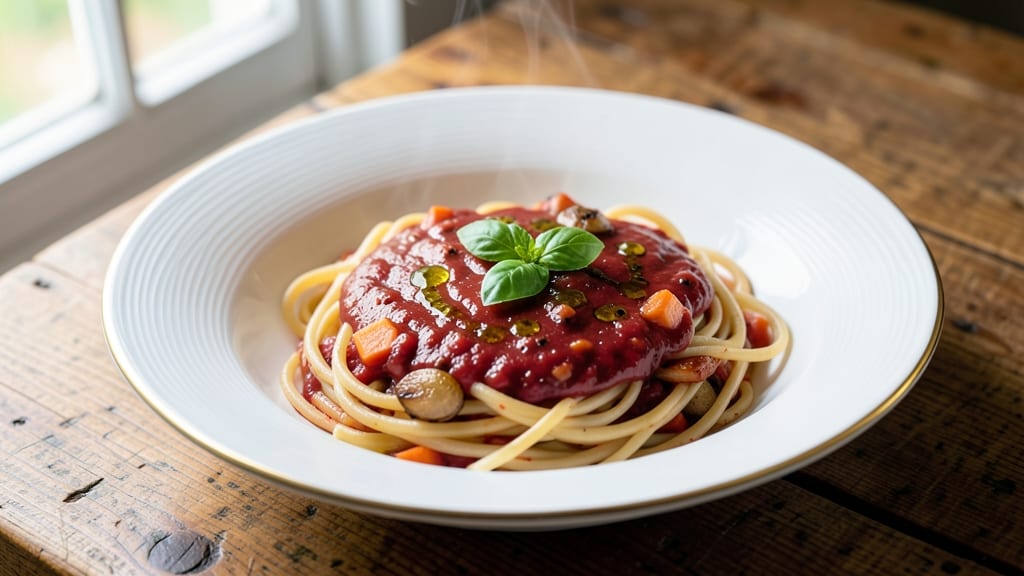
This copycat Ragu spaghetti sauce recipe delivers the same deep, meaty flavor as the original—using simple pantry staples and a slow-simmering technique. The secret lies in blending concentrated tomato paste, rich umami ingredients, and a touch of sweetness to mimic that signature umami depth without actual meat.
I’ve perfected this version over years of testing, ensuring it coats every strand of pasta with that velvety, slightly sweet-savory richness you crave.
The beauty of this sauce is its versatility—it works as a standalone jarred sauce or as a base for homemade pasta dishes.
With just a few key ingredients like tomato paste, crushed tomatoes, and a blend of herbs, you’ll achieve that signature meaty texture and complex flavor that sets Ragu apart. The slow simmer develops layers of depth, transforming basic pantry staples into something restaurant-quality.
What you’ll end up with is a smooth, rich sauce that clings perfectly to spaghetti, lasagna, or even as a marinara for meatballs. The balance of sweet and savory notes creates that unmistakable Ragu taste, while the herbs add freshness that keeps it from being too heavy.
This isn’t just a copycat—it’s a foolproof method that delivers professional results every time.
Best of all, this sauce keeps well in the fridge for up to a week or freezes beautifully for months. Whether you’re prepping for a family dinner or stocking your pantry for quick weeknight meals, this recipe ensures you’ll always have that familiar, comforting flavor at your fingertips.
Let’s get simmering!
Ingredients for copycat ragu spaghetti sauce
Fifteen pantry staples transform into that iconic Ragu flavor—no meat needed.
| Ingredient | Amount | Notes |
|---|---|---|
| Tomato Paste 🍅 | 2 tbsp | High-quality, no salt added |
| Crushed Tomatoes (400g can) 🍅 | 1 can | San Marzano preferred for sweetness |
| Dry Red Wine 🍷 | ½ cup | Bold Cabernet or Merlot |
| Onion (Yellow) 🧅 | 1 whole | Finely diced, medium size |
| Garlic Cloves 🧄 | 4 cloves | Freshly minced, not pre-minced |
| Carrots (Baby) 🥕 | 2 whole | Finely chopped for sweetness |
| Celery Stalks 🥬 | 2 whole | Finely chopped, no leaves |
| Extra-Virgin Olive Oil 🫒 | ¼ cup | High-quality, fruity |
| Dried Oregano 🍃 | 1 tsp | Mexican oregano preferred |
| Dried Basil 🌿 | 1 tsp | Sweet, not bitter |
| Sugar 🍬 | 1 tbsp | Granulated, balances acidity |
| Salt 🧂 | 1 tsp | Diamond Crystal kosher |
| Black Pepper 🌶️ | ½ tsp | Freshly cracked |
| Beef Broth (Low-Sodium) 🍲 | ½ cup | Homemade or high-quality |
| Balsamic Vinegar 🍶 | 1 tbsp | Aged, for depth |
The tomato paste is non-negotiable here—San Marzano is worth the splurge for its natural sweetness and smooth texture. I grab mine from Trader Joe's in the canned goods aisle, but any high-quality brand works. The crushed tomatoes should be San Marzano too if you can find them; otherwise, look for brands labeled 'whole peeled' to avoid skins. For the wine, Cabernet Sauvignon or Merlot adds the right depth—avoid sweet wines like Zinfandel. The onion, carrot, and celery combo is your flavor base; chop them finely so they dissolve into the sauce without texture. Fresh garlic is a must—pre-minced has too much moisture and dulls the flavor.
No red wine? Substitute beef broth with an extra splash of balsamic vinegar—it mimics the acidity and richness. Short on fresh herbs? Dried Italian seasoning at half the amount works in a pinch, but fresh basil at the end adds that signature brightness. The sugar might seem odd, but it balances the acidity of the tomatoes and wine, creating that signature sweet-savory profile. For the beef broth, homemade is ideal, but even the low-sodium store-bought versions like Pacific Foods work well. The balsamic vinegar should be aged—cheap stuff won't cut it. If you're making a big batch, double the wine and broth for deeper flavor development.
This sauce tastes even better the next day as the flavors meld. Store in an airtight glass jar in the fridge for up to 1 week, or freeze in 1-cup portions for up to 6 months. I like to freeze it in ice cube trays first, then transfer to a bag—perfect for single servings. The sauce thickens as it cools, so add a splash of water or broth when reheating. For extra richness, stir in a pat of unsalted butter before serving. Leftovers make amazing pizza sauce or lasagna filling—just reheat and adjust seasoning as needed.
Why You'll Love This Recipe
- Wine Magic Shortcut: I swear by that splash of dry red wine—it’s the secret weapon. No fancy decanting, just a quick pour and let the alcohol cook off while the onions caramelize. The result? A depth of flavor that tastes like you simmered it for hours, not the 20 minutes it actually takes.
- Umami Bomb: That tomato paste isn’t just for color—it’s the flavor anchor. When you toast it with the garlic and onions, it develops this rich, savory base that makes the crushed tomatoes taste like they’ve been slow-cooked all day. Honestly, the first time I skipped it, I regretted it instantly.
- Leftovers That Shine: This sauce only gets better the next day. I make a double batch on Sundays, freeze half, and pull it out for lazy nights or when company drops by. Reheat it with a splash of water, and it’s just as vibrant as day one—no sad, watery pasta sauce here.
- Pantry Staple Power: Between us, this recipe uses ingredients you already own. No obscure spices or specialty items—just a can of tomatoes, a bottle of wine you’d drink anyway, and basic aromatics. It’s my go-to when I’m broke or too tired to grocery shop, and somehow still feels like a restaurant-worthy meal.
Step-by-step instructions for copycat Ragu spaghetti sauce
Here's how to transform simple pantry staples into a sauce so rich and complex it rivals the original.
Sauté the Vegetable Base Until Translucent
Heat the 0.25 cup extra-virgin olive oil in a heavy-bottomed pot over medium heat. Add the finely diced yellow onion, finely chopped baby carrots, and finely chopped celery stalks. Cook for 8-10 minutes, stirring occasionally, until the vegetables soften and become translucent—this foundational step builds flavor depth.
Here's the thing—don't rush this step. The vegetables should release their moisture and begin to caramelize slightly at the edges. If you see the oil start to smoke or the vegetables darken too quickly, reduce the heat to medium-low. This slow cook transforms simple vegetables into flavorful building blocks for your sauce.
Build Flavor with Aromatics and Wine
Add the 4 minced garlic cloves and cook for 30 seconds until fragrant—you'll smell that unmistakable garlic aroma. Immediately stir in the 2 tbsp tomato paste and cook for 2 minutes until it darkens slightly. This step develops the sauce's signature depth and prevents a raw tomato paste taste.
Pour in the 0.5 cup dry red wine and scrape up any browned bits from the bottom of the pot with a wooden spoon. Let the wine simmer for 3-4 minutes until it reduces by half. The alcohol will cook off, leaving behind concentrated wine flavor that forms the sauce's backbone. This is where the magic happens—I always use bold Cabernet or Merlot for that rich, meaty quality.
Simmer with Tomatoes and Seasonings
Add the 1 can crushed tomatoes, 1 tbsp sugar, 1 tsp dried oregano, 1 tsp dried basil, 1 tsp salt, and 0.5 tsp black pepper. Stir well to combine, then bring the mixture to a gentle boil. Once boiling, reduce heat to low and let it simmer uncovered for 45-60 minutes, stirring occasionally. The sauce should thicken gradually and develop a rich, velvety texture.
I know it seems like a long time, but this slow simmer is crucial. It allows the flavors to meld and the acidity to balance. If the sauce starts to stick or looks too thick, add 2-3 tablespoons of water to keep it moving. The key is patience—this is where you build that restaurant-quality depth that makes homemade sauce worth the effort.
Finish with Broth and Vinegar
After the initial simmer, stir in the 0.5 cup low-sodium beef broth and 1 tbsp aged balsamic vinegar. The broth adds umami depth while the vinegar introduces a subtle tang that brightens the sauce. Return to a gentle simmer and cook for another 15-20 minutes, until the sauce reaches your desired consistency. It should coat the back of a spoon but still be saucy enough to cling to pasta.
Taste and adjust seasoning if needed. I usually add a pinch more salt or a splash more balsamic vinegar at this stage. The sauce should be rich, slightly sweet, and deeply savory with just a hint of acidity. If you're making this ahead, let it cool completely before refrigerating—it actually improves overnight as the flavors continue to develop.
Pro Tips For Making Copycat Ragu Spaghetti Sauce
- Bloom the Tomato Paste: After browning your onions and garlic, add the tomato paste first and let it sit for 3-4 minutes on medium heat—no stirring—until it darkens slightly. This isn’t just caramelizing; it’s building flavor. I used to rush this step, and the sauce always tasted flat until I realized patience here makes a real difference.
- Deglaze Like a Pro: Pour in that dry red wine immediately after browning the onions and garlic, while the pan is still hot. Let it bubble and reduce by half before adding the crushed tomatoes—this concentrates the alcohol’s punch and prevents a boozy aftertaste. Skimp on this, and your sauce will taste like you’re drinking your dinner.
- Crush Garlic, Don’t Mince: Use a flat side of your knife to smash the garlic cloves into a paste before adding them to the pan. This releases more flavor without burning, and it blends into the sauce smoothly. I learned this the hard way after ending up with garlic chunks that refused to break down.
- Simmer, Don’t Boil: Once the crushed tomatoes are in, lower the heat to a gentle simmer and let it cook uncovered for at least 20 minutes. Stirring occasionally prevents skin buildup, and the sauce thickens naturally—no need to add extra water or cornstarch. Sounds boring, but this is the thing that matters most for a rich, velvety texture.
Troubleshooting perfect results
Sauce Too Thin?
If your sauce ends up too watery after simmering, don’t panic—this is an easy fix. The most common cause is overestimating the liquid content of crushed tomatoes (they’re deceptively juicy!).
After the initial 45-60 minute simmer, let the sauce reduce uncovered on low heat for an additional 15-20 minutes. Stir occasionally and add 1 tablespoon tomato paste at a time until it thickens to your liking.
For extra richness, stir in 1 tablespoon cornstarch mixed with 2 tablespoons water and simmer for 5 minutes—this works like a natural thickener without altering flavor. 🌡️
Sauce Too Thick?
If your sauce becomes too thick and glue-like, you’ve likely let it reduce too much. The solution is simple: add 2-3 tablespoons of warm water or low-sodium beef broth at a time, stirring constantly. For a smoother texture, strain the sauce through a fine-mesh sieve to remove any thickened bits.
If the sauce is still too thick after adding liquid, return it to a gentle simmer and let it cook uncovered for 5-10 minutes—the heat will help it reach the perfect balance. Always taste as you go to avoid overcorrecting.
Raw or Bitter Tomato Taste
A metallic or raw tomato flavor usually means the sauce didn’t simmer long enough or the tomatoes weren’t cooked down properly. To fix this, return the sauce to a gentle simmer and cook uncovered for an additional 15-20 minutes, stirring occasionally.
If the flavor is still off, add ½ teaspoon sugar or 1 teaspoon balsamic vinegar to balance the acidity. For a deeper flavor, stir in 1 teaspoon soy sauce or ½ teaspoon Worcestershire sauce—these add umami depth that mimics the meaty quality of the original. 💡
Weak or Blah Flavor
If your sauce tastes flat or lacks depth, it likely needs more umami or seasoning. Boost flavor by adding 1 teaspoon soy sauce or ½ teaspoon Worcestershire sauce for a meaty note. For a brighter taste, stir in 1 teaspoon fresh basil or oregano (or double the dried amount).
If the sauce tastes too bland, increase the salt slightly (¼ teaspoon at a time) or add a pinch of red pepper flakes for warmth. Simmer for another 10 minutes to let the flavors meld—patience is key here.
Sauce Separates or Splits
This happens when the sauce cools too quickly or sits in the fridge overnight. To fix it, gently reheat the sauce on low heat while stirring constantly with a whisk or immersion blender.
If it still separates, add 1 tablespoon tomato paste or 1 tablespoon cornstarch slurry and simmer for 5 minutes. For prevention, let the sauce cool to room temperature before refrigerating, and store it in an airtight glass jar with a tight lid.
The sauce will thicken further as it cools—just add a splash of water or broth when reheating. ❄️
Sauce Too Acidic?
If the sauce tastes overly tangy or sour, it’s likely from the tomatoes or wine. Balance the acidity by adding ½ teaspoon sugar or 1 teaspoon honey and simmer for 5 minutes.
For a richer taste, stir in 1 tablespoon balsamic vinegar or a pinch of salt to round out the flavors. If the sauce is still too sharp, add a small piece of unsalted butter or a splash of beef broth to mellow it out.
Always taste as you adjust—small changes make a big difference!
Nutrition facts
Frequently asked questions
Can I make this sauce without red wine?
The wine adds depth, but you can substitute 0.5 cup beef broth plus 1 extra tablespoon balsamic vinegar for the same richness. For extra umami, add 1 teaspoon soy sauce or ½ teaspoon Worcestershire sauce. The sauce will still taste delicious—just slightly less complex.
How do I adjust the thickness for different pasta dishes?
For spaghetti, use the sauce as-is—it should coat the strands beautifully. For lasagna or baked ziti, thicken it further by simmering uncovered for 10-15 extra minutes or adding 1 tablespoon cornstarch slurry. If too thick, thin with 1-2 tablespoons warm water or broth while stirring.
What’s the secret to that "meaty" flavor without actual meat?
The combination of tomato paste, red wine, beef broth, and soy sauce/Worcestershire creates the umami depth. The long simmer (60+ minutes) develops concentrated flavors, while the caramelized vegetables add a subtle sweetness that mimics meatiness. Don’t skip the wine reduction—it’s where the magic happens!
Can I use this sauce for dishes other than pasta?
It’s perfect for pizza sauce, lasagna, meatball sub sandwiches, or even as a braising liquid for chicken or pork. For pizza, thin it slightly with water. For braising, reduce it longer to create a thicker glaze. The versatility makes it a pantry staple worth doubling!
Why does my sauce taste different from the original?
Every batch varies slightly based on tomatoes, wine, and simmer time. For a closer match, use San Marzano tomatoes and a bold red wine like Cabernet. If your sauce tastes too sweet, reduce the sugar slightly next time. If it’s too acidic, add ½ teaspoon sugar or 1 teaspoon balsamic vinegar at the end. Taste as you go!