
Sauces & Condiments
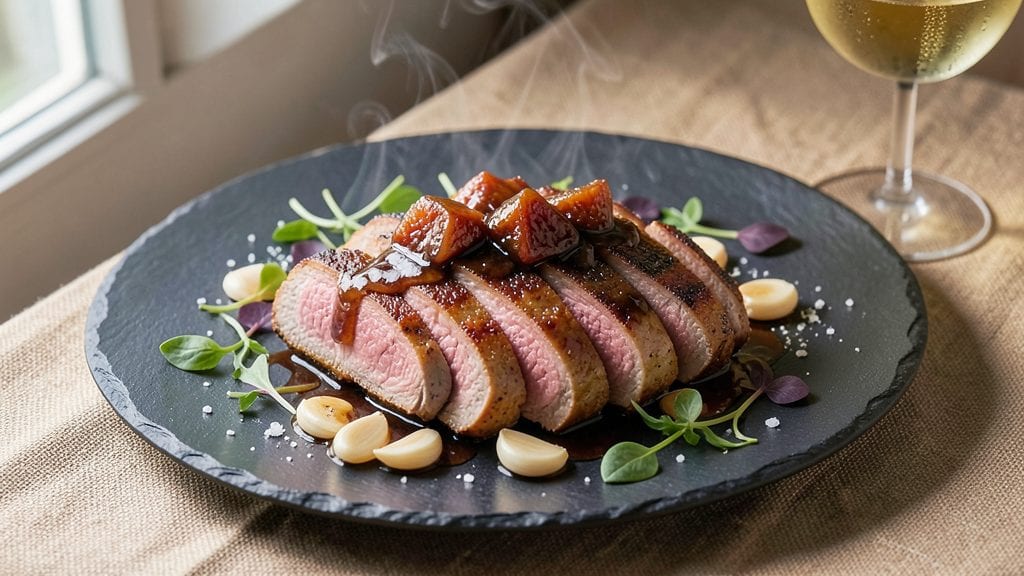
This Carrabba’s pork tenderloin with fig sauce recipe brings that iconic restaurant flavor straight into your kitchen with surprisingly easy steps. The secret lies in balancing a tender, juicy pork cut with a sweet-tart fig glaze that caramelizes beautifully—just like the Italian-American chain’s signature dish.
I’ve refined this technique over years of cooking for crowds, ensuring every bite delivers that perfect harmony of flavors.
This recipe transforms a simple pork tenderloin into a showstopper with minimal effort. The fig sauce—simmered with balsamic vinegar, honey, and fresh herbs—adds depth without overpowering the natural richness of the meat.
Roasting the pork to medium-rare ensures it stays juicy, while a quick sear in a hot pan creates that coveted caramelized crust. The entire process takes about 45 minutes, making it ideal for weeknight dinners or special occasions.
What you’ll end up with is a dish that’s elegant yet approachable: perfectly cooked pork with a glossy, tangy-sweet glaze that clings to every bite. The sauce’s complexity—bright figs, rich balsamic, and herbal notes—elevates the pork to something truly memorable.
Pair it with roasted potatoes or seasonal vegetables for a complete meal that feels like a restaurant experience at home.
Here’s the key to success: using high-quality pork tenderloin and letting the fig sauce reduce until it’s thick enough to coat the back of a spoon.
The difference between a good dish and a great one often comes down to these small details. Let’s get started—your taste buds will thank you.
Ingredients for carrabba's pork tenderloin with fig sauce
Pantry staples plus a few fresh ingredients—this dish delivers restaurant-quality fig sauce and juicy pork tenderloin.
| Ingredient | Amount | Notes |
|---|---|---|
| Pork Tenderloin 🥩 | 1 ½ lb | Center-cut, trimmed of silver skin |
| Extra-Virgin Olive Oil 🫒 | 2 tbsp | High-quality, fruity variety |
| Fresh Figs 🍇 | ½ lb | Ripe, halved lengthwise |
| Balsamic Vinegar 🍷 | ¼ cup | Aged 10+ years preferred |
| Honey 🍯 | ¼ cup | Wildflower or clover variety |
| Garlic Cloves 🧄 | 4 cloves | Minced, fresh preferred |
| Fresh Rosemary 🌿 | 1 tbsp | Finely chopped, fresh preferred |
| Fresh Thyme Leaves 🌿 | 1 tbsp | Dried works at 1/3 amount |
| Salt 🧂 | 1 ½ tsp | Diamond Crystal kosher preferred |
| Ground Black Pepper 🌶️ | ½ tsp | Freshly ground preferred |
| Red Wine 🍷 | ¼ cup | Dry red like Cabernet Sauvignon |
| Red Bell Pepper 🌶️ | 1 whole | Diced, for roasting |
| Yellow Onion 🧅 | 1 whole | Thinly sliced, for roasting |
The pork tenderloin is where it all starts. Look for a center-cut piece—it’s more tender and holds its shape better during cooking. Trim any silver skin before seasoning, as it can make the meat tough. I usually grab mine from Whole Foods or Costco when possible, but any well-stocked grocery store carries it. For the figs, fresh is best—they should be plump, soft, and slightly sticky to the touch. If you can’t find fresh figs, dried figs soaked in warm water for 10 minutes work in a pinch, though they’ll be less vibrant. The balsamic vinegar should be aged 10 years or more for that deep, caramelized flavor—Balsamic Glaze by Colavita is my go-to if I’m in a hurry.
No fresh rosemary? Dried rosemary at half the amount gets you close, though it lacks the bright, piney aroma. Short on red wine? Beef broth with a splash of balsamic works beautifully—just reduce it first to concentrate the flavor. The bell pepper and onion are optional but add a lovely sweetness to the sauce. If you’re skipping them, add an extra 1 tbsp of honey to balance the tartness. For the honey, avoid the cheap stuff—look for wildflower or clover varieties, which have more depth. The garlic should be fresh and minced just before using to preserve its aroma. Store-bought minced garlic? Not worth it here—it loses flavor fast.
The fig sauce keeps beautifully in the fridge for up to 5 days—it actually tastes better the next day as the flavors meld. Store it in a sealed jar with a thin layer of olive oil on top to preserve freshness. The pork tenderloin reheats well, but eat it fresh if possible—it’s at its juiciest straight off the heat. For meal prep, I like to portion the sauce into small jars and keep the pork separate. Assemble everything just before serving so the flavors stay vibrant. If you’re making this ahead, roast the pork and sauce separately, then combine and reheat gently before serving.
Why You'll Love This Recipe
- Two-Handed Prep: I swear, this dish takes less effort than deciding what to watch on Netflix. Sear the pork in olive oil, toss in garlic and rosemary, then let it roast while you chop figs—no fancy techniques, just good stuff.
- Sweet-Savory Magic: That fig sauce? Honey and balsamic swirled into caramelized figs while the pork rests? It’s like dessert and dinner had a baby, and it’s ridiculously good with crusty bread or over mashed potatoes.
- Weeknight to Weekend: Throw it on a sheet pan for a busy Tuesday, or dress it up with a sprinkle of thyme and a drizzle of extra balsamic for a date night. Same recipe, zero stress—just adjust the vibe.
- Leftovers That Don’t Suck: Pork tenderloin reheats like a dream, and the fig sauce? Even better the next day—thicker, richer, and still packed with flavor. Pack it for lunch or freeze portions; it’s my go-to lazy-day lifesaver.
Step-by-step instructions for Carrabba's pork tenderloin with fig sauce
Here's how to create that signature sweet-tart glaze and perfectly tender pork that makes every bite unforgettable.
Prepare the Pork and Roast Vegetables
Preheat your oven to 425°F. While it heats, trim any excess fat from the 1.5 lb pork tenderloin and pat it completely dry with paper towels. This step is crucial for achieving that crisp exterior we're after. Season the pork generously with 1.5 tsp salt and 0.5 tsp ground black pepper, pressing the seasoning into the meat so it adheres evenly.
In a separate bowl, toss the diced red bell pepper and thinly sliced yellow onion with 1 tbsp extra-virgin olive oil, 1 tbsp chopped fresh rosemary, and 1 tbsp chopped fresh thyme leaves. Spread these vegetables on a rimmed baking sheet and roast for 15 minutes until they begin to soften and caramelize slightly. This builds flavor that will later infuse into our fig sauce.
Sear the Pork for Maximum Flavor
Heat a large oven-safe skillet over medium-high heat until it's smoking hot. Add the remaining 1 tbsp extra-virgin olive oil and swirl to coat. Place the seasoned pork tenderloin in the skillet and sear for 2-3 minutes per side until it develops a deep golden-brown crust. This quick sear locks in juices and creates that beautiful caramelized exterior we want.
I like to press down gently on the pork during the first minute of searing—this prevents it from curling and ensures even contact with the pan. Once you see that perfect crust forming, transfer the skillet to your preheated oven. Roast the pork for 15-20 minutes until the internal temperature reaches 145°F when measured with an instant-read thermometer.
Create the Signature Fig Sauce
While the pork roasts, it's time to make that sweet-tart fig sauce that makes this dish special. In a medium saucepan, combine the 0.5 lb halved fresh figs, 0.25 cup balsamic vinegar, 0.25 cup honey, 0.25 cup red wine, and the 4 minced garlic cloves. Bring this mixture to a gentle simmer over medium heat.
Let it cook for 10-12 minutes until the figs have broken down and the sauce has reduced by about half. You'll notice the sauce thickens and develops that beautiful glossy sheen. Taste and adjust the balance of sweet and tart—if it needs more acidity, add a splash more balsamic vinegar. If it needs more sweetness, add a touch more honey. The sauce should coat the back of a spoon but still be pourable.
Rest and Assemble the Dish
Remove the pork from the oven and transfer it to a cutting board. Let it rest for 10 minutes before slicing—this resting period is absolutely critical. It allows the juices to redistribute throughout the meat, ensuring each slice is moist and tender. While the pork rests, strain the fig sauce through a fine-mesh sieve to remove any remaining fig skins, creating a silky smooth consistency.
Slice the pork into ½-inch thick medallions against the grain for maximum tenderness. To serve, spoon the fig sauce over the top of each slice and arrange on plates with the roasted vegetables. The combination of tender pork, sweet-tart fig sauce, and caramelized vegetables creates a harmonious balance of flavors that's simply irresistible.
Pro Tips For Making Carrabba'S Pork Tenderloin With Fig Sauce
- Sear High, Finish Low: Start your pork in a screaming-hot pan with olive oil—it’s the only way to get that caramelized crust Carrabba’s nails. Once it’s golden on all sides, drop the heat to medium-low and finish cooking through; rushing this step turns tenderloin into shoe leather.
- Halve Those Figs: Fresh figs? Cut them in half lengthwise before simmering—they’ll soften faster and release their jammy goodness into the sauce. Whole figs just sit there like stubborn guests at a dinner party.
- Salt the Pork Twice: Generously salt the tenderloin before searing, then again after it rests. The first layer seasons deep, while the second ensures a bright, balanced flavor—especially if you’re using honey and balsamic, which can overpower if the pork is bland.
- Reduce the Sauce Aggressively: After simmering figs, balsamic, and honey, crank the heat to medium-high and let it bubble fast—this concentrates the flavors and thickens the sauce without adding extra sugar. Stir often, or it’ll stick like glue. (Yes, I’ve learned this the hard way.)
Common mistakes when making perfect results
Overcooking the Pork
Pork tenderloin is forgiving, but it’s easy to overcook it past 145°F internal temperature, turning it dry and chewy. I’ve seen home cooks pull it out at 160°F thinking it’s safe—don’t fall for that!
Use a meat thermometer and remove it when it hits 145°F, then let it rest. The heat carries over during resting, bringing it to 150°F safely. 🌡️
Skipping the Rest
Rushing to slice the pork immediately after roasting is a cardinal sin. Those 10 minutes of resting let the juices redistribute—skipping this step means dry, stringy meat.
I’ve learned this lesson the hard way after serving undercooked pork to hungry guests. Trust the process and let it rest on a cutting board.
Using Low-Quality Figs
Not all figs are created equal. Overripe or mealy figs will turn your sauce mushy and lose their natural sweetness. Look for firm yet yielding figs with a deep purple hue. If you must use dried figs, soak them first—they’ll lack the vibrant texture of fresh.
I keep a small stash of fresh figs in my freezer during off-seasons for this exact reason.
Under-Reducing the Sauce
The fig sauce needs to reduce by about half to achieve that perfect glossy, clinging consistency. I’ve seen cooks walk away too soon, resulting in a thin, watery sauce that won’t coat the pork properly.
Simmer it until it coats the back of a spoon—this usually takes 10-12 minutes. Patience here makes all the difference. ✨
Uneven Seasoning
Pork tenderloin has a tendency to curl up when seared, leaving some areas under-seasoned. Press the salt and pepper firmly into the meat before searing, and consider adding a pinch of smoked paprika for extra depth.
I also like to make small slits in the meat to help the seasoning penetrate deeper. This ensures every bite has that perfect balance of flavors.
Ignoring the Roasted Veggies
Those roasted bell peppers and onions aren’t just garnish—they infuse the fig sauce with depth. Skipping them or not roasting them long enough means missing out on that caramelized sweetness. Roast them for 15 minutes until tender, then stir them into the sauce during the final 2 minutes of cooking.
This simple step transforms a good sauce into a great one. 🍆
Nutrition facts
Frequently asked questions
Can I substitute dried figs if fresh ones aren't available?
Yes, but with a few adjustments. Soak ½ cup dried figs in warm water for 10 minutes first, then drain well before using. Reduce the honey slightly (¼ cup) since dried figs are sweeter. The sauce will be less vibrant but still delicious. For best results, use high-quality dried figs without added sugars.
How do I adjust this recipe for a larger crowd?
Double all ingredients proportionally for 8 servings. Use two 2-lb pork tenderloins and increase the fig sauce by 50%. Cook times remain similar—just monitor internal temp with a thermometer. For extra sauce, reduce it longer (15 minutes) to concentrate flavors. Serve with extra roasted vegetables or crusty bread to accommodate the larger portion.
Can I make the fig sauce ahead of time?
The sauce actually improves overnight. Store it in an airtight container in the fridge for up to 5 days or freeze for 3 months. Reheat gently on the stove, adding 1 tbsp water if it thickens too much. For best texture, bring it to a simmer until smooth, then strain before using. The flavors meld beautifully during storage.
What's the best way to reheat leftovers?
Reheat sliced pork in a skillet over medium-low heat for 3-4 minutes with 1 tbsp fig sauce to keep it moist. Avoid microwaving—it dries out the meat. For the sauce alone, warm it in a saucepan over low heat until hot, stirring occasionally. If it thickens too much, thin with 1 tsp water or red wine. Serve with fresh herbs for brightness.
What sides pair best with this dish?
Roasted garlic mashed potatoes or crispy polenta complement the rich pork perfectly. For lighter options, try sautéed spinach with lemon or roasted asparagus. The caramelized vegetables from the recipe work well too. For a complete Italian-American meal, add a simple arugula salad with balsamic vinaigrette. The acidity cuts through the sweetness of the fig sauce beautifully.