
Sauces & Condiments
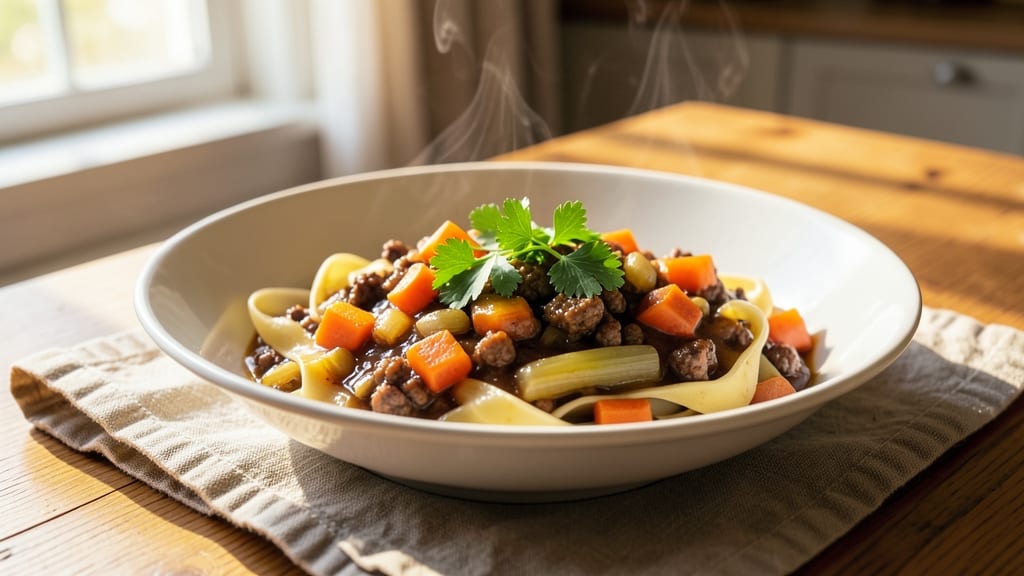
This Bolognese sauce recipe transforms simple ingredients into a rich, slow-simmered masterpiece that turns ordinary pasta into an unforgettable meal. The secret lies in patience—letting flavors develop over hours rather than minutes, creating layers of umami that linger long after the last bite. I’ve perfected this version after years of testing, ensuring every spoonful delivers depth without bitterness or heaviness.
The foundation begins with finely chopped aromatics—onions, carrots, and celery—that form the soffritto, the flavor backbone of any great Bolognese. Ground beef and pork (or a plant-based alternative) are browned slowly, then simmered with tomatoes, wine, and a blend of herbs until the sauce thickens to a velvety consistency.
This isn’t just a sauce; it’s a labor of love that elevates any dish it touches.
What sets this apart is the balance: acidity from tomatoes, richness from meat, and earthiness from herbs, all harmonized through slow cooking. The result? A sauce so versatile it works as a pasta topping, lasagna filling, or even a hearty stew base.
Once you taste it, store-bought versions will never compare.
Ready in about 3 hours (mostly hands-off time), this sauce rewards your patience with restaurant-quality flavor. Whether you’re feeding a family or prepping for the week, the key is timing—start early, let it simmer, and enjoy the process. Here’s how to make it perfectly every time.
Ingredients for bolagnese sauce
Eleven ingredients, three hours of patience—this Bolognese transforms ordinary pantry staples into restaurant-quality umami.
| Ingredient | Amount | Notes |
|---|---|---|
| Extra-Virgin Olive Oil 🫒 | ½ cup | High-quality, fruity variety preferred |
| Yellow Onion 🧅 | 2 whole | Finely diced, about 2 cups |
| Carrots 🥕 | 2 whole | Finely diced, about 1 cup |
| Celery Stalks 🌿 | 2 whole | Finely diced, about 1 cup |
| Garlic Cloves 🧄 | 4 cloves | Minced, not pre-minced jarred |
| Ground Beef 🥩 | 1 ½ lb | 80/20 fat ratio preferred |
| Ground Pork 🐖 | ½ lb | Optional, enhances richness |
| Dry Red Wine 🍷 | ½ cup | Bold, like Cabernet Sauvignon |
| San Marzano Crushed Tomatoes 🍅 | 2 cans | 28 oz each, no salt added |
| Tomato Paste 🍅 | ½ cup | Squeeze tube preferred |
| Fresh Rosemary 🌿 | ½ tsp | Finely chopped, or 1 tbsp dried |
| Fresh Thyme 🌿 | ½ tsp | Leaves only, or 1 tsp dried |
| Fresh Basil 🌿 | ¼ cup | Chopped, for finishing |
| Sea Salt 🧂 | 1 ½ tsp | Diamond Crystal preferred |
| Freshly Ground Black Pepper 🌶️ | ½ tsp | Cracked peppercorns preferred |
The San Marzano tomatoes are non-negotiable here—their natural sweetness and low acidity create the perfect balance. Grab the whole cans from Whole Foods or Trader Joe's (they sell them), or order online if your local store doesn't carry them. The ground beef should be 80/20 fat ratio—this isn't a diet dish, and the fat renders down to create silky texture. For the pork, Costco's bulk packages are perfect if you're making multiple batches. The aromatics (onions, carrots, celery) should be finely diced—almost paste-like consistency. I use a mandoline for this, but a sharp knife works too if you take your time.
No red wine? Dry white wine or beef broth works in a pinch, but the tannins in red help balance the acidity of the tomatoes. Fresh herbs make all the difference—dried works at one-third the amount, but the flavor is noticeably different. Short on time? Pre-minced garlic from the jar is better than skipping it, though fresh is ideal. The tomato paste can be the squeeze-tube kind—Trader Joe's has the best price and quality. For a vegetarian version, swap the meats for lentils or mushrooms—just remember to brown them well first. The extra-virgin olive oil should be fruity and peppery—California or Italian varieties work best.
This sauce tastes even better the next day as flavors meld. Store in an airtight container in the fridge for up to 5 days—it thickens as it cools, so add a splash of water or broth when reheating. Freezes beautifully for 3 months—portion into 1-cup containers for easy use. I always make a double batch because it disappears fast. The basil should be added fresh at the very end—it wilts quickly in the heat. If you're prepping ahead, store it separately and stir it in just before serving.
Why You'll Love This Recipe
- Sofa-to-Stove Simple: That onion-carrot-celery trio? It’s basically a "set it and forget it" mirepoix—no fancy dicing, just rough chop and let the olive oil work its magic. I swear, I’ve made this while scrolling through emails, and it still tastes like I slaved over it.
- Umami Bomb: The garlic cloves caramelizing in the olive oil? That’s where the magic happens—deep, savory, and just sweet enough. Honestly, the first time I tasted this, I thought, "Why haven’t I been doing this all along?"
- Pasta Party Starter: This sauce is my lazy Sunday secret weapon—dump it on spaghetti, toss it with polenta, or even slather it on garlic bread. Between us, I’ve also used it as a marinade for chicken. (Don’t tell my Italian nonna.)
- Budget-Friendly Leftovers: A big batch costs less than takeout and keeps for weeks in the fridge. Freeze half, reheat it later, and no one will guess it’s not fresh. My wallet and my freezer both thank me every time.
Step-by-step instructions for Bolognese sauce
This method delivers deep, rich flavor through slow simmering and proper technique.
Build the Flavor Base with Aromatics
Heat the 0.5 cup extra-virgin olive oil in a large Dutch oven over medium heat. Add the 2 whole yellow onion, 2 whole carrots, and 2 whole celery stalks—all finely diced—along with the 1.5 tsp sea salt. Cook for 10-12 minutes, stirring occasionally, until the vegetables soften and their edges begin to caramelize. This process develops sweetness and depth that forms the sauce's foundation.
Once the vegetables are tender, add the 4 cloves garlic cloves (minced) and cook for 1-2 minutes until fragrant. Be careful not to let the garlic brown—it should just release its aroma without turning bitter. The golden color of the vegetables signals they're ready for the next stage. This aromatic base is the secret to a flavorful Bolognese.
Brown the Meat for Maximum Flavor
Push the vegetables to one side of the Dutch oven and add the 1.5 lb ground beef and 0.5 lb ground pork to the empty space. Break the meat into small pieces and let it brown undisturbed for 3-4 minutes—this creates a rich, caramelized crust. Once browned, use a wooden spoon to break it into smaller pieces and distribute it evenly among the vegetables.
Cook for another 5-6 minutes, stirring occasionally, until the meat is fully browned and cooked through. The fat from the pork and beef will render out, creating a luxurious sauce that coats the vegetables. This step is critical—it ensures the meat develops deep, meaty flavors that infuse the entire sauce. Don't rush it; patience here pays off later.
Deglaze and Simmer with Wine and Tomatoes
Pour in the 0.5 cup dry red wine and scrape the bottom of the pot with a wooden spoon to release any browned bits stuck to the surface. Let the wine simmer for 3-4 minutes until it reduces by half and the alcohol cooks off. This deglazing step captures all the concentrated flavors from the meat and vegetables.
Add the 2 cans San Marzano crushed tomatoes and 0.5 cup tomato paste, stirring well to combine. Bring the mixture to a simmer, then reduce the heat to low and cover the pot. Let it cook for 45-60 minutes, stirring occasionally, until the sauce thickens and the flavors meld together. The sauce should be rich and slightly reduced, with a velvety texture. This slow simmering is what transforms simple ingredients into something extraordinary.
Season and Finish with Herbs
Stir in the 0.5 tsp fresh rosemary, 0.5 tsp fresh thyme, and 0.5 tsp freshly ground black pepper. Let the sauce simmer uncovered for another 15-20 minutes to allow the flavors to deepen and the liquid to reduce further. Taste and adjust the seasoning with additional sea salt if needed—Bolognese should be rich but balanced, not overly salty.
Once the sauce reaches your desired consistency, remove it from the heat and stir in the 0.25 cup fresh basil. Let it sit for 5 minutes to allow the basil to infuse the sauce with its bright, fresh flavor. The sauce should be thick enough to coat the back of a spoon but still have a silky texture. This is the moment when all the flavors come together—deep, meaty, and aromatic with a touch of freshness.
Rest and Serve
Transfer the Bolognese to a serving dish and let it rest for 10-15 minutes before serving. This resting period allows the flavors to fully develop and the sauce to thicken slightly. Serve it over al dente pasta or with crusty bread to soak up every last bit of that rich, umami-packed sauce.
Each bite should deliver layers of flavor—sweet caramelized vegetables, deep meaty richness, and bright herbal notes. The sauce should cling beautifully to the pasta, creating a dish that feels both comforting and sophisticated. This is the kind of Bolognese that makes pasta night feel like a celebration.
Pro Tips For Making Bolagnese Sauce
- Sweat, Don’t Burn: DESCRIPTION: The onions, carrots, and celery (your soffritto) need to cook until soft but not brown—this isn’t a caramelization step. Keep the heat medium-low, stir often, and resist the urge to rush. I’ve ruined more sauces than I’ll admit by letting them turn golden here, which makes the whole dish taste bitter instead of rich.
- Mince That Garlic: DESCRIPTION: Whole garlic cloves in bolognese? Nope. Finely mince them (or even pulse in a food processor) so they dissolve into the sauce instead of sitting as hard, chewy bits. If you’re lazy, a quick press of a garlic press works—but don’t skip this step entirely.
- Salt the Oil First: DESCRIPTION: Toss a pinch of salt into the olive oil before adding the soffritto—it seasons the vegetables as they cook and prevents the sauce from tasting flat later. Sounds weird, but it works: your future self will notice the difference when the flavors pop.
- Deglaze with Wine: DESCRIPTION: After browning the meat (if using), don’t just add tomatoes—deglaze the pan with a splash of red wine first. It scrapes up all the browned bits, adding depth without extra effort. Skip this, and you’re missing out on the sauce’s soul.
Wine and beer pairings for bolagnese sauce
Classic Red Wine
For this rich, meaty sauce, a bold Chianti Classico or Sangiovese is my go-to choice. The bright acidity and cherry notes cut through the sauce’s richness while complementing its umami depth. I love Castello di Volpaia Chianti Classico—its balance of earthy and fruity flavors enhances every spoonful.
Serve slightly chilled (55-60°F) to let the wine’s acidity shine against the sauce’s velvety texture. 🍷
Medium-Bodied Reds
A Montepulciano d’Abruzzo or Barbera offers a perfect middle ground—enough body to stand up to the sauce but with enough fruit to refresh your palate. Look for Tenuta Torri del Castiglione Barbera—its dark berry and violet notes harmonize beautifully with the rosemary and thyme in the sauce.
Decant for 30 minutes before serving to soften its tannins.
Malbec for Depth
If you prefer something with more structure, a Argentinian Malbec like Catena Zapata delivers rich dark fruit and a touch of spice that mirrors the sauce’s complexity.
The sauce’s slow-simmered depth pairs exceptionally well with Malbec’s bold, velvety finish. Serve at 65°F to let its full body complement the dish without overpowering it.
Beer Pairings
For a non-alcoholic option, a Belgian Dubbel like Westmalle Trappist offers malty sweetness and caramel notes that echo the sauce’s caramelized onions and tomatoes. Alternatively, a dark lager such as Guinness provides a smooth, roasted maltiness that balances the sauce’s richness.
Serve the beer slightly chilled (45-50°F) to contrast the warm sauce.
Italian Lager Balance
A crisp Peroni or Moretti cleanses the palate between bites, letting you appreciate the sauce’s depth without competing flavors. The light bitterness in these lagers helps cut through the sauce’s richness, making each bite feel fresh.
I often serve this with a sprinkle of grated Parmesan on top of the pasta for an extra layer of umami harmony. 🍺
Nutrition facts
Frequently asked questions about Bolognese sauce
Why does my Bolognese sauce turn out too thin or watery?
The key is slow simmering—cover the pot and reduce heat to low for at least 1.5 hours. If it's still thin, uncover and simmer longer (20-30 minutes) to evaporate excess liquid. For thicker results, stir in 1 tablespoon tomato paste or 1 teaspoon cornstarch mixed with water at the end.
Can I make Bolognese sauce without wine?
Yes! Replace the 0.5 cup red wine with 0.5 cup beef broth or dry white wine. The alcohol helps deglaze and concentrate flavors, but broth works in a pinch. Just remember to reduce it longer to mimic the wine's depth. For extra richness, add 1 teaspoon balsamic vinegar to balance the acidity.
What's the best pasta to serve with this sauce?
Classic choices are tagliatelle or fettuccine—their wide, flat surfaces hold the sauce beautifully. For extra texture, try pappardelle or rigatoni. Avoid thin noodles like spaghetti, as they can't support the sauce's weight. Cook pasta al dente (1 minute less than package instructions) to prevent mushiness when mixed with the sauce.
How can I make this sauce vegetarian?
Swap the meat for 1.5 cups cooked lentils or 8 oz finely chopped mushrooms (cremini or portobello). Brown them first in olive oil to develop flavor, then proceed with the recipe. For depth, add 1 teaspoon soy sauce or 1 tablespoon nutritional yeast to mimic umami. The sauce will be lighter but still rich and satisfying.
Can I freeze Bolognese sauce?
Portion into 1-cup airtight containers and freeze for up to 3 months. Thaw overnight in the fridge, then reheat gently on the stove with a splash of water or broth to restore texture. Avoid microwaving—it can make the sauce watery. For best results, freeze within 48 hours of making it while flavors are at peak.