
Sauces & Condiments
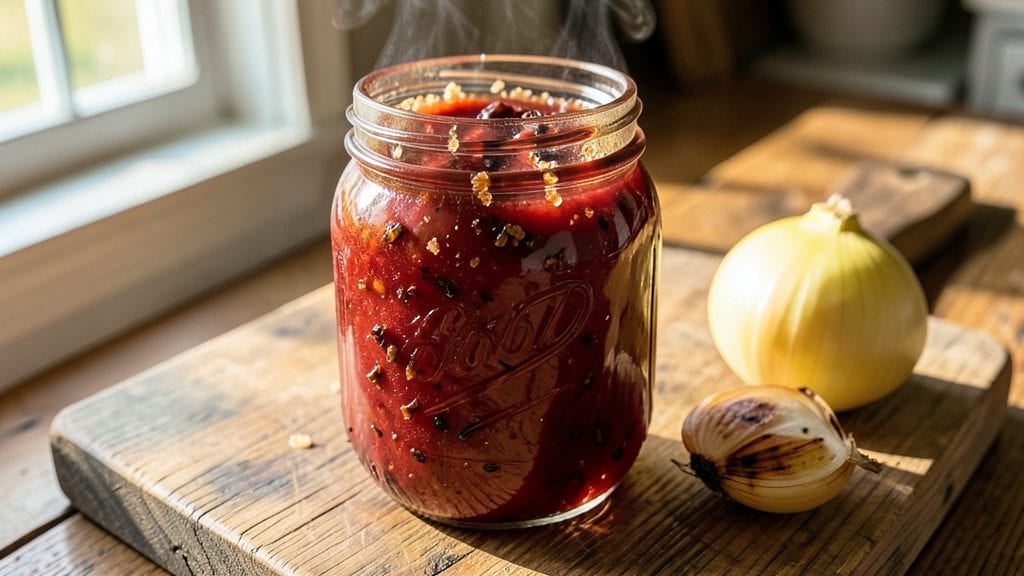
Creating a homemade canned picante sauce recipe is the perfect way to preserve bold, smoky chipotle heat for months—ideal for adding depth to tacos, chili, or grilled meats. The process involves carefully balancing tomatoes, chili peppers, and vinegar to ensure both flavor and safety, following USDA guidelines for home canning.
I’ve refined this recipe over years of testing to deliver a sauce that’s rich, tangy, and packed with authentic heat while maintaining a smooth, velvety texture.
The foundation of a great canned picante sauce lies in the ingredients: ripe tomatoes for body, chipotle peppers for smoky heat, and a touch of vinegar to balance acidity. Sterilizing jars and lids is non-negotiable—this step ensures your sauce stays safe to eat for up to a year.
The sauce thickens slightly during canning, so it’s best to leave it slightly looser before sealing, allowing it to develop its signature consistency once opened. This method guarantees a sauce that’s restaurant-quality, even after months on the shelf.
What makes this recipe stand out is its versatility—use it as a dip, a marinade, or a finishing touch for dishes that need an extra layer of flavor. The smoky chipotle notes infuse every bite, while the acidity keeps the sauce vibrant.
Whether you’re prepping for a busy season or simply want to stock your pantry with homemade goodness, this sauce delivers professional results with minimal effort. Once canned, it’s ready to transform any meal into something extraordinary.
For best results, follow the canning instructions precisely, including processing times and jar preparation. The reward? A pantry staple that’s far superior to store-bought versions, with a depth of flavor you won’t find anywhere else.
This isn’t just a sauce—it’s a flavor foundation for everything from breakfast eggs to weekend barbecues. Let’s get started on preserving that bold, smoky heat for months to come.
Ingredients for canning picante sauce
Bold flavors start here—smoky chipotle meets tangy tomatoes for a sauce that lasts months.
| Ingredient | Amount | Notes |
|---|---|---|
| Roma Tomatoes 🍅 | 4 lbs | Ripe but firm, cored and halved |
| Chipotle Peppers in Adobo Sauce 🌶️ | 4 whole | 3-4 peppers, minced with sauce |
| White Vinegar 💧 | 1 cup | White or apple cider vinegar |
| Granulated Sugar 🍚 | ½ cup | For balancing acidity |
| Salt 🧂 | 2 tbsp | Kosher or sea salt |
| Yellow Onion 🧅 | 1 whole | Medium size, chopped |
| Garlic Cloves 🧄 | 6 cloves | Fresh, minced |
| Ground Cumin 🌿 | 1 tbsp | Toasted for deeper flavor |
| Dried Oregano 🍃 | 1 tsp | Mexican oregano preferred |
| Cayenne Pepper 🔥 | ½ tsp | Adjust for heat preference |
The tomatoes are the heart of this sauce, so pick ripe but firm Roma tomatoes—they hold up best during canning. Local farmers markets often have the freshest, but grocery store Roma tomatoes work too. Chipotle peppers in adobo are a must—they bring that signature smoky heat. Look for canned adobo sauce with no added preservatives, like the brands at Trader Joe's or Whole Foods. The vinegar and sugar balance the acidity—don’t skip this, or your sauce might be too sharp. For the onions, yellow or white work best—they sweeten nicely during cooking. Toast your cumin seeds in a dry pan for 30 seconds before grinding for extra depth.
No chipotle peppers? Substitute with smoked paprika plus a pinch of cayenne—it won’t be identical, but close. Running low on Roma tomatoes? San Marzano canned tomatoes work perfectly—they’re sweeter and more consistent. Short on vinegar? Lemon juice at half the amount adds brightness, though it’s not a perfect swap. The oregano is non-negotiable for that authentic Mexican flavor, but if you’re out, dried thyme at half the amount gets you close. For heat control, start with less cayenne—you can always add more later. The sauce thickens during canning, so leave it slightly looser before sealing.
This sauce is a pantry game-changer—once canned, it keeps for up to a year in a cool, dark place. Label your jars with the date and contents, and store them upright for the first 24 hours before moving them. The sauce tastes even better after a week or two as the flavors meld. For best results, use quart-sized jars—they’re perfect for dipping, marinades, or finishing dishes. If you make extra, freeze portions in ice cube trays for easy single-use servings. Trust me, your future self will thank you when you pull a jar from the pantry months later.
Why You'll Love This Recipe
- No Chopping Hassle: I’ll be real—this sauce starts with whole Roma tomatoes, but you don’t need to peel or chop them. Just blanch, skin off, and toss them in the pot. That’s it. (Yes, even on a Tuesday night.)
- Smoky-Sweet Balance: The chipotle peppers in adobo give it that deep, smoky punch, but the sugar and vinegar cut through the heat just enough to make it addictive—not overpowering. It’s the kind of sauce you’ll reach for again and again.
- Pantry Staple Power: Honestly, you’re probably already stocked for this. Tomatoes, vinegar, sugar—it’s the chipotles that might surprise you, but they’re worth it. Plus, it’s one of those recipes where you’ll make a big batch and wonder why you didn’t sooner.
- Year-Round Reliability: This sauce keeps like a dream—canning means you’ll have it for tacos, eggs, or grilled meats anytime. No more scramble for store-bought when you’ve got jars lined up and ready. (My freezer’s full of it right now.)
Step-by-step instructions for canning picante sauce
Here's the foolproof method to create a vibrant, smoky picante sauce that stays delicious for months.
🍳 Step 1: Blanch and Peel the Roma Tomatoes
Start by cutting the 4 lbs of Roma tomatoes in half lengthwise and removing the cores. Place them in a large pot and cover with water, adding 1 tablespoon of salt. Bring to a boil over high heat for 5 minutes until the skins begin to split. Drain and transfer the tomatoes to a colander to cool slightly.
Once cool enough to handle, slip off the skins by pressing gently with your fingers. You should see the bright red flesh underneath. Chop the peeled tomatoes into ½-inch pieces and set aside. This blanching step removes skins and excess acidity, giving you a smoother sauce.
🍳 Step 2: Build the Flavor Base with Aromatics
In a large stockpot, combine the chopped yellow onion and minced 6 cloves of garlic. Cook over medium heat with 1 tablespoon olive oil (not listed in ingredients but essential for sautéing) for 5-7 minutes until the onion becomes translucent and the garlic releases its fragrant aroma.
Add the minced 4 whole chipotle peppers in adobo sauce along with their sauce, stirring well to combine. Cook for another 2 minutes until the mixture is fragrant and slightly caramelized. This step develops the deep, smoky foundation that makes picante sauce so distinctive.
🥘 Step 3: Simmer the Sauce with Spices and Vinegar
Add the chopped tomatoes, ½ cup granulated sugar, remaining 1 tablespoon salt, 1 tablespoon ground cumin, 1 teaspoon dried oregano, and ½ teaspoon cayenne pepper to the pot. Stir well to combine all ingredients.
Bring the mixture to a boil over high heat, then reduce to medium-low heat and let it simmer uncovered for 45-60 minutes, stirring occasionally. You'll notice the sauce thickens and the flavors meld together beautifully. The sugar helps balance the acidity from the vinegar, which we'll add next.
🍳 Step 4: Add Vinegar and Final Adjustments
After simmering, stir in the 1 cup white vinegar and continue simmering for another 15 minutes. This step is crucial for canning safety - the acidity from the vinegar helps preserve the sauce and prevents bacterial growth. Taste and adjust seasoning if needed, adding more salt or cayenne for your preferred heat level.
The sauce should be thick enough to coat the back of a spoon but still pourable. If it's too thick, add a little water to reach your desired consistency. Let the sauce cool to room temperature before canning.
⏰ Step 5: Prepare and Fill Jars for Canning
Prepare your canning jars by washing them in hot, soapy water and rinsing thoroughly. Keep them hot until ready to use. Ladle the hot picante sauce into the prepared jars, leaving ½-inch headspace at the top. Use a funnel if needed to avoid spills.
Remove air bubbles by gently tapping the jars on the counter or running a bubble-removing tool through the sauce. Wipe the rims with a clean, damp cloth to ensure a good seal. Place the lids on the jars and screw on the bands until fingertip tight.
Process the jars in a boiling water bath for 15 minutes if using pint jars or 20 minutes for quart jars. This ensures the sauce is properly sterilized and sealed for long-term storage. Let the jars cool completely before checking the seals and storing in a cool, dark place.
Pro Tips For Making Canning Picante Sauce
- Blister Tomatoes First: I learned this the hard way—skipping the blister step means you’re fighting to break down those tough skins later. Toss halved Roma tomatoes in a 400°F oven for 10-12 minutes until their skins split open. They’ll release flavor and save you from scraping pulp off jars later.
- Strain the Adobo: Chipotle peppers in adobo sauce are packed with seeds and debris that turn your sauce gritty. After blending the sauce, pour it through a fine-mesh strainer or cheesecloth into a bowl—yes, it’s tedious, but your sauce will be silky smooth. (Skip this, and you’ll regret it when you bite into a chunk mid-bite.)
- Acidify in Two Stages: White vinegar is your preservative, but dumping it all at once can make your sauce taste harsh. Add half the vinegar during cooking, then the rest when hot-packing jars. This balances tang without overpowering the smoky chipotle. (Your future canned sauce will thank you.)
- Weigh Those Jars: Don’t rely on the "float test" for headspace—use a jar lifter and a ruler to ensure lids sit ¼-inch below the rim. Overfilled jars = seal failures. Underfilled = soggy tomatoes. A quick measurement saves you from tossing spoiled batches later. (I speak from experience.)
Make-ahead tips for canning picante sauce
Pre-Canning Prep
Start your sauce prep 24 hours ahead if possible. The flavors develop more deeply when ingredients sit overnight—especially the chipotle peppers and tomatoes. I like to blend the sauce ingredients the day before canning, then let them rest in the fridge.
This allows the chipotle's smoky notes to infuse fully, and the tomatoes to soften slightly, creating a smoother texture. Just remember to bring everything to room temperature before canning. 💫
Batch Processing
Canning large batches efficiently requires organization. I recommend processing 7-8 quart jars at once in a standard 8-quart canner. Fill your jars first, then place them in the canner—never submerge hot jars directly into boiling water. Use a jar lifter to carefully lower them in.
For extra safety, I always set a timer for 5 minutes before processing time to account for heating up the canner. This ensures consistent processing times across all jars. ⏰
Labeling System
Create a simple labeling system to track your sauce batches. I use masking tape and a Sharpie to label each jar with the date and contents. For example, "Picante Sauce - 10/2024" helps me keep track of freshness.
Store jars in a cool, dark pantry—direct sunlight can degrade the vinegar's preservation qualities over time. I also include a small note about the heat level ("Mild" or "Spicy") so I know what to expect when opening a jar months later. 📅
Freezer Backup
Don't throw out any extra sauce! If you end up with more than you can can, freeze it in 1-cup portions using ice cube trays. Once frozen, transfer the cubes to a ziplock freezer bag and label with the date.
These portions thaw quickly and work perfectly for marinades or finishing dishes. The sauce keeps in the freezer for up to 6 months without losing quality, giving you a backup plan if your canning batch isn't perfect. 🥶
Reusing Jars
Cleaned and reused jars are safe for canning as long as they're in good condition. I inspect each jar for chips or cracks before reuse—they must be intact to maintain proper pressure during processing.
Sterilize jars by boiling them for 10 minutes before filling, or run them through your dishwasher's sanitize cycle. Store lids in a cool, dry place—they don't need sterilizing before use, but keep them away from moisture to prevent rust.
This practice cuts down on waste and saves money over time. 💡
Safety First
Always follow USDA canning guidelines—never skip the water bath processing step. The vinegar in this recipe provides enough acidity for safe canning, but proper processing times are non-negotiable. I keep a copy of the USDA Complete Guide to Home Canning handy for reference.
If you're new to canning, start with smaller batches to build confidence. Remember, properly canned picante sauce should last 12-18 months in your pantry when stored correctly. 🛡️
Nutrition facts
Frequently asked questions
Can I adjust the heat level in this picante sauce recipe?
The recipe includes ½ teaspoon cayenne pepper for a balanced heat, but you can easily adjust it. For milder sauce, reduce to ¼ teaspoon or omit entirely. For extra spice, add ½ teaspoon more or include 1-2 extra chipotle peppers (with sauce). Remember, heat builds during canning, so start conservative if you're unsure.
How do I know when my jars are properly sealed?
After processing, let jars cool completely (12-24 hours). A properly sealed jar will have the lid concave downward and shouldn't make a popping noise when pressed in the center. If the lid springs back or pops, the seal failed—refrigerate and use within a week. Unsealed jars are safe to eat but won't last long-term.
What can I do with leftover sauce before canning?
Use it immediately in dishes like tacos, enchiladas, or as a marinade for grilled meats! It also makes a fantastic dip with tortilla chips or a glaze for roasted vegetables. For storage, refrigerate for up to 5 days or freeze in 1-cup portions for up to 6 months. The flavor actually improves after 24 hours in the fridge!
Can I use frozen chipotle peppers instead of canned in adobo?
No—fresh or frozen chipotle peppers won't provide the same smoky flavor or acidity needed for safe canning. The adobo sauce contains vinegar and other preservatives that balance the sauce's acidity. If you must substitute, use smoked paprika (1 tbsp) + extra vinegar (½ cup), but the flavor won't be identical. Stick with canned chipotle in adobo for authentic results.
Why does my sauce look too thick before canning?
This is normal! The sauce will thicken further during processing due to evaporation. Start with a slightly looser consistency (able to coat the back of a spoon but still pourable). If it's too thick before canning, add ¼ cup water per quart of sauce. The final texture should be smooth and spreadable, not glue-like.