
Sauces & Condiments
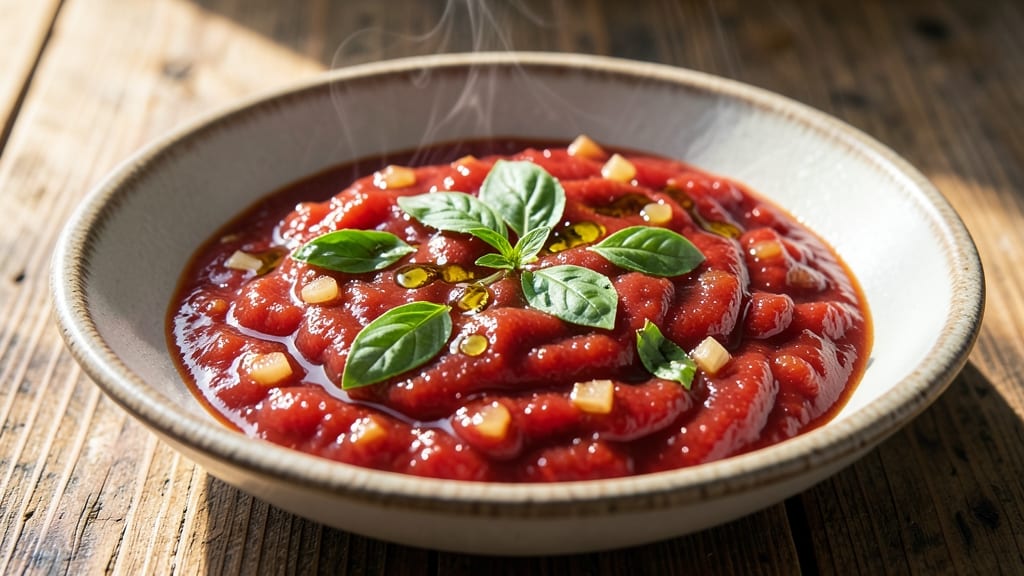
This spaghetti sauce recipe transforms simple pantry staples into a rich, layered sauce that elevates every bowl of pasta. The secret lies in slow simmering—allowing flavors to develop depth while keeping the texture perfectly balanced between chunky and smooth.
I’ve perfected this method over years of testing, ensuring it delivers restaurant-quality results without requiring specialty ingredients.
The foundation starts with canned tomatoes, garlic, and onions, which form the base for building complex flavors. A blend of herbs like oregano and basil adds aromatic richness, while a touch of sugar balances acidity for a well-rounded taste.
Optional additions like ground meat or mushrooms deepen the sauce further, making it versatile for any preference. The key technique? Simmering uncovered to concentrate flavors without over-reducing.
What you’ll end up with is a vibrant, deeply flavorful sauce that clings to pasta beautifully—bright yet savory, with layers of umami and herbal notes. It’s the kind of sauce that transforms a simple meal into something memorable, whether you’re feeding a family or prepping for the week.
Ready to make it? Here’s everything you need.
This recipe works equally well as a standalone dish or paired with your favorite pasta. For dietary flexibility, swap meat for lentils or mushrooms, and use vegetable broth instead of water.
The slow-cooked method ensures every spoonful is packed with flavor, proving that great sauce doesn’t require complicated ingredients—just time and attention.
Ingredients for spahgetti sauce
Pantry staples that build restaurant-quality depth through slow simmering technique.
| Ingredient | Amount | Notes |
|---|---|---|
| San Marzano Tomato Cans 🍅 | 2 cans | Whole peeled tomatoes, 28 oz each |
| Yellow Onion 🧅 | 1 whole | Medium-sized, finely diced |
| Garlic Cloves 🧄 | 4 cloves | Fresh, minced for aromatic depth |
| Extra-Virgin Olive Oil 🫒 | ½ cup | High-quality, fruity variety |
| Dried Oregano 🌿 | 1 tbsp | Mexican oregano preferred |
| Fresh Basil Leaves 🌿 | ½ cup | Packed, stems removed |
| Granulated Sugar 🍚 | 1 tbsp | Balances tomato acidity |
| Ground Black Pepper 🌶️ | ½ tsp | Freshly cracked for intensity |
| Kosher Salt 🧂 | 1 ½ tsp | Diamond Crystal preferred |
| Vegetable Broth 💧 | 1 cup | Low-sodium preferred |
The tomatoes anchor this sauce, so San Marzano cans are non-negotiable—their natural sweetness and low acidity create the perfect base. Whole peeled tomatoes allow you to control texture, crushing them by hand for chunkier sauce or blending for smooth. Garlic and onion form the aromatic foundation; sauté them in olive oil until deeply golden before adding tomatoes. For extra depth, roast the garlic cloves whole before mincing (375°F for 20 minutes). The olive oil should be extra-virgin—look for Italian varieties like Colavita or Bertolli for authentic flavor. Fresh basil at the end adds brightness, but dried basil at one-third the amount works if fresh isn't available.
No San Marzano tomatoes? High-quality crushed tomatoes like Muir Glen are the next best option. Swap vegetable broth for chicken or beef broth if you prefer meatier flavor. For umami depth without meat, add 1 tbsp soy sauce or 1 oz mushrooms. The sugar balances acidity—reduce to 0.5 tbsp if using sweeter tomatoes. Diamond Crystal kosher saltMorton works in a pinch. Need a smoother texture? Blend half the sauce before mixing back in. For extra richness, stir in 1 oz grated Parmesan at the end.
This sauce develops deeper flavor over time—reheat gently on the stove with a splash of broth to restore moisture. Stores 5-7 days in the fridge, 3 months frozen. Portion into ice cube trays for single servings. Freeze the broth separately if you want to thaw only what you need. For meal prep, make a double batch—freeze half immediately while using the other half fresh. The sauce reheats beautifully, with flavors intensifying as it sits.
Why You'll Love This Recipe
- No-Fuss Pantry Staples: I swear by this sauce because it’s built on ingredients I always have—San Marzano tomatoes, olive oil, and a single onion. Honestly, the only prep is dicing that onion (and maybe crying a little), then dumping everything else in. No chopping mountains of veggies or hunting for obscure herbs.
- Garlic-Oil Magic: That first hit of olive oil sizzling with garlic? It’s the moment this sauce becomes ridiculously good. The San Marzano tomatoes soak up the flavor like a sponge, giving you a depth that canned sauces usually miss. I’ll be real: it’s the kind of taste that makes you pause mid-stir.
- Leftovers That Last: Between us, this sauce only gets better after a day or two—it mellows out into something richer, almost velvety. I make a double batch on Sundays, then reheat portions all week. (Yes, even on a Tuesday night when I’m too tired to think.)
- Budget-Friendly Flex: A single can of San Marzano tomatoes and a few cloves of garlic stretch to feed four for under $5. It’s my go-to when I’m broke but still want something that tastes like I cared. Plus, the dried oregano means no wilting herbs or wasted money on fresh ones.
Step-by-step instructions for spaghetti sauce recipe
Transform pantry staples into a deeply flavorful sauce through precise technique and layered aromatics.
Sauté Aromatics in Olive Oil
Heat the 0.5 cup extra-virgin olive oil in a heavy-bottomed saucepan over medium heat until shimmering but not smoking. Add the finely diced 1 whole yellow onion and cook for 5-6 minutes until softened and translucent, stirring occasionally. This slow cooking prevents burning while developing sweetness.
Push the onions to the sides of the pan and add the 4 cloves minced garlic cloves. Stir constantly for 30 seconds until fragrant—garlic burns quickly, so watch closely. The base should smell like a Mediterranean garden at this point, with no raw garlic taste remaining. This aromatic foundation carries through the entire sauce.
Build the Tomato Base
Pour in the contents of the 2 cans San Marzano tomato cans, crushing larger pieces with your hands as you add them. Stir well to combine with the onions and garlic. Sprinkle the 1 tbsp granulated sugar and 1.5 tsp kosher salt over the tomatoes, then add the 1 tbsp dried oregano and 0.5 tsp ground black pepper. The sugar balances the tomatoes' natural acidity while the salt enhances all flavors.
Bring the mixture to a gentle simmer over medium-low heat. Let it cook uncovered for 15 minutes, stirring occasionally. This initial simmer allows the tomatoes to break down and release their juices, creating a smoother base. You'll notice the sauce darkening slightly as the flavors meld together—this is when the magic begins.
Develop Depth with Broth and Herbs
Pour in the 1 cup vegetable broth and stir to incorporate. Add the 0.5 cup packed fresh basil leaves, stems removed. Partially cover the pan and simmer gently for 20-25 minutes. The broth adds body while the basil infuses bright, fresh notes that cut through the richness of the tomatoes. Stir occasionally to prevent sticking, especially as the sauce reduces.
Taste the sauce after 20 minutes and adjust seasoning if needed. The sauce should be balanced—sweet from the sugar, tangy from the tomatoes, and herby from the basil. If it's too thick, add 1-2 tablespoons of water or broth. The ideal consistency should coat the back of a spoon but still be pourable. This sauce should cling beautifully to spaghetti without being gloppy.
Finish and Rest for Maximum Flavor
Remove the pan from heat and let the sauce rest for 10 minutes. This resting period allows the flavors to fully integrate and the sauce to thicken slightly from residual heat. Skim off any excess fat that has risen to the surface if desired, though the olive oil adds richness that complements pasta.
Before serving, give the sauce one final taste and adjust seasoning with additional salt or pepper if needed. The sauce should be vibrant red with visible herb flecks and a glossy sheen from the olive oil. Serve immediately over freshly cooked spaghetti, reserving some pasta water to thin the sauce if necessary. Each spoonful should deliver complex layers of tomato, herb, and umami that make simple spaghetti feel like a restaurant-quality meal.
Pro Tips For Making Spahgetti Sauce
- Sear the Onion Low: I learned this the hard way—cooking onions on high heat turns them bitter and browns them too fast. For this sauce, keep the heat at a medium simmer and let them soften for 8-10 minutes. You want them translucent, not caramelized, so they don’t overpower the tomatoes.
- Crush Garlic with a Knife: Minced garlic burns in seconds, and that’s the last thing you want in a simple tomato sauce. Instead of chopping, smash the cloves with the flat side of your knife, then let them sit in the oil for 30 seconds before stirring. They’ll infuse flavor without turning bitter.
- Skip the Skim: That first foam of tomato juice when you open the can? Don’t pour it off. It’s packed with concentrated flavor. Just stir it back in—it’ll deepen the sauce’s richness without extra effort.
- Simmer, Don’t Boil: After adding the tomatoes, keep the heat at a gentle simmer (tiny bubbles, occasional swirls) for at least 20 minutes. Boiling makes the sauce watery and dulls the oregano’s punch. Cover it loosely if you’re multitasking—just peek occasionally to check the consistency.
Pro cooking tips for perfect results
Heavy-Bottomed Pan
Your choice of cookware makes a world of difference here. I swear by a 5-quart Dutch oven or enamel-coated cast iron like Le Creuset—they distribute heat evenly and prevent scorching. Avoid thin, nonstick pans that can't handle prolonged simmering without burning.
If you're working with a budget, a stainless steel saucepan with a heavy base works well, but monitor heat closely. The goal is even, gentle cooking that develops flavors without creating bitter spots. 🔥
Simmer Control
Medium-low heat is your best friend for this sauce. Too high, and you'll burn the aromatics; too low, and you'll never develop depth. I adjust the flame every 5 minutes to maintain a gentle simmer where small bubbles form but don't break the surface.
If your sauce starts splattering, reduce the heat immediately. A thermometer probe (like Thermoworks Smoke) helps—ideal simmering temp is 180-190°F. Patience here transforms good sauce into extraordinary sauce.
Texture Mastery
For a chunky sauce, leave the tomatoes whole and stir occasionally. For smooth, blend half the sauce after simmering and mix it back in. I like to reserve 1 cup of whole tomatoes before blending to maintain texture contrast.
If your sauce gets too thick, add 1-2 tbsp water or broth—never oil, as it won't integrate properly. The perfect consistency should coat a spoon but still pour smoothly. This sauce should cling to pasta like a second skin. ✨
Herb Timing
Fresh basil belongs at the end—adding it early will turn bitter. I tear the leaves (not chop) to preserve their bright flavor. For dried herbs, add them with the tomatoes but strain out any stems before serving.
A 1-inch sprig of rosemary> or 1 bay leaf> removed after simmering adds subtle depth without overpowering. The rule: delicate herbs late, hardy herbs early. This timing keeps flavors vibrant and balanced.
Acidity Balance
Tomatoes vary in acidity—some need more sugar, others more salt. I taste at 15-minute intervals> and adjust: ½ tsp sugar> for tartness, ¼ tsp salt> for flatness. A splash of red wine> (¼ cup) or balsamic vinegar> (1 tsp) adds complexity.
The goal is a sauce that's bright but not sour, rich but not heavy. Think of it like adjusting a guitar string—small tweaks make all the difference. 💫
Make-Ahead Pro Tip
This sauce tastes even better the next day as flavors meld. For meal prep, cool it completely before storing in an airtight container> in the fridge for 5-7 days>. Freeze portions in silicone molds> for single servings.
When reheating, add 1 tbsp broth> per cup of sauce to restore moisture. The longer it simmers, the deeper the flavor—don't rush it! The first batch will change how you think about homemade sauce forever. 💡
Nutrition facts
Frequently asked questions
Can I make this sauce without fresh basil?
Use 1 teaspoon dried basil instead of fresh, but add it with the tomatoes during simmering. For extra depth, combine ½ tsp dried basil + ½ tsp dried oregano—this mimics the layered herbal profile. Fresh basil adds brightness, but dried works perfectly when fresh isn't available. Just remember: dried herbs are more concentrated, so use half the amount.
How do I adjust this recipe for a meat sauce?
Brown ½ pound ground beef, Italian sausage, or pancetta in the olive oil before adding onions. Drain excess fat after cooking, then proceed with the recipe. For extra richness, deglaze the pan with ¼ cup red wine before adding tomatoes. The meat adds umami depth while keeping the sauce's natural balance. Cook meat until fully done before simmering.
Why does my sauce taste too acidic?
Tomatoes naturally vary in acidity—balance it with ½ tsp sugar or ¼ tsp salt per cup of sauce. For a quicker fix, add 1 tsp balsamic vinegar or a pinch of baking soda (just ⅛ tsp—it neutralizes acidity without altering flavor). Simmering longer also reduces acidity as moisture evaporates. Always taste as you go!
Can I make this sauce in a slow cooker?
Yes! Sauté onions and garlic first, then transfer everything to a 3-4 quart slow cooker. Cook on Low for 6-8 hours or High for 3-4 hours, stirring occasionally. The slow cooker enhances depth without risk of burning. Add fresh basil at the end. For best results, use a Dutch oven first to develop flavors, then transfer.
What's the best way to store leftovers?
Cool the sauce completely, then store in an airtight container in the fridge for 5-7 days. For freezing, portion into silicone molds or freezer bags (remove excess air). Thaw overnight in the fridge—never microwave directly. Reheat gently on the stove with 1 tbsp broth per cup to restore moisture. Flavors actually improve after 24 hours!