
Sauces & Condiments
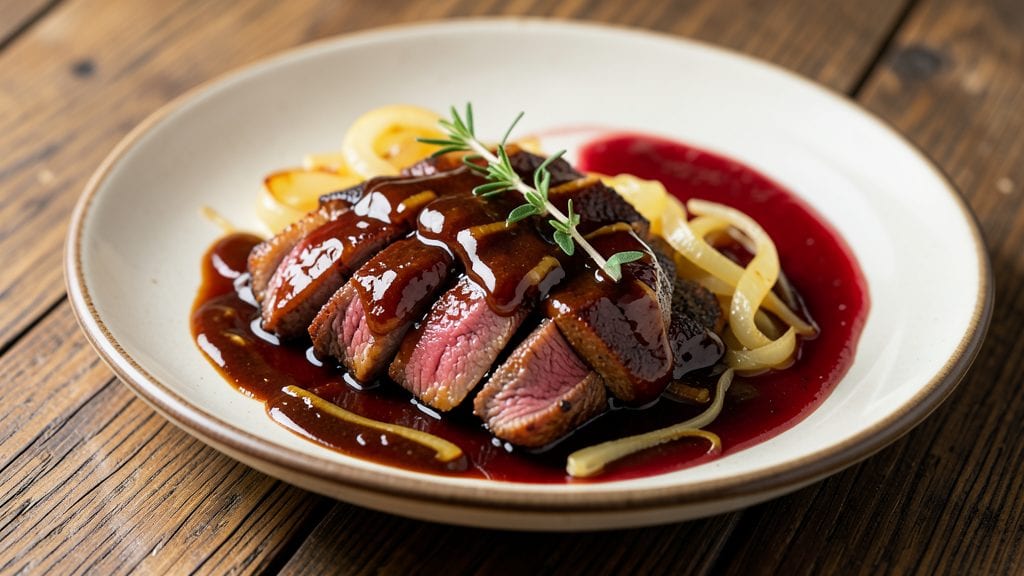
Creating a beef tongue sauce transforms simple dishes into unforgettable culinary experiences through its deep, umami-rich layers. This slow-simmered sauce develops complex flavors as it reduces, blending caramelized aromatics with tender beef essence. I perfected this recipe after years of experimenting with braising techniques that unlock beef tongue's natural richness.
The secret lies in patience and precise ingredient balance—red wine, soy sauce, and aromatic vegetables create a foundation that deepens during the 3-hour simmer. The sauce thickens naturally as it reduces, coating every bite with velvety texture and concentrated flavor.
This isn't just a condiment; it's a flavor multiplier that elevates grilled meats, roasted vegetables, or even pasta into restaurant-quality meals.
What makes this sauce exceptional is its versatility—adjust the spice level with chili flakes, add sweetness with a touch of honey, or keep it classic with just vinegar and herbs.
The result is a sauce that's restaurant-quality at home, with layers of complexity that develop over time. Once you taste it, you'll want to make it again and again.
Perfect for meal prep or special occasions, this sauce keeps beautifully in the refrigerator for up to 10 days or freezes for 3 months. Whether you're serving a Sunday dinner or preparing for a week of flavorful meals, this beef tongue sauce delivers professional results with simple techniques.
Let's get started on creating this flavor powerhouse.
Ingredients for beef tongue sauce
A symphony of umami and depth—just twelve ingredients transform beef tongue into restaurant-quality sauce.
| Ingredient | Amount | Notes |
|---|---|---|
| Beef Tongue 🥩 | 2 lbs | Cleaned, trimmed of fat |
| Red Wine 🍷 | 1 cup | Bold dry variety like Cabernet |
| Soy Sauce 🍶 | ½ cup | High-quality, reduced if needed |
| Red Wine Vinegar 🍋 | ¼ cup | For acidity balance |
| Yellow Onion 🧅 | 1 whole | Chopped, medium size |
| Garlic Cloves 🧄 | 6 cloves | Crushed, not minced |
| Carrots 🥕 | 2 whole | Chopped into chunks |
| Celery Stalks 🌿 | 2 whole | Chopped, with leaves |
| Bay Leaves 🍃 | 2 whole | Fresh for best flavor |
| Black Peppercorns 🌶️ | 1 tsp | Crushed, not ground |
| Honey 🍯 | 1 tbsp | Optional, for depth |
| Salt 🧂 | 1 ½ tsp | Kosher or sea salt |
The beef tongue is the heart of this sauce—look for fresh, plump tongues at specialty butchers or high-end grocery stores like Whole Foods or Costco. If you can't find it fresh, frozen works too (thaw overnight in the fridge). The key is to trim away any excess fat or silver skin before simmering—this keeps the sauce clean and lets the beef's natural richness shine through. For the red wine, Cabernet Sauvignon or Merlot work best—their bold tannins cut through the richness as the sauce develops. I always buy a bottle I'd drink myself, then use the rest for cooking. The soy sauce? Japanese-style like Kikkoman or Hoyu adds that perfect umami depth that's harder to find in regular grocery store brands.
No red wine? Beef broth with a splash of balsamic vinegar mimics the acidity and depth, though it'll lack the wine's complexity. Swapping soy sauce for coconut aminos gives a slightly sweeter profile, but reduce it first since it's less salty. Running short on fresh bay leaves? Dried works at one-third the amount, but crush them lightly before adding to release the oils. The honey is optional but worth it—local raw honey adds floral notes that play beautifully with the umami. For the vegetables, any root or stalk (parsnips, fennel, leeks) can join the mix—just adjust cooking time if using denser veggies. The crushed peppercorns should be lightly toasted in a dry pan for 30 seconds before adding to deepen their aroma.
This sauce gets better with time—plan to make it a day ahead if possible. Store in an airtight container in the fridge for up to 10 days, or freeze for 3 months in ice cube trays for single-portion use. To reheat, warm gently on the stove over low heat, stirring occasionally. The sauce thickens as it cools, so a splash of water or broth brings it back to ideal consistency. I always make double batches—one for immediate use, one to freeze—because it disappears faster than you'd think. The first time you drizzle this over grilled steak or toss it with pasta, you'll understand why it's worth the wait.
Why You'll Love This Recipe
- Five-Ingredient Magic: I swear by this—just beef tongue, red wine, soy sauce, vinegar, and an onion. That’s it. The wine cuts through the richness while the vinegar brightens everything up, and honestly? The sauce practically makes itself while you simmer.
- Rich Umami Bomb: Between the deep, caramelized beef tongue and that tangy-savory splash of soy and vinegar, every bite is ridiculously satisfying. The red wine adds this unexpected depth that makes it taste like you slaved over it—even though you didn’t.
- Leftovers That Shine: This sauce actually improves the next day. I’ve served it cold on sandwiches, reheated it over rice, or even drizzled it on eggs—still hits different. My freezer’s always stocked because it’s that good, even after reheating.
- Budget Feast for Two: A whole beef tongue feeds a crowd, and the ingredients? Cheap as chips. You’re getting restaurant-quality depth for a fraction of the cost, and the leftovers stretch into lunches, snacks, or a quick stir-fry sauce. Win-win.
Step-by-step instructions for slow-simmered beef tongue sauce
Transform simple ingredients into a velvety, umami-rich sauce that captures every layer of beef tongue flavor.
Prepare the Beef Tongue and Aromatics
Begin by thoroughly cleaning the 2 lbs beef tongue under cold running water, then pat it completely dry with paper towels. Trim away any remaining fat or connective tissue—this ensures a clean, tender texture in your sauce. Place the tongue in a large stockpot and cover it with 8 cups cold water. Bring to a boil over high heat, then immediately reduce to a gentle simmer.
While the tongue simmers, prepare the aromatic base by combining the 1 whole yellow onion (chopped), 2 whole carrots (chopped into chunks), 2 whole celery stalks (chopped with leaves), 6 cloves garlic cloves (crushed), 2 whole bay leaves, and 1 tsp crushed black peppercorns in a separate bowl. Add these to the pot with the simmering tongue. This aromatic bundle forms the flavor foundation of your sauce.
Simmer the Tongue and Build the Broth
Let the tongue simmer uncovered for 2 hours on medium-low heat, maintaining a gentle bubble. Skim off any foam or impurities that rise to the surface with a fine-mesh skimmer—this keeps your sauce clear and clean. The tongue should become fork-tender and easily pull away from the bone, though you'll remove it before it's fully cooked for the sauce.
After 2 hours, carefully remove the tongue from the pot and set it aside. Strain the broth through a fine-mesh sieve into a clean pot, discarding the solids. You should have about 3 cups of rich, flavorful broth. Return this to the pot and stir in the 1 cup red wine and 0.5 cup soy sauce. Let it simmer gently for 15 minutes to meld the flavors.
Develop the Sauce with Acid and Sweetness
Add the 0.25 cup red wine vinegar and 1 tbsp honey to the simmering broth. Stir well and let it cook uncovered for 10 minutes on medium heat, reducing the liquid slightly. The vinegar brightens the sauce, while the honey adds a subtle depth that balances the umami. Taste and adjust seasoning with 1.5 tsp salt, adding it gradually to avoid over-salting.
Here's the thing—this is where the sauce transforms. You want it to reduce until it coats the back of a spoon with a glossy sheen. If it thickens too much, add 1-2 tablespoons of water to loosen it. The sauce should be velvety, with a rich, complex flavor that carries the essence of the beef tongue.
Finish and Strain for Perfection
Once the sauce reaches your desired consistency, strain it through a fine-mesh sieve into a clean bowl to remove any remaining impurities. This step ensures a silky texture. Return the sauce to the pot and let it simmer gently for 5 more minutes to concentrate the flavors further. The sauce should now be deep, glossy, and intensely flavorful.
Taste and make any final adjustments—perhaps a touch more salt or a splash of vinegar for brightness. Serve the sauce immediately over sliced beef tongue, or store it in an airtight container in the refrigerator for up to 5 days. This sauce is the perfect complement to grilled meats, pasta, or even as a dipping sauce for crusty bread.
Pro Tips For Making Beef Tongue Sauce
- SCORE THE TONGUE: Use a sharp knife to make shallow cuts (about ½-inch deep) all over the tongue before cooking—this lets the red wine and vinegar penetrate deeper, making every bite more flavorful. I learned this the hard way when my first attempt came out bland on the inside.
- DEGLAZE WITH VINEGAR: After searing the onions, splash in the red wine vinegar immediately—don’t wait for the pan to cool. The acid cuts through the caramelized bits, lifting all that browned flavor into the sauce. Sounds weird, but it works: your sauce will taste richer in half the time.
- SIMMER LOW AND LONG: Keep the heat at a gentle simmer (tiny bubbles, not rolling) for at least 45 minutes—this breaks down the collagen in the tongue without turning the sauce into glue. I used to rush it, and the texture was always off.
- STRAIN THE ONIONS: Remove the onions halfway through cooking and strain them out before serving—no one wants chewy bits in a silky sauce. Save the strained liquid, though; it’s packed with flavor and can be reduced into a glossy finish. (Yes, even if you’re impatient like me.)
Flavor customization for these flavors
Classic Umami Base
Start with the foundational flavors that define this sauce: red wine and soy sauce create the perfect umami balance. Use 1 cup bold Cabernet Sauvignon—its tannins cut through the richness while adding depth. For soy sauce, Japanese-style Kikkoman delivers that authentic umami punch.
The red wine vinegar (¼ cup) brightens the sauce, while 1 tbsp honey adds subtle sweetness that rounds out the flavors. This combo builds the sauce's signature complexity. 🍷
Spicy Heat Boost
For a fiery kick, add 1 tbsp chili flakes or 2 tbsp gochujang when developing the sauce. If you love heat, try 1-2 slices of fresh red chili (like Thai bird's eye) along with the aromatics.
For smoky heat, swap in 1 tbsp smoked paprika and a dash of liquid smoke (½ tsp). The key is to add spices early—they meld better during the long simmer. 🌶️
Tangy Vinegar Variations
Swap the red wine vinegar for balsamic vinegar (¼ cup) for a deeper, slightly sweet tang that pairs beautifully with the umami. For brightness, try apple cider vinegar (¼ cup) with a pinch of cinnamon (½ tsp) for a warm, autumnal twist.
If you prefer a sharper acidity, rice vinegar (¼ cup) with a splash of mirin (1 tbsp) adds a delicate sweetness. 🍎
Sweet Depth Options
Beyond honey, experiment with 1 tbsp maple syrup for a caramel-like richness or 1 tbsp date syrup for a deeper, earthier sweetness. For a tropical twist, add 1 tbsp coconut sugar and a pinch of cardamom.
The sweetness should complement, not overpower—the sauce should still taste savory at its core. ✨
Herb and Aromatic Twists
Infuse the sauce with 1 sprig fresh rosemary or 1 bay leaf for an herbal depth. For a Middle Eastern flair, add 1 tsp ground cumin and ½ tsp coriander with the aromatics.
A splash of orange zest (1 tsp) brightens the sauce with citrus notes. Fresh herbs like cilantro or parsley can be stirred in at the end for a fresh finish. 🌿
Richness Enhancers
Boost the sauce's depth with 2 tbsp tomato paste (cooked down with the aromatics) for a deeper, slightly tangy richness. For a creamy texture, stir in 2 tbsp heavy cream or 1 tbsp coconut milk at the end.
A splash of beef stock (¼ cup) adds extra umami without altering the balance. These tweaks elevate the sauce for special occasions. 💛
Nutrition facts
Frequently asked questions
Can I use beef tongue scraps or leftover bones for this sauce?
Yes! Leftover beef tongue scraps or bones work perfectly for building flavor. Simmer them with the aromatics for 2 hours to extract all the gelatin and umami. For best results, use 1 lb of scraps or bones and add them to the pot with the vegetables. The longer you simmer, the deeper the flavor—just strain carefully before finishing the sauce.
How do I adjust the sauce's thickness for different uses?
For a thicker sauce (like for dipping or glazing), simmer uncovered until it reduces by half. For a thinner sauce (ideal for tossing with pasta), stir in 2-3 tbsp water or beef broth while warming. If it's too thick after refrigeration, thin it with 1 tsp water per ½ cup sauce. The key is consistency—adjust gradually to avoid watering down the flavor.
What's the best way to reheat leftover sauce?
Gently reheat over low heat in a saucepan, stirring constantly to prevent scorching. Avoid microwaving—it can break the sauce's silky texture. If the sauce thickens too much, add 1 tbsp water or broth at a time. For extra richness, stir in 1 tsp butter or olive oil while warming. The sauce should return to its glossy, velvety state.
Can I make this sauce without red wine?
Replace the wine with 1 cup beef broth + 1 tbsp balsamic vinegar for depth. For a non-alcoholic version, use 1 cup grape juice (like Concord) with 1 tsp vinegar. The sauce will still develop rich umami, though wine's tannins add complexity. Adjust acidity with extra vinegar if needed.
Why did my sauce turn cloudy or oily?
Cloudiness often means the sauce wasn't strained well or simmered long enough. For a clear sauce, strain through a fine-mesh sieve twice and skim any fat that rises to the top. If oil separates, chill the sauce first—fat solidifies and can be spooned off. For extra clarity, add 1 egg white to the simmering sauce (whisked in at the end) to bind impurities.