
Sauces & Condiments
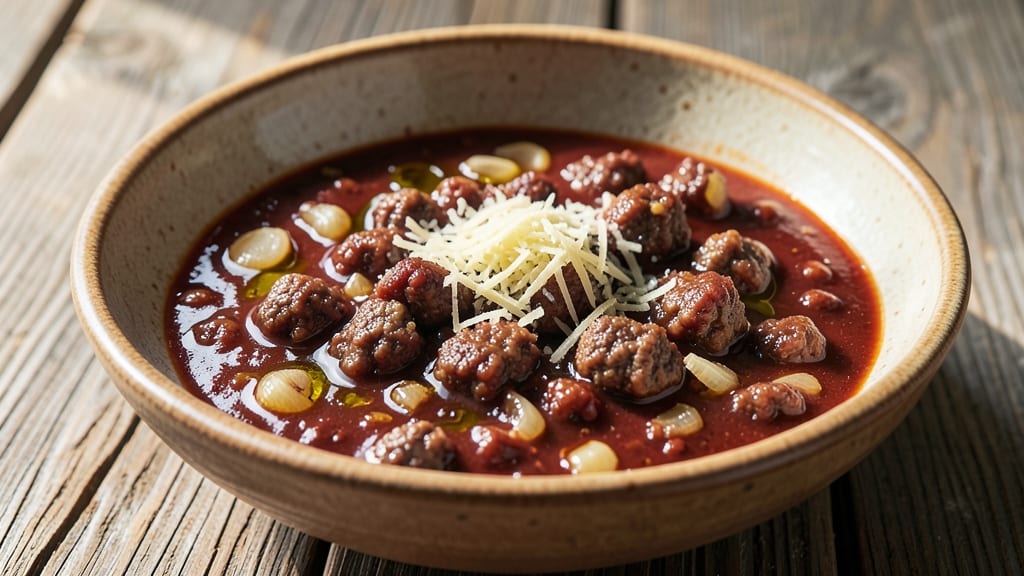
America's Test Kitchen's bolognese sauce recipe delivers deep umami richness without relying on wine reduction—a game-changer for home cooks. This method builds flavor through precise cooking techniques rather than shortcuts, ensuring a sauce that's bold, balanced, and restaurant-quality every time.
The secret lies in browning the meat thoroughly and simmering it low and slow, allowing the natural flavors to develop without overpowering the dish.
Unlike many recipes that call for wine or lengthy reductions, this version achieves its depth through caramelized onions, ground beef, and a blend of tomatoes and herbs. The sauce thickens naturally as it simmers, creating a velvety texture that clings perfectly to pasta or meat.
It’s the kind of sauce that transforms simple ingredients into something extraordinary, all while staying true to classic Italian roots.
What sets this bolognese apart is its versatility—use it as a pasta sauce, a meat glaze, or even a filling for lasagna. The flavor only improves with time, making it ideal for meal prep.
With minimal effort and maximum reward, this recipe proves that great sauce doesn’t require complicated techniques or expensive ingredients.
Ready to elevate your weeknight dinners? This bolognese sauce is foolproof, adaptable, and packed with flavor—perfect for anyone looking to cook like a pro without the fuss. Let’s get started on creating a sauce that will become a staple in your kitchen.
Ingredients for america's test kitchen bolognese sauce
Twelve ingredients, umami depth without wine reduction. Restaurant-quality bolognese built on technique, not shortcuts.
| Ingredient | Amount | Notes |
|---|---|---|
| Ground Beef 🥩 | 1 ½ lb | 80/20 fat ratio preferred |
| Yellow Onions 🧅 | 2 whole | Medium-sized, finely chopped |
| Garlic Cloves 🧄 | 4 cloves | Peeled, minced finely |
| Canned San Marzano Tomatoes 🍅 | 28 oz | Crushed or whole, no salt added |
| Tomato Paste 🍅 | 2 tbsp | High-quality, no sugar added |
| Whole Milk 🥛 | 1 cup | Full-fat for creaminess |
| Dry Red Wine 🍷 | ½ cup | Bold variety like Cabernet Sauvignon |
| Extra-Virgin Olive Oil 🫒 | ½ cup | High-quality, fruity flavor |
| Fresh Rosemary 🌿 | ½ tsp | Finely chopped, or 1 tbsp dried |
| Fresh Thyme 🌿 | ½ tsp | Leaves only, or 1 tsp dried |
| Diamond Crystal Kosher Salt 🧂 | 1 ½ tsp | Adjust to taste |
| Freshly Ground Black Pepper 🌶️ | ½ tsp | Freshly cracked preferred |
The ground beef is non-negotiable—80/20 fat ratio ensures rich flavor and proper texture. Costco or Whole Foods carry the best quality, but any reputable grocery store's ground chuck works. For the tomatoes, San Marzano cans are worth the investment—their natural sweetness and low acidity create a superior base. If using whole tomatoes, crush them by hand for maximum flavor extraction. The onions should be medium-sized for even cooking; avoid the small red onions—they burn too quickly.
No red wine? Substitute with beef broth and a splash of balsamic vinegar—it mimics the acidity and depth. Fresh herbs are ideal, but dried thyme at one-third the amount works in a pinch. For tomato paste, Rao's brand is a reliable choice, but any high-quality paste without added sugar will do. The milk adds creaminess without overpowering; full-fat is essential—skim will make the sauce separate. Olive oil quality matters here: California Extra Virgin brands like Corto or Colavita provide the fruity notes that elevate the dish.
This sauce improves with time—3-4 days in the fridge lets flavors meld perfectly. For long-term storage, freeze in airtight containers for up to 3 months. Portion into ziplock bags for easy thawing. Reheat gently on the stove with a splash of water or milk to restore creaminess. The sauce thickens as it cools, so don't overthicken while cooking—it will naturally reach the perfect consistency.
Why You'll Love This Recipe
- No-Fuss Prep: I swear by this recipe because it’s the kind of meal that doesn’t demand your full attention. Brown the beef, dice the onions—no fancy techniques, just a skillet and 10 minutes of hands-on time. The San Marzano tomatoes handle all the heavy lifting after that.
- Rich Without Effort: That tomato paste and garlic combo? It’s the secret weapon. The paste deepens the flavor instantly, while the San Marzano tomatoes add natural sweetness that balances the richness of the beef. Honestly, it tastes like you simmered it for hours—even though you didn’t.
- Weeknight to Potluck: This sauce is my go-to for everything: a quick pasta dinner, stuffed into lasagna for company, or even slathered on garlic bread when guests drop by. Between us, it’s the only bolognese I make anymore because it works everywhere.
- Budget-Friendly Leftovers: A single batch stretches for three meals, and the ingredients won’t break the bank. Ground beef is affordable, canned tomatoes last forever, and you’re not wasting anything—just portion it out and reheat. My freezer’s full of it, and I’m not complaining.
Step-by-step instructions for america's test kitchen bolognese sauce
Master this technique and you'll achieve a bolognese with restaurant-quality depth—rich, complex, and perfectly balanced without wine reduction.
Develop the Flavor Base with High-Heat Cooking
Heat the 0.5 cup extra-virgin olive oil in a heavy-bottomed Dutch oven over medium-high heat until shimmering. Add the 1.5 lb ground beef and cook, breaking it apart with a wooden spoon, until it loses its raw color and begins to brown—about 8-10 minutes. This initial cooking step is critical for developing deep umami flavors through the Maillard reaction.
Once the beef is browned, reduce heat to medium and add the 2 whole yellow onions and 4 cloves garlic cloves. Cook for 10-12 minutes, stirring occasionally, until the onions are deeply caramelized and the garlic is fragrant but not burned. This slow cooking transforms the onions into sweet, concentrated flavor bombs that form the sauce's foundation. If the mixture starts to stick, add 1-2 tablespoons of dry red wine to deglaze and scrape up those precious browned bits.
Build Depth with Tomato Paste and Herbs
Stir in the 2 tbsp tomato paste and cook for 3-4 minutes until it darkens slightly and becomes aromatic. This step intensifies the tomato flavor and creates a rich, velvety base. Add the 0.5 tsp fresh rosemary and 0.5 tsp fresh thyme, stirring to toast the herbs for 30 seconds until their oils are released and the mixture smells intensely aromatic.
Pour in the 0.5 cup dry red wine and simmer for 3-4 minutes until the wine has mostly evaporated. This alcohol reduction removes harsh notes while concentrating the wine's flavor. The sauce should now have a deep, complex aroma—savory, herbal, and slightly sweet. If you notice any wine residue, simmer an additional 1-2 minutes to ensure all alcohol has cooked off.
Incorporate Tomatoes and Milk for Creamy Texture
Add the 28 oz canned San Marzano tomatoes, crushing any whole tomatoes by hand to ensure even distribution. Stir in the 1.5 tsp diamond crystal kosher salt and 0.5 tsp freshly ground black pepper, then bring the mixture to a gentle simmer. Partially cover the pot and cook for 45-50 minutes, stirring occasionally, until the sauce thickens and the tomatoes break down completely.
After 40 minutes, stir in the 1 cup whole milk to add creaminess and balance the acidity. The milk will create a luxurious texture while preventing the sauce from becoming too heavy. Continue simmering for another 10-15 minutes, stirring frequently, until the sauce reaches your desired consistency—it should coat the back of a spoon but still be saucy enough to cling to pasta.
Refine and Season to Perfection
Taste the sauce and adjust the seasoning if needed. The 1.5 tsp kosher salt should be balanced with the acidity of the tomatoes and the richness of the milk. If the sauce tastes too acidic, add a pinch more salt or a small amount of sugar (though the recipe intentionally avoids added sugar). For extra depth, you can finish with a splash of 1-2 tablespoons of dry red wine or a pat of butter if serving immediately.
The sauce is now ready to be served over al dente pasta, such as tagliatelle or pappardelle. For best results, let it rest for 10-15 minutes before serving—this allows the flavors to meld further and the sauce to reach its ideal consistency. If the sauce thickens too much while resting, simply stir in a splash of pasta water to loosen it.
Pro Tips For Making America'S Test Kitchen Bolognese Sauce
- Brown the Beef Slowly: The recipe calls for cooking the beef in batches—don’t rush it. Low and slow (medium heat) prevents steam from turning your sauce gray and ensures deep flavor. I used to crank the heat, and the beef would release moisture too fast, making the sauce watery. Medium is the sweet spot.
- Sweat Onions Until Soft: The onions should be translucent and almost caramelized before adding garlic—about 10 minutes with the lid off. I learned this the hard way: undercooked onions make the sauce taste raw. Keep the heat steady, and resist the urge to speed it up.
- Stir the Tomato Paste: Once the paste hits the pot, stir it into the oil immediately to prevent burning. I’ve seen it stick and scorch in seconds—once it’s blackened, the whole sauce takes on a bitter edge. A quick whisk keeps it smooth and flavorful.
- Simmer, Don’t Boil: The recipe’s long cook time (2+ hours) relies on a gentle simmer, not a rolling boil. If it’s bubbling hard, the sauce will break and turn grainy. Drop the heat to low and let it bubble softly—your patience will pay off in texture.
Storing and reheating this america's test kitchen bolognese sauce
Fridge Storage Secrets
Transfer your bolognese to an airtight glass container (I love Pyrex) while still warm but not piping hot—this prevents condensation buildup that can dilute flavors. Store in the fridge for up to 4 days, but honestly?
The sauce hits peak flavor on day 3 when all the components meld perfectly. The milk adds creaminess, but it does separate slightly—just stir vigorously before reheating. 💪
Freezer Prep Hacks
Portion your sauce into quart-sized ziplock bags or silicone molds for easy thawing. Leave ½-inch headspace to account for expansion, and label with the date. For best texture, freeze for up to 3 months—any longer risks freezer burn compromising the rich tomato base.
I like using mason jars for portion control when reheating later. ❄️
Stovetop Revival
Thaw overnight in the fridge, then reheat on medium-low heat with a splash of whole milk or pasta water to restore creaminess. Stir frequently for 10-15 minutes until steaming—never rush this step or the sauce will split.
If it thickens too much, add 1-2 tablespoons of water at a time. The milk helps stabilize the sauce, so don’t skip it during reheating. 🔥
Microwave Shortcuts
For quick meals, transfer a portion to a microwave-safe bowl and heat on 50% power in 1-minute intervals, stirring between each. Avoid full power—it can curdle the milk and make the sauce grainy.
If the texture seems off, stir in 1 teaspoon of cold milk to smooth it out. This method works best for single servings when you’re in a hurry. ⚡
Sauce Consistency Fixes
If your reheated sauce is too thick, loosen with pasta water (it’s starchy and perfect for binding). For a thinner consistency, add 1-2 tablespoons of warm water or milk while stirring.
The sauce naturally thickens as it cools, so adjust while warm. Pro tip: If using for lasagna, mix in 1 egg per quart to help it set properly during baking. 💡
Flavor Boosters Post-Reheat
Give your reheated sauce a final touch with fresh basil leaves (a few torn pieces) or a pinch of red pepper flakes for brightness. A drizzle of extra-virgin olive oil adds richness, and a splash of dry red wine (just 1 tablespoon) can deepen the umami notes.
These finishing touches make reheated sauce taste almost as good as fresh. 🌿
Nutrition facts
Frequently asked questions
Why does this bolognese recipe use milk instead of cream?
The whole milk adds subtle creaminess without overpowering the sauce's rich tomato base. Unlike heavy cream, milk prevents the sauce from becoming too rich while still creating a velvety texture. Plus, it helps balance the acidity of the tomatoes naturally.
Can I make this sauce without red wine?
Substitute the 0.5 cup dry red wine with 0.5 cup beef broth plus 1 tablespoon balsamic vinegar. This combo mimics the wine's acidity and depth while keeping the sauce flavorful. The recipe intentionally avoids wine reduction for simplicity and broader appeal.
How do I fix a bolognese that's too acidic?
If your sauce tastes overly tart, balance it with a pinch of kosher salt or a small amount of sugar (½ teaspoon max). For a richer profile, stir in 1 tablespoon tomato paste and simmer for 5 minutes. Avoid adding more milk—it can dilute the flavor instead of fixing acidity.
What's the best pasta shape for this sauce?
This rich sauce pairs beautifully with tagliatelle, pappardelle, or fettuccine—wide noodles that can hold the sauce's weight. For extra texture, try rigatoni or penne, which trap the sauce in their ridges. Avoid thin strands like spaghetti, as they can overwhelm the dish.
Can I make this vegetarian?
Yes! Replace the 1.5 lb ground beef with 1.5 lb mushrooms (cremini or portobello) finely chopped or 1.5 cups cooked lentils. For umami depth, add 1 teaspoon soy sauce or ½ teaspoon smoked paprika to compensate for the missing meaty flavor. The sauce will still develop rich, complex notes.