
Sauces & Condiments
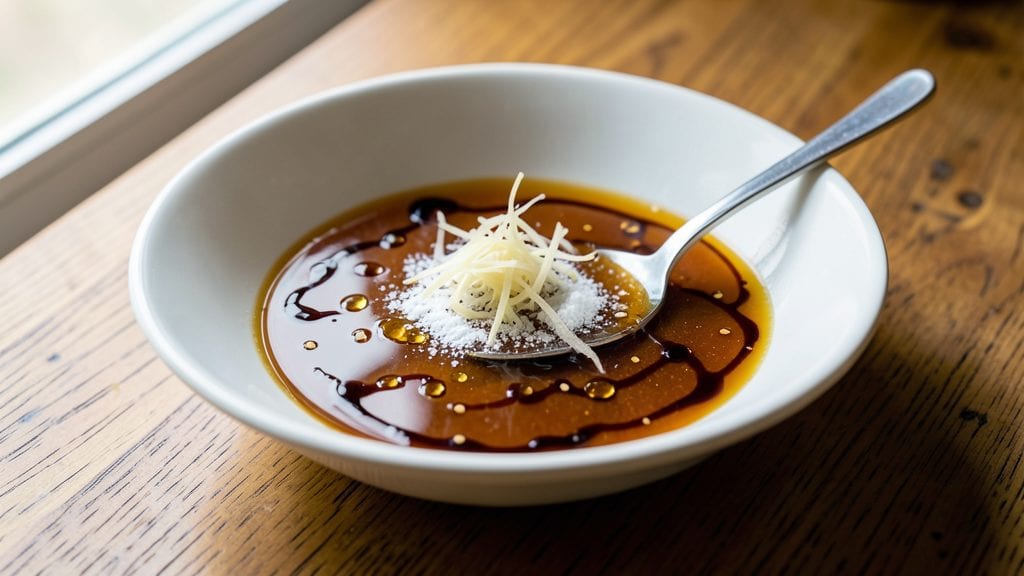
Creating a mirin sauce recipe transforms ordinary dishes into restaurant-worthy masterpieces with its glossy, umami-rich sheen. This versatile sauce—made with just four ingredients—elevates grilled meats, roasted vegetables, and even noodles with minimal effort.
The key lies in balancing sweetness and depth through precise simmering, ensuring every drizzle delivers complex flavor without overpowering the dish.
What sets this mirin sauce apart is its ability to double as a glaze, marinade, or finishing drizzle, all while requiring just 15 minutes of active time.
Traditional Japanese techniques simplify the process: mirin and sugar create the base, while a touch of soy sauce and optional dashi (or vegetable broth for vegetarian versions) deepen the umami. The sauce thickens as it reduces, coating ingredients in a sticky, caramelized layer that caramelizes beautifully under the broiler.
Imagine glistening teriyaki-glazed salmon with crispy skin, or tender shiitake mushrooms transformed into a silky, sweet-savory side dish. This sauce works equally well as a dipping sauce for dumplings or a quick marinade for chicken thighs.
The best part? It keeps for up to two weeks in the refrigerator, making it the ultimate pantry staple for home cooks who crave professional-quality results without the fuss.
For those new to mirin, don’t worry—this recipe includes substitutions and troubleshooting tips to ensure success. Whether you're glazing a holiday centerpiece or adding depth to weeknight stir-fries, this sauce delivers restaurant-quality umami with every application. Let’s get started on creating your own glossy, flavor-packed masterpiece.
Ingredients for mirin sauce
Four core ingredients plus optional depth enhancers create this restaurant-quality umami glaze.
| Ingredient | Amount | Notes |
|---|---|---|
| Mirin 🍶 | ½ cup | High-quality, sweetened rice wine |
| Granulated White Sugar 🍚 | ½ cup | Fine grain preferred for smooth texture |
| Light Soy Sauce 🥢 | 2 tbsp | Kikkoman preferred for balance |
| Dashi Powder 🍲 | ½ tsp | Or 1 cup vegetable broth substitute |
| Fresh Ginger 🌿 | 1 tsp | Finely grated, aromatic base |
| Sesame Oil 🥜 | 1 tsp | Toasted, for nutty aroma finish |
| Cornstarch 🌾 | ½ tsp | Slurry with 1 tsp water for thickening |
Mirin quality is non-negotiable—Matsuyama Shikimi or Hirata Shuzou brands deliver authentic sweetness without overpowering. The sugar should dissolve completely during simmering, so use fine granulated sugar rather than coarse. For soy sauce, Kikkoman light soy sauce provides the ideal balance of saltiness and umami. Dashi powder is optional but recommended for that signature Japanese depth—Hondashi brand dissolves smoothly. Fresh ginger adds aromatic complexity; organic ginger from the produce section ensures maximum potency. Toasted sesame oil should be stored in the refrigerator once opened to preserve its delicate flavor.
No mirin? Substitute with 1/4 cup white wine vinegar plus 1/4 cup sugar, though the flavor profile will differ. Vegetable broth works perfectly for vegetarian versions, though the umami depth will be slightly muted. For a quicker option, reduce 1/2 cup store-bought dashi stock instead of using powder. The cornstarch slurry is essential for achieving that glossy, coatable consistency—Argo brand cornstarch works best for its neutral flavor. If you're short on time, 1 tbsp honey plus 1/2 tsp xanthan gum can substitute, though the texture won't be identical.
This sauce thickens as it cools, so reheat gently with 1 tbsp water if it becomes too viscous. Store in an airtight container in the refrigerator for up to two weeks, though the flavor actually improves with age as the components meld. For long-term storage, freeze in ice cube trays—thaw overnight in the refrigerator before use. The sauce can be brushed on proteins 10 minutes before cooking to prevent burning, or drizzled over finished dishes for a glossy finish. Always reheat gently over low heat to preserve its delicate balance of sweet and savory notes.
Why You'll Love This Recipe
- Five-Ingredient Magic: I swear by this—just simmer mirin, sugar, soy, dashi, and ginger until it thickens just right. No chopping, no fuss, and honestly, I’ve made it while waiting for pasta to boil. That’s how effortless it gets.
- Umami Bomb: The combo of mirin’s sweetness and dashi’s depth? It’s like a flavor upgrade button. The ginger adds a little kick, but it’s the soy and mirin working together that makes this sauce dangerously addictive—especially over grilled fish or rice bowls.
- Weeknight Workhorse: This sauce is my secret weapon for busy nights: toss it with stir-fried veggies, drizzle it on noodles, or even glaze tofu. I’ve used it for everything from takeout-style meals to last-minute dinner parties, and it never lets me down.
- Leftovers That Shine: Make a double batch—it keeps for weeks in the fridge, and the flavor only gets better as it mellows. I’ll be real: I’ve reheated this sauce three times and still craved more. Plus, it’s cheap to make, so you’re not breaking the bank for restaurant-quality taste.
Step-by-step instructions for creating glossy umami mirin glaze
This method delivers a perfectly balanced sauce with rich umami depth and natural sweetness.
Create the Ginger-Sesame Oil Base
In a small saucepan, combine the 1 teaspoon finely grated fresh ginger and 1 teaspoon toasted sesame oil over low heat. Let it infuse for 2 minutes until the ginger releases its aromatic oils and the mixture becomes fragrant. This step builds the aromatic foundation of your sauce—don't rush it, as the ginger needs time to properly infuse.
The sesame oil will develop a subtle nutty aroma while the ginger softens slightly but doesn't brown. This infusion creates the complex flavor profile that distinguishes this sauce from simpler sweet glazes. Remove from heat immediately after the 2 minutes to prevent the ginger from becoming bitter.
Build the Sweet-Savory Foundation
Return the pan to medium heat and add the 0.5 cup mirin and 0.5 cup granulated white sugar. Stir constantly for 3-4 minutes until the sugar completely dissolves and the mixture reaches a gentle simmer. You'll notice the sauce thicken slightly as the alcohol content in the mirin begins to cook off.
Watch for small bubbles forming around the edges of the pan—this indicates proper heat level. The sauce should reduce slightly while maintaining a glossy appearance. If it starts to caramelize too quickly, reduce the heat to medium-low to prevent burning. This stage develops the signature sweet-savory balance that makes this sauce so versatile.
Incorporate Umami Elements
Add the 2 tablespoons light soy sauce and 0.5 teaspoon dashi powder to the simmering mixture. Stir well to combine and let cook for an additional 2 minutes until the flavors meld completely. The soy sauce will darken slightly as it integrates with the sweet base, while the dashi powder enhances the umami depth without adding significant saltiness.
You'll notice the sauce become more complex in flavor—there should be a noticeable depth of savory notes alongside the sweetness. This is where the sauce develops its characteristic umami richness. Taste at this stage to ensure the balance between sweet, salty, and umami elements is harmonious before proceeding.
Thicken to Glossy Perfection
In a small bowl, whisk together the 0.5 teaspoon cornstarch with 1 teaspoon water to create a smooth slurry. Slowly pour this mixture into the simmering sauce while stirring constantly. Continue cooking for 1-2 minutes until the sauce reaches your desired consistency—it should coat the back of a spoon with a glossy sheen.
The sauce is ready when it thickens enough to cling to proteins or vegetables but remains pourable. For glazing applications, aim for a consistency similar to light honey. For drizzling applications, you may want to thin it slightly with a few drops of water if needed. Remove from heat immediately as soon as it reaches the proper thickness to prevent over-cooking.
Cool and Adjust Seasoning
Transfer the sauce to a heatproof bowl and let it cool for 5-10 minutes while stirring occasionally. As it cools, the flavors will continue to develop and meld. Taste the sauce again and make any final adjustments—you may need to add a touch more sugar for sweetness or soy sauce for saltiness, depending on your preference.
The sauce should have a balanced profile with noticeable sweetness, subtle umami depth, and a hint of nutty sesame aroma. The final texture should be smooth and glossy, ready to enhance any dish. For best results, use the sauce immediately or store it in an airtight container in the refrigerator for up to 1 week, reheating gently before use.
Pro Tips For Making Mirin Sauce
- Simmer Low and Slow: I learned this the hard way—boiling mirin sauce on high turns it bitter fast. Keep the heat at a gentle simmer (just small bubbles, no rolling) and stir every 30 seconds. The sugar needs time to dissolve properly without scorching, and that’s when the ginger’s aroma really opens up.
- Grate Ginger Fine: Skip the big chunks unless you want a mouthful of texture. Use a microplane or fine grater for the ginger—it dissolves cleaner and infuses the sauce more evenly. Trust me, you’ll taste the difference, especially when the sauce reduces.
- Balance the Salt First: Taste as you go, but wait until the dashi powder is fully dissolved before adjusting soy sauce. Add a splash less than the recipe calls for, then tweak—mirin and sugar can mask saltiness at first. Your future self will thank you for not overdoing it.
- Use Honey for Depth: Running short on sugar or want richer flavor? Swap half the granulated white sugar for honey—it caramelizes better and adds a subtle complexity. Just reduce the sauce slightly longer to account for the extra moisture. Sounds weird, but it works.
Creative variations of this dish
Spicy Umami Twist
Add 1 teaspoon gochujang (Korean fermented chili paste) and ½ teaspoon red pepper flakes when incorporating the soy sauce and dashi. This transforms the sauce into a fiery glaze perfect for grilled meats or spicy noodle dishes.
The heat balances beautifully with the mirin's sweetness, creating a complex flavor profile. For extra depth, stir in 1 teaspoon toasted sesame seeds at the end for texture. 🌶️
Citrus-Infused Brightness
Zest 1 tablespoon yuzu peel (or substitute with lemon or lime) and add it with the ginger-sesame oil base. The citrus brightens the sauce, making it ideal for seafood applications like glazed scallops or shrimp skewers.
After simmering, strain out the zest to avoid bitterness. A splash of 1 teaspoon yuzu juice at the end adds freshness. This variation works especially well with delicate proteins that need acidity to cut through richness.
Creamy Sesame Version
Replace the cornstarch with 2 tablespoons tahini (sesame paste) and 1 tablespoon heavy cream for a luscious, velvety texture. Simmer these ingredients together with the sauce for 3-4 minutes until thickened.
This rich variation pairs beautifully with roasted vegetables or as a dipping sauce for dumplings. For extra decadence, top with toasted sesame seeds and a drizzle of honey.
Vegetarian Dashi Boost
For a fully vegetarian version, replace the dashi powder with 1 cup kombu broth (made by simmering 1 piece dried kombu in 4 cups water for 10 minutes) or 1 cup vegetable dashi (available at Asian markets).
This maintains the umami depth without animal products. The kombu broth adds a subtle oceanic note that complements the sweetness perfectly. This variation works exceptionally well for plant-based stir-fries or as a glaze for tofu.
Smoky Grilled Adaptation
Add ½ teaspoon smoked paprika and ¼ teaspoon liquid smoke when incorporating the soy sauce. This creates a smoky-sweet glaze perfect for grilled chicken or pork. The smoke enhances the caramelization when broiled, creating a deep, charred flavor.
For extra depth, brush the sauce onto proteins 5 minutes before grilling to allow the smoke to infuse fully. This variation is ideal for summer cookouts or barbecue dishes.
Sweet and Tangy Fusion
Replace ¼ cup mirin with ¼ cup rice vinegar and add 1 tablespoon honey when building the sweet-savory foundation. This creates a tangy-sweet sauce perfect for cold noodle dishes or as a dipping sauce for spring rolls.
The vinegar adds brightness that cuts through the richness of fried foods. For extra complexity, add 1 teaspoon grated daikon radish to the ginger-sesame oil base for a refreshing crunch.
Nutrition facts
Frequently asked questions
Can I make this mirin glaze without mirin?
Yes! For a quick substitute, mix ¼ cup white wine vinegar with ¼ cup sugar to mimic mirin's sweet-tangy profile. The texture will be slightly thinner, but it works well for drizzling. For deeper flavor, reduce the vinegar-sugar mixture first to concentrate the sweetness before adding other ingredients.
How do I prevent the sauce from burning while simmering?
Keep the heat at medium-low and stir constantly to prevent scorching. If the sauce starts to darken too quickly, reduce the heat further or move to a larger pan. The sugar in mirin caramelizes easily, so maintaining gentle bubbles (not a rolling boil) is key for a glossy, balanced finish.
What's the best way to use this sauce beyond glazing?
This versatile sauce works as a dipping sauce for dumplings, a marinade for chicken or tofu, or even a finishing drizzle for ramen. For marinades, combine with 1 tbsp sesame oil and let proteins soak for 30 minutes before cooking. The sauce's sticky texture makes it perfect for clinging to ingredients.
Can I make this sauce ahead of time?
Store it in an airtight container in the fridge for up to 2 weeks. The flavors actually improve as the components meld. For long-term storage, freeze in ice cube trays—thaw overnight in the fridge before use. Reheat gently over low heat with 1 tbsp water to restore its glossy texture.
Why did my sauce turn out too thick/thin?
Thick sauce? Add 1 tsp water and reheat. Too thin? Mix ½ tsp cornstarch with 1 tsp water, stir into the sauce, and simmer 1 minute. The cornstarch slurry is your secret weapon for adjusting consistency. For a smoother finish, strain through a fine-mesh sieve before serving.