
Sauces & Condiments
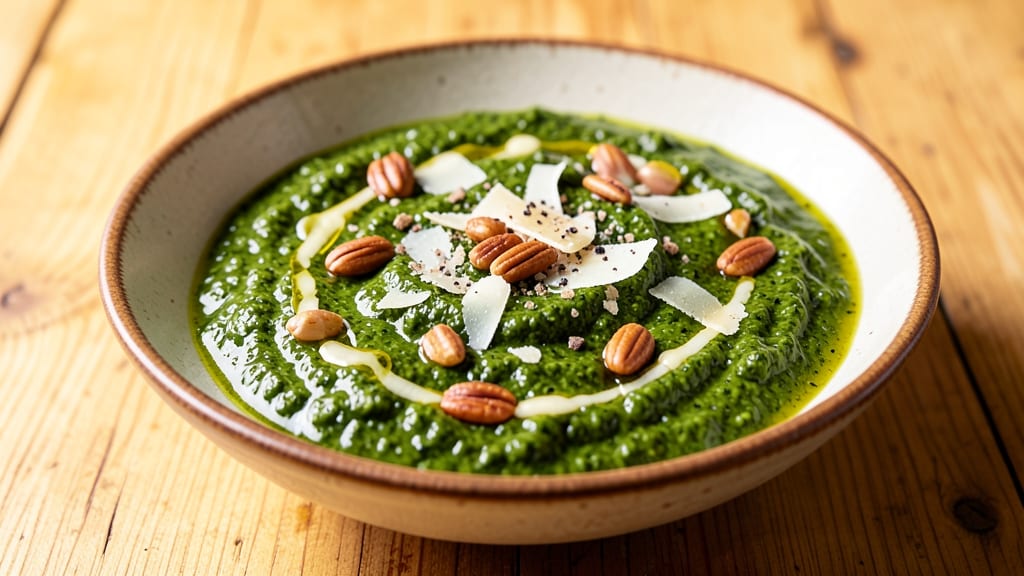
This traditional pesto sauce recipe delivers the vibrant, aromatic freshness of Liguria in just minutes—no shortcuts, no substitutions. 🌿 I first learned to make it from a Tuscan nonna who swore by pine nuts and fresh basil, and this version stays true to her method while keeping it simple enough for weeknight dinners.
The key to authentic pesto lies in the balance: fresh basil leaves packed tightly to release their oils, toasted pine nuts (or walnuts) for nutty depth, and Parmesan cheese that adds umami richness.
A splash of extra-virgin olive oil binds everything together while keeping the sauce silky-smooth. The garlic? Just a whisper—enough to brighten without overpowering.
What you'll end up with is a vibrant green sauce that's creamy yet bright, with a texture that clings perfectly to pasta, sandwiches, or grilled meats. The aroma alone will transport you to Italian hillside kitchens, and the flavor?
Pure, unadulterated freshness that tastes like summer in a jar. Store it properly, and it keeps for days—though I've never had a batch last that long.
For those who need variations, I'll share how to adapt this for vegan diets or when pine nuts are too expensive. But first, let's get blending—this sauce deserves fresh ingredients and your full attention.
Ingredients for traditional pesto sauce
Fresh basil, toasted pine nuts, and Parmesan—just eight ingredients for Liguria's most iconic sauce.
| Ingredient | Amount | Notes |
|---|---|---|
| Fresh Basil Leaves 🌿 | 2 cups | Packed tightly, stems removed |
| Toasted Pine Nuts 🥜 | ½ cup | Lightly browned for depth |
| Garlic Cloves 🧄 | 3 cloves | Peeled, roughly chopped |
| Parmesan Cheese 🧀 | ¾ cup | Freshly grated from block |
| Extra-Virgin Olive Oil 🫒 | ¾ cup | High-quality, fruity flavor |
| Lemon Juice 🍋 | 1 tbsp | Freshly squeezed |
| Diamond Crystal Kosher Salt 🧂 | ½ tsp | Fine grain preferred |
| Freshly Ground Black Pepper 🌶️ | ¼ tsp | For subtle heat |
The basil is non-negotiable here—farmers' market bunches with vibrant green leaves pack the most flavor. If grocery store basil looks limp, give it a quick dunk in ice water to perk up. Pine nuts are pricey, but Trader Joe's or Costco often have the best bulk deals. Toast them in a dry pan until golden—just 2-3 minutes—to bring out their nutty aroma. The Parmesan? Parmigiano-Reggiano from a wedge is worth the splurge; pre-grated tastes like sawdust. For the olive oil, reach for something you'd drizzle on bread—California extra-virgin or Italian brands like Bertolli work perfectly.
No pine nuts? Walnuts or raw cashews add a different but delicious depth—just toast them first. Fresh basil wilting? Stretch it with flat-leaf parsley at a 1:1 ratio. Short on Parmesan? Pecorino Romano holds up well, though the flavor shifts slightly. The lemon juice can be bottled in a pinch, but freshly squeezed brightens everything. Want extra richness? Add 1 tbsp of heavy cream at the end. For a vegan version, swap the Parmesan for nutritional yeast and use olive oil as the base fat.
Pesto browns fast—cover the surface with a thin layer of olive oil before sealing to keep it vibrant. Store in an airtight jar in the fridge for up to 5 days, or freeze in ice cube trays for 3 months. I always make a double batch—half goes on pasta, the other half gets frozen for lazy weeknights. The sauce thickens when chilled, so stir in a splash of water or olive oil if it gets too stiff.
Why You'll Love This Recipe
- Here’s what sold me: I can make a big batch, store it in the fridge for up to a week, and still have something delicious to toss on toast or stir into soup. Plus, pine nuts might sound fancy, but a little goes a long way—no breaking the bank.
- Five-Minute Magic: I swear, this is the kind of sauce where you toss in the basil, pulse it once, and—boom—you’re done. No chopping, no fuss, just a quick whirl in the food processor while you wait for pasta to boil.
- Garlic-Basil Euphoria: That first bite? Pure satisfaction. The bright, peppery basil hits you like a summer breeze, the toasted pine nuts add crunch, and the garlic—oh, that garlic—just ties everything together in the most addictive way.
- Pasta’s Best Friend: Between us, I’ve used this on everything from linguine to grilled chicken to even scrambled eggs (yes, really). It’s my go-to for weeknight dinners, potlucks, or when I need to impress someone with minimal effort.
Step-by-step instructions for traditional pesto sauce recipe
Here's how to craft authentic pesto with vibrant basil and nutty depth—no shortcuts, just tradition.
👨🍳 Step 1: Toast the Pine Nuts for Maximum Flavor
Heat a dry skillet over medium-low heat and add the 0.5 cup toasted pine nuts. Toast them for 3-4 minutes, stirring constantly, until they're lightly golden and fragrant. Watch closely—they burn quickly! Remove immediately when golden and transfer to a small bowl to cool slightly. This toasting enhances their natural oils and creates that signature nutty depth in traditional pesto.
Here's the thing—don't skip this step. Raw pine nuts won't develop the same rich, toasty flavor. You'll know they're perfect when they smell irresistible and have just a few darker spots from the heat. Let them cool for 2 minutes before proceeding, or they'll release their oils too quickly when blended.
🍳 Step 2: Pulse the Basil, Garlic, and Cheese
In a food processor fitted with the metal blade, add the 2 cups fresh basil leaves (packed tightly), 3 cloves garlic cloves (peeled), and 0.75 cup freshly grated Parmesan cheese. Pulse 5-6 times until you achieve a chopped, not paste-like, consistency. You want visible texture—this prevents the pesto from becoming too thick when oil is added later.
I always press down on the basil leaves with a spatula to ensure maximum yield. If you see large basil pieces remaining, pulse a few more times, but don't overdo it—you're not making basil butter here. The garlic should be finely minced but still recognizable. This prep work ensures your pesto has that authentic, rustic texture that sets traditional recipes apart.
🥘 Step 3: Blend with Olive Oil and Seasonings
With the food processor running, slowly drizzle in the 0.75 cup extra-virgin olive oil through the feed tube. This gradual addition prevents the oil from splattering and allows for even emulsification. Once all the oil is incorporated, add the 1 tbsp lemon juice, 0.5 tsp kosher salt, and 0.25 tsp freshly ground black pepper.
Pulse 3-4 more times until the mixture is completely smooth but still vibrant green. Taste and adjust seasoning if needed—I often find the lemon juice needs a touch more brightness. The pesto should coat the back of a spoon but still hold its shape. If it's too thick, add 1 teaspoon of water at a time until it reaches your desired consistency. This is where the magic happens!
⏰ Step 4: Finish with Toasted Pine Nuts
Transfer the pesto to a serving bowl and gently fold in the cooled toasted pine nuts using a silicone spatula. This final step ensures each bite delivers that perfect balance of creamy basil and crunchy nut. Taste again and make any final adjustments—perhaps a pinch more salt or a squeeze of lemon to brighten the flavors.
For best results, serve immediately while the pesto is at its peak freshness. If storing, press a layer of plastic wrap directly onto the surface to prevent oxidation. Traditional pesto tastes even better the next day when the flavors have had time to meld, but fresh is always best for that vibrant green color and bright basil flavor you crave.
Pro Tips For Making Traditional Pesto Sauce
- TOAST NUTS LOW: Dry pine nuts in a skillet over medium-low heat—high heat burns them before they’re golden. Stir constantly and pull them when they smell nutty, not smoky. I learned this the hard way after turning a batch into charcoal.
- STACK BASIL DRY: Pat basil leaves completely dry with a paper towel before blending—even a little moisture turns pesto into soup. Works best if you bunch stems and press out water like wringing a sponge.
- PULSE DON’T BLEND: Use short bursts in the food processor (3-4 seconds on, 10 off) to keep pine nuts whole and avoid a pasty mess. Over-blending turns pesto into green goo—stop when it’s chunky, not smooth.
- USE COLD PARMESAN: Chill grated Parmesan in the fridge for 10 minutes first—it melts less and keeps pesto thick. Skip the pre-grated stuff; freshly grated cheese makes a real difference in texture.
Wine and beer pairings for these flavors
Italian White Wines
For traditional pesto, Italian whites are the natural choice—especially crisp, citrusy varieties that complement the basil's brightness. I reach for Vermentino from Sardinia first, as its mineral notes and lemony acidity mirror the lemon juice in the sauce.
A Pinot Grigio from Alto Adige also works beautifully, with its delicate almond undertones that harmonize with the pine nuts. Avoid heavy, oaked whites—they'll overpower the fresh, vibrant flavors you worked so hard to create. 🍷
Light-Bodied Reds
If you prefer red wine, opt for light-bodied Italian varieties like Chianti or Sangiovese. Their bright acidity and subtle cherry notes pair surprisingly well with pesto's herbal profile. Just be sure to decant it for 15-20 minutes to soften any tannins that might clash with the sauce.
I've found a Valpolicella from Veneto also complements the nutty depth of pesto beautifully.
Crisp Lager Pairings
For beer lovers, a Peroni or Moretti Italian lager cuts through the richness of pesto while refreshing your palate. The subtle hop bitterness balances the sauce's creaminess. If you prefer craft options, a Belgian witbier with its citrusy coriander notes provides an unexpected but delightful contrast.
Avoid heavy stouts or IPAs—they'll overpower the delicate basil flavors.
Sparkling Options
Prosecco or Franciacorta (Italy's answer to Champagne) make excellent pairings for pesto-based dishes. Their effervescence cleanses the palate between bites, while their apple and pear notes complement the lemon and basil.
For a budget-friendly option, La Marca Prosecco delivers excellent quality at a reasonable price. Serve slightly chilled for best results.
Non-Alcoholic Choices
Don't overlook sparkling water with a splash of lemon as a refreshing alternative. For something more substantial, try a San Pellegrino Aranciata—the blood orange flavor pairs surprisingly well with pesto's herbal notes.
I also love Italian blood orange soda for its bright citrus that echoes the lemon in the sauce. These options keep the meal light and refreshing.
Serving Temperature
Whether you choose wine or beer, proper serving temperature is crucial. Whites should be served chilled between 45-50°F, while reds should be at room temperature (65-70°F). For beers, follow the recommendation on the bottle—typically 40-45°F for lagers and 45-50°F for ales.
Proper temperature enhances all the flavors you've worked so hard to balance in your pesto. 💡
Nutrition facts
Frequently asked questions
Can I substitute walnuts for pine nuts in traditional pesto?
Yes! Walnuts work beautifully and are more budget-friendly. Toast them just like pine nuts until fragrant, then use the same 0.5 cup measurement. The flavor will be richer and slightly earthier, but still delicious. For extra authenticity, toast walnut halves instead of chopped pieces—their texture adds nice contrast to the creamy sauce.
Why does my pesto turn brown after a few days?
This happens when basil oxidizes—exposure to air causes the vibrant green color to fade. To prevent browning, press plastic wrap directly onto the pesto's surface before sealing the container. Store in an airtight jar in the fridge, and it should stay green for 3-4 days. Freezing in ice cube trays preserves color best for longer storage.
How much pesto should I make for pasta?
For a standard 12-ounce box of pasta, use about 1/4 cup pesto tossed with the cooked noodles. Add a splash of pasta water to help it cling better. If you prefer richer flavor, double the amount—it's hard to overdo! Remember, pesto freezes beautifully, so making a double batch ensures you always have some ready for quick meals.
Can I make this pesto without cheese?
For a vegan version, replace the 0.75 cup Parmesan with 0.75 cup nutritional yeast and add 1 tbsp olive oil to compensate for the fat. The sauce will still be flavorful, though it'll have a slightly different texture. Some people also add 1 tbsp lemon zest for extra brightness when omitting cheese.
What's the best way to revive dried-out pesto?
If your pesto has thickened too much, simply stir in 1 teaspoon of water or olive oil at a time until it reaches a smooth, spreadable consistency. For extra flavor, add a pinch of salt and a squeeze of lemon juice. If it's completely dried out, you can re-blend it with a little fresh basil or water to restore its vibrancy—though fresh pesto always tastes best!