
Sauces & Condiments
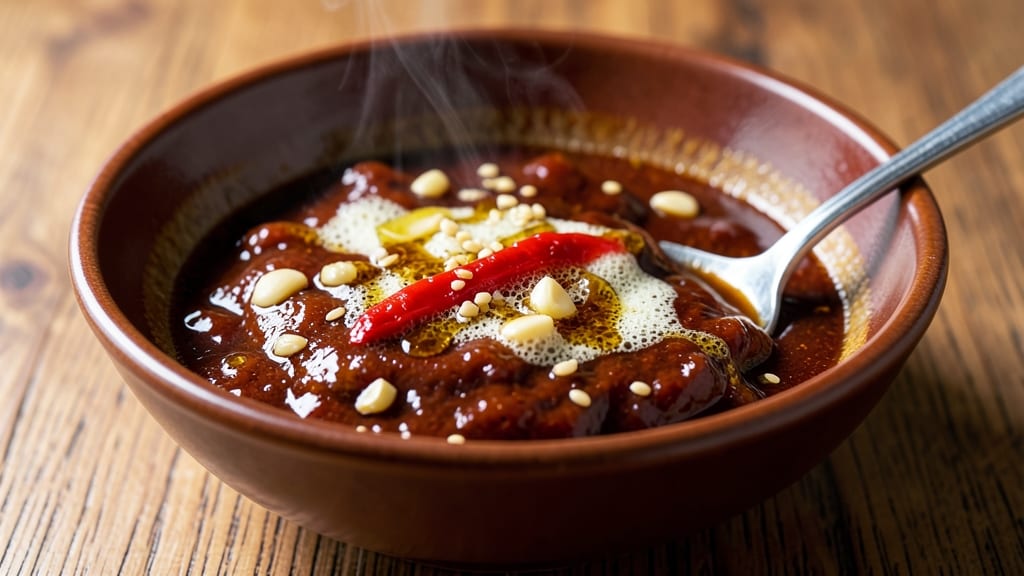
Topokki sauce transforms simple rice cakes into crispy, golden masterpieces with its smoky garlic butter depth and umami-rich foundation. This Korean-inspired sauce blends fermented soybean paste (doenjang) with rich butter and aromatic garlic to create a velvety coating that caramelizes into a crispy, flavorful crust. The secret lies in balancing traditional Korean flavors with a modern twist—smoky, garlicky, and slightly sweet without overpowering the natural taste of topokki.
The sauce requires just five core ingredients but delivers restaurant-quality results with minimal effort. Fermented soybean paste provides the deep umami backbone, while butter and garlic create that signature smoky richness. Soy sauce and sesame oil add layers of complexity, ensuring every bite is both savory and aromatic.
For those who prefer a spicier kick, a dash of gochujang can be incorporated, or for a vegan version, butter can be replaced with coconut oil without sacrificing texture.
What makes this sauce truly special is its dual-purpose versatility—it’s perfect for crisping topokki to golden perfection while infusing every bite with bold flavor. The sauce’s velvety consistency clings to the rice cakes, creating a caramelized crust that’s irresistibly crispy on the outside and tender within.
Whether you’re serving it as a snack, appetizer, or side dish, this sauce elevates topokki to a standout centerpiece.
Ready in just 10 minutes, this sauce is ideal for last-minute gatherings or satisfying cravings. Pair it with your favorite toppings like sesame seeds, green onions, or a sprinkle of flaky salt for an extra layer of texture.
The best part? Leftovers keep well in the refrigerator for up to five days, making it a convenient staple for quick meals.
Ingredients for topokki sauce
Five bold flavors that turn ordinary rice cakes into crispy, golden perfection.
| Ingredient | Amount | Notes |
|---|---|---|
| Fermented Soybean Paste (Doenjang) 🥫 | ½ cup | Korean brand preferred for authenticity |
| Unsalted Butter 🧈 | ½ cup | Cold, cubed for even melting |
| Garlic Cloves 🧄 | 6 cloves | Freshly minced for maximum aroma |
| Light Soy Sauce 🥫 | 1 tbsp | Korean soy sauce for deeper flavor |
| Sesame Oil 🫒 | 1 tbsp | Toasted for nutty richness |
| Gochujang (Optional) 🌶️ | ½ tbsp | For spicy kick, adjust to taste |
| Coconut Oil (Vegan Sub) 🥥 | ½ cup | Melted, replaces butter 1:1 |
The doenjang is non-negotiable—Korean brands like Soy Gochugaru or Hanjin deliver that deep, fermented umami. Grab it at Asian markets or the international aisle of Whole Foods. If you can't find it, miso paste works in a pinch, though it lacks that signature funk. The butter needs to be cold when you start—cut it into small cubes so it melts slowly for that perfect caramelized crust. For garlic, elephant garlic if you want to go wild, but regular works just fine. Just don't skip the mincing—those tiny pieces pack the most punch.
No doenjang? Double the soy sauce and add 1 tsp fish sauce for umami depth. Butter hater? Coconut oil mimics the richness without dairy (just melt it first). Want more smoke? Swap half the butter for smoked butter or add a pinch of liquid smoke. Sesame oil can be toasted in a dry pan for 30 seconds—game changer. The gochujang is optional but adds that signature Korean heat; if you're sensitive to spice, cut it to 1/4 tbsp or skip it entirely. Pro tip: mix the sauce ingredients in a small saucepan for even heating—don't use a skillet or it'll burn before the butter melts.
This sauce keeps for 5 days in the fridge, sealed tightly in a jar. For longer storage, freeze portions in ice cube trays—thaw and reheat gently for crispy topokki every time. Leftovers reheat beautifully in a microwave-safe bowl with 10 seconds of stirring, or on the stovetop over low heat. The texture thickens as it cools, so add a splash of water if it gets too stiff. Store the coconut oil sub separately if making vegan batches—it behaves differently when reheated.
Why You'll Love This Recipe
- Five-Ingredient Magic: I swear, this sauce comes together with just a knife, a pan, and zero stress. Melt butter, toss in garlic and doenjang—boom, you’re already halfway there.
- Umami Bomb: That deep, funky richness from doenjang? It’s like a flavor explosion in your mouth. The sesame oil ties it all together with a nutty punch that lingers.
- Budget Meets Bold: Doenjang is cheap, butter stretches far, and a few cloves of garlic go a long way. You’re getting restaurant-quality depth without breaking the bank. (Between us, I’ve made this on a $10 grocery run.)
Step-by-step instructions for topokki sauce
This smoky garlic butter sauce delivers that signature crispy topping you crave on topokki.
Bloom the Fermented Soybean Paste
In a medium saucepan, melt the 0.5 cup unsalted butter over medium-low heat. Once fully melted and foaming subsides, add the 0.5 cup fermented soybean paste (doenjang). Stir continuously for 3-4 minutes until it develops a deep, aromatic caramelization and the mixture darkens to a rich mahogany color.
This blooming process unlocks the paste's complex umami flavors and creates the sauce's signature depth. Watch closely - the mixture should smell intensely nutty and fermented, with visible bubbles forming on the surface. If it starts to smoke excessively, reduce heat slightly to prevent burning while maintaining even development.
Infuse with Garlic and Soy
Add the 6 cloves freshly minced garlic cloves and the 1 tablespoon light soy sauce to the saucepan. Stir vigorously for 1-2 minutes until the garlic becomes fragrant and just begins to turn golden around the edges. Remove from heat immediately to prevent burning.
The garlic should infuse the sauce with its pungent sweetness without becoming bitter. Here's the thing - you want the garlic to contribute flavor but not dominate. If you notice any greenish hues appearing in the garlic, it's burning and needs to be removed immediately. Let the mixture rest off heat for 1 minute to allow the flavors to meld.
Finish with Sesame Oil and Gochujang
Return the sauce to medium-low heat and whisk in the 1 tablespoon toasted sesame oil and the 0.5 tablespoon gochujang (if using). Simmer gently for 2-3 minutes, stirring constantly, until the sauce thickens slightly and coats the back of a spoon. Taste and adjust seasoning with additional soy sauce if needed.
The sesame oil adds nutty richness while the gochujang introduces subtle heat. This is where the sauce comes together - you should notice a perfect balance of smoky, garlicky, umami flavors with a slight sweetness from the caramelized doenjang. If the sauce appears too thick, whisk in 1 teaspoon water at a time until it reaches a smooth, pourable consistency suitable for drizzling.
Prepare the Butter Substitute (Vegan Option)
In a separate small saucepan, melt the 0.5 cup coconut oil over low heat until completely liquid. Remove from heat and stir in 1 tablespoon light soy sauce and 1 tablespoon toasted sesame oil. Whisk in the 0.5 cup fermented soybean paste and simmer for 3 minutes until thickened. Finish with minced garlic and optional gochujang to taste.
This vegan version maintains all the essential flavors while providing the necessary fat content for crispy topping. The coconut oil should be fully melted but not allowed to brown - you're aiming for a smooth, homogeneous mixture that will behave similarly to the butter-based version when drizzled over hot rice.
Pro Tips For Making Topokki Sauce
- Bloom the Doenjang: Heat your fermented soybean paste over medium-low first—just until it smells earthy and fragrant, not burnt. I used to rush this and ended up with a bitter, overcooked paste that ruined the whole sauce. Give it 3-4 minutes, stirring like you’re stirring oatmeal, and let those flavors wake up properly.
- Mince Garlic Like Mad: Skip the press—finely mince your garlic with a knife instead. Pressed garlic turns to mush and burns instantly, while minced garlic sizzles evenly and adds texture. (Yes, it takes 2 minutes longer, but your sauce won’t taste like garlic paste.)
- Butter in Stages: Add the unsalted butter in two batches—first when the garlic’s fragrant, then again at the end to finish. This keeps the sauce from separating or turning greasy. If you dump it all in at once, you’ll end up with a sad, split sauce.
- Taste Before Sesame Oil: Season with light soy sauce and salt before adding sesame oil—then adjust. The oil’s nutty punch can mask imbalances, and you’ll either end up overpowering the dish or wishing you’d added more. Trust your taste buds here; this isn’t the time to guess.
Flavor customization for this dish
Spicy Heat Boost
For a fiery kick, add 1-2 teaspoons of gochujang (Korean chili paste) to the base sauce. I like to balance it with 1 teaspoon of honey or sugar to prevent overwhelming heat.
This creates a sweet-spicy contrast that pairs perfectly with topokki's crispy texture. For extra heat, add ½ teaspoon of red pepper flakes while cooking. 🌶️
Sweet and Tangy Twist
Brighten the sauce with 1 tablespoon of rice vinegar and 1 teaspoon of sugar for a sweet-tangy profile. This works especially well if you're serving the topokki as a dessert-inspired snack.
I also add ½ teaspoon of grated ginger for warmth. The acidity cuts through the richness of the butter, creating a well-rounded flavor.
Smoky Depth Enhancement
For a deeper smoky flavor, replace 2 tablespoons of butter with 2 tablespoons of smoked butter or add ½ teaspoon of liquid smoke at the end. This adds complexity without altering the sauce's texture.
I find this works particularly well with vegan versions where coconut oil lacks natural smoke. A pinch of smoked paprika also adds subtle smokiness.
Herbaceous Freshness
Finish the sauce with 1 tablespoon of chopped fresh herbs like cilantro, green onions, or Thai basil. These add brightness and freshness that balances the richness. I like to mix in 1 teaspoon of sesame seeds for extra crunch.
For a more intense flavor, blend the herbs into the sauce instead of just sprinkling them on top.
Umami Bomb Variations
Boost umami with 1 teaspoon of fish sauce or ½ teaspoon of MSG (if you're sensitive to sodium, use half that amount). For a vegetarian option, add 1 tablespoon of mushroom powder or 2 tablespoons of soy sauce.
These ingredients deepen the savory profile without changing the sauce's fundamental character. I especially love adding a splash of mirin for sweetness and complexity.
Texture Play Options
For a thicker sauce, reduce the liquid by simmering uncovered for an extra 2-3 minutes. For a lighter drizzle, thin with 1 teaspoon of water or broth.
I also like adding 1 tablespoon of cornstarch slurry (mix ½ teaspoon cornstarch with 1 teaspoon water) for a glossy finish. This works particularly well for vegan versions where coconut oil can make the sauce too thin.
Nutrition facts
Frequently asked questions
Can I make this sauce without doenjang?
Yes, but the flavor will differ. Replace 0.5 cup doenjang with 0.5 cup miso paste plus 1 tbsp soy sauce for umami depth. For a closer match, use 0.5 cup soy sauce + 1 tsp fish sauce. The sauce will be less funky but still delicious.
How do I prevent the sauce from burning?
Keep heat at medium-low and stir constantly, especially when adding doenjang. Butter burns easily—remove from heat if it starts smoking excessively. For extra safety, use a small saucepan with lower sides to monitor better.
Can I use this sauce for other dishes?
It's perfect for crisping rice cakes, tofu, or even as a glaze for grilled meats like chicken or pork. The rich umami base works well with Asian-inspired stir-fries or as a dipping sauce for spring rolls. Get creative!
Why does my sauce taste too salty?
Doenjang and soy sauce are salty—taste as you go! If needed, balance with 1 tsp honey or rice vinegar to mellow the saltiness. For vegan versions, coconut oil adds no salt, so adjust soy sauce to 1 tbsp instead of 1.5 tbsp.
How do I store leftovers?
Transfer to an airtight container and refrigerate for up to 5 days. Reheat gently in a saucepan or microwave (stirring every 30 seconds). For longer storage, freeze in ice cube trays—thaw overnight in the fridge.