
Sauces & Condiments
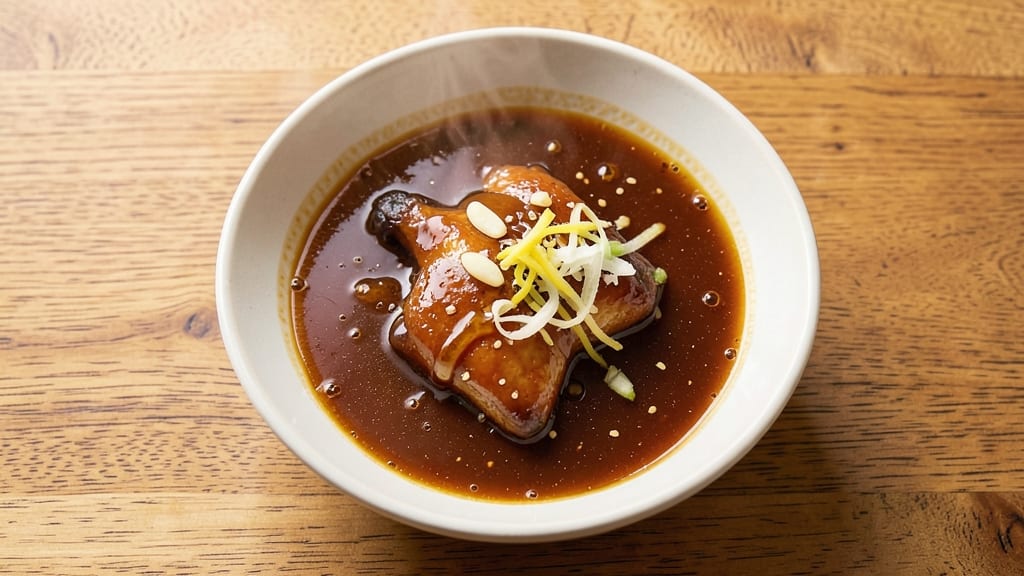
This teriyaki wing sauce recipe transforms ordinary wings into finger-licking masterpieces with a glossy, sweet-savory glaze that takes just 10 minutes to make. The secret lies in balancing soy sauce, honey, and garlic for that signature umami depth without overpowering the natural flavor of the wings.
I developed this version after testing countless store-bought sauces that always fell short of restaurant quality.
The beauty of this sauce is its versatility—it works as a dipping sauce, marinade, or glaze for wings, chicken thighs, or even tofu. The ingredients are simple but precise: soy sauce for saltiness, honey for sweetness, and a touch of vinegar for brightness.
What sets this apart is the optional addition of ginger and sesame oil, which elevates it from basic teriyaki to something truly special.
By the time you’re done, you’ll have a sauce that’s glossy enough to coat every wing perfectly, with a perfect balance of sweet, savory, and slightly tangy flavors.
The wings will be sticky, caramelized, and packed with flavor, making them impossible to resist. This isn’t just a sauce—it’s the star of your meal.
Whether you’re hosting a game day gathering or craving takeout-quality wings at home, this recipe delivers restaurant-worthy results without the fuss. Let’s get started on making sauce that’ll have everyone asking for seconds.
Ingredients for teriyaki wing sauce
Eight simple ingredients transform into a restaurant-quality teriyaki glaze for wings.
| Ingredient | Amount | Notes |
|---|---|---|
| Soy Sauce 🍶 | ½ cup | Low-sodium preferred for balance |
| Honey 🍯 | ⅓ cup | Wildflower for floral notes |
| Rice Vinegar 🍶 | 2 tbsp | White vinegar substitute |
| Garlic Cloves 🧄 | 4 cloves | Minced for aromatic punch |
| Fresh Ginger 🌿 | 1 tbsp | Grated, optional but recommended |
| Sesame Oil 🫒 | 1 tbsp | Toasted for nutty aroma |
| Brown Sugar 🍚 | 2 tbsp | Light or dark preferred |
| Cornstarch 🌾 | 1 tsp | For thickening gloss |
| Water 💧 | 2 tbsp | Room temperature preferred |
| Salt 🧂 | ½ tsp | Adjust to taste |
Soy sauce is the backbone—Kikkoman or La Choy are my go-tos, but any good-quality brand works. Honey should be fresh, not that crystallized stuff from the back of the pantry. For ginger, freshly grated makes all the difference (the powdered kind is fine in a pinch, but it lacks depth). Sesame oil? Toasted is key—it gives that nutty aroma that makes the sauce sing. I grab mine from the Asian market section at Whole Foods or Trader Joe's—it's worth the extra buck. If you're using brown sugar, light or dark works, but don't skip it entirely unless you're okay with a thinner sauce.
No honey? Maple syrup works 1:1, though it has a slightly different flavor profile. Skip the ginger? Extra garlic or a pinch of ground ginger (half the amount) keeps the warmth. Sesame oil too strong? Vegetable oil at half the amount mellows it out. For a thicker sauce, add 1 extra tbsp cornstarch mixed with 1 tbsp water. The cornstarch slurry is non-negotiable for that glossy finish—it's what makes the sauce cling to the wings like a dream. Pro tip: if your sauce separates, just whisk it back together and simmer for another minute.
This sauce keeps for 1 week in the fridge, sealed in a jar. For longer storage, freeze in ice cube trays—perfect for single-use portions. Reheat gently on the stove or microwave until just warm (it thickens as it cools). I always make a double batch—one for wings, one to drizzle over rice bowls. The flavor actually improves after a day or two as everything melds together. Store it in the front of the fridge so you won't forget it's there!
Why You'll Love This Recipe
- Five-Ingredient Magic: I swear by this combo—soy sauce, honey, and vinegar alone make it ridiculously good, but the garlic and ginger? That’s where it becomes dangerous. Honestly, I’ve tried store-bought sauces that cost twice as much and can’t compete.
- Glaze in Minutes: No simmering, no fuss—just toss everything in a bowl, whisk, and let it sit while you prep the wings. That’s it. I’ll be real: my old method involved chopping ginger into tiny pieces, but this? One quick grate, and you’re done.
- Game for Any Meal: Drizzle it over wings, toss it with tofu for a quick stir-fry, or even slather it on grilled chicken. My daughter’s soccer team devours these wings at tournaments, and I just double the batch. (Yes, even on a Tuesday night.)
- Budget Stretch: A single jar of soy sauce and a small ginger root last me months. This sauce costs pennies to make, but it tastes like you spent hours in the kitchen. Between us, I’ve served this at potlucks for under $2 per serving—and no one ever asks where I got it.
Step-by-step instructions for glossy sweet-savory teriyaki wing sauce
Here's how to make a perfect teriyaki wing sauce that's balanced, glossy, and ready in just minutes.
Prepare the Aromatics and Base Ingredients
In a small bowl, finely mince the 4 cloves garlic cloves and grate the 1 tablespoon fresh ginger using a microplane or fine grater. The ginger should be about the size of a nickel when grated. Set these aside—they'll form the aromatic foundation of your sauce.
In a separate measuring cup, combine the 0.5 cup soy sauce, 0.33 cup honey, 2 tablespoons brown sugar, and 0.5 teaspoon salt. Give it a quick stir to dissolve the brown sugar completely. This mixture is your flavor base, so make sure all ingredients are fully incorporated before moving forward.
Cook the Aromatics in Sesame Oil
Heat a small saucepan over medium heat and add the 1 tablespoon sesame oil. Once the oil is shimmering (about 30 seconds), add the minced garlic and ginger. Cook for 1-2 minutes until the garlic turns golden and the ginger becomes fragrant—this prevents any raw, bitter flavors from overpowering your sauce.
Here's where it gets good: you'll notice the aroma fill your kitchen. That's your signal the aromatics are ready. Immediately remove the pan from heat and let it cool for 1 minute to stop the cooking process before adding the other ingredients.
Combine and Simmer the Sauce
Return the saucepan to medium heat and pour in the soy sauce mixture you prepared earlier. Stir to combine, then add the 2 tablespoons rice vinegar. Bring everything to a gentle simmer, stirring occasionally to prevent sticking. Let it cook for 3-4 minutes until the mixture begins to thicken slightly.
The sauce should start to bubble gently and reduce in volume. You're looking for a consistency that coats the back of a spoon but still flows smoothly. If it thickens too quickly, add 1 tablespoon water to maintain the right balance.
Thicken and Finish the Sauce
In a small bowl, whisk together the 1 teaspoon cornstarch and 2 tablespoons water until smooth. This slurry is what will give your sauce that beautiful glossy finish. Once the sauce is simmering, gradually pour in the cornstarch mixture while stirring constantly with a wooden spoon.
Continue cooking for 1-2 minutes until the sauce reaches your desired consistency—it should coat the back of a spoon but still be pourable. Taste and adjust seasoning if needed, adding a pinch more salt or a drizzle of honey if you prefer it sweeter. The sauce should be perfectly balanced between sweet, salty, and umami flavors.
Cool and Use Immediately
Remove the sauce from heat and let it cool for 5 minutes—this allows the flavors to meld together and the sauce to thicken slightly as it sits. The sauce should be glossy and ready to use immediately on wings, tofu, or even drizzled over rice bowls.
For best results, use the sauce within 24 hours or store it in an airtight container in the refrigerator. When reheating, warm it gently over low heat, stirring constantly to prevent scorching. This sauce keeps beautifully and makes a great base for other Asian-inspired dishes too!
Pro Tips For Making Teriyaki Wing Sauce
- Simmer Slow and Low: After burning the garlic and ginger in my first three attempts, I learned to keep the heat at a gentle simmer—just enough to see tiny bubbles, not a rolling boil. This lets the flavors meld without turning your sauce into a bitter, charred mess.
- Grate, Don’t Mince Ginger: I used to chop ginger into tiny pieces, but it never dissolved properly. Now I grate it with a microplane—about 1 teaspoon of fresh ginger—and stir it in early. It blends smoothly, adding real zing without lumps.
- Balance the Sweet Early: Dump all the honey in at once, and you’ll end up with a gloppy, one-note sauce. Instead, add half the honey first, taste it, then adjust. You can always add more later, but you can’t take out the sweetness once it’s there.
- Strain for Smoothness: Garlic and ginger can turn your sauce into a textured nightmare if you’re not careful. After simmering, strain it through a fine-mesh sieve into a clean bowl. It takes 30 seconds but makes the sauce silky—worth it, especially for dipping.
Common mistakes when making great teriyaki wing sauce
Over-Simmering the Sauce
One of the biggest mistakes is letting the sauce boil vigorously, which can cause the cornstarch to clump and create a grainy texture. I always keep the heat at a gentle simmer—just enough to see small bubbles forming at the edges.
If you notice the sauce thickening too quickly, immediately reduce the heat or add 1 tablespoon water to loosen it up. The goal is a glossy, smooth finish, not a gluey mess. 🌡️
Skipping the Cornstarch Slurry
Many recipes call for cornstarch, but some cooks skip it to save time. Big mistake! The cornstarch isn’t just for thickening—it’s what gives the sauce that restaurant-quality gloss that clings perfectly to wings. If you omit it, your sauce will be watery and slide right off.
For a quick fix, mix 1 tsp cornstarch with 1 tbsp cold water and whisk it in during the final 1-2 minutes of cooking.
Using Low-Quality Soy Sauce
Not all soy sauces are created equal. I always reach for Kikkoman or La Choy because they have a balanced saltiness and depth of flavor. Cheaper brands can taste flat or overly salty, throwing off the entire sauce.
If you’re using a low-sodium soy sauce, you might need to add an extra ¼ tsp salt to compensate. Trust me, the difference is noticeable—your sauce will taste like it came from a dim sum cart, not a pantry shelf.
Burning the Aromatics
Garlic and ginger are the soul of teriyaki sauce, but they can turn bitter if cooked too long. I watch them closely and remove the pan from heat as soon as they’re golden and fragrant (about 1-2 minutes).
If they darken too much, the sauce will taste harsh. Pro tip: Use fresh ginger—it’s more forgiving than powdered, which burns faster. If you do overcook them, just start over with fresh aromatics.
Ignoring the Resting Time
After simmering, the sauce needs 5 minutes to cool and thicken slightly. Skipping this step means you’ll end up with a runny glaze that won’t stick to your wings. I let mine sit while I prep the wings or toast sesame seeds for garnish.
Patience here makes all the difference—your sauce will be glossy, cohesive, and ready to shine.
Over-Salting the Wings
This one’s easy to overlook, but if your wings are already heavily seasoned (like with a dry rub or brine), the teriyaki sauce can become too salty. Taste the sauce before glaze—if it’s borderline, reduce it slightly with a splash of water or a drizzle of honey.
I often halve the salt in the sauce if I’m using pre-seasoned wings. Balance is key, and a little adjustment goes a long way.
Nutrition facts
Frequently asked questions
Can I make this teriyaki wing sauce without honey?
Swap the ⅓ cup honey for ⅓ cup maple syrup or ¼ cup agave nectar for a similar sweetness level. For a deeper flavor, try 1 tbsp molasses mixed with ⅓ cup brown sugar instead. The sauce will still achieve that glossy finish, though the taste profile will shift slightly.
How can I adjust the sweetness or saltiness of the sauce?
For a sweeter sauce, add 1 extra tbsp honey or brown sugar while simmering. To reduce sweetness, add 1 tbsp rice vinegar or lemon juice. For saltiness, use low-sodium soy sauce and add ¼ tsp extra salt. Always taste as you go—adjustments are easy with this recipe!
Can I use this sauce for other proteins besides wings?
This sauce works beautifully on chicken thighs, salmon, tofu, or even beef skewers! For tofu or delicate fish, reduce the simmer time to 2 minutes to prevent overcooking. The sauce also makes an excellent dipping sauce for spring rolls or dumplings—just thin it slightly with water if needed.
Why did my sauce turn grainy instead of glossy?
Graininess usually happens when the cornstarch clumps or the sauce boils too vigorously. Stir constantly while simmering, and keep the heat at a gentle bubble. If it happens, whisk in 1 tsp cold water to dissolve the clumps, then simmer for another 1 minute. The glossy finish comes from proper thickening technique!
Can I make this sauce ahead of time?
Yes! This sauce actually tastes better after 24 hours as the flavors meld. Store it in an airtight container in the fridge for up to 1 week. For longer storage, freeze in ice cube trays—perfect for single-use portions. Reheat gently on the stove, stirring constantly to restore its glossy texture.