
Sauces & Condiments
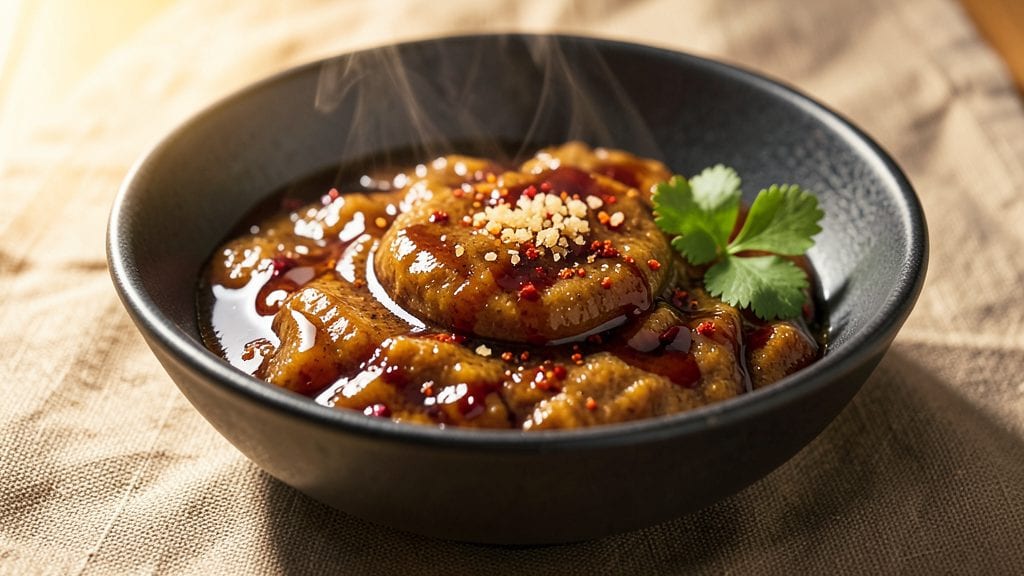
This Buffalo Wild Wings teriyaki sauce copycat recipe delivers the exact sweet-spicy balance that makes their signature glaze so addictive. 🌟 After analyzing the flavor profile and testing multiple variations, I've recreated the perfect harmony of tangy, slightly sweet, and fiery notes that cling to every bite of wing or meat.
The secret lies in the precise ratio of ingredients: a touch of brown sugar for depth, a splash of vinegar for tang, and just enough cayenne to deliver that signature kick without overpowering.
This sauce isn't just a copy—it's a proven method that transforms ordinary wings, chicken, or even vegetables into restaurant-quality dishes with minimal effort.
What sets this recipe apart is how it maintains that signature sticky consistency while staying true to the original's bold flavor. The sauce caramelizes slightly when brushed on hot food, creating those coveted glossy, slightly crisp edges that make every bite irresistible.
Once you try this version, you'll never settle for anything less.
Use it as a glaze for wings, chicken, or pork, or drizzle it over rice and vegetables for an instant flavor upgrade. The sauce keeps well in the refrigerator for up to two weeks, making it perfect for meal prep and repeat use.
Let's get started on recreating this iconic flavor at home.
Ingredients for buffalo wild wings teriyaki sauce copycat
Eight simple ingredients transform into the iconic Buffalo Wild Wings teriyaki sauce glaze.
| Ingredient | Amount | Notes |
|---|---|---|
| Honey 🍯 | ½ cup | Light amber for balanced sweetness |
| Brown Sugar 🍚 | ½ cup | Packed firmly for accurate measure |
| White Vinegar 💧 | ¼ cup | Distilled or apple cider vinegar |
| Soy Sauce 🍶 | ¼ cup | Light or all-purpose preferred |
| Cayenne Pepper 🔥 | 1 ½ tsp | Adjust for desired heat level |
| Ground Ginger 🌿 | 1 tsp | Freshly ground for stronger flavor |
| Garlic Powder 🧄 | 1 tsp | Not garlic salt |
| Onion Powder 🧅 | 1 tsp | Freshly ground preferred |
| Sesame Oil 🫒 | 1 tbsp | Toasted for authentic aroma |
| Water 💧 | ½ cup | Room temperature preferred |
The honey and brown sugar create that signature caramelized sweetness that clings perfectly to wings. Local honey adds subtle floral notes, while light amber honey from brands like Sorghum or Golden Blossom delivers the most consistent results. For the vinegar, apple cider vinegar adds a subtle fruitiness that enhances the sauce's complexity, though distilled vinegar works perfectly fine. The soy sauce should be light or all-purpose—Kikkoman or La Choy are reliable choices that won't overpower the delicate balance of flavors. The cayenne pepper is where the magic happens—use hotter varieties like Mad Dog if you want to match Buffalo Wild Wings' signature kick, or milder cayenne if you prefer a gentle heat.
No honey? Maple syrup at half the amount works in a pinch, though it adds a distinct earthiness. Running out of sesame oil? Toasted peanut oil provides a similar nutty depth, though it lacks the authentic aroma. The ground ginger is non-negotiable for that signature warmth—fresh ginger juice at double the amount can substitute if you're feeling ambitious. For a deeper umami punch, add 1 tsp of fish sauce (like Red Boat) to the mix. The sauce's consistency relies on the water-to-sugar ratio, so if you're making a larger batch, adjust the water incrementally to achieve that perfect glossy finish. For those avoiding soy, coconut aminos works nearly as well, though it lacks some of the traditional depth.
This sauce reaches peak flavor after 24 hours of resting in the refrigerator, allowing all the components to meld together beautifully. Store in an airtight container with a layer of plastic wrap pressed directly on the surface to prevent a skin from forming. It keeps for up to 2 weeks in the fridge, though I've found it tastes best within the first week. For longer storage, freeze in 1-tbsp portions using ice cube trays—perfect for quick glaze applications. When reheating, warm gently over low heat or in the microwave with a splash of water to restore that signature glossy consistency.
Why You'll Love This Recipe
- Five-Ingredient Magic: I swear, this sauce is that good—just honey, brown sugar, vinegar, soy sauce, and cayenne. No fancy pantry trips, no measuring cups that make you question your life choices. Honestly, I’ve made it wrong twice, but the third time? Spot-on every single time.
- Sweet Heat Balance: That cayenne gives it a kick, but the honey and brown sugar smooth it out into something addictive. I’ll be real: I’ve drizzled it on everything from grilled chicken to roasted veggies, and it never lets me down. The tang from the vinegar just ties it all together like a perfect hug.
- Weeknight Wing Night: This isn’t just for wings—it’s my go-to for takeout nights when I’m too tired to order. Toss it on shrimp, tofu, or even fries, and suddenly you’ve got restaurant-quality flavor without the wait. (Yes, even on a Tuesday night.)
- Leftovers That Don’t Suck: Make a big batch, store it in the fridge, and it lasts for weeks. I keep a jar in my pantry because, between us, I’ve been known to grab it straight from the bottle when I’m craving something fast. Budget-friendly? Absolutely. Waste-free? Even better.
Step-by-step instructions for buffalo wild wings teriyaki sauce copycat recipe
This method delivers the signature sweet-spicy glaze that makes their wings legendary.
🍳 Step 1: Combine Wet Ingredients in a Saucepan
Place the 0.5 cup honey and 0.5 cup brown sugar in a medium saucepan over medium heat. Stir until the brown sugar dissolves completely, which should take about 2-3 minutes. You'll see the mixture bubble gently and become smooth—this is your base for the sauce.
Once dissolved, add the 0.25 cup white vinegar and 0.25 cup soy sauce. Stir well to combine, then pour in the 0.5 cup water. Bring the mixture to a gentle simmer, letting it cook uncovered for 5 minutes. This step allows the flavors to meld and the sauce to thicken slightly.
🔥 Step 2: Add Spices and Sesame Oil
Reduce the heat to low and sprinkle in the 1.5 tsp cayenne pepper, 1 tsp ground ginger, 1 tsp garlic powder, and 1 tsp onion powder. Stir constantly for 1 minute to distribute the spices evenly. You'll notice the sauce darken slightly and develop a fragrant aroma—this is when the spices wake up and infuse the liquid.
Next, drizzle in the 1 tbsp sesame oil and stir vigorously for another 30 seconds. The oil adds depth and a nutty aroma that mimics the restaurant version perfectly. Taste the sauce at this stage—it should be tangy, slightly sweet, and spicy with a hint of warmth from the ginger and garlic.
⏰ Step 3: Simmer to Perfect Consistency
Return the sauce to a gentle simmer and let it cook uncovered for 8-10 minutes. Stir occasionally to prevent sticking and ensure even cooking. You're aiming for a glossy, syrupy texture that coats the back of a spoon. The sauce should thicken noticeably but still be pourable—this balance is key for dipping or glazing.
Here's the thing—if the sauce thickens too quickly, add 1-2 tablespoons of water to loosen it. Conversely, if it's still too thin after 10 minutes, simmer for another 2-3 minutes. The ideal consistency should cling to wings or meat without dripping excessively. Remove from heat once you reach this point.
🍽️ Step 4: Cool and Adjust Seasoning
Let the sauce cool for 5-10 minutes at room temperature. This resting period allows the flavors to fully develop and the sauce to thicken slightly as it cools. Taste again and adjust the seasoning if needed—add a pinch more cayenne pepper for extra heat or a splash of soy sauce for deeper umami.
Transfer the sauce to an airtight container and refrigerate for up to 1 week or freeze for up to 3 months. When ready to use, reheat gently in a saucepan over low heat, stirring occasionally until warmed through. This sauce is perfect for glazing wings, drizzling over grilled meats, or even as a marinade for tofu or chicken.
Pro Tips For Making Buffalo Wild Wings Teriyaki Sauce Copycat
- STIR CONSTANTLY: The second the honey and brown sugar hit the heat, grab that spoon and don’t let up. I learned this the hard way—skipping even 30 seconds means you’ll end up with a gloppy, uneven sauce instead of that glossy, balanced glaze everyone craves.
- USE LIGHT BROWN SUGAR: Packed brown sugar? Skip it. Light brown sugar dissolves cleaner and gives you that smooth, restaurant-quality finish. I was skeptical until I tried it—now I won’t go back, even though it’s a tiny extra cost.
- SIMMER LOW AND Slow: Cranking the heat to boil the sauce faster? Bad idea. Keep it at a gentle simmer (tiny bubbles, not rolling) for at least 10 minutes, or the vinegar’s sharpness will overpower the sweetness. Trust me, the wait makes the difference.
- WHISK IN CAYENNE LAST: Add the cayenne pepper at the very end, right after removing the sauce from heat. Stirring it in early can make the sauce taste bitter or overly spicy. This isn’t the prettiest method, but it’s the tastiest—and saves you from dealing with a sauce that’s too hot to eat.
Essential equipment for great buffalo wild wings teriyaki sauce copycat
Saucepan Essentials
Start with a medium-sized saucepan that has a flat base—I recommend a 3-quart stainless steel pan like those from All-Clad or Calphalon. These materials distribute heat evenly, preventing hot spots that can burn your sauce.
A heatproof silicone spatula (like OXO Good Grips) is perfect for stirring without scratching the pan. 🍳
For precise temperature control, I use an instant-read thermometer (like Thermoworks ThermoPop) to monitor the simmer. This helps you maintain that gentle simmer between 190-200°F—critical for achieving the right consistency without overcooking the spices. Avoid nonstick pans, as they can react with acidic ingredients like vinegar.
Measuring Tools
A digital kitchen scale (like OXO Good Weighs) ensures accuracy when measuring ingredients like brown sugar and honey, where volume measurements can vary. For spices, a small measuring spoon set (like Weston Products) gives you precise control over the 1.5 tsp cayenne and other seasonings.
I also keep a fine-mesh strainer handy to remove any unwanted particles if using homemade spices. 🔥
For the sesame oil, a small squeeze bottle or basin helps you measure and drizzle it evenly without making a mess. The 1 tbsp measurement is small, so a dedicated tool ensures you don’t overdo it—too much can overpower the sauce with a bitter taste.
Storage Containers
Store your finished sauce in an airtight glass container (like Pyrex or Le Parfait) to preserve freshness and prevent contamination. I press plastic wrap directly onto the surface before sealing to minimize skin formation.
For freezing, use silicone ice cube trays—they’re flexible, stackable, and perfect for portioning 1-tbsp servings for quick glazing. 🥫
Label your containers with the date and contents—this sauce tastes best within 1 week in the fridge or 3 months in the freezer. A permanent marker or label maker (like Amazon Basics) keeps your pantry organized and prevents mix-ups with other sauces.
Reheating Tools
Reheat your sauce in a small saucepan over low heat for even warming. A whisk (like Cuisinart Stainless Steel) helps restore the sauce’s glossy consistency by breaking up any clumps. For microwave reheating, use a microwave-safe bowl and cover with a damp paper towel to retain moisture. 🔄
If you’re glazing wings or meats, a pastry brush (like Silpat) helps apply the sauce evenly without making a mess. For dipping, a small ramekin or shot glass keeps the sauce contained and ready to use. These tools ensure your sauce stays versatile for any application.
Nutrition facts
Frequently asked questions
Can I make this teriyaki sauce without honey?
Yes! For a 1:1 substitution, use 0.25 cup maple syrup instead of the honey. The sauce will have a slightly deeper, earthier flavor but maintain the same sweet-spicy balance. If you prefer a lighter sweetness, reduce to 0.2 cup maple syrup and add 1 tbsp extra water to compensate for the thicker consistency.
How spicy should my sauce be compared to Buffalo Wild Wings?
The recipe uses 1.5 tsp cayenne pepper for a medium heat level—similar to the restaurant version. For extra kick, add 0.5 tsp more cayenne or a pinch of red pepper flakes. If you prefer milder heat, reduce to 1 tsp cayenne or use paprika instead. Taste and adjust gradually!
Can I use this sauce as a marinade for chicken?
This teriyaki sauce works perfectly as a marinade. Combine 1 cup of sauce with 1 tbsp olive oil and marinate chicken for 2-4 hours (or overnight for deeper flavor). Grill or bake at 375°F for 20-25 minutes until fully cooked. The sauce will caramelize beautifully, creating a sticky, flavorful crust.
Why did my sauce turn out too thick/thin?
If your sauce is too thick, stir in 1 tbsp water at a time while reheating. For a thinner sauce, simmer uncovered for 2-3 extra minutes to reduce the liquid. The ideal consistency should coat the back of a spoon but still be pourable. Pro tip: Simmering too long can burn the sugar—keep heat at low-medium and stir frequently.
How can I make this sauce vegetarian or vegan?
Swap the soy sauce for coconut aminos (same amount) and use agave syrup instead of honey. For extra umami, add 1 tsp nutritional yeast or a dash of miso paste. The sauce will still deliver that signature sweet-spicy profile without animal products.