
Sauces & Condiments
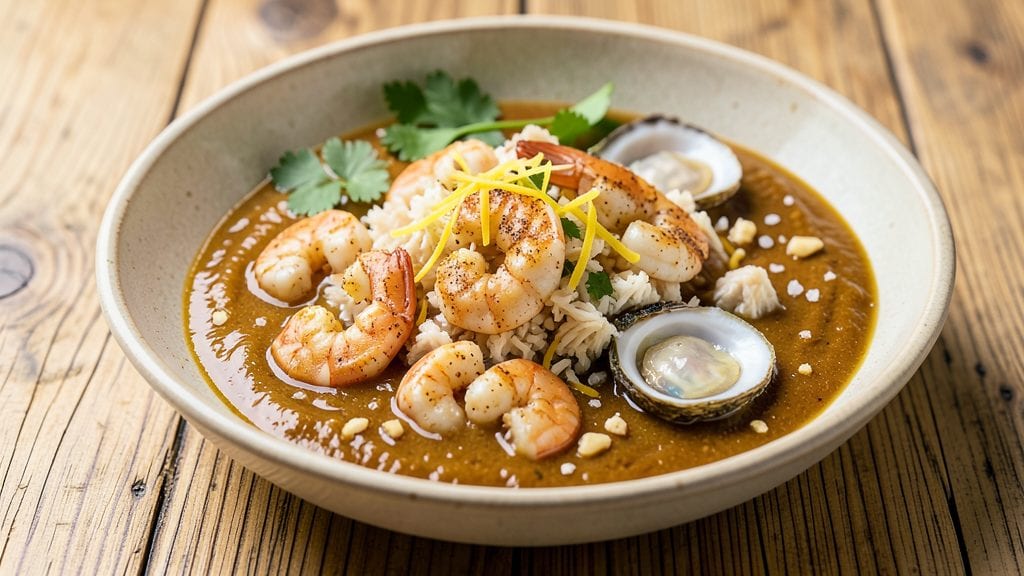
This seafood boil bag sauce recipe transforms simple pantry staples into a spicy garlic butter masterpiece that elevates every boil bag from ordinary to extraordinary.
The secret lies in balancing Cajun heat, rich butter, and aromatic garlic to create a sauce that clings to shrimp, sausage, and corn like a flavorful second skin. I developed this after years of testing—no shortcuts, just precise technique to deliver restaurant-quality results in minutes.
The beauty of this sauce is its versatility and simplicity. With just five core ingredients—garlic, butter, Cajun seasoning, stock, and a touch of lemon—you’ll create a velvety, slightly spicy sauce that’s foolproof for any seafood boil.
The key is simmering the garlic just until fragrant (not browned) to preserve its sweetness, then whisking in melted butter and stock for a silky, cohesive finish. It’s the kind of sauce that makes even the most basic boil bag feel like a gourmet experience.
What sets this recipe apart is its ability to transform a simple seafood boil into a flavor-packed meal. Pour this sauce over your seafood and sides before boiling, and you’ll end up with every bite infused with smoky Cajun warmth and buttery richness.
The sauce thickens slightly as it cooks, creating a glossy finish that coats everything perfectly. It’s the kind of condiment that turns a casual meal into a memorable one—without the fuss.
Once made, this sauce keeps beautifully in the refrigerator for up to five days, making it perfect for meal prep or feeding a crowd. Double the batch and store it in a jar for quick flavor boosts on future boil bags or even grilled seafood.
Here’s everything you need to make it—simple, professional, and impossible to resist.
Ingredients for seafood boil bag sauce
Five ingredients, one sauce. That's all you need for restaurant-quality boil bag magic.
| Ingredient | Amount | Notes |
|---|---|---|
| Unsalted Butter 🧈 | ½ cup | Cold, cubed for even melting |
| Garlic Cloves 🧄 | 6 whole | Fresh, peeled, sliced thin |
| Cajun Seasoning 🌶️ | 2 tbsp | Hot or medium heat level |
| Chicken Stock 💧 | ½ cup | Low-sodium preferred |
| Lemon Juice 🍋 | 1 tbsp | Freshly squeezed |
| Sea Salt 🧂 | ½ tsp | Fine grain preferred |
| Black Pepper 🌶️ | ¼ tsp | Freshly ground preferred |
| Fresh Parsley 🌿 | ¼ cup | Chopped, for garnish |
The butter and garlic are your flavor anchors here. Use European-style butter like Plugrá or Kerrygold—it melts smoother and adds richness. For garlic, fresh is non-negotiable—jarred minced has a metallic aftertaste. I always grab extra garlic because you can never have too much. The Cajun seasoning? Tony Chachere's is my go-to, but any good brand works. If you're using a pre-mixed Cajun blend, check the label—some have extra salt. The chicken stock should be low-sodium so you control the seasoning.
No Cajun seasoning? Mix 1 tbsp paprika, 1 tsp each of dried thyme, oregano, and cayenne for a quick sub. Butter too expensive? Olive oil works in a pinch, though it won't be as rich. Fresh garlic a problem? Garlic powder at half the amount gets you close, but the flavor won't be the same. The parsley is optional but adds that bright finish—dried works at one-quarter the amount. For extra heat, add a pinch of red pepper flakes to the Cajun mix. If you're making this ahead, the sauce actually tastes better the next day as the flavors meld.
This sauce keeps for 5 days in the fridge, sealed in a jar. It reheats beautifully—just warm it gently on the stove or microwave for 20 seconds. For longer storage, freeze in 1-tbsp portions (perfect for single boil bags). I always double the batch because it disappears fast. The sauce thickens as it cools, so if it seems too thick after chilling, just whisk in a splash of warm water. Trust me, you'll want leftovers.
Why You'll Love This Recipe
- Five-Ingredient Magic: I swear, this sauce comes together faster than a bad joke at a dinner party. Just melt butter, toss in garlic and Cajun—boom, you’ve got the base. The lemon juice at the end? That’s the secret punch that makes it sing without overpowering.
- Buttery Garlic Hug: That rich, golden butter coats everything like a warm blanket, while the garlic cloves sizzle into something deeper than just "flavor." Between us, the Cajun seasoning gives it this smoky kick that makes it taste like a proper restaurant dish—even when I’m cooking in my pajamas.
- Boil-Bag Buddy: This sauce is made for seafood boil bags—it soaks right into the corn, shrimp, and sausage without turning to mush. Honestly, I’ve used it for weeknight dinners, tailgates, and even as a dip for the leftovers. (Yes, even on a Tuesday night.)
- Leftovers That Don’t Suck: The chicken stock keeps it from drying out, so reheating is a breeze. I’ve had this sauce last three days in the fridge, and it still tastes like I slaved over it. Plus, it’s cheap—just a few dollars’ worth of pantry staples—and stretches across multiple meals.
Step-by-step instructions for spicy garlic butter boil bag sauce
This sauce comes together faster than you can say "seafood boil" and packs a punch with bold flavors.
Melt the Butter and Sauté Garlic
In a medium saucepan over medium heat, add the 0.5 cup unsalted butter in cold cubes. Let it melt slowly, watching for the butter to foam and turn golden—this usually takes about 3-4 minutes. Once fully melted, add the 6 whole garlic cloves that you've sliced thin. Keep the heat at medium and let the garlic cook gently until it turns a pale golden color and smells irresistibly fragrant. This should take about 2-3 minutes.
Here's the thing—don't let the garlic burn. It turns bitter fast, and you want that sweet, mellow garlic flavor to shine through. If you see the garlic starting to darken too quickly, reduce the heat just a touch. The butter should be bubbling gently, but not violently.
Add Cajun Seasoning and Chicken Stock
Once the garlic is golden, immediately stir in the 2 tablespoons Cajun seasoning and let it toast for about 30 seconds. You'll see the spices darken slightly and release their aromatic oils—this is when your kitchen will smell amazing. Next, pour in the 0.5 cup chicken stock and bring the mixture to a gentle simmer. Let it bubble away for about 3-4 minutes until the liquid reduces by about half and the sauce starts to thicken.
This reduction step is key—it concentrates the flavors and gives your sauce that rich, velvety texture. Don't walk away; stir occasionally to prevent any sticking or burning at the bottom of the pan. If the sauce starts to look too thick, add a splash of water to loosen it up.
Finish with Lemon Juice and Seasonings
After the sauce has thickened, remove the pan from heat and stir in the 1 tablespoon lemon juice, 0.5 teaspoon sea salt, and 0.25 teaspoon black pepper. The lemon juice will brighten up all those rich, spicy flavors and cut through the richness of the butter. Taste the sauce and adjust the seasoning if needed—you might want to add a bit more salt or a pinch of Cajun seasoning to really make it pop.
At this point, the sauce should be thick enough to coat the back of a spoon but still have a nice, pourable consistency. If it's too thick, you can thin it with a splash of warm chicken stock. The sauce should be vibrant, with a deep red hue from the Cajun seasoning and a glossy sheen from the butter.
Garnish and Serve
Return the sauce to low heat and stir in the 0.25 cup chopped fresh parsley. Let it warm through for about 30 seconds—just enough to meld the flavors without cooking the parsley to oblivion. The parsley adds a fresh, bright finish that balances out the richness and spice of the sauce.
This sauce is best served immediately over your seafood boil, drizzled generously over shrimp, sausage, and corn. The heat from the Cajun seasoning will make your taste buds dance, while the garlic butter gives it that luxurious, indulgent feel. If you have any leftovers, store them in an airtight container in the fridge for up to 3 days, but honestly, it won't last that long!
Pro Tips For Making Seafood Boil Bag Sauce
- Melt Butter Slowly: If you dump cold butter into the pot and crank the heat, you’ll end up with greasy, separated sauce instead of a smooth, velvety base. Melt the butter over medium-low first—let it foam, then simmer until it turns a pale gold color before tossing in garlic. (Yes, even if you’re impatient like me, this is where flavor builds.)
- Smash That Garlic: Minced garlic burns faster than whole cloves, and whole cloves don’t infuse as well. Peel the cloves, give them a light smash with the flat side of your knife, then let them sit in the butter for 30 seconds before stirring. This releases their oils without turning them bitter—no more sad, burnt garlic notes ruining your sauce.
- Deglaze with Stock: After the garlic cooks, don’t just add stock and call it a day. Let the Cajun seasoning toast in the butter for 10 seconds first—it deepens the spice. Then pour in the stock gradually, scraping up every browned bit from the bottom. That’s where the umami magic hides, and skipping it means a weaker sauce.
- Finish with Lemon Last: Add lemon juice too early, and the acid will mute the Cajun seasoning and butter’s richness. Wait until the sauce is thickened and off the heat, then stir in the lemon. This keeps the sauce bright and balanced—no more fighting a dull, metallic aftertaste. (And yes, a squeeze of zest at the end makes all the difference.)
Wine and beer pairings for this dish
Cajun-Inspired White Wine
The bold, spicy notes in this sauce pair beautifully with a crisp Sauvignon Blanc from Louisiana, like Chateau Musar or White Diamond. The wine’s bright acidity cuts through the richness of the butter while complementing the Cajun heat.
Look for a bottle with citrus and herbal notes—it’ll mirror the lemon and parsley in the sauce. Serve slightly chilled (45-50°F) to enhance the flavors. 🍷
Light-Bodied Beer Pairings
A wheat beer like Blue Moon or Goose Island Summer Shandy balances the sauce’s spice and richness. The beer’s light body and citrusy notes prevent the sauce from feeling too heavy. For a local twist, try a Southern-style lager like Abita Amber—its subtle malt sweetness contrasts the Cajun kick.
Serve the beer ice-cold (38-42°F) to refresh your palate between bites.
Bold Red Options
If you prefer red, a Pinot Noir from Oregon or a Zinfandel from California works surprisingly well. The wine’s jammy fruit and earthy undertones stand up to the Cajun seasoning without overpowering it.
I recommend La Crema Pinot Noir or Ravenswood Zinfandel—both have enough body to match the sauce’s richness. Decant for 30 minutes to soften the tannins and let the flavors open up. 🍷
Non-Alcoholic Refreshers
For a booze-free option, mix sparkling water with lemon slices and a splash of ginger syrup (equal parts honey and fresh ginger juice). The effervescence cleanses your palate, while the ginger’s spice echoes the Cajun seasoning.
Add a few mint leaves for a refreshing twist. Serve over ice for a crisp, zesty drink that pairs perfectly with the sauce’s bold flavors.
Regional Beer Adaptations
In New Orleans, a Hurricane cocktail (rum, fruit juice, and a spicy rim) is a classic match. For Texas, try a Shiner Bock—its malty sweetness balances the heat.
In Florida, a light lager like St. Augustine keeps the meal light. Each regional choice reflects local flavors while enhancing the sauce’s profile. 🍺
Sauce-and-Drink Pairing Tips
Always serve the sauce warm—its velvety texture and bold flavors shine best when freshly made. If using wine, let it breathe for 10 minutes before pouring. For beer, opt for light to medium-bodied styles to avoid overwhelming the dish.
The key is contrast: acidic wines or crisp beers cut through the richness, while sweet or malty options complement the Cajun depth. 💡
Nutrition facts
Frequently asked questions
Can I make this sauce without Cajun seasoning?
Mix 1 tbsp paprika, 1 tsp each of dried thyme, oregano, and cayenne for a homemade blend. For extra depth, add ½ tsp smoked paprika. The sauce will still pack flavor—just adjust the cayenne to control heat.
How do I prevent the sauce from getting too thick?
If the sauce thickens faster than expected, whisk in 1-2 tbsp warm chicken stock or water while simmering. The key is patience—reduce heat slightly and stir often to maintain a smooth, pourable consistency. For extra insurance, start with ¼ cup stock instead of ½ cup if your kitchen runs hot.
What’s the best way to store leftovers?
Transfer cooled sauce to an airtight container and refrigerate for up to 5 days. For longer storage, freeze in 1-tbsp portions (perfect for single boil bags). Reheat gently on the stove or microwave for 20 seconds, stirring until smooth. The sauce actually improves overnight as flavors meld!
Can I use olive oil instead of butter?
Yes, but expect a lighter texture. Replace butter with ½ cup high-quality olive oil and reduce stock by 2 tbsp to maintain balance. The sauce will still coat well, though butter’s richness adds depth. For a hybrid option, use ¼ cup butter + ¼ cup oil for best results.
Why does my sauce taste bitter?
Overcooked garlic is the usual culprit—it burns quickly and turns bitter. Keep heat at medium-low and remove garlic as soon as it’s golden (2-3 minutes). If it happens, stir in ½ tsp sugar or 1 tsp lemon juice to balance the flavor. Fresh parsley also helps mask bitterness.