Sauces & Condiments
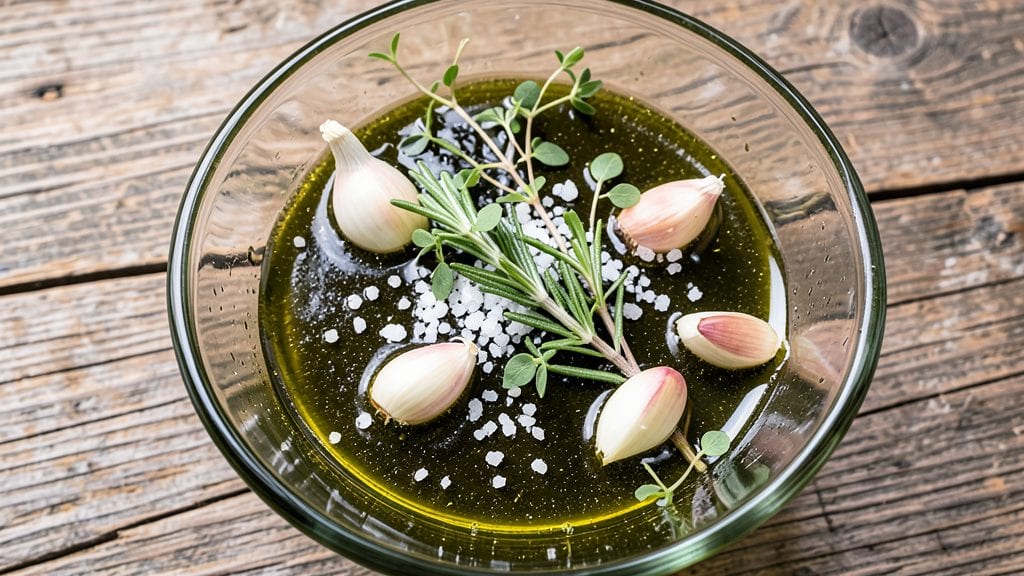
Transforming a simple rib steak into a restaurant-worthy masterpiece starts with this bold herb and garlic marinade—a liquid infusion that creates a steakhouse-worthy crust while keeping the meat tender. The secret lies in balancing acidity, aromatics, and fat to tenderize without overpowering the beef's natural richness.
I developed this marinade after years of testing, and it delivers consistent results every time.
This marinade works its magic through a precise blend of red wine vinegar for acidity, olive oil for moisture, and fresh garlic and herbs that infuse deep flavor. The combination of rosemary, thyme, and black pepper creates layers of aroma that transform the steak's surface into a flavorful crust.
Marinating for at least 4 hours (or up to overnight) ensures maximum penetration without breaking down the meat's texture.
What sets this marinade apart is its ability to elevate even the most basic cut of rib steak, creating a crust that's rich, aromatic, and perfectly balanced. The acidity tenderizes while the fat preserves moisture, resulting in a steak that's juicy inside and deeply flavorful outside.
This is the kind of marinade that turns a weeknight dinner into a special occasion.
Store any unused marinade in an airtight container in the refrigerator for up to 5 days, making it perfect for meal prep. Whether you're grilling, pan-searing, or broiling, this marinade will give your steak the professional-quality crust it deserves.
Ingredients for rib steak marinade
Nine ingredients. One marinade. Steakhouse crust at home in minutes.
| Ingredient | Amount | Notes |
|---|---|---|
| Red Wine Vinegar 🍷 | ½ cup | Balsamic alternative for depth |
| Extra-Virgin Olive Oil 🫒 | ½ cup | High-quality, fruity variety |
| Fresh Garlic Cloves 🧄 | 6 cloves | Peeled, lightly crushed |
| Fresh Rosemary 🌿 | ¼ cup | Needles finely chopped |
| Fresh Thyme Leaves 🌿 | ¼ cup | Stems removed, chopped |
| Diamond Crystal Kosher Salt 🧂 | 1 ½ tsp | Fine grain preferred |
| Freshly Ground Black Pepper 🌶️ | 1 tsp | Coarse grind for texture |
| Honey 🍯 | 1 tbsp | Wildflower for floral notes |
| Worcestershire Sauce 🍶 | 1 tbsp | High-quality, umami depth |
The olive oil and vinegar form the marinade's backbone—extra-virgin olive oil for richness and red wine vinegar for acidity. Grab Trader Joe's or Whole Foods for the best quality oils; skip the cheap stuff. Fresh herbs matter here—rosemary and thyme from the grocery store's refrigerated section should smell vibrant, not wilted. For garlic, peeled and lightly crushed releases more flavor than minced. The honey balances acidity, so don't substitute artificial sweeteners—it's worth the tablespoon.
No red wine vinegar? Apple cider vinegar or balsamic vinegar work in a pinch, though balsamic adds a sweeter note. Short on fresh herbs? Dried rosemary at one-third the amount gets you close, but fresh is ideal. The Worcestershire sauce can be swapped for soy sauce or fish sauce for umami, though Worcestershire's depth is unmatched. For a sugar-free version, omit the honey and add a splash of lemon juice instead. And if you're prepping ahead, double the batch—this marinade keeps beautifully for future steak nights.
This marinade stays fresh for 5 days in the fridge, sealed in an airtight container. For longer storage, freeze in ice cube trays—thaw and shake before using. The garlic and herbs can be prepped ahead and stored separately in the fridge for 3 days, saving you time on marinade day. Pro tip: Pat the steak dry before applying the marinade for maximum crust adhesion. And if you're using this on thicker cuts, marinate for 6-8 hours max—any longer risks breaking down the meat.
Why You'll Love This Recipe
- Five-Ingredient Magic: I swear by this combo—no fancy pantry items, just what’s already in my fridge. The red wine vinegar cuts through the richness of the steak while the olive oil keeps it tender, and those smashed garlic cloves? Pure flavor without the fuss.
- Crispy-Garlicky Perfection: That charred crust on the steak? All thanks to the rosemary and thyme clinging to the surface while the garlic infuses every bite. It’s simple, but it’s the kind of taste that makes you slow down mid-bite.
- Weeknight to Dinner Party: I use this marinade for everything—grilled steaks on a Tuesday, seared cuts for guests, even leftover slices in sandwiches. The same bold flavors work whether I’m cooking for two or feeding a crowd.
- Leftovers That Don’t Suck: Honestly, I often make extra marinade because it keeps for weeks in the fridge. Toss it on chicken, drizzle it over roasted potatoes, or even use it as a quick sauce—no waste, all flavor.
Step-by-step instructions for rib steak marinade
This marinade transforms simple rib steaks into restaurant-quality masterpieces with bold, aromatic depth.
Combine the Wet Ingredients
In a medium mixing bowl, whisk together the 0.5 cup extra-virgin olive oil and 0.5 cup red wine vinegar until fully emulsified. The acidity from the vinegar will begin breaking down the oil immediately, creating a silky base for your marinade. I like to use a fork for this step—it creates gentle friction that helps blend the ingredients without incorporating air bubbles.
Next, add the 1 tbsp honey and 1 tbsp Worcestershire sauce, whisking until completely dissolved. The honey will add a subtle sweetness that balances the acidity, while the Worcestershire sauce contributes deep umami complexity. This combination is what elevates a good marinade into an extraordinary one—trust the process and let these ingredients meld together for at least 2 minutes of continuous whisking.
Incorporate the Aromatics and Seasonings
Add the 6 cloves fresh garlic cloves (lightly crushed), 0.25 cup fresh rosemary (finely chopped), and 0.25 cup fresh thyme leaves to the bowl. Use a wooden spoon to gently fold these ingredients into the wet mixture, ensuring the herbs are fully saturated. The rosemary and thyme should release their essential oils into the marinade, creating that unmistakable herbal aroma that's so characteristic of steakhouse crust.
Now, sprinkle in the 1.5 tsp Diamond Crystal kosher salt and 1 tsp freshly ground black pepper, again using the wooden spoon to distribute everything evenly. The salt will help draw moisture out of the steak's surface, while the pepper adds a subtle heat that complements the other flavors. Give everything another thorough stir—this is where the magic begins to happen as all the components come together into a cohesive marinade.
Rest and Prepare for Marinating
Transfer the marinade to an airtight container with a lid, then seal it tightly. Let it rest at room temperature for 15-20 minutes before using. This resting period allows the flavors to fully integrate and the acidity to mellow slightly, which prevents over-acidifying the steak during the marinating process. I've found that this brief rest makes a noticeable difference in the final flavor profile.
For best results, use this marinade immediately after preparation. If you need to store it, transfer to a clean container and refrigerate for up to 24 hours. However, I recommend marinating your steaks for no longer than 4-6 hours—any longer and the acidity can start to break down the steak's proteins too much, resulting in a mushy texture rather than that perfect tender bite you're after.
Apply to Steaks and Marinate
Pat your rib steaks dry with paper towels—this is crucial for developing that beautiful crust. Place them in a single layer in a shallow dish or resealable plastic bag, then pour the marinade evenly over the top. If using a bag, seal it tightly and massage the marinade into the steaks to ensure complete coverage. The steaks should be completely submerged in the marinade for even flavor penetration.
Marinate the steaks in the refrigerator for 2-4 hours, turning them occasionally to ensure even exposure to the marinade. You'll know it's working when you open the container and that incredible aroma fills your kitchen—it's a smell that always makes me anticipate the delicious meal to come. For best results, remove the steaks from the refrigerator 30 minutes before cooking to allow them to come to room temperature, ensuring even cooking throughout.
Pro Tips For Making Rib Steak Marinade
- Muddle That Garlic: I learned this the hard way—peeling and mincing garlic for marinades is a waste. Use a heavy-bottomed pan or mortar and pestle to smash the cloves flat, then crush them with the side of a knife. This releases more flavor without turning your marinade into a chunky mess.
- Balance the Vinegar: Red wine vinegar is bold, so don’t drown the olive oil. Start with a 1:2 ratio (vinegar to oil) and taste—if it’s too sharp, add a splash more oil. The marinade should taste like a drinkable sauce, not a condiment.
- Don’t Overcrowd the Herbs: Fresh rosemary and thyme pack a punch, so measure them by the sprig, not the handful. Two sprigs of rosemary and three of thyme (stripped) are plenty for a standard rib steak marinade—any more and you’ll taste pine needles.
- Marinate Cold, Not Room Temp: I used to leave the steak out while prepping, thinking it’d absorb faster. Wrong. Cold marinades penetrate better and keep the meat tender. Use a sealed container in the fridge for 4–12 hours—no need to rush.
Best sauces and condiments for these flavors
Pre-Cook Sauce Enhancers
Brush on a thin layer of garlic-infused olive oil right before searing to amplify the marinade's crust. I like to heat 2 tbsp olive oil with 2 minced garlic cloves until fragrant, then strain and apply with a pastry brush.
This adds an extra aromatic layer that caramelizes beautifully during cooking. For extra richness, add 1 tsp butter to the oil before brushing. 🌟
Post-Cook Crust Boosters
After cooking, finish with a sprinkle of flaky sea salt (like Maldon) and a quick sear with 1 tbsp cold butter and 1 minced garlic clove—this creates a luxurious crust that's pure restaurant quality.
I also drizzle 2 tbsp balsamic glaze (reduced from ¼ cup balsamic vinegar) for a sweet-tangy contrast that ties all the flavors together.
Herb-Infused Oils
Make an herb-infused oil to drizzle over finished steaks by combining ½ cup olive oil, 2 tbsp chopped rosemary, 1 tbsp chopped thyme, and 1 crushed garlic clove. Heat gently for 5 minutes (don't boil), then strain.
This infused oil adds a fragrant, aromatic finish that complements the marinade's depth without overpowering it. Store leftovers in the fridge for up to 1 week.
Compound Butter Variations
Create a herb and garlic compound butter by mixing ½ cup softened butter with 1 tbsp chopped parsley, 1 tsp chopped rosemary, 1 minced garlic clove, and a pinch of salt.
Roll into a log, chill for 1 hour, then slice and place on the steak during the last 2 minutes of cooking. The butter melts into a flavorful crust that ties everything together beautifully. 💛
Wine Reduction Pairing
Simmer ½ cup red wine (like Cabernet Sauvignon) with 1 tbsp butter and 1 tsp Worcestershire sauce until reduced by half. Drizzle this rich reduction over the steak just before serving.
The wine's acidity cuts through the richness, while the butter adds a velvety finish that enhances the marinade's herbal notes.
Spicy Kick Additions
For heat lovers, add ½ tsp cayenne pepper or 1 tsp chili flakes to the marinade, or finish with a sprinkle of smoked paprika and a dash of hot honey.
The smoky-sweet contrast elevates the dish while keeping the marinade's core flavors intact. I like to use Penzeys for high-quality spices that deliver consistent heat levels.
Nutrition facts
Frequently asked questions
Can I use this marinade on other cuts of beef besides rib steak?
This marinade works beautifully on filet mignon, New York strip, or even sirloin. The acidity and aromatics tenderize tougher cuts while enhancing the natural flavor of leaner steaks. For thicker cuts like ribeye, marinate for 4-6 hours max to avoid over-tenderizing.
What's the best way to store leftover marinade?
Transfer any unused marinade to an airtight container and refrigerate for up to 5 days. For longer storage, freeze in ice cube trays—thaw and shake before using. Never reuse marinade that's touched raw meat unless boiled for 5 minutes first to kill bacteria.
Can I make this marinade without Worcestershire sauce?
Yes! Swap it for soy sauce (1 tbsp) or fish sauce (1 tsp) for umami depth. For a vegetarian version, use 1 tbsp balsamic vinegar plus ½ tsp smoked paprika. The honey and vinegar will still balance the flavors beautifully.
How do I fix a marinade that's too acidic?
If your steak tastes sour after marinating, balance it by brushing with garlic-infused olive oil before cooking. For extra richness, add a 1 tbsp butter sear at the end. The fat helps neutralize acidity while creating a delicious crust.
Can I marinate for longer than 6 hours?
No—marinating beyond 6 hours risks breaking down the meat's proteins, making it mushy. For thicker cuts, 4-6 hours is ideal. For thinner cuts like flank steak, 2-3 hours is plenty. Always pat dry before cooking to ensure a proper crust forms.