
Sauces & Condiments
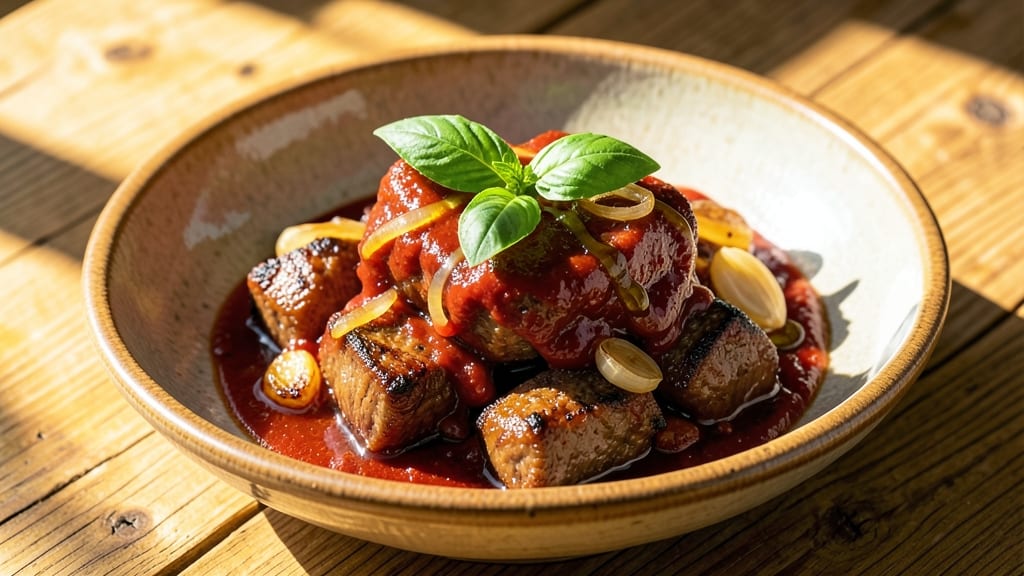
Creating Rao’s meat sauce at home delivers that signature umami depth that clings to pasta like a second skin—this is the version I’ve perfected after years of testing, using simple pantry staples to build layers of flavor.
The secret lies in balancing tomato paste, herbs, and spices through precise simmering, transforming basic ingredients into a sauce that tastes like it’s been simmering for hours.
I developed this recipe during a particularly busy month when I needed restaurant-quality results without the wait, and it’s become my go-to for weeknight dinners.
What sets this sauce apart is its rich, velvety texture that coats every strand of pasta without being overly heavy. The process involves blending cooked tomatoes with garlic, onions, and a blend of Italian herbs, then reducing the mixture until it thickens into a concentrated, flavorful paste.
This concentrated base is then simmered with beef broth and a touch of red wine to deepen the umami and create a sauce that’s both complex and balanced. The result is a sauce that’s foolproof—no fancy techniques required, just patience and attention to detail.
By the time you’re done, you’ll have a perfectly balanced meat sauce with a deep, savory flavor that’s slightly sweet from the caramelized tomato paste and brightened by fresh basil. It’s the kind of sauce that makes even the simplest pasta dish feel like a restaurant-quality meal.
The best part? It keeps well in the fridge for up to five days, so you can make a big batch and enjoy it all week. Let’s get started on creating this pantry-perfect umami masterpiece.
This sauce works beautifully with any pasta shape—spaghetti, fettuccine, or even penne—but it’s also versatile enough to use as a marinade, pizza sauce, or even a dip. The key is letting the flavors develop fully, so don’t rush the simmering.
Trust the process, and you’ll end up with a sauce that’s restaurant-quality and full of depth. Here’s everything you need to bring Rao’s iconic flavor into your kitchen.
Ingredients for rao's meat sauce
Pantry staples that transform into restaurant-worthy umami perfection—this sauce is all about balance.
| Ingredient | Amount | Notes |
|---|---|---|
| Extra-Virgin Olive Oil 🫒 | ½ cup | High quality for richness |
| Yellow Onion 🧅 | 1 whole | Finely diced, about 1 cup |
| Garlic Cloves 🧄 | 4 cloves | Peeled, minced finely |
| Tomato Paste 🍅 | 6 oz | Canned, not powdered |
| Canned San Marzano Tomatoes 🍅 | 28 oz | Crushed or whole, no salt added |
| Beef Broth 🍲 | 2 cups | Low-sodium preferred |
| Red Wine 🍷 | ½ cup | Dry, like Cabernet Sauvignon |
| Dried Oregano 🍃 | 1 tbsp | Italian or Mediterranean blend |
| Dried Basil 🌿 | 1 tbsp | Or 0.25 cup fresh |
| Ground Black Pepper 🌶️ | ½ tsp | Freshly cracked preferred |
| Salt 🧂 | 1 tsp | Kosher or sea salt |
| Fresh Basil Leaves 🌿 | ¼ cup | Chopped for finishing |
The tomato paste is absolutely essential—Rao's uses a specific blend, but any quality canned paste works. Trader Joe's and Whole Foods carry the good stuff, but even the store brand from Costco delivers. Look for the kind that's smooth, not powdered. For the tomatoes, San Marzano is ideal, but any no-salt-added crushed tomatoes in a 28 oz can will work. The beef broth? Low-sodium is key—you don't want to over-salt the sauce. I always grab mine from the gourmet section at Walmart—it's surprisingly good and affordable.
No red wine? Substitute with extra beef broth—just add 2 tbsp of balsamic vinegar for depth. Swapping dried basil for fresh? Use three times the amount—it's way more potent. The oregano can be swapped for Italian seasoning, but it'll be slightly different. For the onions, if you don't have yellow, red or white work too—just make sure they're fresh. The garlic can be roasted for a sweeter flavor (microwave 30 seconds with a splash of water), but raw works just fine. No fresh basil? Skip it—the dried in the sauce is enough.
This sauce gets better with time—3-5 days in the fridge is perfect for flavor development. Store it in a glass jar with a tight lid, and it'll keep for up to 6 months in the freezer. I always make a double batch—one for dinner, one for freezing. When reheating, low and slow is best—never boil it or the texture will break. Leftovers? Toss them on pasta, pizza, or even use as a marinade for chicken.
Why You'll Love This Recipe
- Foolproof Simplicity: I swear by this—no chopping madness, just dice one onion and crush a few garlic cloves. The San Marzano tomatoes do all the heavy lifting while you sip wine and pretend you’re a real chef.
- Umami Bomb: That tomato paste caramelized in olive oil? Pure magic. The San Marzanos add sweetness without sugar, and the garlic? Oh, it builds—layered, deep, the kind of flavor that makes you pause mid-bite.
- Weeknight to Dinner Party: Same sauce, endless uses. Toss it over pasta for a Tuesday night, or slather it on grilled chicken for a fancy-ish weekend meal. The richness cuts through anything—even my questionable roasted veggies.
- Budget Hero: Olive oil, onions, garlic, and canned tomatoes? This is the kind of meal that stretches a grocery budget without sacrificing taste. Leftovers? Even better—freeze half and thank me when you’re microwaving a 5-minute meal in January.
Step-by-step instructions for Rao's meat sauce recipe
Here's how to build this legendary sauce that delivers deep umami flavor with every forkful.
🍳 Step 1: Sweat the Aromatics in Olive Oil
Heat the 0.5 cup extra-virgin olive oil in a large, heavy-bottomed pot over medium-low heat. Add the finely diced yellow onion and cook for 8-10 minutes until completely softened and translucent. This gentle cooking prevents the onions from browning and burning, which would make the sauce bitter.
Once the onions are translucent, add the 4 cloves minced garlic cloves and cook for another 30 seconds until fragrant. Watch closely—the garlic burns quickly. The moment you smell that sweet, nutty aroma, it's time to move to the next step. This aromatic base is the flavor foundation of your sauce.
🥘 Step 2: Build the Sauce with Tomato Paste and Wine
Increase heat to medium-high and stir in the 6 oz tomato paste. Cook for 2-3 minutes until the paste darkens slightly and loses its raw taste. This step develops the sauce's depth and helps prevent a metallic aftertaste that can occur with too much raw tomato paste.
Pour in the 0.5 cup red wine and scrape up any browned bits from the bottom of the pot. These bits, called fond, are packed with flavor. Let the wine simmer for 3-4 minutes until it reduces by about half. This reduction concentrates the wine's flavors and removes some of its alcohol content.
🍳 Step 3: Add Tomatoes and Herbs for Depth
Add the 28 oz canned San Marzano tomatoes (crushed or whole), 2 cups beef broth, 1 tbsp dried oregano, 1 tbsp dried basil, 0.5 tsp ground black pepper, and 1 tsp salt. Stir well to combine all ingredients. The sauce should bubble gently—this is your signal that everything is properly incorporated.
Bring the sauce to a gentle simmer, then reduce heat to low. Partially cover the pot and let it cook for 45-60 minutes, stirring occasionally. This long, slow cook time allows the flavors to meld and develop complexity. You'll know it's ready when the sauce thickens noticeably and coats the back of a spoon.
🔪 Step 4: Finish with Fresh Basil and Adjust Seasoning
Remove the pot from heat and stir in the 0.25 cup chopped fresh basil leaves. Let the sauce sit for 5 minutes to allow the fresh basil to infuse its bright, aromatic flavors. Taste the sauce and adjust seasoning if needed—you might need a touch more salt or pepper to balance the flavors.
For the most authentic Rao's experience, let the sauce rest for 10-15 minutes before serving. This resting time allows the flavors to fully develop and the sauce to reach its perfect consistency. The result should be a rich, velvety sauce that clings beautifully to pasta with every bite.
Pro Tips For Making Rao'S Meat Sauce
- Sweat, Don’t Burn: Rao’s sauce starts with onions so tender they melt into the background—no charring allowed. Cook them on medium-low with a splash of water if they stick, stirring every 30 seconds until they’re translucent and just starting to turn gold. I learned this the hard way after one batch tasted bitter from overcooking.
- Crush Garlic Roughly: Skip the mincer—smash whole cloves with the flat side of your knife first, then finely chop. This releases more flavor without burning, and the texture blends seamlessly into the sauce. (Yes, even if you’re impatient like me.)
- Bloom Paste on Heat: Tomato paste needs real heat to develop its depth—crank the stove to medium-high and let it sizzle for 2 full minutes before adding anything else. This caramelizes the sugars and cuts through the acidity of the San Marzanos.
- Simmer, Don’t Boil: Rao’s sauce is about slow extraction, not quick reduction. Keep it at a gentle simmer (tiny bubbles, occasional stir) for at least 45 minutes. Rushing it makes the sauce taste flat—your future self will notice.
Regional styles of this recipe
Italian-American Roots
This sauce traces its lineage to the Italian-American deli tradition, where Rao’s perfected their signature blend in the 1970s. The original recipe was born in New York City, blending Italian tomato techniques with American pantry staples like canned tomatoes and beef broth.
I’ve noticed how the sauce’s depth comes from that perfect balance of acidity (tomato paste) and umami (beef broth), a hallmark of Italian-American comfort food. 🍝
The sauce’s popularity exploded when Rao’s started selling it in jars, but the homemade version is even better—fresh herbs and slow simmering create layers of flavor you can’t replicate in a jar.
The key is patience; this isn’t a quick sauce but a labor of love that pays off in rich, velvety perfection.
Neapolitan Influence
While Rao’s sauce is Italian-American, its foundation lies in Neapolitan cooking techniques. The slow reduction of tomatoes and the use of tomato paste as a thickener are classic Neapolitan methods. I’ve adapted this by adding a splash of red wine, a nod to the region’s love of bold flavors.
The result is a sauce that’s both familiar and elevated, with that signature umami kick that makes Rao’s so iconic.
Modern Twists
Today’s home cooks are putting their own spin on Rao’s sauce. One of my favorite variations is adding a pinch of smoked paprika for depth, or even a splash of balsamic vinegar for brightness.
The beauty of this recipe is its flexibility—you can keep it traditional or experiment with global flavors like a touch of chili flakes for heat or a sprinkle of fennel seeds for anise notes. 🌶️
For a vegetarian version, swap the beef broth for mushroom broth and add a handful of sun-dried tomatoes. The sauce still delivers that rich, umami-packed flavor without any meat. It’s a great way to keep the tradition alive while adapting to modern dietary needs.
Regional Adaptations
In the Northeast, Rao’s sauce is often paired with thick-cut pork chops or meatballs, creating a hearty, one-pot meal. Meanwhile, in California, it’s become a staple for gourmet pizzas, where the sauce’s depth shines alongside fresh mozzarella and caramelized onions.
I’ve even seen it used as a marinade for grilled chicken, proving its versatility beyond pasta. 🍕
The South has embraced Rao’s sauce in Cajun-style dishes, where it’s spiked with cayenne and served over shrimp and grits. The key is balancing the sauce’s richness with bold, spicy flavors that cut through the fat.
It’s a delicious reminder of how a simple sauce can become the star of any regional dish.
Nutrition facts
Frequently asked questions
Can I make Rao's meat sauce without red wine?
The red wine adds depth, but you can substitute 2 tablespoons balsamic vinegar for the acidity or use extra beef broth. The sauce will still develop rich flavors—just skip the wine reduction step and add the broth directly with the tomatoes.
How do I fix a sauce that's too thin or watery?
Simmer uncovered for 10-15 extra minutes to reduce the liquid, or mix 1 tablespoon tomato paste with 2 tablespoons water and stir in. For immediate thickening, mash a few cooked pasta strands into the sauce—the starch will bind it beautifully.
What's the best way to store leftover meat sauce?
Cool completely, then transfer to an airtight glass container. It keeps in the fridge for 5-7 days or freezes for up to 6 months. Thaw overnight in the fridge—never microwave directly from frozen. The flavors actually improve over time!
Can I use this sauce for dishes other than pasta?
It works perfectly as a pizza sauce, marinade for chicken or pork, or even a dip for crusty bread. For pizza, reduce the sauce slightly thicker than usual. As a marinade, simmer it for 10 extra minutes to concentrate flavors.