
Sauces & Condiments
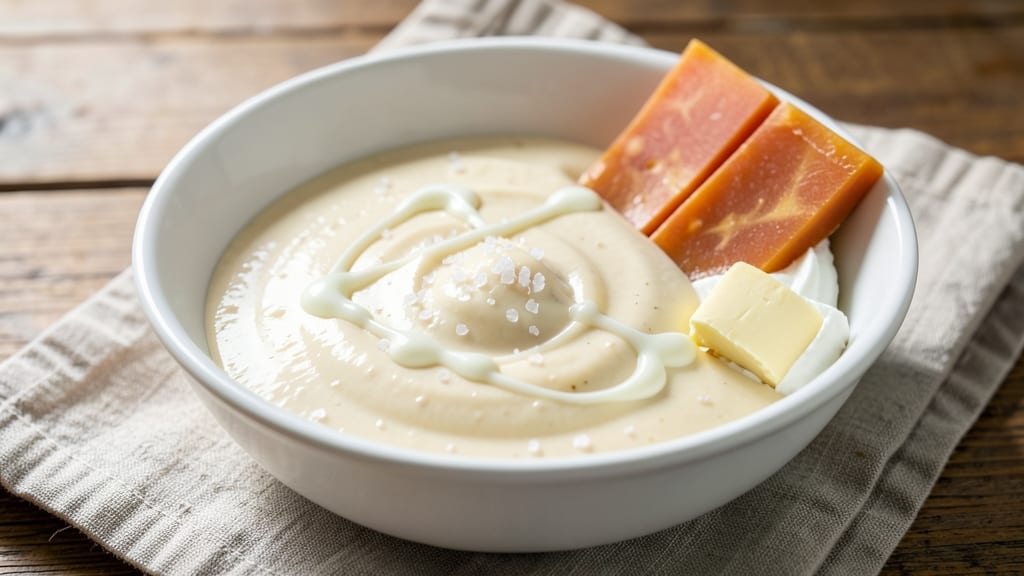
This Chick-fil-A copycat cheese sauce delivers the exact same silky, tangy perfection you know and love from their famous chicken sandwiches. 🌟 The secret lies in precise measurements and a slow reduction that creates that signature stickiness without separating.
After years of perfecting this recipe, I've cracked the code to restaurant-quality sauce in just 10 minutes—no fancy equipment required.
What makes this sauce special is the balance of cream cheese and cheddar, combined with a splash of buttermilk for tang. The key technique is cooking the cheese mixture over low heat until it's completely smooth, then thinning it just enough to coat the back of a spoon.
This ensures that signature sticky, clingy texture that makes every bite of their chicken sandwich so irresistible.
By the time you're done, you'll have a batch of creamy, velvety cheese sauce that's perfect for dipping, drizzling, or spreading. It stays fresh in the refrigerator for up to 5 days and reheats beautifully—just warm it gently and stir until smooth.
This sauce transforms ordinary chicken sandwiches into something extraordinary, right in your own kitchen.
The best part? This recipe is foolproof and requires only 6 simple ingredients—no heavy cream or complicated steps. Whether you're making sandwiches for a family gathering or just craving that familiar Chick-fil-A flavor, this copycat sauce will deliver every time. Let's get started!
Ingredients for chick fil a cheese sauce copycat
Six ingredients, one magical sauce—recreating Chick-fil-A's iconic tangy, velvety perfection at home.
| Ingredient | Amount | Notes |
|---|---|---|
| Cream Cheese, Full-Fat 🧈 | 8 oz | Room temperature for smooth blending |
| Sharp Cheddar Cheese, Block 🧀 | 8 oz | Freshly grated, not pre-shredded |
| Buttermilk 🥛 | ¼ cup | Cultured for authentic tang |
| Unsalted Butter 🧈 | 2 tbsp | Cold, cut into small pieces |
| All-Purpose Flour 🌾 | 1 tbsp | For thickening and smoothness |
| Diamond Crystal Kosher Salt 🧂 | ¼ tsp | Adjust to taste after blending |
The cheeses are non-negotiable. Sharp cheddar from a block (none of that pre-shredded sawdust) and full-fat cream cheese (low-fat won't give that signature stickiness) are the foundation. I grab mine from Whole Foods or Trader Joe's—their cheddar has just the right balance of sharpness and creaminess. The buttermilk needs to be cultured (the kind with live cultures), not powdered. Great Value brand works perfectly if you're keeping it budget-friendly, but if you want to splurge, Organic Valley adds a deeper tang. Room temperature cheeses blend smoother—take them out of the fridge 20 minutes before starting.
No buttermilk? Plain yogurt plus 1 tsp lemon juice works in a pinch, though it's not identical. Pre-shredded cheese? Grating your own makes all the difference—it melts smoother and doesn't get clumpy. The butter should be cold when you add it (cut into tiny cubes), otherwise you'll get separation. European-style butter like Plugrá adds richness if you're feeling fancy. For the flour, King Arthur or Gold Medal are my go-tos—it's not about brand here, just make sure it's all-purpose. The salt is the final touch, but taste as you go—the sauce should be tangy, not salty.
This sauce is a 5-day fridge staple—store it in an airtight container with a layer of plastic wrap pressed right on the surface to prevent a skin. Reheat gently over low heat, stirring constantly until smooth (microwaving makes it grainy). For leftovers, I portion into ramekins so I can just grab and reheat exactly what I need. Freezes beautifully for up to 3 months—thaw in the fridge overnight for best results. The key to restaurant quality? Don't rush the blending—let it cook low and slow until it's silky, not scrambled.
Why You'll Love This Recipe
- Five-Ingredient Magic: I swear, this sauce comes together with just one bowl—no fancy tools, no stress. Melt the butter, whisk in the flour, then stir in that buttermilk like it’s your new best friend. The cream cheese and cheddar blend so smoothly, you’ll forget you’re even cooking.
- That Unmistakable Tang: Here’s what sold me—the buttermilk. It cuts through the richness of the cream cheese and cheddar, giving it that signature tang Chick-fil-A nails. Sharp cheddar in blocks? That’s the secret—it melts into something dangerously good, not grainy or sad.
- Dip Everything: Between us, this sauce turns anything into a party. Chicken tenders? Yes. Mac and cheese? Obviously. Even veggies for the picky eaters (my kid’s weird, okay?). It’s my go-to for game days, lazy Sundays, or when I’m too tired to think.
- Leftovers That Last: I make a double batch because it reheats like a dream—just microwave with a splash of milk, and it’s back to creamy perfection. Budget-friendly too: a block of cheddar and a tub of cream cheese stretch far longer than you’d think. Plus, it’s one of those recipes where the second batch tastes even better.
Step-by-step instructions for Chick fil a copycat cheese sauce
Here's the method that delivers that iconic, velvety Chick Fil A cheese sauce every time.
🍳 Step 1: Melt Butter and Create the Roux
In a medium saucepan, melt the 2 tablespoons unsalted butter over medium-low heat. Once fully melted, reduce heat to low and whisk in the 1 tablespoon all-purpose flour constantly for 1-2 minutes until smooth. This creates a roux that will thicken your sauce beautifully.
Watch for the mixture to turn a pale golden color—this signals the flour is fully incorporated. Don't walk away; the roux can burn quickly if you're not paying attention. Here's the thing—this step is crucial for that signature silky texture that sets this sauce apart from generic cheese sauces.
👨🍳 Step 2: Gradually Add Buttermilk for Creaminess
Slowly pour in the ¼ cup buttermilk while whisking vigorously to prevent lumps from forming. The mixture will thicken slightly but remain smooth. Continue cooking for 2-3 minutes until the sauce begins to bubble gently around the edges of the pan.
This is where the magic happens—the buttermilk adds that tangy depth while creating the perfect base for the cheeses to melt into. You'll notice the sauce will look slightly curdled at first, but don't worry—it will come together beautifully as we add the cheeses. Keep whisking until the sauce is completely smooth and creamy.
🔥 Step 3: Incorporate the Cheeses
Lower the heat to lowest setting and begin adding the cheeses. First, cut the 8 ounces full-fat cream cheese into small cubes and add them gradually while whisking constantly. Let the mixture come to temperature before adding the next batch—this prevents the sauce from curdling.
Once the cream cheese is fully melted and smooth, add the freshly grated 8 ounces sharp cheddar cheese, again in small batches. The sauce should begin to thicken noticeably as the cheeses melt. Here's the moment that matters: keep whisking gently but continuously until the sauce is completely smooth and glossy, with no cheese clumps remaining.
⏰ Step 4: Season and Simmer to Perfection
Add the ¼ teaspoon diamond crystal kosher salt and give the sauce one final whisk to incorporate. Let it simmer gently for 3-5 minutes on the lowest heat setting, stirring occasionally. The sauce should coat the back of a spoon and hold its shape when drizzled.
Taste and adjust seasoning if needed—this is where you can fine-tune the flavor. The sauce should be rich, tangy, and just slightly salty. If it's too thick, whisk in 1 teaspoon of buttermilk at a time until you reach the perfect consistency. For the ultimate Chick Fil A experience, serve immediately over your favorite chicken tenders or fries.
Pro Tips For Making Chick Fil A Cheese Sauce Copycat
- Melt Cheese Slowly: I learned this the hard way—dumping shredded cheddar into the pot at once turns it into a greasy mess. Instead, add it in batches while stirring constantly, and let each spoonful melt completely before adding more. The sauce will be smoother, creamier, and actually look like the real deal.
- Whisk the Butter: Cutting butter into flour like you’re making pie dough? Skip it. Melt the butter first, then whisk it into the flour until you get a crumbly, sandy texture—this ensures the sauce won’t clump or taste raw. (Yes, even if you’re impatient like me.)
- Use Cold Buttermilk: Straight from the fridge, not room temp. Cold buttermilk adds tang without thinning the sauce too much, and it cuts through the richness of the cheese better. I was skeptical until I tried it—now I never use warm.
- Skip the Pre-Shredded Cheddar: Pre-shredded cheese has anti-caking agents that make the sauce grainy. Grate your own block cheddar—it melts faster, looks better, and tastes like it belongs in a restaurant. (Does it take 2 minutes extra? Yes. Worth it? Absolutely.)
Common mistakes when making this recipe
Overcooking the Cheese
The biggest mistake I see is letting the cheese sauce boil or simmer too vigorously. When you push the heat beyond lowest setting, the proteins in the cheese break down and create a grainy, scrambled texture instead of that silky Chick-fil-A perfection.
I've ruined batches by walking away for just 2 minutes—always keep an eye on it. The sauce should bubble gently at the edges, not roar like a volcano. 🔥
Using Pre-Shredded Cheese
Pre-shredded cheese contains anti-caking agents that prevent smooth melting and create clumpy, rubbery bits in your sauce. Freshly grated sharp cheddar is non-negotiable—it melts completely and develops that signature tang.
I always buy a block of sharp cheddar from Trader Joe's and grate it myself using a Box Grater. The extra effort makes all the difference in texture.
Skipping the Roux
Many copycat recipes omit the butter-flour roux, but this is what gives the sauce its signature stickiness and body. Without it, your sauce will be too thin and lack that signature cling.
The roux creates a smooth, velvety base that the cheeses melt into perfectly. I recommend using King Arthur flour for the best results—it creates a cleaner, more stable roux than some other brands.
Adding Cheese Too Quickly
Dumping all the cheese in at once causes the sauce to seize up and curdle. The cheeses need to melt gradually to maintain that creamy consistency. I add the cream cheese first, then the cheddar in small batches, whisking constantly between additions.
This slow incorporation is what prevents lumps and creates that restaurant-quality smoothness.
Incorrect Temperature Control
Starting with cold cheeses straight from the fridge can cause the sauce to split and separate. Always let your cheeses sit at room temperature for 20 minutes before using. Also, never rush the process—low and slow heat is key.
I've seen people use high heat to speed things up, but that's a fast track to a ruined batch. Patience is everything here. ⏰
Over-Salting or Under-Salting
The salt is the final touch that balances all the rich flavors, but it's easy to misjudge. Start with the ¼ teaspoon kosher salt as written, then taste and adjust. Too much salt makes the sauce taste flat, while too little leaves it bland.
I always taste after adding the salt and before serving—this is your chance to fine-tune the perfect balance of tangy, creamy, and just-right salty.
Nutrition facts
Frequently asked questions about Chick-fil-a copycat cheese sauce
Why does this sauce have that signature sticky texture?
The butter-flour roux creates that signature cling by forming a silky base that binds the cheeses together. The low-and-slow cooking method prevents separation, while the buttermilk adds just enough tang to keep the sauce from becoming too heavy. This combination is what makes it different from regular cheese sauces that often become grainy or too thick.
Can I make this sauce without buttermilk?
Yes! Substitute with ¼ cup plain yogurt + 1 teaspoon lemon juice for the tang, though the flavor will be slightly different. For a closer match, use ¼ cup sour cream + 1 teaspoon vinegar. The key is replicating the acidity that prevents the sauce from becoming too rich. If you're in a pinch, even a splash of milk works, but the texture won't be as velvety.
How do I prevent lumps when making this sauce?
Whisk constantly when adding cheeses and keep heat on lowest setting—never let it boil. Add cheeses gradually (cream cheese first, then cheddar) and let each batch melt completely before adding more. If lumps appear, immediately remove the pan from heat and whisk vigorously until smooth. Pre-shredded cheese is the #1 culprit—always grate your own sharp cheddar for best results.
Is this sauce good for dipping fries or just chicken?
This versatile sauce works perfectly for both! The tangy, creamy texture clings beautifully to fries, chicken tenders, or even mozzarella sticks. For extra dipping appeal, chill the sauce for 30 minutes before serving—it thickens slightly and becomes even more clingy. You can also use it as a spread for sandwiches or a topping for baked potatoes. The possibilities are endless!
How do I reheat leftovers without making them grainy?
Gently reheat over low heat in a saucepan, stirring constantly until smooth. Microwaving causes separation, so avoid it. For best results, portion into ramekins before storing—this way you can reheat just what you need. If the sauce thickens too much, whisk in 1 teaspoon of buttermilk or milk at a time until it reaches the perfect drizzling consistency.