
Sauces & Condiments
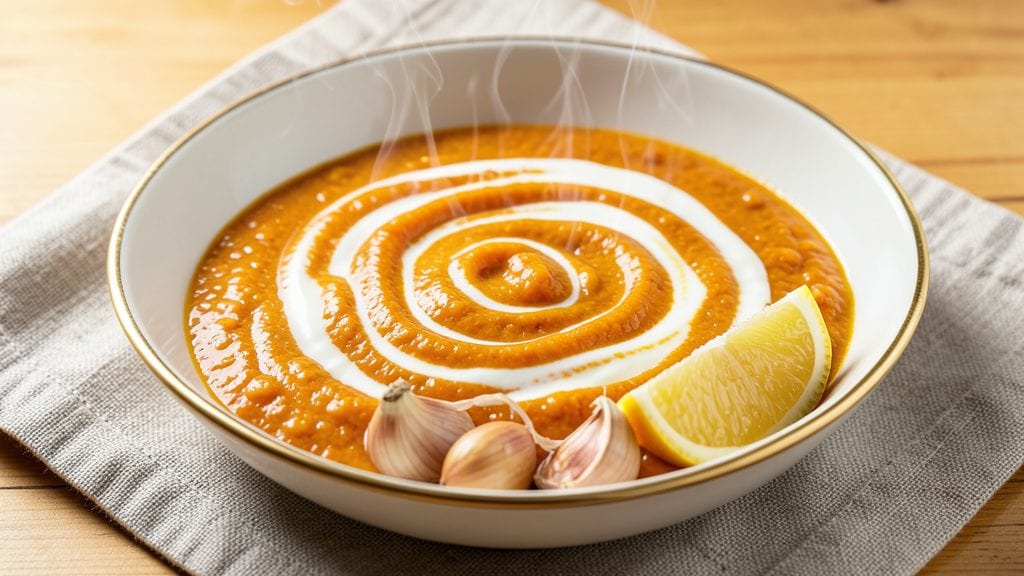
This Peruvian sauce recipe transforms ordinary dishes into vibrant, flavor-packed masterpieces with a single spoonful of aji amarillo—the golden chili paste that defines Peruvian cuisine. The creamy, slightly tangy sauce balances heat and richness, making it the secret weapon behind dishes like ceviche, grilled meats, and even roasted potatoes.
I first discovered its magic while traveling through Lima, where street vendors used it to elevate simple ingredients into unforgettable meals.
The beauty of this sauce lies in its simplicity: just a handful of ingredients—aji amarillo paste, evaporated milk, butter, and a touch of cream—come together to create a velvety, aromatic sauce that clings perfectly to food.
Unlike heavy cream-based sauces, this one stays light yet deeply flavorful, thanks to the natural acidity of the yellow chili. The key is balancing the paste with dairy to soften its intensity while preserving its signature golden hue and complex flavor profile.
What makes this sauce truly special is its versatility—it works as a marinade, a drizzle, or a finishing touch, turning grilled fish into a restaurant-worthy dish or transforming a simple salad into a gourmet experience.
The preparation takes just 15 minutes, yet the results feel like hours of careful craftsmanship. Once you taste it, you’ll understand why Peruvian cuisine ranks among the world’s most exciting.
Perfect for weeknight dinners or special occasions, this sauce keeps well in the refrigerator for up to 5 days, making it an ideal addition to your pantry.
Whether you’re serving it over rice, drizzling it on seafood, or using it as a dip, its bright, creamy depth will elevate every bite. Let’s get cooking—your taste buds will thank you.
Ingredients for peruvian sauce
Four core ingredients transform into the golden secret of Peruvian cuisine—rich, tangy, and unforgettable.
| Ingredient | Amount | Notes |
|---|---|---|
| Aji Amarillo Paste 🌶️ | ½ cup | High-quality, vibrant yellow paste |
| Evaporated Milk 🥛 | 1 cup | Full-fat for creaminess |
| Unsalted Butter 🧈 | ¼ cup | Cold, cubed for texture |
| Heavy Cream 🥛 | ¼ cup | Room temperature preferred |
| Garlic Cloves 🧄 | 2 cloves | Fresh, minced for depth |
| Lemon Juice 🍋 | 1 tbsp | Freshly squeezed |
| Diamond Crystal Kosher Salt 🧂 | ½ tsp | Adjust to taste |
| Ground Black Pepper 🌶️ | ¼ tsp | Freshly cracked |
| Extra-Virgin Olive Oil 🫒 | 1 tbsp | For finishing drizzle |
The aji amarillo paste is non-negotiable here—look for brands like Huancaína or La Sal at Latin markets or well-stocked grocery stores. If you can only find it online, Amazon or Peruvian specialty shops are your best bet. The paste should be a vibrant, golden yellow with no graininess—if it smells sharp and citrusy, it's fresh. I always buy extra because it keeps for up to 6 months in the fridge once opened. For the dairy, full-fat evaporated milk and heavy cream give the sauce its signature velvety texture. Skip the low-fat versions—they just won't cut it.
No aji amarillo? Mix 1 tbsp yellow chili powder with 1 tsp paprika and 1 tsp sugar as a rough substitute, but trust me, it won't be the same. Short on butter? Ghee or coconut oil works in a pinch, though the flavor profile shifts slightly. The garlic and lemon juice are where the magic happens—roast the garlic cloves first for a deeper, sweeter flavor that balances the chili's heat. Fresh lemon juice is a must; bottled just won't give you the same bright acidity. And don't skip the olive oil finish—it adds a luxurious sheen and ties everything together.
This sauce keeps beautifully in the fridge for 5 days, sealed in an airtight container with a thin layer of olive oil on top to preserve its golden color. For longer storage, freeze in ice cube trays—perfect for single-serving portions. Reheat gently over low heat, stirring constantly to avoid curdling. The sauce thickens as it cools, so if it seems too thick when reheating, just add a splash of warm milk or water. Trust me, you'll want to make extra—it disappears fast when drizzled over grilled fish or mixed into rice.
Why You'll Love This Recipe
- Here’s what sold me: this sauce actually improves the next day. The flavors meld, the texture gets richer, and I’ve reheated it for breakfast tacos, lunch soups, and dinner stir-fries—no one ever guesses it’s the same sauce.
- Five-Ingredient Magic: Honestly, I swear by this—just blend those five things (aji amarillo, milk, butter, cream, garlic) and you’ve got a sauce that tastes like you spent hours simmering. No chopping, no peeling, no mess beyond a quick whisk.
- Creamy Heat Hug: That aji amarillo paste brings the golden, tangy kick while the heavy cream smooths it into something dangerously addictive. It’s the kind of sauce that makes you close your eyes and sigh—like a warm blanket for your taste buds.
- Weeknight Superhero: Between us, this is my go-to when I’m too tired to think. Drizzle it over rice, mix it into eggs, or slather it on grilled chicken—it turns bland meals into something special without extra effort.
Step-by-step instructions for Peruvian aji amarillo sauce
This velvety sauce transforms simple proteins into restaurant-worthy dishes—here's how to balance heat, creaminess, and depth.
Bloom the Aji Amarillo Paste
Heat the 1 tablespoon extra-virgin olive oil in a medium saucepan over medium-low heat. Add the 0.5 cup aji amarillo paste and stir continuously for 2-3 minutes until it dissolves completely and the oil begins to shimmer. This step is crucial—it prevents the paste from clumping and allows its vibrant flavors to develop fully.
Watch closely as the paste transforms from a thick paste to a smooth, glossy mixture. The aroma will shift from raw to deeply aromatic, with hints of citrus and subtle heat. If you notice any lumps, add 1 teaspoon evaporated milk and whisk vigorously until smooth. The paste should coat the back of a spoon evenly, signaling it's ready for the next step.
Build the Creamy Base
Add the 0.25 cup cold unsalted butter, 1 cup evaporated milk, and 0.25 cup heavy cream to the saucepan. Stir constantly over medium heat until the butter melts completely and the mixture reaches a gentle simmer. This typically takes 3-4 minutes, but don't rush—allowing the dairy to warm gradually prevents curdling.
Here's where the sauce begins to take shape. You'll see the mixture thicken slightly as the heat draws out moisture from the dairy. The sauce should coat the spoon but still flow smoothly. If it thickens too quickly, reduce the heat to low and continue stirring. The goal is a velvety consistency that clings beautifully to proteins or grains.
Incorporate Aromatics and Acid
Push the saucepan to one side of the burner and add the 2 minced garlic cloves and 0.5 teaspoon diamond crystal kosher salt. Stir for 1 minute until the garlic becomes fragrant but doesn't brown. Then add the 1 tablespoon lemon juice and 0.25 teaspoon ground black pepper, stirring constantly for another 30 seconds to integrate all flavors.
The lemon juice brightens the sauce, cutting through the richness of the dairy and aji amarillo. The garlic should infuse the sauce with its pungent aroma without overpowering the delicate balance. Taste the sauce at this stage—it should be tangy, slightly sweet, and developing a subtle warmth from the aji amarillo. Adjust the salt if needed, remembering that the butter and evaporated milk already contribute to the overall seasoning.
Simmer to Perfection
Return the sauce to low heat and let it simmer gently for 5-7 minutes, stirring occasionally. The sauce should thicken gradually until it reaches a consistency that coats the back of a spoon but still pours smoothly. This simmering step develops the sauce's depth of flavor by allowing the dairy to meld with the aji amarillo and garlic.
You'll notice the sauce darken slightly as it reduces, and its aroma will become more complex. The perfect sauce should be thick enough to cling to proteins like chicken or fish but still flow gracefully. If it thickens too much, whisk in 1 tablespoon evaporated milk to reach your desired consistency. Remove from heat immediately once it reaches this ideal texture—overcooking can make it grainy.
Finish and Serve
Let the sauce rest for 2-3 minutes off the heat. This resting period allows the flavors to fully meld and the sauce to reach its optimal temperature for serving. Taste again and adjust seasoning if needed—sometimes a pinch more salt or a splash of lemon juice can elevate the sauce to perfection.
This versatile sauce pairs beautifully with grilled meats, seafood, or even as a drizzle over roasted vegetables. For an extra touch of elegance, finish with a drizzle of 1 teaspoon extra-virgin olive oil just before serving. The sauce will keep in the refrigerator for up to 5 days in an airtight container, making it perfect for meal prep. Serve warm for the best experience—its creamy texture and balanced flavors truly shine when freshly made.
Pro Tips For Making Peruvian Sauce
- Bloom the Paste First: Heat your aji amarillo paste in butter for 2-3 minutes before adding anything else—this wakes up its flavor and prevents a raw, bitter taste. I used to skip this, and the sauce always tasted dull until I realized the paste needs to release its oils first.
- Use Cold Evaporated Milk: Stir in cold evaporated milk at the very end, just to thicken the sauce—hot milk can turn it grainy. My grandmother called this the "silent fix" for sauces that split or look weird.
- Don’t Overmix the Cream: Once you add heavy cream, stir just until combined—overworking it turns the sauce thin and watery. I learned this after ruining three batches by "helping" it blend better.
- Toast the Garlic Lightly: Sauté garlic cloves in butter until golden (not brown) before mashing—this adds depth without bitterness. Raw garlic makes the sauce taste like you forgot a step.
Flavor customization for these flavors
Spicy Heat Boost
For those who love a kick, add 1-2 teaspoons of rocoto chili paste (or ½ teaspoon cayenne pepper) to the simmering sauce. This transforms the mild aji amarillo into a fiery version perfect for grilled meats or spicy ceviche.
I like to balance the heat with an extra splash of lemon juice—about 1 additional tablespoon—to keep the acidity vibrant. 🌶️
Creamy vs. Light
Want a lighter sauce? Swap the evaporated milk for ½ cup whole milk and ½ cup heavy cream, then add 1 tablespoon cornstarch mixed with 2 tablespoons cold water at the end of cooking.
Simmer for 1-2 minutes to thicken—this version works beautifully as a drizzle for seafood or salads. For extra richness, stir in 1 ounce grated pecorino cheese at the end.
Smoky Grilled Version
Infuse smoky depth by cooking the aji amarillo paste in 1 tablespoon smoked paprika-infused olive oil (simmer ½ teaspoon smoked paprika in the oil for 30 seconds before adding the paste).
Finish with ½ teaspoon liquid smoke—just enough to enhance the smokiness without overpowering. This version pairs perfectly with grilled ribs or charred vegetables.
Cheesy Huancaína Fusion
Combine ½ cup huancaína sauce (another Peruvian classic) with this aji amarillo base for a double-chili cream sauce. Stir in ½ cup crumbled queso fresco and 1 tablespoon fresh cilantro) at the end. This fusion sauce is ideal for drizzling over chicken piccata or tostadas. The tangy cheese adds a bright contrast to the creamy heat. 🧀
Sweet and Tangy Twist
Add 1 tablespoon honey or agave syrup during the simmering step to balance the chili’s heat with natural sweetness. This version works wonderfully with grilled shrimp skewers or as a glaze for roasted carrots.
I also like to finish with a pinch of ground cumin for earthy warmth that complements the sweetness.
Herb-Infused Variations
Stir in 1 tablespoon chopped fresh cilantro or parsley just before serving for a bright, herbaceous finish. For a more complex flavor, add ½ teaspoon ground cumin and ¼ teaspoon turmeric when blooming the aji amarillo paste.
These herbs elevate the sauce’s freshness, making it perfect for summer dishes like grilled fish tacos or cold grain salads. ✨
Nutrition facts
Frequently asked questions
What makes aji amarillo sauce different from other Peruvian sauces like huancaína?
Aji amarillo sauce gets its signature golden color and citrusy heat from the aji amarillo chili paste, which has a milder, sweeter flavor than the rocoto peppers used in huancaína. While huancaína is creamier with a sharper bite, aji amarillo balances richness with a tangy brightness that pairs perfectly with seafood and delicate proteins. The key difference is the chili base—aji amarillo uses yellow chili, while huancaína relies on rocoto.
Can I make this sauce without aji amarillo paste?
You can create a basic version by mixing 1 tbsp yellow chili powder, 1 tsp paprika, and 1 tsp sugar with 2 tbsp water to mimic the paste's texture. However, the authentic flavor comes from the natural acidity and citrus notes in real aji amarillo. For best results, seek out Peruvian specialty stores or online retailers—brands like Huancaína or La Sal deliver the true taste.
How do I adjust the heat level in this sauce?
For milder heat, reduce the aji amarillo paste to 0.375 cup and add 1 extra tbsp evaporated milk to balance it. For extra spice, stir in 1-2 tsp rocoto paste or ½ tsp cayenne during the simmering step. Always balance with lemon juice—an extra 1 tbsp brightens the sauce while taming the heat. Taste as you go!
What are the best dishes to serve with this sauce?
This versatile sauce elevates grilled fish (especially corvina or sea bass), ceviche, and roasted potatoes to new heights. It also works as a marinade for chicken or pork, or as a dip for toasted bread. For a showstopper, drizzle it over chilled shrimp or mix it into rice for a flavorful twist. The creamy texture makes it ideal for pairing with anything that needs a tangy finish.
Why did my sauce separate or curdle?
Sauces curdle when dairy heats too quickly or cools unevenly. To prevent this, always warm the dairy over medium-low heat while stirring constantly. If it separates, whisk in 1 tbsp cold evaporated milk and simmer gently for 1-2 minutes to restore smoothness. For extra insurance, temper the butter by melting it separately before adding it to the sauce.