
Sauces & Condiments
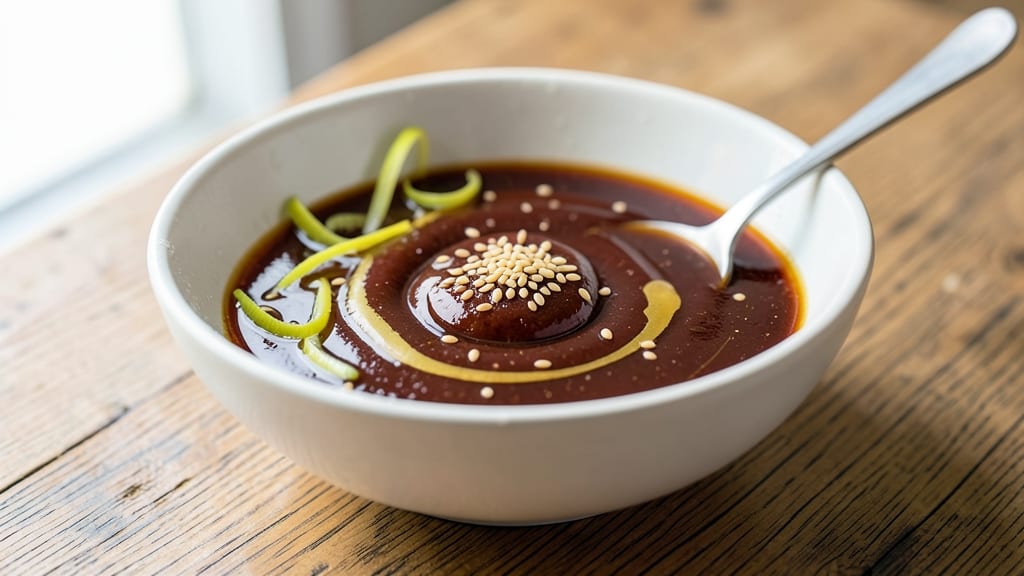
This copycat teriyaki sauce recipe delivers the same velvety-thick glaze you crave from your favorite takeout spot—without the mystery ingredients. ✨ The secret lies in balancing sweetness, umami, and a touch of tang through precise simmering and reduction, creating a sauce that works as a marinade, glaze, or dipping sauce.
I perfected this version after years of testing, ensuring it’s foolproof with pantry staples you likely already own.
The foundation of great teriyaki sauce is a simple combination of soy sauce, sugar, and mirin, but the magic happens during the slow reduction. This process transforms a thin mixture into a glossy, velvet-thick glaze that clings beautifully to grilled chicken, fish, or vegetables.
Unlike store-bought versions, this recipe avoids artificial additives while delivering that signature sweet-savory depth you love.
What sets this sauce apart is its versatility—use it as a glazing sauce for broiled salmon or pork chops, a marinade for tenderizing tough cuts, or a dipping sauce for spring rolls.
The consistency is easy to adjust, so you can achieve that perfect balance between thick enough to coat and thin enough to drizzle. Once you taste the difference, you’ll never go back to bottled teriyaki again.
Ready in just 30 minutes, this sauce requires minimal effort but maximum flavor. The ingredients are simple, and the instructions are straightforward, making it perfect for weeknight dinners or meal prep. Let’s get started on creating a sauce that rivals your favorite restaurant’s version—without the guesswork.
Ingredients for copycat teriyaki sauce
Nine simple ingredients transform into a restaurant-quality teriyaki glaze that's thicker than store-bought.
| Ingredient | Amount | Notes |
|---|---|---|
| Soy Sauce 🍶 | ½ cup | High-quality, preferably Japanese |
| Granulated Sugar 🍚 | ½ cup | White or brown, packed lightly |
| Mirin 🍶 | ¼ cup | Sweet rice wine, not mirin substitute |
| Water 💧 | ¼ cup | Room temperature preferred |
| Sesame Oil 🫒 | 1 tbsp | Toasted, for aroma |
| Fresh Ginger 🧅 | 1 tbsp | Finely grated, aromatic |
| Garlic Cloves 🧄 | 3 cloves | Minced, for umami depth |
| Cornstarch 🌾 | 1 tbsp | Slurry with 2 tbsp water |
| Diamond Crystal Kosher Salt 🧂 | ½ tsp | For seasoning balance |
| Black Pepper 🌶️ | ¼ tsp | Freshly cracked, subtle heat |
The Japanese soy sauce is non-negotiable here—Kikkoman or Hondashi deliver that authentic umami punch. Mirin isn't just sweetener; it's the secret to that signature tang. Trader Joe's carries a solid version, but if you're near an Asian market, grab the sweet mirin (not the cooking mirin substitute). The ginger and garlic need to be fresh—no jarred shortcuts. For ginger, peel the skin off first (use a spoon to scrape), then grate. The garlic? Four cloves total, but if you're garlic-averse, two will work. Sugar is where you can play—brown sugar adds subtle molasses notes, but white keeps it classic.
No mirin? Substitute 2 tbsp honey plus 1 tbsp rice vinegar—it won't be identical, but it'll work in a pinch. Sesame oil missing? Toast 1 tsp sesame seeds in a dry pan and grind them into a powder, then whisk into the finished sauce. For a thicker glaze, reduce the water to 2 tbsp instead. The cornstarch slurry is key—Diamond Crystal kosher salt dissolves better than table salt, so if that's all you have, use half the amount. Want extra depth? Add 1 tsp fish sauce (trust me on this) or a dash of white miso paste for umami bombs.
This sauce keeps beautifully—1 week in the fridge or 6 months frozen. For freezing, portion into ice cube trays first, then transfer to a bag. Reheat gently in a saucepan over medium-low, stirring constantly. The first batch? Use it immediately on grilled chicken or salmon—it's at its peak. Store-bought teriyaki? Toss it. This version clings like a dream, caramelizes perfectly, and tastes like it came from a 5-star takeout spot. Make a double batch; you'll want it on everything.
Why You'll Love This Recipe
- Here’s what sold me: the sugar caramelizes just enough to cut through the soy’s saltiness, while the mirin adds this bright, almost citrusy lift. It’s not too sweet, not too salty—just right, like a perfect hug for your proteins.
- Pantry Magic: I swear by this—just five ingredients, no fancy tools. The sugar and mirin dissolve in seconds while I stir, and that sesame oil finish? Instant restaurant vibes without the takeout price.
- Sweet-Savory Balance: Here’s what sold me: the sugar caramelizes just enough to cut through the soy’s saltiness, while the mirin adds this bright, almost citrusy lift. It’s not too sweet, not too salty—just right, like a perfect hug for your proteins.
- Weeknight Workhorse: I make a double batch every Sunday because it glides onto grilled chicken, roasted veggies, or even stir-fried noodles. Freezes beautifully too, so I’m never scrambling for sauce when Tuesday hits.
Step-by-step instructions for copycat teriyaki sauce
Here's how to create that signature restaurant-quality glaze—rich, glossy, and perfectly balanced.
🍳 Step 1: Build the Flavor Base
In a medium saucepan, combine the 0.5 cup soy sauce, 0.5 cup granulated sugar, 0.25 cup mirin, and 0.25 cup water. Place the pan over medium-high heat and bring to a gentle boil, stirring occasionally to help the sugar dissolve completely. You'll see the mixture bubble vigorously—this is when the flavors start melding together.
I like to press the 1 tbsp fresh ginger and 3 cloves garlic through a fine-mesh strainer directly into the pan while it's heating. This infuses the sauce with aromatic depth without any visible texture. Let it simmer uncovered for 5-7 minutes until the mixture reduces by about 25% and becomes syrupy. You'll notice the aroma intensify—that's your cue the ginger and garlic are releasing their full potential.
🔥 Step 2: Thicken and Add Depth
In a small bowl, whisk together the 1 tbsp cornstarch with 2 tablespoons water to create a smooth slurry. This is your thickening agent—critical for that signature teriyaki consistency. Once your sauce has reduced, slowly pour the cornstarch slurry into the pan while stirring constantly with a wooden spoon.
Return the heat to medium and let the sauce simmer for 3-4 minutes until it reaches a velvet-thick, glossy consistency. You're aiming for a sauce that coats the back of a spoon but still flows smoothly. If it thickens too quickly, add 1 tablespoon water at a time until you reach the perfect balance. The sauce should be thick enough to cling to proteins but still drizzle gracefully.
👨🍳 Step 3: Finish with Aromatics and Seasoning
Remove the pan from heat and stir in the 1 tbsp sesame oil, 0.5 tsp diamond crystal kosher salt, and 0.25 tsp black pepper. The sesame oil adds that distinctive nutty aroma that elevates the sauce from good to exceptional. Taste and adjust seasoning—you might need a touch more soy sauce for saltiness or a pinch more sugar to balance acidity.
Let the sauce sit off heat for 5 minutes to fully meld. This resting period allows all the flavors to harmonize. The sauce will continue thickening slightly as it cools, so don't worry if it looks perfect in the pan—it'll be just right when you're ready to use it. For best results, use immediately over grilled meats, roasted vegetables, or noodles.
⏰ Step 4: Optional Glaze Enhancement
For an extra glossy finish, return the sauce to low heat and add 1 tablespoon water at a time until you achieve a drizzling consistency. This step is particularly useful if you're using the sauce as a glaze for meats. The sauce should coat the back of a spoon but still flow freely when drizzled.
I often brush this enhanced version over grilled chicken or salmon just before serving. The high heat of the grill will caramelize the sugars beautifully, creating those coveted charred spots. For storage, let the sauce cool completely, then transfer to an airtight container where it'll keep in the refrigerator for up to 2 weeks or freeze for 3 months.
Pro Tips For Making Copycat Teriyaki Sauce
- STIR CONSTANTLY AT FIRST: The first 2 minutes of simmering are where the sugar caramelizes—if you walk away, you’ll end up with grainy bits instead of a smooth sauce. I learned this the hard way after scraping burnt sugar off my pan for the third time.
- USE COLD WATER FOR DISSOLVING SUGAR: Dump that sugar straight into hot liquid, and you’ll get lumps. Instead, mix the granulated sugar with a splash of cold water first, then add it to the simmering soy and mirin. This isn’t just a trick—it actually makes the sauce silky.
- SIMMER LOW AND SLOW: High heat turns teriyaki sauce bitter. Once it’s bubbling, drop the heat to a gentle simmer and let it cook uncovered for 10–15 minutes. Rushing it makes the mirin evaporate too fast, leaving a flat, salty mess.
- SKIP THE SESAME OIL UNTIL THE END: Add sesame oil early, and its nutty aroma burns off. Stir it in during the last 30 seconds of cooking—just enough to coat the sauce. This keeps the flavor bright and aromatic, not smoky or lost.
Creative variations of this recipe
Spicy Teriyaki Kick
For a bold twist, add 1 tbsp gochujang (Korean chili paste) when you combine the soy sauce, sugar, and mirin.
Simmer it right into the base before reducing—this adds a smoky, spicy depth that pairs perfectly with grilled chicken or beef. 🌶️ If you prefer heat control, start with ½ tbsp and adjust to taste. The gochujang also introduces subtle fermented notes that elevate the umami profile.
Honey-Glazed Variation
Swap the granulated sugar for ½ cup honey and reduce the mirin to 2 tbsp to create a sweeter, more fluid glaze. This version works beautifully as a dipping sauce for spring rolls or as a glaze for roasted vegetables.
For extra richness, stir in 1 tsp vanilla extract during the final step—it adds a floral note that complements the caramelized honey.
Umami Bomb Addition
Boost the depth with 1 tbsp fish sauce or 1 tsp white miso paste added during the final seasoning step. Fish sauce brings a salty, fermented punch, while miso adds a creamy, earthy complexity.
Both work exceptionally well with grilled shrimp or pork. I recommend using Red Boat fish sauce for the cleanest flavor profile.
Low-Sodium Adaptation
For a lighter version, reduce the soy sauce to ¼ cup and add 2 tbsp coconut aminos to maintain umami without excess salt. This adaptation is perfect for heart-healthy diets but still delivers that signature teriyaki flavor.
Balance the reduced saltiness with an extra ½ tsp garlic powder and ¼ tsp smoked paprika for depth.
Sweet Chili Fusion
Combine 1 tbsp chili garlic sauce (like Cholula) with the finished teriyaki sauce for a sweet-spicy fusion. This variation works brilliantly as a glaze for grilled pork chops or as a dipping sauce for egg rolls.
For extra heat, add ½ tsp cayenne pepper during the final seasoning step. The chili garlic sauce adds a tangy kick that cuts through the sweetness beautifully.
Creamy Sesame Twist
Stir in 1 tbsp tahini and 1 tsp rice vinegar during the final seasoning step to create a creamy, nutty variation. This version pairs exceptionally well with grilled tofu or vegetables.
For extra richness, whisk in 1 tbsp coconut cream at the end—it adds a velvety texture that balances the tangy notes. This twist is perfect for those who love a smoother, more luxurious teriyaki experience.
Nutrition facts
Frequently asked questions
Can I make this teriyaki sauce without mirin?
Replace the 0.25 cup mirin with 2 tbsp honey plus 1 tbsp rice vinegar for a similar sweet-tangy balance. The honey adds sweetness while the vinegar provides acidity. For extra depth, add 1 tsp grated lemon zest to mimic mirin's brightness.
How do I adjust the thickness of the sauce?
For a thicker glaze, simmer longer or add 1 tbsp cornstarch slurry (mix 1 tsp cornstarch with 1 tbsp water). For a thinner drizzle, whisk in 1-2 tbsp water at the end. The ideal consistency coats the back of a spoon but still drizzles smoothly.
Can I use this sauce as a marinade?
Yes! Use this teriyaki sauce as a marinade for 30 minutes to 2 hours for delicate proteins (fish, shrimp) or 4-6 hours for tougher cuts (chicken thighs, pork chops). The sauce's natural sugars tenderize meat while infusing flavor. Always reserve 2 tbsp for basting during cooking.
Why did my sauce turn grainy or separate?
This usually happens from too-rapid heating or insufficient stirring. Keep heat at medium and stir constantly during reduction. If it separates, whisk in 1 tsp warm water to smooth it out. For future batches, ensure all sugar is fully dissolved before adding cornstarch.
How long will homemade teriyaki sauce last?
Store in an airtight container in the fridge for up to 2 weeks or freeze for 3 months. For freezing, portion into ice cube trays first—this makes thawing easier. Reheat gently over low heat or in the microwave (stirring to prevent skin formation).