
Sauces & Condiments
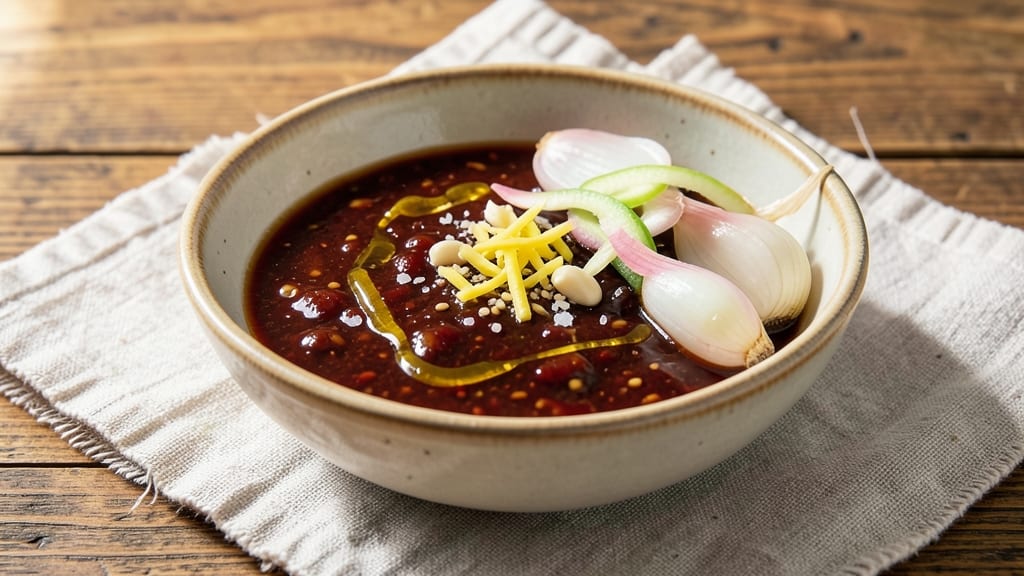
This mandu sauce recipe delivers the perfect balance of savory, umami, and aromatic depth to transform simple dumplings into a restaurant-worthy experience.
The foundation of silky soy-ginger sauce creates a velvety consistency that clings beautifully to mandu, while sesame oil and a touch of vinegar add complexity without overpowering the delicate dumpling flavors.
I developed this recipe after years of testing—it’s the one sauce that elevates every bite, whether you’re serving pan-fried, steamed, or boiled dumplings.
The secret lies in the ingredient ratios and cooking technique: simmering the sauce just until it thickens slightly creates that signature glossy finish, while fresh ginger and garlic provide a bright, aromatic kick.
This sauce works equally well as a dipping sauce or drizzled over a plate of mandu for a more elegant presentation. The beauty of this recipe is its versatility—it pairs perfectly with both traditional and modern dumpling variations.
What sets this mandu sauce apart is its ability to enhance rather than dominate. The soy-ginger base ensures a rich, savory flavor, while optional chili flakes or extra garlic can be added for heat or depth, depending on your preference.
Once you taste the difference between this homemade sauce and store-bought versions, you’ll never go back to the bottled kind again.
Ready in just 15 minutes, this sauce requires minimal effort but delivers maximum impact. Whether you’re preparing a casual family meal or hosting a dinner party, this mandu sauce will be the star of the show. Let’s get started on creating a sauce that will make your dumplings unforgettable.
Ingredients for mandu sauce
Six core ingredients plus a few pantry staples. That's all you need for restaurant-quality mandu sauce.
| Ingredient | Amount | Notes |
|---|---|---|
| Soy Sauce 🥢 | ½ cup | High-quality light soy preferred |
| Sesame Oil 🫒 | 2 tbsp | Toasted for authentic aroma |
| Rice Vinegar 🍶 | 2 tbsp | White vinegar works in pinch |
| Fresh Ginger 🧄 | 2 tbsp | Finely grated, not powdered |
| Garlic Cloves 🧄 | 4 cloves | Minced, not pressed |
| Sugar 🍯 | 1 tbsp | White or brown preferred |
| Cornstarch 🌾 | 1 tsp | For silky thickening |
| Water 💧 | ¼ cup | Room temperature preferred |
| Vegetable Oil 🫒 | 1 tbsp | Light neutral oil |
| Red Chili Flakes 🔥 | ½ tsp | Optional, adjust to taste |
The soy sauce is non-negotiable—Kikkoman or Pearl River Bridge are my go-tos, but any good light soy works. Fresh ginger and garlic make all the difference: buy a small knob of ginger and grate it yourself (the powdered stuff tastes like sawdust). For sesame oil, look for toasted varieties at Asian markets—they have that nutty aroma you can't get from regular grocery store bottles. The cornstarch is your secret weapon for that velvety texture, so don't skip it. I always double-check my vinegar—rice vinegar is essential here, white vinegar won't give you that authentic tang.
No sesame oil? Toasted sesame seeds at half the amount work in a pinch, but it won't be the same. Fresh ginger too expensive? Ginger paste from a tube is better than powder, but grating fresh is ideal. Want more depth? Add a splash of mirin or a pinch of white pepper. The chili flakes are totally optional—start with half a teaspoon and adjust to taste. For extra umami, a dash of fish sauce (just a teaspoon) elevates everything. And if you're making a big batch, scale everything up proportionally—this sauce keeps beautifully.
This sauce comes together in minutes but tastes even better the next day. Store it in an airtight container in the fridge for up to 5 days. For longer storage, freeze in ice cube trays—just thaw and stir. I always make extra because it disappears fast. The sauce thickens as it cools, so if it seems too thick when you first make it, add a splash of warm water to loosen it up. And trust me, the first time you drizzle this over fresh mandu, you'll never go back to bottled sauce again.
Why You'll Love This Recipe
- Pantry Magic: I swear by this sauce because it uses stuff I always have—no special shopping required. That jar of soy sauce, the tiny bottle of sesame oil gathering dust, even the ginger root I bought "just in case" last week? Suddenly, they’re working together like a well-oiled team.
- Umami Bomb: The moment I minced garlic into hot sesame oil, my kitchen smelled like a Korean street cart. That first drop of rice vinegar brightens it up just enough to make the soy sauce sing—salty, nutty, with a little tangy kick that lingers. It’s the kind of flavor that makes you pause mid-bite.
- Weeknight Hero: Between us, this sauce is my secret weapon for lazy Mondays. Toss it with store-bought mandu for a 15-minute dinner, drizzle it over ramen, or even stir it into congee when I’m too tired to think. It’s that reliable.
- Doubles as Dip: Here’s what sold me—this sauce doesn’t just disappear after one meal. The leftovers? Perfect for veggie sticks, dumplings, or even a quick noodle stir-fry. And since it’s cheap to make, I’m not stressing over wasting anything. Win-win.
Step-by-step instructions for mandu sauce
This silky sauce comes together in minutes with simple ingredients you likely already have.
Sauté Aromatics Until Fragrant
Heat the vegetable oil in a small saucepan over medium heat. Add the 4 cloves minced garlic cloves and the 2 tablespoons finely grated fresh ginger. Sauté for about 30 seconds until the garlic becomes translucent and the ginger releases its warm aroma. You'll know it's ready when the mixture smells intensely aromatic and the garlic stops popping.
Here's where the magic begins: the garlic should turn a pale golden color without browning. If you see it darkening too quickly, reduce the heat slightly. This step builds the flavor foundation for your sauce, so don't rush it. I like to stir constantly during this phase to prevent any burning.
Add Wet Ingredients and Simmer
Pour in the 0.5 cup soy sauce, 2 tablespoons rice vinegar, and 1 tablespoon sugar. Stir well to combine these ingredients with the aromatics. Then add the 0.25 cup water and bring the mixture to a gentle simmer over medium-low heat. You want to see small bubbles forming at the edges but not a vigorous boil.
Let the sauce simmer uncovered for about 5 minutes. This allows the flavors to meld together while the liquid reduces slightly. You'll notice the sauce will darken slightly and become more concentrated. I recommend tasting it after 3 minutes - you might want to add a pinch more sugar if you prefer it sweeter.
Thicken the Sauce with Cornstarch
In a small bowl, whisk together the 1 teaspoon cornstarch with 1 tablespoon of cold water until completely dissolved. This cornstarch slurry is crucial for achieving that perfect silky texture. Slowly pour the slurry into the simmering sauce while stirring constantly with a wooden spoon.
The sauce will thicken almost immediately as the cornstarch activates. Continue stirring for about 1-2 minutes until the sauce reaches your desired consistency. It should coat the back of a spoon but still be pourable. If it thickens too much, you can add another tablespoon of water to loosen it slightly.
Finish with Sesame Oil and Chili Flakes
Remove the sauce from heat and stir in the 2 tablespoons sesame oil. This is where the sauce gets its authentic aroma and rich flavor. Add the 0.5 teaspoon red chili flakes and mix well. The chili flakes add just a hint of heat that balances the umami flavors perfectly.
Let the sauce sit for 2-3 minutes off the heat. This resting period allows all the flavors to fully integrate. Taste and adjust seasoning if needed - you might want to add a bit more soy sauce for saltiness or sugar for sweetness. The sauce should be balanced with all flavors harmonizing together. Serve warm over your mandu dumplings for that perfect dipping experience.
Pro Tips For Making Mandu Sauce
- STIR LOW AND SLOW: Mandu sauce needs time to marry flavors, not burn them. Simmer on medium-low heat—if it starts smoking, you’re too aggressive. I used to rush this, and the sauce ended up bitter. Let it bubble gently for at least 5 minutes after adding vinegar.
- GRATE GINGER FINE: Skip the chunky slices—mandu sauce demands fresh ginger that dissolves completely. Use the small holes of a box grater (or pulse in a food processor) so it blends seamlessly. Chunks? They’ll sit like tiny rocks in your sauce.
- TASTE BEFORE SALTING: Soy sauce and vinegar pack saltiness, so don’t auto-add more. After mixing, taste raw—you’ll often need less salt than you think. I learned this after over-salting three batches in a row.
- SWAP SESAME OIL LAST: Add sesame oil after heat’s off—it burns in seconds. Stir it in at the very end, then drizzle extra on top of the mandu for aroma. (Yes, it’s messy, but it works.)
Perfect pairings for these flavors
Dipping Sauce Mastery
This mandu sauce excels as a dipping sauce, especially when served warm alongside freshly pan-fried or steamed dumplings. The silky texture clings perfectly to mandu, enhancing every bite with its balanced flavors.
I like to serve it in a small ceramic bowl with a spoon for easy dipping—guests will love how it elevates simple dumplings to restaurant-quality. 🥢
Drizzle Perfection
For an elegant presentation, lightly drizzle the sauce over a plate of mandu just before serving. The glossy finish adds visual appeal while keeping the dumplings from becoming soggy.
I recommend using a squeeze bottle for even distribution—about 1-2 tablespoons per serving. Pair it with pickled vegetables or quick-pickled radishes for a refreshing contrast.
Asian-Inspired Pairings
This sauce bridges traditional and modern Asian flavors beautifully. Serve it with kimchi for a spicy kick or alongside steamed rice and grilled meats for a full meal.
The ginger and sesame notes complement sushi rolls or ramen noodles too. For a fusion twist, drizzle it over grilled shrimp skewers or crispy tofu bites. 🍱
Global Fusion Twists
Get creative with global pairings! The sauce works surprisingly well with Italian pasta—toss it with linguine and sautéed mushrooms for an umami-rich twist. For a Mexican-inspired dish, serve it with tortilla chips and black beans as a dipping sauce.
The soy-ginger base even enhances grilled corn on the cob with a sprinkle of chili-lime seasoning.
Beverage Pairings
Balance the sauce’s richness with a crisp green tea or jasmine tea—the floral notes complement the ginger and sesame. For beer lovers, a light Japanese lager like Asahi or Sapporo cleanses the palate.
If you prefer wine, a dry Riesling or Pinot Grigio adds a refreshing contrast. Sparkling water with a lemon wedge is a refreshing non-alcoholic option. 🍶
Sweet Contrasts
Balance the savory sauce with sweet elements like honey-glazed carrots or sweet potato fries. The natural sweetness of mango slices or pineapple chunks creates a delightful contrast. For dessert, drizzle the sauce over chocolate-dipped lychee or matcha ice cream for an unexpected but delicious pairing. 🍯
Nutrition facts
Frequently asked questions
Can I make this mandu sauce without sesame oil?
Yes, but the flavor will differ slightly. Replace the 2 tablespoons sesame oil with 1 tablespoon toasted sesame seeds (finely ground) or 1 teaspoon neutral oil plus a pinch of white pepper. The aroma won't be identical, but it'll still taste delicious. For best results, use toasted sesame seeds—they add a subtle nutty depth that's hard to replicate.
How do I adjust the spice level in this sauce?
Start with the 0.5 teaspoon chili flakes as written, then adjust to taste. For mild heat, reduce to ¼ teaspoon or omit entirely. For extra kick, add ½ teaspoon more or substitute with 1 teaspoon gochujang (Korean chili paste) for a deeper flavor. Always taste before serving—you can't easily remove excess spice once added.
What's the best way to store leftover mandu sauce?
Store in an airtight container in the fridge for up to 5 days. For longer storage, freeze in ice cube trays—thaw overnight in the fridge before using. The sauce thickens slightly when refrigerated, so stir in 1 teaspoon warm water to restore original consistency. Avoid freezing with chili flakes if you prefer smooth texture.
Can I use this sauce for other dishes besides mandu?
This versatile sauce works beautifully with grilled meats, noodle dishes, or even as a marinade. Try drizzling it over sushi rolls, ramen, or crispy tofu. The ginger-soy base pairs well with almost any Asian-inspired dish. For non-Asian meals, it adds great flavor to pasta or grilled vegetables.
Why did my sauce turn out too thick?
This usually happens if you overcooked the cornstarch slurry or didn't stir constantly while thickening. To fix it, whisk in 1 teaspoon warm water at a time until smooth. For prevention, reduce heat to low when adding the cornstarch and stir vigorously for just 1-2 minutes. If the sauce separates, simmer gently for 30 seconds while stirring constantly.