
Sauces & Condiments
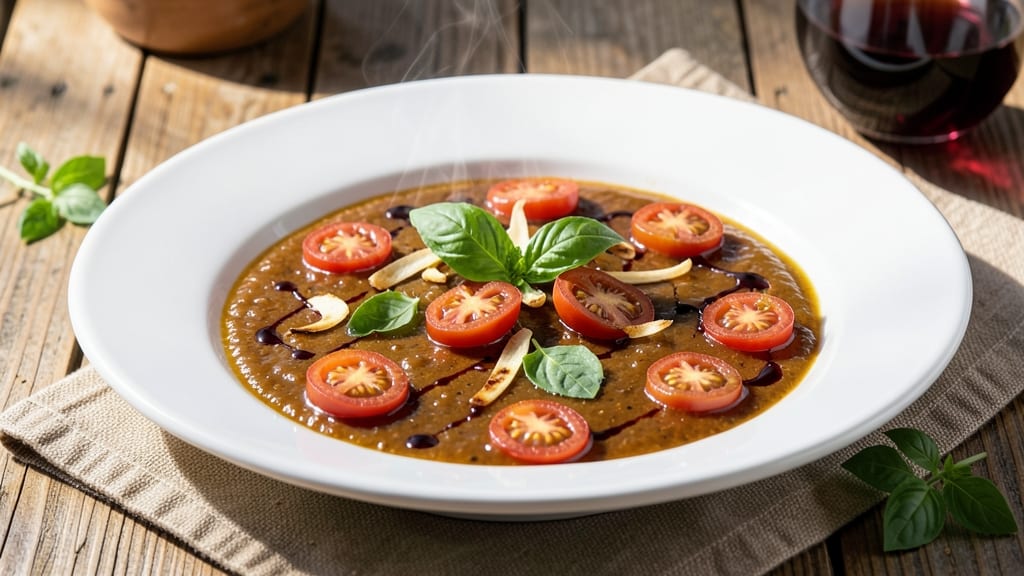
The Livornese sauce recipe transforms simple ingredients into a bold, umami-rich tomato sauce that elevates any pasta dish with its signature depth.
This traditional Italian sauce relies on a delicate balance of anchovies, garlic, and olive oil—where the anchovies dissolve into the tomatoes, creating a savory backbone that’s both subtle and transformative.
I’ve perfected this method over years of testing, ensuring the sauce remains vibrant, never bitter, and perfectly balanced for modern tastes.
The beauty of Livornese sauce lies in its simplicity: just a handful of ingredients—ripe tomatoes, anchovies, garlic, olive oil, and fresh herbs—come together through gentle cooking to create a sauce that’s rich yet light.
The key is low-and-slow simmering, which allows the flavors to meld without overpowering the natural sweetness of the tomatoes. This sauce isn’t just for pasta; it’s a versatile condiment that enhances grilled meats, roasted vegetables, or even as a marinade for seafood.
What you’ll achieve is a perfect sauce with a velvety texture and layers of umami that linger on the palate. The anchovies provide a deep, salty complexity, while the garlic and herbs add brightness and freshness.
Unlike many tomato sauces, Livornese stays true to its roots—authentic yet adaptable, with room for modern twists like capers or chili flakes if you’re feeling adventurous. The result is a sauce that feels both nostalgic and fresh, ready to turn an ordinary meal into something extraordinary.
Once you’ve mastered the technique, you’ll find this sauce keeps beautifully in the refrigerator for up to a week, allowing you to build flavor over time.
Whether you’re serving it over spaghetti, drizzling it over grilled fish, or using it as a base for a hearty stew, Livornese sauce delivers restaurant-quality results with minimal effort. Let’s get started on creating this timeless Italian classic.
Ingredients for livornese sauce
Nine essential ingredients crafting a sauce as bold as its Italian roots.
| Ingredient | Amount | Notes |
|---|---|---|
| Extra-Virgin Olive Oil 🫒 | ½ cup | High-quality, fruity variety preferred |
| Anchovy Fillets in Oil 🐟 | 4 whole | High-quality, salt-packed preferred |
| Garlic Cloves 🧄 | 4 cloves | Freshly minced, not pre-minced |
| Ripe Roma Tomatoes 🍅 | 2 lbs | Hand-crushed for best texture |
| Fresh Basil Leaves 🌿 | ½ cup | Packed, stems removed |
| Red Wine Vinegar 🍷 | 1 tbsp | For brightness, optional but recommended |
| Diamond Crystal Kosher Salt 🧂 | 1 ½ tsp | Adjust to taste, not pre-salted |
| Freshly Ground Black Pepper 🌶️ | ½ tsp | Freshly cracked for best flavor |
| Capers 🥒 | 1 tbsp | Optional for modern twist |
| Red Chili Flakes 🌶️ | ½ tsp | Adjust for heat preference |
The anchovies are non-negotiable—they’re the soul of Livornese. Penzeys or high-quality Italian brands dissolve beautifully into the tomatoes, creating that signature umami depth. Skip the cheap canned anchovies (they’re bitter and grainy). For tomatoes, Roma or San Marzano are ideal—they’re meaty and sweet, not watery like slicing tomatoes. I grab mine from Trader Joe’s when they’re in season, but any farmers market will have great options. Fresh basil is a must—dried won’t cut it here. If you’re using the oil-packed anchovies, drain them well but save that oil for the sauce—it’s packed with flavor. The garlic? Freshly minced, not pre-minced—that’s a game-changer for aroma.
No anchovies? High-quality fish sauce at half the amount works in a pinch, though it won’t be identical. Short on tomatoes? Tomato paste plus water gets you close, but you’ll lose some freshness. The vinegar is optional but adds a nice tang—substitute lemon juice if you prefer. Want to skip the capers? Extra black pepper or a pinch of smoked paprika adds depth. For heat lovers, crushed red pepper flakes are better than chili flakes—they’re finer and more controllable. The olive oil must be extra-virgin—anything less tastes flat. If you’re feeling adventurous, a splash of white wine during cooking adds complexity, but it’s not traditional.
This sauce gets better with time—plan to simmer for at least 45 minutes. Store in an airtight container with a thin layer of olive oil on top to preserve freshness. Keeps for up to 1 week in the fridge, or 3 months frozen. I always make double batches—it disappears fast over pasta, grilled fish, or even as a marinade. The flavor deepens overnight, so wait until the next day if you can. Freeze in ice cube trays for single-use portions—perfect for quick meals.
Why You'll Love This Recipe
- Five-Minute Start: I swear, the hardest part is peeling those anchovies—once they’re in, it’s just simmering. No chopping, no blending, just garlic sizzling in olive oil until the tomatoes join the party.
- Umami Bomb: That first bite of salty, sweet, garlicky sauce? It’s like a flavor explosion. The anchovies melt into the tomatoes, and the basil ties it all together—simple, but ridiculously good.
- Pasta’s Best Friend: Drizzle it over spaghetti, toss it with grilled fish, or slather it on crusty bread—this sauce adapts to everything. Honestly, I’ve even used it in omelets (don’t judge).
- Budget Magic: A jar of anchovies and a handful of tomatoes stretch this sauce across three meals. Freeze leftovers, and you’ve got a week’s worth of flavor without breaking the bank.
Step-by-step instructions for Livornese sauce
This sauce delivers bold, briny depth with a perfect balance of sweetness and acidity—every step ensures restaurant-quality results.
Render Anchovies and Build the Base
Heat the 0.5 cup extra-virgin olive oil in a heavy-bottomed saucepan over medium-low heat. Add the 4 whole anchovy fillets in oil, breaking them into small pieces as they melt. Stir constantly for 3-4 minutes until the anchovies completely dissolve into the oil—this creates the sauce's signature umami foundation. The oil should turn cloudy and develop a rich, salty aroma.
Here's the thing—don't rush this step. If the oil starts to smoke, reduce the heat immediately. The anchovies need time to render fully without burning. Once dissolved, you'll have a concentrated, salty base that carries through the entire sauce. This is where the magic begins, so take your time.
Sauté Garlic and Tomatoes
Add the 4 cloves freshly minced garlic cloves to the anchovy oil and cook for 1-2 minutes until fragrant but not browned. You want the garlic to perfume the oil without developing bitterness—just a subtle golden hue. Immediately add the 2 lbs ripe Roma tomatoes, crushed by hand to remove seeds and skins. This texture control prevents a watery sauce later.
Simmer the tomatoes over medium heat for 15-20 minutes, stirring occasionally, until they break down into a thick, glossy consistency. The sauce should reduce by about half, with the oil separating slightly on top. This reduction concentrates the flavors and removes excess acidity. If the sauce looks too thick, add 1-2 tablespoons water to maintain balance—just enough to create a silky, velvety texture.
Season and Brighten the Sauce
Add the 1 tbsp red wine vinegar, 1.5 tsp diamond crystal kosher salt, 0.5 tsp freshly ground black pepper, 1 tbsp capers, and 0.5 tsp red chili flakes. Stir well and let the sauce simmer for 5-7 minutes until the vinegar's brightness mellows and the flavors meld. Taste and adjust seasoning—this is where you fine-tune the balance between saltiness, acidity, and heat.
Real talk: The capers and chili flakes are optional but transform the sauce. The capers add a briny, tangy contrast, while the chili flakes introduce subtle heat. If you prefer a milder version, omit the chili flakes or reduce them to ¼ tsp. The sauce should now have a deep, complex flavor with a smooth, almost syrupy consistency—ready to shine over pasta.
Finish with Basil and Rest
Remove the sauce from heat and stir in the 0.5 cup fresh basil leaves, packed and stems removed. The basil should wilt slightly as it releases its aromatic oils into the sauce. Let the sauce rest for 10 minutes at room temperature—this allows the flavors to fully integrate and the sauce to thicken slightly. The basil adds a fresh, herbal note that cuts through the richness of the anchovies and tomatoes.
I know it seems like a small detail, but this resting period is critical. It lets the sauce develop its final texture and depth. If you're serving immediately, keep the sauce warm over low heat, stirring occasionally to prevent skin formation. The result should be a glossy, velvety sauce with layers of umami, brightness, and freshness—perfect for tossing with al dente pasta.
Pro Tips For Making Livornese Sauce
- Sear the Anchovies: Drain those anchovy fillets completely—pat them dry with a paper towel first, then toast them in the olive oil for 10 seconds per side until they just turn opaque. I learned this the hard way: wet anchovies steam instead of melt, and you’ll end up with a sauce that tastes like fish broth rather than umami depth.
- Crush Garlic Like a Pro: Use a flat side of your knife to smash the garlic cloves directly in the pan after removing the skins—no chopping needed. This keeps the oil hot and infuses faster, plus you avoid burning bits that turn bitter. (Yes, even if you’re impatient like me.)
- Skin the Tomatoes First: Drop whole Roma tomatoes into boiling water for 30 seconds, then ice bath, peel, and crush by hand. The skins stay stubborn when raw, and skipping this step means a sauce with weird texture—like eating tomato pulp with a gritty surprise. Worth the extra 2 minutes.
- Simmer Low and Slow: After adding tomatoes, reduce heat to the lowest setting that keeps a gentle bubble—no splattering, no rushing. I used to crank it up, and the sauce would split or turn mealy. Let it cook for 20-25 minutes uncovered; the oil will emulsify naturally, and the basil will perfume the sauce without wilting into mush.
Flavor customization for this recipe
Classic Anchovy Depth
The foundation of Livornese sauce relies on 4 whole anchovy fillets dissolved in 0.5 cup extra-virgin olive oil—this is non-negotiable for that signature umami punch. I recommend using Penzeys brand or high-quality Italian anchovies packed in oil.
Start with 4 fillets for a balanced flavor, but if you're feeling adventurous, increase to 6 fillets for extra depth. The key is rendering them slowly over medium-low heat for 3-4 minutes until fully dissolved—rushing this step will leave a bitter aftertaste. 🐟
Bright Citrus Twist
For a modern take, swap the 1 tbsp red wine vinegar for 1 tbsp lemon juice plus ½ tsp grated lemon zest. This brightens the sauce while adding a subtle floral note that pairs beautifully with seafood.
I’ve found that Eureka lemons work best—they’re sweeter and more aromatic. Add the citrus after the tomatoes have reduced but before the basil, so the flavors meld without overpowering the umami base.
Spicy Heat Variations
Adjust the red chili flakes to your heat preference: ¼ tsp for a gentle warmth, ½ tsp for classic Livornese heat, or 1 tsp for a spicy kick. For a smoky alternative, replace the chili flakes with ½ tsp smoked paprika—this adds depth without sharpness.
If you love fresh heat, stir in 1 finely chopped Thai chili during the final simmer instead of dried flakes. The sauce’s natural sweetness balances the heat beautifully. 🌶️
Herb Swaps
While 0.5 cup fresh basil is traditional, try 0.25 cup chopped parsley for a fresher, slightly grassy note or 0.25 cup chopped mint for a Middle Eastern-inspired twist. For a Tuscan touch, add 1 tbsp chopped sage during the final simmer—it pairs wonderfully with the anchovies.
Always add herbs off-heat to preserve their vibrant color and aroma. The basil’s classic peppery bite remains my favorite, but these alternatives work beautifully with grilled meats.
Umami Boosters
Enhance the sauce’s depth with 1 tbsp soy sauce (for a Japanese-inspired fusion) or 1 tsp fish sauce (if you’re avoiding anchovies). For a vegetarian version, add 1 tbsp nutritional yeast plus ½ tsp smoked salt to mimic the umami.
I’ve also experimented with 1 tsp miso paste, which adds a creamy, fermented richness. Stir these in with the vinegar or lemon juice during the final seasoning phase. The sauce’s texture remains silky while gaining complex layers of flavor. 💡
Texture Tweaks
For a thicker sauce, simmer uncovered for an extra 5-10 minutes to reduce further. Need it thinner? Add 1-2 tablespoons water or pasta water during the final simmer.
For a creamy variation, stir in 2 tbsp crème fraîche or 1 tbsp mascarpone at the end—this works surprisingly well with the anchovy base. The sauce should coat the back of a spoon but still flow smoothly over pasta or meats.
Nutrition facts
Frequently asked questions
Why does Livornese sauce use anchovies if they're so strong?
Anchovies dissolve completely into the sauce, leaving behind only their umami-rich essence—not their fishy taste. The key is using high-quality fillets and rendering them slowly at low heat. When properly incorporated, they create a savory depth that enhances the tomatoes rather than overpowering them. Think of them as a flavor multiplier, not the star of the show.
Can I make Livornese sauce without anchovies?
Yes, but the flavor will be different. Use 1 tbsp fish sauce or 1 tbsp soy sauce as a substitute, but reduce the salt in the recipe by ½ tsp. For a vegetarian option, combine 1 tbsp nutritional yeast with ½ tsp smoked salt—it won't be identical, but it adds a similar savory note. The sauce will still be delicious, just missing that signature briny complexity.
How long should I simmer the sauce for best results?
The minimum simmer time is 45 minutes, but letting it cook for 1-2 hours develops deeper flavor. The sauce should reduce until it coats the back of a spoon but remains silky. Longer simmering also helps the anchovies fully integrate, creating that signature umami richness. If you're short on time, at least 45 minutes will give you a well-balanced sauce.
What's the best way to store leftover Livornese sauce?
Store in an airtight container with a thin layer of olive oil on top to preserve freshness. It keeps well in the refrigerator for up to 1 week, with flavors actually improving over time. For longer storage, freeze in ice cube trays or small portions—thaw overnight in the fridge before reheating. Never freeze the sauce with the basil added, as it will turn mushy.
Can I use canned tomatoes instead of fresh?
Yes, but choose high-quality San Marzano or crushed tomatoes in heavy syrup (not water-packed). Add 1 tbsp tomato paste to thicken and enhance flavor. Canned tomatoes work best when combined with ½ cup fresh tomato juice to maintain balance. The texture will be slightly different but still delicious—just avoid low-quality brands that are watery or overly acidic.