Sauces & Condiments
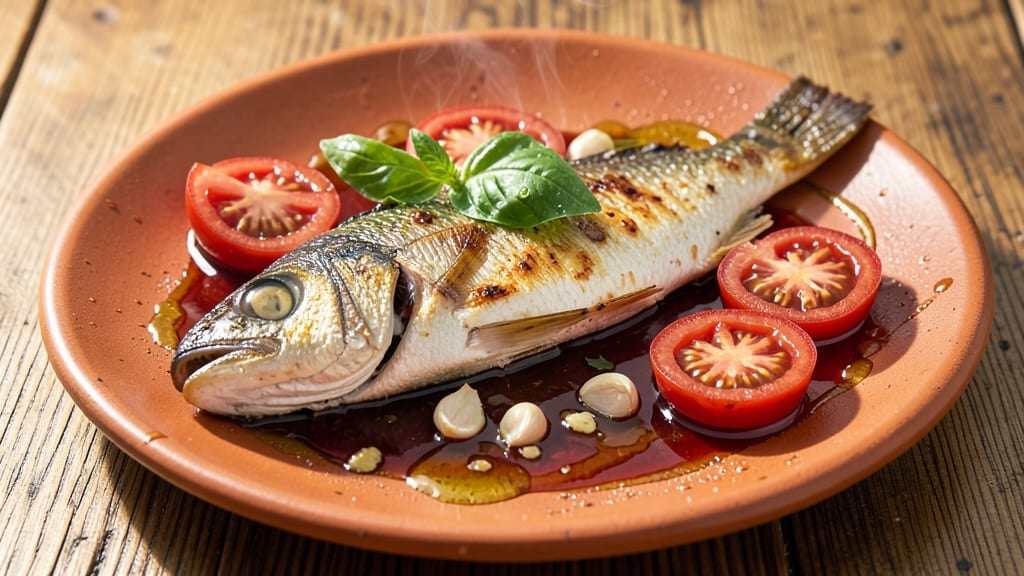
This fish with tomato sauce recipe transforms simple ingredients into a restaurant-worthy meal that comes together in just 30 minutes. The secret lies in balancing bright white wine, sun-ripened tomatoes, and fresh basil—a combination that elevates humble fish into something elegant yet approachable.
I developed this dish after years of testing Mediterranean techniques, and it never fails to impress even skeptical guests.
The foundation of this recipe is a foolproof tomato sauce that simmers just long enough to develop deep flavor without losing its natural brightness. While the sauce builds on the stovetop, the fish cooks quickly in the same pan, absorbing those aromatic herbs and wine-infused sauce.
This method ensures tender, flaky fillets every time—no overcooking or dry results here.
What you'll end up with is a plate that looks as impressive as it tastes: golden-brown fish topped with a vibrant, herby tomato sauce that clings beautifully to each bite.
The white wine adds a subtle acidity that cuts through the richness of the fish, while the basil brings freshness that makes this dish feel summery year-round.
Perfect for weeknight dinners or special occasions, this recipe serves four and pairs beautifully with crusty bread or a simple green salad. The best part? You'll have dinner on the table in less time than it takes to order takeout. Let's get cooking—your taste buds will thank you.
Ingredients for fish with tomato sauce
Bright white wine, sun-ripened tomatoes, and aromatic basil transform simple fish into an elegant Mediterranean masterpiece.
| Ingredient | Amount | Notes |
|---|---|---|
| White Wine 🍷 | ½ cup | Dry variety, like Sauvignon Blanc |
| High-Quality Olive Oil 🫒 | ¼ cup | Extra-virgin, fruity and peppery |
| San Marzano Tomatoes 🍅 | 1 lb | Crushed by hand, seeds removed |
| Garlic Cloves 🧄 | 4 cloves | Minced, fresh preferred |
| Fresh Basil Leaves 🌿 | ½ cup | Packed, stems removed |
| White Wine Vinegar 🍶 | 1 tbsp | For brightness and acidity |
| Diamond Crystal Kosher Salt 🧂 | 1 tsp | Fine grain preferred |
| Freshly Ground Black Pepper 🌶️ | ½ tsp | Coarsely cracked |
| Red Bell Pepper 🌶️ | ½ whole | Diced, seeds removed |
| Yellow Onion 🧅 | 1 whole | Finely diced, sweet variety |
| White Fish Fillets 🐟 | 1 ½ lb | Cod, halibut, or sea bass |
| All-Purpose Flour 🌾 | ¼ cup | For light dredging |
| Lemon Zest 🍋 | 1 tsp | From organic lemon |
| Freshly Grated Parmesan Cheese 🧀 | ¼ cup | From aged Parmigiano-Reggiano |
| Freshly Squeezed Lemon Juice 🍋 | 1 tbsp | For finishing touch |
The quality of your tomatoes and wine makes all the difference here. San Marzano tomatoes are the gold standard for their sweetness and low acidity, but any ripe vine-ripened tomatoes will work. For wine, opt for a crisp, dry white like Sauvignon Blanc or Pinot Grigio—avoid anything too oaky or heavy. Whole Foods Market and specialty wine shops often carry excellent options at reasonable prices. Fresh basil should be vibrant green with no yellowing; the stems should snap easily when bent. If using store-bought, avoid the pre-washed varieties—they tend to be less flavorful. For the fish, Whole Foods or local seafood markets offer the freshest cuts, but don't overlook the seafood counter at your regular grocery store. Look for fillets with a clean, ocean-like smell and firm texture.
No white wine on hand? Dry vermouth or apple cider vinegar can substitute in a pinch, though the flavor will differ slightly. Running short on fresh basil? Dried basil at one-third the amount works, but you'll lose that bright, fresh dimension. Substituting red bell pepper for other colors? Yellow or orange peppers will give a slightly sweeter profile. For the fish, if you can't find cod or halibut, tilapia or mahi-mahi will work, though they may require slightly less cooking time. The flour dredge is optional but helps create a light crust that seals in moisture. If you prefer a gluten-free option, cornstarch or almond flour can replace it. For the Parmesan, Parmigiano-Reggiano is non-negotiable—pre-grated cheese lacks the depth of flavor.
This sauce develops best when made fresh, but it reheats beautifully for up to 3 days in the refrigerator. Store it in an airtight container with a thin layer of olive oil on top to preserve freshness. The fish should be cooked and served immediately, but you can prepare the sauce up to 1 day in advance and reheat gently before adding the fish. For meal prep, consider making a double batch of sauce and freezing half in ice cube trays. Once frozen, transfer the cubes to a freezer bag where they'll keep for up to 3 months. When reheating, add a splash of water or wine to restore moisture and prevent the sauce from thickening too much.
Why You'll Love This Recipe
- One-Pan Magic: I swear by this—just toss everything in one skillet, and the wine and tomatoes do all the work while I sip my coffee. No chopping boards, no messy sauces, just a single pan that smells like a Mediterranean vacation by the time it’s done.
- Wine-Infused Magic: That splash of white wine isn’t just for show—it cuts through the richness of the olive oil and makes the sauce bright and silky. The San Marzano tomatoes? Sweet, juicy, and they melt into a sauce so good you’ll want to lick the pan.
- Weeknight or Guest Night: Same recipe, totally different vibes: throw it together for a lazy Tuesday or dress it up with crusty bread for unexpected company. The basil at the end? Fresh, bright, and makes it feel fancy without the fuss.
- Leftovers That Don’t Suck: Honestly, this tastes better the next day—like a cozy hug in a jar. Portion it out for lunches, freeze half for when you’re too tired to cook, or just reheat it with a sprinkle of basil for that same restaurant-quality bite.
Step-by-step instructions for white wine basil tomato fish
A vibrant, balanced sauce in 30 minutes—where bright acidity meets delicate fish.
Prepare the Tomato-Basil Base
Heat the 0.25 cup high-quality olive oil in a large skillet over medium heat. Add the 1 whole yellow onion and 0.5 whole red bell pepper, diced, cooking for 5-6 minutes until softened but not browned. The onion should become translucent, and the bell pepper should release its natural sweetness.
Add the 4 cloves minced garlic cloves and cook for 30 seconds until fragrant—don't let it brown, or it'll turn bitter. Stir in the 1 lb crushed San Marzano tomatoes (seeds removed), 1 tbsp white wine vinegar, 1 tsp diamond crystal kosher salt, and 0.5 tsp freshly ground black pepper. Simmer uncovered for 10 minutes until slightly thickened. The sauce should reduce enough to coat the back of a spoon while retaining its vibrant color.
Build Flavor with Wine and Aromatics
Pour in the 0.5 cup white wine and scrape up any browned bits from the pan—this releases maximum flavor. Let the wine simmer for 3-4 minutes until reduced by half, deepening its richness. Add the 0.5 cup packed fresh basil leaves and 1 tsp lemon zest, stirring gently to incorporate. The basil should wilt slightly, releasing its aromatic oils into the sauce.
Taste and adjust seasoning—this is your chance to balance acidity and salt. The sauce should be bright but not sharp, with a harmonious blend of sweetness from the tomatoes and acidity from the wine and vinegar. If it needs more depth, add a pinch of salt or a splash of water to loosen it.
Dredge and Cook the Fish
Pat the 1.5 lb white fish fillets dry with paper towels—this ensures a crispy crust. Place the 0.25 cup all-purpose flour in a shallow dish and lightly dredge each fillet, shaking off excess. Heat 1 tablespoon of the reserved olive oil in a separate skillet over medium-high heat until shimmering.
Cook the fish for 3-4 minutes per side until golden brown and just opaque in the center. The edges should lift easily from the pan, and the fish should flake gently when tested with a fork. Remove the fish and tent with foil to keep warm while you finish the sauce.
Finish the Sauce and Plate
Return the tomato-basil sauce to medium-low heat and stir in the 0.25 cup freshly grated Parmesan cheese until melted and smooth. Add the 1 tbsp freshly squeezed lemon juice and simmer for 1 minute to brighten the flavors. The sauce should now be velvety with a glossy sheen—if it's too thick, whisk in 1-2 tablespoons of water to reach a light coating consistency.
Divide the fish among plates, spooning the sauce generously over each fillet. Garnish with additional fresh basil leaves and a sprinkle of freshly ground black pepper. Serve immediately with crusty bread or over al dente pasta to soak up every last bit of the vibrant sauce.
Pro Tips For Making Fish With Tomato Sauce
- DEGLAZE IMMEDIATELY: As soon as you pull the fish out, pour that wine right into the pan while it’s still hot—no waiting. The heat helps dissolve the browned bits, turning them into a rich, velvety base for your sauce instead of letting them turn to bitter sludge. (Yes, even if you’re impatient like me.)
- PEEL THOSE TOMATOES: San Marzano tomatoes are sweet and meaty, but their skins can turn rubbery when cooked. Take the 30 seconds to peel them first—just blanch in boiling water for 10 seconds, shock in ice, then slip off the skins. Your sauce will be smoother, and you’ll skip the texture fight later.
- SALT THE WINE: After deglazing with white wine, let it reduce by half, then add a pinch of salt—about ¼ teaspoon. It balances the acidity and cuts through the fish’s natural oils, making the sauce taste more cohesive. (I learned this the hard way after a batch tasted flat.)
- BASTE WITH BASIL: Tear the basil leaves roughly and scatter them over the sauce in the last 2 minutes of cooking. If you add them too early, they’ll turn bitter. For extra flavor, use a spoon to drizzle the hot oil from the pan over the fish and basil right before serving—it’s like a little flavor bomb.
Dietary considerations for these flavors
Gluten-Free Adaptations
This recipe naturally accommodates gluten-free diets by omitting the flour dredge or substituting it with cornstarch or almond flour. For the sauce, ensure your San Marzano tomatoes and white wine are certified gluten-free—some brands process wine in facilities with gluten-containing additives.
I always double-check labels on Parmesan cheese too, as some pre-grated varieties contain anti-caking agents with gluten. 🌱
Dairy-Free Options
Skip the Parmesan cheese or replace it with nutritional yeast for a cheesy flavor without dairy. Nutritional yeast adds a savory, umami depth that works beautifully in the sauce. For extra richness, stir in 1 tablespoon of olive oil at the end to mimic the sauce's velvety texture.
Always verify that your white wine and tomato sauce ingredients are dairy-free, as some brands add milk solids.
Low-Carb Modifications
To reduce carbs, eliminate the red bell pepper and yellow onion from the sauce base or use cauliflower rice instead. For the fish, skip the flour dredge entirely or use crushed pork rinds for a crispy, low-carb crust.
The white wine and tomato sauce remain low-carb staples, so the dish stays under 10g net carbs per serving with these swaps.
Allergen Considerations
For seafood allergies, this recipe isn’t suitable—but if you’re accommodating shellfish allergies, ensure your fish is from a dedicated facility (cross-contamination risks exist in shared processing). For nightshade sensitivities, omit the red bell pepper and use zucchini or mushrooms instead.
Always check San Marzano tomatoes for nightshade warnings, though they’re generally safe in small amounts.
Vegetarian Swaps
While this recipe centers on fish, you can adapt it for vegetarians by replacing the fish with extra-firm tofu or mushroom medley. Press and pan-fry tofu in the same manner, or use portobello mushrooms for a meaty texture.
The tomato-basil sauce remains the star—just reduce the cooking time for tofu to 2-3 minutes per side to avoid drying.
Meal Prep Adaptations
Prepare the sauce ahead of time and store it in an airtight container in the fridge for up to 3 days or freeze it in ice cube trays for later use. Reheat gently with a splash of white wine or water to restore moisture.
For the fish, cook it fresh but keep the sauce separate until serving to maintain texture. This method ensures a 30-minute assembly when ready to eat. ✨
Nutrition facts
Frequently asked questions
Can I use canned tomatoes instead of fresh?
For convenience, use 1 (28 oz) can of crushed tomatoes (San Marzano if possible) and drain most of the liquid first. Simmer the sauce for an extra 5 minutes to reduce it properly. Add 1 tbsp tomato paste to deepen the flavor if needed. The texture will be slightly thicker but just as delicious.
What's the best white wine to use if I don't have Sauvignon Blanc?
Any crisp, dry white wine works—Pinot Grigio or Vermentino are excellent alternatives. Avoid sweet or oaky wines like Chardonnay. If you're completely out of wine, use dry vermouth or apple cider vinegar (reduce by half for similar acidity). The flavor will differ slightly but still work in a pinch.
How do I prevent the fish from sticking to the pan?
Pat the fish very dry with paper towels before dredging, and make sure your pan is properly heated with enough oil. A lightly oiled pan and medium-high heat create the perfect non-stick surface. If needed, add a splash of wine to deglaze the pan before adding the fish for extra insurance.
Can I make this sauce ahead of time?
Yes! The sauce actually improves overnight. Store it in an airtight container in the fridge for up to 3 days or freeze in ice cube trays for 3 months. When reheating, add a splash of water or wine to restore moisture. Cook the fish fresh day-of for best texture, but you can reheat the sauce separately.
What if my sauce tastes too acidic?
Balance it by adding a pinch of sugar (½ tsp) or a small pat of butter to round out the flavors. Alternatively, stir in 1 tbsp of heavy cream for richness. Taste as you go—the sauce should be bright but not overwhelmingly tart. A splash of lemon juice can also help refresh the balance.