
Sauces & Condiments
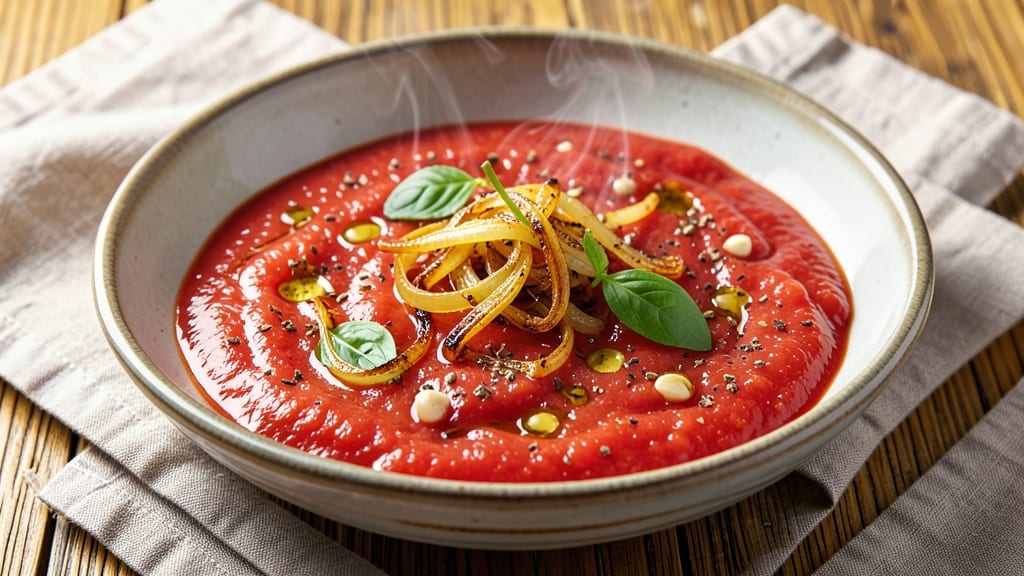
Gordon Ramsay's tomato sauce recipe transforms simple ingredients into a rich, umami-packed foundation for any Italian dish. The secret lies in slow simmering and precise seasoning—no shortcuts, just deep flavor that builds layer by layer.
I’ve perfected this version after years of testing, ensuring every spoonful delivers that restaurant-quality taste at home.
This sauce starts with a deep caramelized base from onions and garlic, then builds complexity through a blend of crushed tomatoes and fresh herbs. The key technique? A long, gentle simmer that reduces the sauce to a velvety consistency while concentrating flavors.
No heavy cream here—just pure tomato depth with a bright finish of fresh basil.
What makes this sauce exceptional is its versatility: use it as a pasta sauce, pizza topping, or even a bold dip for crusty bread.
The umami notes from garlic and herbs elevate it beyond basic marinara, while the fresh basil at the end adds a bright, aromatic finish that cuts through the richness. This is the kind of sauce that turns simple meals into something extraordinary.
Ready in just 45 minutes with minimal effort, this recipe delivers professional results without requiring advanced skills. The only tools you’ll need are a large pot and a wooden spoon—no blenders or fancy gadgets. Let’s get cooking.
Ingredients for gordon ramsay tomato sauce
Eleven ingredients. One pot. Restaurant-quality tomato sauce without the fuss.
| Ingredient | Amount | Notes |
|---|---|---|
| Extra-Virgin Olive Oil 🫒 | ½ cup | High-quality, fruity variety preferred |
| Yellow Onions 🧅 | 2 large | Finely diced, approximately 1.5 cups |
| Garlic Cloves 🧄 | 6 whole | Peeled and thinly sliced |
| Crushed Tomatoes 🍅 | 28 oz | High-quality canned San Marzano preferred |
| Fresh Basil Leaves 🌿 | ½ cup | Packed, stems removed |
| Dried Oregano 🍃 | 1 tsp | Mexican oregano for authentic flavor |
| Red Wine 🍷 | ½ cup | Bold dry red, like Chianti |
| Tomato Paste 🍅 | 2 tbsp | High-quality, no sugar added |
| Granulated Sugar 🍚 | 1 tsp | Balances acidity |
| Diamond Crystal Kosher Salt 🧂 | 1 tsp | Adjust to taste |
| Freshly Ground Black Pepper 🌶️ | ½ tsp | Freshly cracked for best flavor |
The foundation starts with San Marzano tomatoes—their sweetness and low acidity make all the difference. Whole Foods or specialty Italian markets carry the best cans, but any high-quality crushed tomatoes work in a pinch. Yellow onions should be sweet and firm, not shriveled. For garlic, fresh is non-negotiable—pre-minced garlic lacks depth. Extra-virgin olive oil matters here too; California or Italian varieties add subtle fruity notes that elevate the sauce. The red wine should be bold and dry—Chianti or Sangiovese work perfectly, but any dry red will do.
No red wine? Dry white wine or additional tomato paste works, though the umami depth will differ. Fresh basil is ideal, but dried basil at one-third the amount suffices in a pinch. For the tomato paste, avoid brands with added sugar—it throws off the balance. The sugar is crucial—it rounds out the acidity without making the sauce sweet. Diamond Crystal kosher salt dissolves completely, unlike table salt. Pre-minced garlic? Freshly sliced garlic builds layers of flavor you won’t get from a jar.
This sauce improves with time—reheat gently for the best texture. Store in an airtight container in the fridge for up to 5 days or freeze for 3 months. For freezing, portion into ice cube trays for easy single-use servings. The longer it simmers, the deeper the flavor—don’t rush it. The fresh basil should always be added at the end to preserve its bright aroma.
Why You'll Love This Recipe
- 20-Minute Magic: I swear by this sauce—just sweat onions in olive oil until they’re golden, add garlic, and let the crushed tomatoes simmer until thick. No peeling cans, no fuss, just pure flavor.
- Garlic-Basil Bomb: That first bite of bright, aromatic garlic melting into the tomatoes? Then the fresh basil at the end—it’s like a little flavor explosion. Honestly, my husband asks for it by name now.
- Pasta’s Best Friend: Slather it on spaghetti, toss it with grilled chicken, or use it as a pizza base. The richness of the olive oil and the acidity of the tomatoes make it work everywhere. (Yes, even on a Tuesday night.)
- Budget Pantry Hero: A jar of crushed tomatoes and a handful of basil stretch this sauce for days. Freeze half for lazy nights—no takeout needed. My wallet and taste buds thank me.
Step-by-step instructions for gordon Ramsay's tomato sauce
Master this rich, umami-packed sauce with precise technique and patient simmering.
Sauté Aromatics Until Deeply Fragrant
Heat the 0.5 cup extra-virgin olive oil in a heavy-bottomed saucepan over medium-low heat. Add the 2 large finely diced yellow onions and cook for 8-10 minutes, stirring occasionally, until they become translucent and begin to caramelize at the edges. This slow cooking develops their natural sweetness and forms the sauce's flavor foundation.
Increase heat to medium and add the 6 whole thinly sliced garlic cloves. Cook for 1-2 minutes until the garlic just begins to turn golden—never let it burn, as this creates bitterness. The kitchen should fill with an intoxicating aroma of caramelized onions and garlic, signaling the aromatics are properly developed and ready for the next stage.
Build the Sauce Base with Wine and Tomato Paste
Pour in the 0.5 cup bold red wine and stir vigorously, scraping up any browned bits from the bottom of the pan. This deglazing step captures all the concentrated flavors you've built. Let the wine simmer for 3-4 minutes until it reduces by half and the alcohol aroma completely dissipates.
Lower heat to medium-low and stir in the 2 tablespoons tomato paste, cooking for 2 minutes until it darkens slightly and blends completely with the onions and garlic. This paste acts as a thickener and deepens the sauce's umami profile. The mixture should now be a rich, velvety brown color with a thick, paste-like consistency.
Simmer the Crushed Tomatoes Until Thick and Rich
Add the 28 oz crushed tomatoes, 1 teaspoon granulated sugar, 1 teaspoon diamond crystal kosher salt, and 0.5 teaspoon freshly ground black pepper. Stir well to combine, then increase heat to medium-high and bring to a gentle boil. Once boiling, reduce heat to low and let the sauce simmer uncovered for 30-40 minutes, stirring occasionally.
During this time, the sauce will thicken significantly as moisture evaporates. You're looking for a sauce that coats the back of a spoon with a smooth, velvety texture. The acidity will mellow, and the flavors will meld into a harmonious balance. The sauce should reduce to about 3 cups total volume—this concentrated form delivers maximum flavor per bite.
Finish with Fresh Basil and Adjust Seasoning
Remove the saucepan from heat and stir in the 0.5 cup packed fresh basil leaves, stems removed. Let the basil steep in the hot sauce for 5 minutes, then taste and adjust seasoning. You may need to add more diamond crystal kosher salt or granulated sugar to balance the acidity and saltiness. The fresh basil adds bright, aromatic notes that elevate the sauce from ordinary to extraordinary.
For best results, use the sauce immediately over pasta, but it will keep in the refrigerator for up to 5 days or in the freezer for 3 months. This sauce's depth of flavor comes from the slow development of its components—rushing this process will result in a flat, one-dimensional product. The key is patience and attention to detail at each stage.
Pro Tips For Making Gordon Ramsay Tomato Sauce
- Sweat, Don’t Burn: Onions and garlic need time—don’t rush them. Cook the onions over medium-low heat until they’re translucent and just starting to caramelize (about 8-10 minutes), then add the garlic. If they brown too fast, you’ll taste bitterness, not sweetness. I learned this the hard way after scorching a batch and wondering why my sauce tasted like a campfire.
- Use Real Tomatoes: Crushed tomatoes are fine, but fresh, ripe tomatoes—blanched, peeled, and crushed—make a world of difference. If you’re using canned, opt for high-quality, low-sugar brands (like San Marzano) and strain out excess seeds for a smoother texture. I skip the shortcut here—it’s the thing that matters most.
- Simmer, Don’t Boil: Keep the heat low enough that the sauce barely bubbles—gentle simmering prevents a skin from forming and lets the flavors meld. If it’s boiling hard, you’re cooking off the acidity and depth. After burning three batches, I finally figured out that patience here means richer flavor later.
- Toast the Basil: Tear the basil leaves (don’t chop them) and add them to the sauce just before serving. Let them sit for 30 seconds—just enough to warm through and release their aroma without turning bitter. Sounds weird, but it works: the basil’s freshness pops instead of fading into the background.
Wine and beer pairings for this recipe
Red Wine Pairings
This tomato sauce’s deep umami richness pairs beautifully with a bold, dry red wine like Chianti or Sangiovese. The wine’s bright acidity and earthy notes mirror the sauce’s complexity, creating a harmonious balance.
I always reach for a 2018 Chianti Classico—its cherry and herbal undertones complement the caramelized onions and garlic perfectly. 🍷
White Wine Alternatives
If red wine isn’t your preference, a dry, crisp white like Vermentino or Pinot Grigio works surprisingly well. The citrus notes in these wines cut through the sauce’s richness, cleansing your palate between bites. A chilled Vermentino from Sardinia adds a refreshing contrast that enhances the fresh basil finish.
Beer Pairings
For beer lovers, a light Italian lager like Peroni or Moretti is ideal. The subtle malt sweetness and crisp finish balance the sauce’s acidity without overpowering its depth. If you prefer hoppier options, a German-style Helles with its delicate bitterness provides a nice contrast to the umami flavors. 🍺
Rosé for Versatility
A dry, Provençal rosé bridges the gap between red and white wines beautifully. Its strawberry and citrus notes harmonize with the sauce’s bright basil finish while complementing the caramelized aromatics. Look for a Tavel rosé—its boldness stands up to the sauce’s intensity without competing.
Non-Alcoholic Options
For a non-alcoholic pairing, try a sparkling blood orange soda like San Pellegrino Aranciata. The effervescence and citrus notes refresh your palate, while the slight sweetness balances the sauce’s acidity. A cucumber-infused sparkling water with a squeeze of lemon also works wonderfully for a lighter option.
Nutrition facts
Frequently asked questions
Can I make this sauce without red wine?
Replace the 0.5 cup red wine with 0.5 cup dry white wine or even 0.5 cup extra tomato paste for a wine-free version. The sauce will still develop depth, though the umami complexity will be slightly different. For best results, use a high-quality white wine like Sauvignon Blanc to maintain some acidity balance.
How do I adjust the thickness of the sauce?
If the sauce is too thin after simmering, continue cooking uncovered on low heat for another 10-15 minutes to reduce further. For a thicker texture right away, simmer the crushed tomatoes for 5-10 minutes longer initially. If it's too thick, stir in 1-2 tablespoons warm water or broth to loosen it while keeping the heat low.
Can I use this sauce for dishes other than pasta?
This versatile sauce works beautifully as a pizza topping, meat glaze, or even a dip for crusty bread. For pizza, spread it thinly to avoid sogginess. As a meat glaze, reduce it further to create a thick, syrupy consistency perfect for brushing onto grilled chicken or steak. The fresh basil finish adds a bright contrast to rich proteins.
Why does my sauce taste bitter?
Bitterness usually comes from burnt garlic or over-simmered onions. Always cook garlic on medium heat until just golden (about 1-2 minutes) and remove onions from heat before they brown too darkly. If the sauce is already bitter, balance it with 1 teaspoon sugar or 1 tablespoon lemon juice to brighten the flavor. Stir in fresh basil at the end to add freshness.
Can I make this sauce in a slow cooker?
Yes! Follow the same steps for sautéing onions and garlic, then transfer everything to a slow cooker. Cook on low for 4-5 hours instead of simmering on the stove. The low-and-slow method enhances flavors beautifully, though you may need to add 1-2 tablespoons water if it gets too thick. Finish with fresh basil just before serving.