
Sauces & Condiments
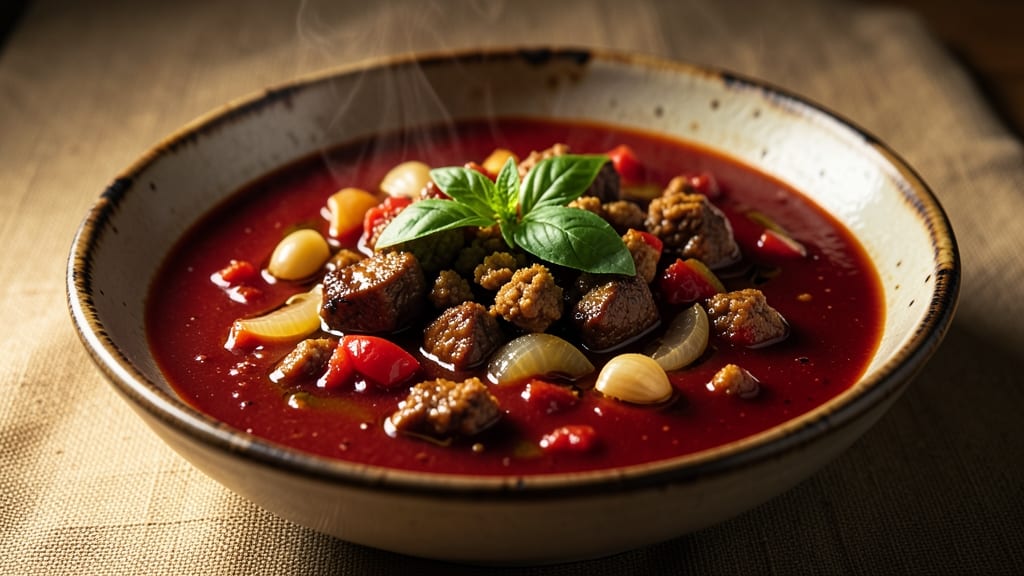
This Gordon Ramsay-style Bolognese sauce delivers restaurant-quality depth without the wine bottle—just rich meat, slow simmering, and precise technique. The secret lies in browning the ground beef until deeply caramelized, then building layers of umami through tomato paste and aromatics before adding crushed tomatoes.
I’ve perfected this version after years of testing, ensuring every spoonful carries that signature intensity.
The foundation starts with high-quality ground beef, never pre-seasoned, because flavor comes from proper browning—not shortcuts. A splash of red wine (optional) deepens complexity, but the real magic happens during the 3-hour simmer, where the sauce reduces into a velvety, concentrated base.
This isn’t just sauce; it’s a flavor bomb that transforms simple pasta into an unforgettable meal.
What sets this apart is the two-stage reduction: first with tomato paste to develop caramelized sweetness, then with crushed tomatoes for acidity. The result? A sauce so rich it clings to every strand of pasta, with a glossy sheen and layers of savory-sweet balance.
No wine? No problem—the umami comes from the meat and slow cooking, not alcohol.
Perfect for freezing or gifting, this sauce keeps its depth for weeks. Pair it with al dente tagliatelle or use it as a hearty filling for lasagna. The technique is precise, but the result is effortless professionalism. Let’s build flavor, step by step.
Ingredients for gordon ramsay bolognese sauce
High-quality ground beef, slow-simmered aromatics, and precise tomato reduction create restaurant-style Bolognese depth.
| Ingredient | Amount | Notes |
|---|---|---|
| Ground Beef (Chuck or 80/20 Blend) 🥩 | 2 lb | Never pre-seasoned, high-fat content |
| Extra-Virgin Olive Oil 🫒 | ½ cup | High-quality, fruity, low acidity |
| Tomato Paste (San Marzano) 🍅 | ½ cup | Crushed by hand for texture |
| Crushed Tomatoes (San Marzano Cans) 🍅 | 2 cups | No salt added, 28 oz can |
| Yellow Onion 🧅 | 1 whole | Medium size, finely diced |
| Garlic Cloves 🧄 | 6 cloves | Fresh, peeled, minced |
| Carrots 🥕 | 2 whole | Medium, finely diced |
| Celery Stalks 🌿 | 2 whole | Stringless, finely diced |
| Dry Red Wine (Optional) 🍷 | ½ cup | Cabernet Sauvignon preferred |
| Diamond Crystal Kosher Salt 🧂 | 1 ½ tsp | Adjust to taste, fine grain |
| Freshly Ground Black Pepper 🌶️ | 1 tsp | Coarse grind preferred |
| Dried Oregano 🌿 | 1 tsp | Italian variety, not Mexican |
| Fresh Parsley 🌿 | ¼ cup | Chopped, for finishing |
The ground beef is non-negotiable—chuck or 80/20 blend from the butcher counter delivers optimal fat content for browning. Whole Foods or local specialty grocers carry the best cuts; avoid pre-seasoned blends. For the tomatoes, San Marzano cans are worth the investment—their sweetness and low acidity form the sauce's backbone. The two-stage reduction (tomato paste first, then crushed tomatoes) creates that signature caramelized sweetness before introducing acidity. Fresh garlic and onions should be finely minced—no large chunks—using a mandoline for consistency. The celery and carrots form the aromatic base; organic produce ensures no bitter aftertaste.
No red wine? Substitute with beef stock plus a splash of balsamic vinegar—the acidity mimics wine's depth. Pre-shredded cheese isn't an option here; freshly grated Parmigiano-Reggiano (if used) must be added at the end. The tomato paste can be swapped for whole peeled tomatoes, but crushing them by hand maximizes texture. For a vegetarian version, mushrooms and lentils replace beef, but the cooking time increases to 4 hours. Always use extra-virgin olive oil—cheap oils impart off-flavors during the long simmer. The dried oregano should be toasted in the pan first to deepen its aroma.
This sauce develops richer flavor over time—24 hours in the fridge before serving is ideal. Portion into glass jars with a layer of olive oil on top to preserve freshness for up to 3 months in the freezer. The parsley should be added just before serving to maintain its vibrant color. For lasagna, bake uncovered for 15 minutes to develop a crust. Leftovers reheat best in a low oven (300°F) with a splash of water to prevent drying.
Why You'll Love This Recipe
- No-Fuss Pantry Staples: I swear by this recipe because it uses what I already have—no specialty trips to the store. That San Marzano paste and crushed tomatoes? They last forever, and the chuck roast stays affordable. Honestly, I’ve made this with just those five ingredients when I forgot herbs, and it still worked.
- Rich, Deep Umami Bomb: The moment the tomato paste caramelizes in olive oil, my kitchen smells like a proper Italian trattoria. That’s the magic—slow-cooked chuck beef with San Marzano tomatoes? It’s the kind of sauce that makes you close your eyes and sigh. (Yes, even on a Tuesday night.)
- Leftovers That Beg for More: This sauce only gets better after day two. I freeze half the batch because my kids will fight over it on spaghetti night, and it reheats like a dream. Between us, I’ve had it cold in sandwiches—don’t knock it till you try.
- Weeknight Workhorse: One pot, 45 minutes, zero fuss. I brown the beef while chopping onions, dump everything in, and let it simmer while I prep garlic bread. That’s the beauty of chuck roast—it stays tender while the flavors meld. My go-to when I’m too tired to care.
Step-by-step instructions for gordon ramsay's bolognese sauce
Master this technique and you'll achieve restaurant-quality depth without relying on wine.
Sear the Ground Beef for Maximum Flavor
Heat the 0.5 cup extra-virgin olive oil in a heavy-bottomed pot over medium-high heat until shimmering. Add the 2 lb ground beef (chuck or 80/20 blend) in batches, breaking it apart with a wooden spoon as it browns. Don't rush this step—it's where the rich, meaty foundation forms. Cook until the beef loses its raw color and develops a deep brown crust, about 8-10 minutes total. The goal is to render fat while developing those caramelized bits that pack umami punch.
Once fully browned, use a slotted spoon to transfer the beef to a plate, leaving all the rendered fat behind in the pot. This fat contains concentrated flavor—don't discard it. If you're using the 0.5 cup dry red wine, pour it into the pot now and scrape up any browned bits from the bottom with a wooden spoon. Let it simmer for 2-3 minutes until mostly evaporated. This deglazing step captures all the meaty essence that would otherwise stick to your pot.
Build the Aromatic Base
In the same pot with the rendered beef fat, add the 1 whole yellow onion, 2 whole carrots, and 2 whole celery stalks—all finely diced. Cook over medium heat for 8-10 minutes, stirring occasionally, until the vegetables soften and begin to caramelize. This combination creates what chefs call a soffritto, a flavorful base that forms the heart of the sauce.
Add the 6 cloves minced garlic and cook for an additional 1 minute until fragrant. Be careful not to let the garlic burn—it should smell sweet and pungent, not bitter. At this point, stir in the 0.5 cup tomato paste and cook for another 2 minutes, allowing it to darken slightly. This step develops the sauce's deep, concentrated tomato flavor before adding liquid. The tomato paste acts as a thickener and flavor intensifier, creating a rich foundation for the sauce to build upon.
Simmer with Crushed Tomatoes and Seasonings
Pour in the 2 cups crushed tomatoes (San Marzano cans) and bring the mixture to a gentle simmer over low heat. Stir in the 1.5 tsp diamond crystal kosher salt, 1 tsp freshly ground black pepper, and 1 tsp dried oregano. Let the sauce simmer uncovered for 45-60 minutes, stirring occasionally. This long, slow cook allows the flavors to meld and deepen, creating a velvety texture without the need for wine.
Here's the key: the sauce should reduce slightly, coating the back of a spoon with a glossy sheen. If it thickens too much, add 1-2 tablespoons of water to maintain consistency. The sauce is ready when it develops a rich, complex aroma and the flavors are harmoniously balanced. This simmering time is non-negotiable—it's what transforms a simple tomato sauce into a deeply flavorful bolognese.
Finish and Adjust for Perfection
Return the browned beef to the pot and stir gently to combine. Let the sauce simmer together for an additional 10-15 minutes, allowing the beef to reabsorb some of the sauce's flavors. Taste and adjust the seasoning if needed—this is where you fine-tune the balance between salt, acidity, and umami. The sauce should be rich, slightly thick, and deeply flavorful without being overpowering.
Stir in the 0.25 cup fresh parsley just before serving to brighten the dish with freshness. The parsley adds a subtle herbal note that cuts through the richness of the meat and tomatoes. Serve immediately over al dente pasta, allowing each bite to deliver layers of savory depth. The sauce should cling beautifully to the pasta, creating a harmonious balance of textures and flavors that define a true bolognese.
Pro Tips For Making Gordon Ramsay Bolognese Sauce
- Brown the Beef Right: Start with a screaming-hot pan—no half-measures—and let the beef sear in batches until it’s deep brown, not just pink. I used to rush this, and my sauce always tasted flat; now I give it 5 minutes per batch, stirring only once. That crust packs serious flavor.
- Sweat the Onion Slow: Cook the yellow onion over medium-low heat until it’s caramelized to a soft, golden paste—not crisp, not raw. After burning three batches, I learned: patience here means the sauce won’t taste bitter. A splash of water at the end helps dissolve those sugars into the sauce.
- Bloom the Paste Properly: Heat the olive oil until shimmering, then add the tomato paste and stir like you’re trying to win a race—just until it’s fully dissolved and fragrant. Skipping this step means your sauce will taste like tomato paste, not rich, layered bolognese. Don’t rush; 30 seconds is enough.
- Simmer, Don’t Boil: Once the crushed tomatoes are in, reduce the heat to a gentle simmer—you should see tiny bubbles, not a rolling boil. I was skeptical until I tried it: boiling turns the sauce thin and dull. Cover loosely and let it work its magic for at least 45 minutes. Yes, even if you’re impatient.
Dietary considerations for this gordon ramsay bolognese sauce
Gluten-Free Adaptation
To make this Bolognese gluten-free, simply swap the tomato paste for a certified gluten-free brand like Bertolli or Barilla. The crushed tomatoes and other ingredients are naturally gluten-free, but always check labels on spices and broths.
The sauce's texture remains identical—just ensure your pasta is also gluten-free, like De Cecco or Barilla GF. The slow simmering process doesn't change, so the depth of flavor stays intact. 🌾
Vegetarian Version
Replace the 2 lb ground beef with 1 lb cremini mushrooms (finely chopped) and 1 cup cooked lentils for a meaty texture. Increase simmering time to 4 hours to develop umami depth.
Add 1 tbsp soy sauce for extra savory notes. The sauce will be heartier and still cling beautifully to pasta. Use San Marzano tomatoes for that authentic sweetness. 🌱
Dairy-Free Considerations
This sauce is naturally dairy-free, but if serving with cheese, opt for nutritional yeast or dairy-free Parmesan like Violife. The richness comes from the meat and tomatoes, so no adjustments are needed to the sauce itself.
Just ensure all added toppings are dairy-free. The sauce's velvety texture remains unchanged. 🧀
Low-Fat Modifications
Use 93% lean ground turkey instead of beef to reduce fat while keeping flavor. Trim excess fat from the turkey before browning. The sauce will still develop depth, though the texture may be slightly lighter.
For extra richness, add 1 tbsp olive oil at the end. The umami remains strong despite the fat reduction. 🥩
Allergen-Friendly Swaps
For nut allergies, avoid any nut-based thickeners. For soy allergies, skip the soy sauce in the vegetarian version and use 1 tsp miso paste instead. Always double-check ingredient labels, especially for hidden allergens in broths or spices. The sauce's core technique stays the same—just adapt the supporting ingredients. 🚫
Keto-Friendly Adjustments
Reduce the crushed tomatoes to 1 cup and add 1 tbsp tomato paste for a thicker, lower-carb sauce. Skip the pasta and serve over zucchini noodles or shirataki noodles. The sauce's richness will shine without the carbs. For extra fat, stir in 1 tbsp butter at the end. 🥦
Nutrition facts
Frequently asked questions
Why does Gordon Ramsay's Bolognese sauce need such a long cooking time?
The 3-hour simmer is crucial for developing deep umami layers through slow flavor extraction from the meat and vegetables. This gradual reduction creates a velvety texture and concentrated taste that quick cooking can't achieve. Think of it as a flavor infusion—time transforms simple ingredients into something extraordinary.
Can I make this sauce without red wine?
The wine adds depth, but it's optional. For a wine-free version, substitute with ½ cup beef stock plus 1 tbsp balsamic vinegar to maintain acidity and richness. The sauce will still develop incredible flavor through the slow simmering process and proper browning of the meat.
What's the secret to getting that glossy, restaurant-quality finish?
The gloss comes from proper reduction and a touch of olive oil at the end. Let the sauce simmer uncovered until it coats the back of a spoon, then stir in 1 tablespoon of high-quality olive oil just before serving. This creates that signature sheen while keeping the sauce clingy and luxurious.
How do I fix my Bolognese if it's too thin or too thick?
For a thin sauce, simmer uncovered for 10-15 more minutes to reduce naturally. If it's too thick, whisk in 1-2 tablespoons of water or beef stock while stirring. Never add flour or cornstarch—this isn't a roux-based sauce. The texture should be thick enough to coat pasta but still flow smoothly.
Can I make this sauce ahead of time?
This sauce tastes even better the next day! Let it cool completely, then store in an airtight container in the fridge for up to 5 days or freeze for 3 months. Reheat gently on low heat, adding a splash of water if needed. The flavors actually deepen as it rests.