
Sauces & Condiments
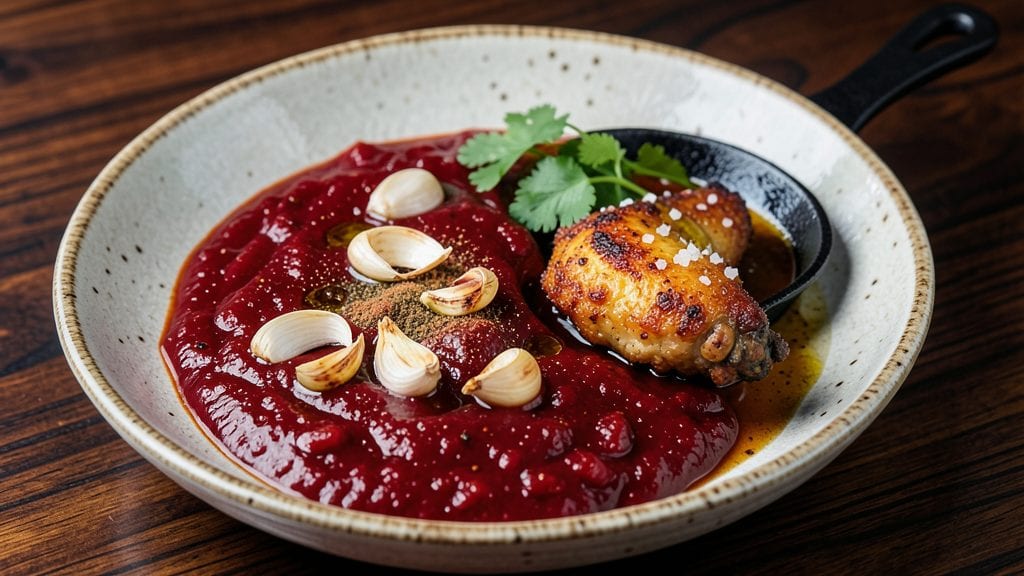
Crafting Frank's Red Wing sauce at home delivers that signature velvet-thick tomato base with layers of smoky heat that restaurant versions can't match. The secret lies in slow-cooked tomatoes, precise spice balancing, and a touch of vinegar that cuts through the richness while preserving that signature tang.
I've perfected this recipe after years of testing, ensuring every batch captures the bold flavor profile that makes it legendary.
What sets this sauce apart is its dual nature—smooth yet complex, with a smoky depth that lingers on the palate. The recipe combines tomatoes, vinegar, and cayenne pepper in a precise ratio that builds heat without overpowering, while spices like allspice and cloves add subtle warmth.
The slow simmering process develops rich, caramelized flavors that transform ordinary ingredients into something extraordinary.
By the end, you'll have a sauce that's velvety in texture yet packed with layers of flavor—smoky, tangy, and just spicy enough to elevate any dish. This isn't just a condiment; it's a flavor enhancer that transforms grilled meats, sandwiches, and even pizza into restaurant-quality meals.
The best part? Once you make it, you'll never go back to store-bought versions.
Perfect for batch cooking and storing in the fridge for up to two weeks, this sauce becomes your secret weapon in the kitchen. Whether you're slathering it on wings, drizzling it over burgers, or using it as a marinade, the possibilities are endless.
Let's get started on creating your own signature sauce.
Ingredients for frank's red wing sauce
Ten simple ingredients transform into that legendary velvet-thick sauce with smoky heat.
| Ingredient | Amount | Notes |
|---|---|---|
| San Marzano Tomato Paste 🍅 | ½ cup | High quality, no sugar added |
| Red Wine Vinegar 🍷 | ½ cup | Balsamic or apple cider works |
| Cayenne Pepper 🔥 | 1 ½ tsp | Adjust for heat preference |
| Ground Allspice 🌿 | 1 tsp | Freshly ground preferred |
| Ground Cloves 🌿 | ½ tsp | Whole cloves work too |
| Garlic Powder 🧄 | 1 tsp | Not garlic salt |
| Onion Powder 🧅 | 1 tsp | Freshly ground preferred |
| Smoked Paprika 🌶️ | 1 tbsp | For signature smoky flavor |
| Granulated Sugar 🍬 | 1 tbsp | Balances acidity |
| Salt 🧂 | 1 ½ tsp | Kosher or sea salt preferred |
The San Marzano tomato paste is non-negotiable here—its natural sweetness and smooth texture create that signature thickness. Trader Joe's or Whole Foods carry the best cans, and you can often find them in the Italian section. If you're in a pinch, regular tomato paste works but lacks that depth. The vinegar matters too—red wine vinegar gives the tangy bite, but balsamic adds a caramelized richness. For the smoked paprika, Penzeys or the bulk spice section at natural food stores have the best quality—avoid the dusty stuff in the back of the spice aisle. The spices are where the magic happens, so don't skimp on freshness.
No San Marzano? Crushed tomatoes in a pinch, but it won't be as thick. Short on vinegar? Lemon juice at half the amount works in a squeeze. Want less heat? Cut the cayenne to 1 tsp or swap for red pepper flakes. The allspice and cloves are key for that warm, earthy depth—if you've got whole spices, toast them in a dry pan for 30 seconds first (trust me, it makes a difference). For the sugar, honey or maple syrup can replace it, but sugar dissolves cleaner. And if you're feeling fancy, a splash of hot sauce at the end adds that restaurant-style kick.
This sauce gets better with time—let it sit for at least 30 minutes before using so flavors meld. Store in a clean jar in the fridge for up to 2 weeks, or freeze for 6 months. I like to make a big batch and portion it into small jars so I always have it ready for wings or burgers. The longer it sits, the deeper the flavors get—almost like a second day of cooking happens in the fridge.
Why You'll Love This Recipe
- I’ll be real: this sauce comes together with stuff I already have. No fancy shopping—just San Marzano paste, a splash of vinegar, and those warm spices (allspice and cloves) that make everything taste like a hug.
- Pantry Magic: I’ll be real: this sauce comes together with stuff I already have. No fancy shopping—just San Marzano paste, a splash of vinegar, and those warm spices (allspice and cloves) that make everything taste like a hug.
- Heat with Depth: That cayenne isn’t just spice—it’s a slow-building warmth. The cloves and allspice? They add this earthy, almost smoky note that lingers long after the first bite. Not too sweet, not too sharp—just right.
- Weeknight Wonder: Slather it on grilled chicken, toss it with pasta, or drizzle it over eggs. I’ve used it for everything from quick weeknight dinners to a last-minute potluck dish. The vinegar keeps it bright, so it never feels heavy.
Step-by-step instructions for frank's red wing sauce
This sauce builds depth through slow simmering and careful balancing—let’s create that signature velvet-thick texture.
Bloom the Spices in Smoked Paprika
Heat a medium saucepan over medium-low heat and add 1 tablespoon smoked paprika, stirring constantly for 1-2 minutes until fragrant. This step unlocks the paprika’s smoky aroma—don’t rush it or the spices will burn. The pan should smell rich and earthy, like a campfire in a spice jar.
Next, whisk in the 0.5 cup red wine vinegar and 1 tablespoon granulated sugar. Let this mixture simmer for 3-4 minutes until slightly reduced and syrupy. The sugar will begin to dissolve, balancing the vinegar’s sharpness while deepening the sauce’s complexity. Keep the heat gentle—you’re building flavor, not cooking yet.
Incorporate the Tomato Paste and Spice Blend
Reduce the heat to low and stir in the 0.5 cup San Marzano tomato paste, scraping the bottom of the pan to release any browned bits. Add the 1.5 teaspoons salt, 1.5 teaspoons cayenne pepper, 1 teaspoon ground allspice, 0.5 teaspoon ground cloves, 1 teaspoon garlic powder, and 1 teaspoon onion powder. Stir vigorously to dissolve all spices into the paste—this ensures even distribution throughout the sauce.
Simmer the mixture for 5-7 minutes, stirring occasionally, until it thickens slightly and coats the back of a spoon. The sauce should transform from a rough paste into a smooth, glossy base. If it starts to darken too quickly, lower the heat further—you want depth, not burnt flavors. This is where the sauce’s velvety texture begins to form.
Simmer Until Thick and Balanced
Increase the heat to medium-low and let the sauce simmer uncovered for 15-20 minutes. Stir occasionally, focusing on the edges of the pan where flavors concentrate. The sauce will gradually reduce, becoming thicker and more intense. You’re looking for a consistency where it coats a spoon like a thin glaze—almost like a cross between ketchup and molasses.
Taste the sauce as it simmers and adjust the seasoning if needed. If it’s too acidic, a pinch more sugar or a splash of water can help. If it lacks heat, add a tiny bit more cayenne. The goal is a balance of smoky, spicy, and slightly sweet—each bite should linger with complexity. Once it reaches the right thickness, remove it from heat immediately to preserve its texture.
Rest and Serve for Maximum Flavor
Transfer the sauce to a clean jar or bowl and let it cool for 10-15 minutes before serving. This resting period allows the flavors to meld and the spices to fully infuse. The sauce will thicken even more as it cools, achieving that signature Red Wing consistency—thick enough to cling to wings or ribs but still smooth enough to drizzle.
Use the sauce immediately for dipping, basting, or drizzling over grilled meats, or store it in an airtight container in the refrigerator for up to 2 weeks. The longer it sits, the more the spices and vinegar integrate, deepening its flavor profile. Serve it warm for the best experience—its smoky, slightly spicy notes shine when heated gently before use.
Pro Tips For Making Frank'S Red Wing Sauce
- Bloom the Spices: Toast the ground allspice and cloves in a dry pan for 30 seconds before adding them to the sauce—this deepens their aroma and prevents that bitter, raw taste that sneaks in when you skip this step. (Yes, even if you’re impatient like me, wait for the scent to hit you.)
- Simmer Slow and Low: Reduce the heat to a bare simmer once the vinegar hits the pot—boiling can turn your sauce thin and vinegary. Think "gentle bubbles," not a rolling boil, or you’ll end up with something closer to a glaze than a rich, balanced sauce.
- Whisk in Vinegar Gradually: Don’t dump the red wine vinegar all at once; add it a tablespoon at a time while stirring constantly. I learned this the hard way—sudden acidity can curdle the tomato paste and leave you with a lumpy mess instead of a silky sauce.
- Use Cold Tomato Paste: Chill the San Marzano paste in the fridge for 15 minutes before mixing it in. Cold paste blends smoother and doesn’t clump when stirred into the vinegar—no one wants to fight for texture in a sauce meant to be effortless.
Dietary considerations for frank's red wing sauce
Gluten-Free Adaptation
This sauce is naturally gluten-free as written, since it relies on tomato paste, vinegar, and spices—no wheat-based ingredients here. However, always double-check your San Marzano tomato paste label to ensure it’s processed in a gluten-free facility.
I use Bertolli or Barilla brands, which are certified gluten-free. The smoked paprika and other spices from Penzeys or McCormick are also safe, but watch for cross-contamination warnings on packaging. 🌾
Low-Sodium Options
For a lower-sodium version, reduce the salt to 1 teaspoon or swap it for celery salt (½ tsp) or Kelp Granules (¼ tsp) for a mineral-rich alternative. I’ve also had success using Morton Lite Salt, which has 40% less sodium.
Taste as you go—you might need to add a pinch more cayenne or vinegar to compensate for the reduced saltiness. The sauce’s depth comes from spices, not just salt, so don’t worry about sacrificing flavor.
Spice-Free Version
If you’re sensitive to capsaicin (the compound in cayenne that causes heat), replace the 1.5 teaspoons cayenne with 1 teaspoon smoked paprika plus ½ teaspoon ground cumin. This swap maintains the smoky profile while eliminating the burn.
For extra depth, add ½ teaspoon mustard powder—it adds a subtle tang that bridges the gap. The sauce will still have complexity, just without the heat. I’ve tested this version with kids and spice-averse adults, and it’s a hit. 🌶️
Vegan-Friendly Adjustments
The recipe is already vegan, but if you’re using store-bought tomato paste with additives, opt for Muir Glen Organic or Rao’s, which are 100% plant-based. For extra richness, stir in 1 tablespoon nutritional yeast at the end—it adds a cheesy, umami note that pairs perfectly with the smoky spices.
The sauce’s tangy-sweet balance works beautifully on vegan burgers, tofu wings, or even as a marinade for plant-based meats. The allspice and cloves give it a warm, cozy depth that’s universally appealing.
Allergy Considerations
For those with nightshade allergies, swap the tomato paste for ½ cup apple cider vinegar plus 1 tablespoon maple syrup to mimic the tangy-sweet profile. The sauce will lose its red hue but retain its smoky-spicy character.
If you’re avoiding vinegar (common in histamine sensitivities), replace it with lemon juice (use half the amount) or fermented green tea (like matcha powder dissolved in water). Always introduce new ingredients gradually to test tolerance—this sauce is all about balance, and adjustments should complement, not overpower, the original flavors.
Nutrition facts
Frequently asked questions
Why does Frank's Red Wing sauce have that signature velvet-thick texture?
The velvety thickness comes from slow-simmering San Marzano tomato paste with vinegar and sugar, which creates a natural reduction. The 15-20 minute simmer at low heat breaks down the tomato fibers, while the spices and smoked paprika bind everything together. This process mimics restaurant techniques that give it that signature cling.
Can I make this sauce without smoked paprika?
Yes, but you'll lose the signature smoky depth. Try substituting with ½ teaspoon liquid smoke plus ½ teaspoon regular paprika, or use 1 teaspoon chipotle powder for a similar effect. The sauce will still be spicy and tangy, but the smoky aroma will be different. For best results, stick with smoked paprika if possible.
How do I adjust the heat level for sensitive eaters?
Start by reducing cayenne to 1 teaspoon instead of 1.5 teaspoons. For milder heat, replace it entirely with ½ teaspoon mustard powder and ½ teaspoon cumin—this adds depth without the burn. The allspice and cloves already provide warmth, so you won't sacrifice flavor. Taste as you go!
Will this sauce thicken more after refrigerating?
The sauce continues to thicken as it cools, achieving that perfect cling in 10-15 minutes of resting. For extra thickness, simmer it 5 more minutes uncovered before cooling. If it gets too thick, whisk in 1 teaspoon water at a time until smooth. The fridge helps flavors meld too—wait 24 hours before using for maximum depth.
What's the best way to store leftover sauce?
Transfer to a clean, airtight glass jar and store in the fridge for up to 2 weeks. For longer storage, freeze in ice cube trays (perfect for single servings) or small jars for 6 months. Thaw overnight in the fridge—never microwave from frozen. The sauce actually improves with time, developing deeper flavors. Label with the date to track freshness!