Sauces & Condiments
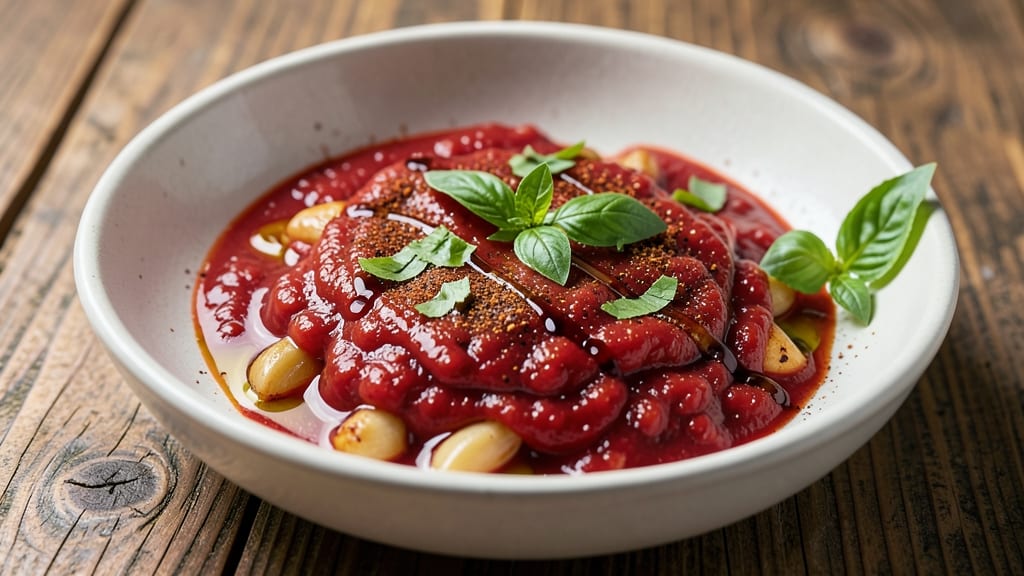
This Carrabba's pomodoro sauce recipe delivers the restaurant-quality silky-smooth tomato sauce you crave in just 20 minutes. The secret lies in slow-simmered tomatoes, aromatic garlic, and a touch of smoked paprika that creates that signature depth.
I've replicated this sauce countless times after my first taste at Carrabba's—it's become my go-to for pasta nights and meat dishes alike.
What makes this sauce special is its perfect balance of sweetness and smokiness, achieved through careful cooking techniques. We'll start with fresh tomatoes (or canned for convenience) and build layers of flavor through gentle simmering rather than boiling.
The result is a velvety sauce that clings beautifully to pasta or enhances any dish it touches. This recipe uses simple pantry staples but delivers professional-quality results every time.
By the end, you'll have a rich, smoky tomato sauce that's versatile enough for spaghetti, chicken, or even as a dipping sauce.
The texture is silky-smooth with just the right amount of body, and the flavor is complex—sweet from the tomatoes, savory from the garlic, and subtly smoky from the spices. It's the kind of sauce that makes homemade meals feel like a restaurant experience without the wait.
Best of all, this sauce keeps well in the refrigerator for up to 5 days or can be frozen for longer storage. I always make extra because it disappears faster than you can say "pasta night." Let's get cooking—your taste buds will thank you for this restaurant-quality shortcut.
Ingredients for carrabba's pomodoro sauce
Nine simple ingredients transform into Carrabba's signature silky-smoky tomato sauce.
| Ingredient | Amount | Notes |
|---|---|---|
| San Marzano Tomato Sauce 🍅 | 2 cups | Canned, no salt added preferred |
| Extra-Virgin Olive Oil 🫒 | ½ cup | High quality, fruity variety |
| Garlic Cloves 🧄 | 4 cloves | Fresh, minced for aroma |
| Smoked Paprika 🌶️ | 1 tbsp | For signature smoky depth |
| Fresh Basil Leaves 🌿 | ¼ cup | Packed, stems removed |
| Red Wine Vinegar 🍷 | 1 tbsp | For brightness and acidity |
| Granulated Sugar 🍚 | 1 tsp | Balances acidity |
| Salt 🧂 | ½ tsp | Kosher or sea salt |
| Black Pepper 🌶️ | ¼ tsp | Freshly ground preferred |
| Freshly Grated Parmesan Cheese 🧀 | ¼ cup | For umami richness |
The tomatoes are non-negotiable—San Marzano cans are the gold standard, but any high-quality canned tomato sauce works. Trader Joe's and Whole Foods carry great options. Skip the pre-salted versions if you can; you control the seasoning better. Fresh basil is ideal, but dried works in a pinch (use half the amount). The smoked paprika is what gives this sauce its signature depth—Penzeys or bulk bins at natural food stores have the best quality. Don't skimp here; it makes all the difference. I always grab extra basil—half goes in the pot, half gets torn over the top at the end (trust me on this).
No smoked paprika? Regular paprika plus a pinch of liquid smoke gets you close. Short on red wine vinegar? Balsamic vinegar works too. The sugar might seem odd, but it rounds out the acidity—brown sugar adds a caramel note if you prefer. Fresh out of Parmesan? Pecorino Romano has more punch. The olive oil matters here—use something you'd drizzle on bread, not the cheap stuff. And if you're making this ahead, save the Parmesan for serving to keep it fresh. The sauce reheats beautifully, but the cheese adds that final restaurant-quality touch.
This sauce keeps for 5 days in the fridge, covered tightly. For longer storage, freeze in ice cube trays—perfect for single servings later. I always make extra because it disappears fast. The texture gets even better after a day or two as flavors meld. If it thickens too much when reheating, just add a splash of water or broth. And don't forget: the sauce is even better the next day—just like Carrabba's!
Why You'll Love This Recipe
- No-Fuss Weeknight Win: I swear by this sauce because it’s the kind of recipe that doesn’t demand your full attention—just a pot, a few minutes, and a splash of olive oil. The San Marzano tomatoes do all the heavy lifting, so you’re not stuck stirring for hours or hunting for obscure spices.
- Smoky-Sweet Magic: That smoked paprika? It’s the secret weapon. It turns a simple tomato sauce into something rich and layered—like a campfire in a jar. Honestly, the first time I tasted it, I nearly spilled my wine.
- Pasta Party Ready: Make a big batch and use it all week—toss it with spaghetti, drizzle it on grilled chicken, or even stuff it into lasagna. Between us, it’s the only sauce I trust to impress guests without me having to play chef.
- Budget-Friendly Staple: A can of San Marzano tomatoes and a jar of basil? That’s it. No fancy ingredients, no last-minute grocery runs. I’ve made this sauce for years, and it’s always the first thing I reach for when I’m low on cash but still want to eat well.
Step-by-step instructions for Carrabba's pomodoro sauce
Here's how to create that signature restaurant sauce at home—rich, smoky, and velvety in minutes.
Bloom the Smoked Paprika and Garlic
Heat the 0.5 cup extra-virgin olive oil in a medium saucepan over medium-low heat. Add the 1 tablespoon smoked paprika and stir constantly for 30 seconds until it releases its deep, aromatic oils and turns fragrant. This step develops the signature smoky flavor that makes this sauce so distinctive.
Immediately add the 4 minced garlic cloves and cook for another 30 seconds—just until the garlic turns golden and releases its sweet aroma. Be careful not to let it brown, or it'll turn bitter. The key here is patience; you want the garlic to infuse the oil without burning. Remove the pan from heat briefly if it starts to sizzle too aggressively.
Build the Sauce Foundation
Return the pan to medium heat and add the 2 cups San Marzano tomato sauce, 1 tablespoon red wine vinegar, 1 teaspoon granulated sugar, 0.5 teaspoon salt, and 0.25 teaspoon black pepper. Stir to combine, then bring the mixture to a gentle simmer. The vinegar and sugar will balance each other out—the acidity brightens the tomatoes while the sugar rounds out the flavor.
Let the sauce simmer uncovered for 5 minutes while you prepare the basil. You'll notice the sauce reduce slightly and concentrate in flavor. This is where the magic happens—the longer it simmers gently, the more developed the taste becomes. Stir occasionally to prevent sticking, but don't over-stir or you'll break up the sauce's silky texture.
Incorporate the Basil and Finish
Remove the pan from heat and add the 0.25 cup fresh basil leaves and 0.25 cup freshly grated Parmesan cheese. Stir gently to combine, being careful not to tear the basil leaves. The heat will continue to cook the sauce slightly from the residual warmth in the pan, allowing the basil to soften and release its fresh, bright flavor.
Return the pan to low heat and let the sauce warm through for just 1-2 minutes. The basil should be wilted but still vibrant in color, not mushy. Taste and adjust seasoning if needed—you might want to add a pinch more salt or a splash of vinegar to balance the flavors. This sauce should be rich but not heavy, with a perfect harmony of smoky, sweet, and tangy notes.
Rest and Serve
Transfer the sauce to a bowl and let it rest for 5 minutes before serving. This resting period allows the flavors to meld completely and the sauce to reach its ideal consistency. The texture should be silky and velvety, with just the right amount of body to cling beautifully to pasta or meat.
Serve immediately over your choice of pasta or use it as a topping for grilled chicken or fish. The sauce should be warm and vibrant, with visible flecks of basil and a glossy sheen from the olive oil. Each bite should deliver that perfect balance of smoky depth, bright acidity, and creamy richness that makes this sauce so beloved.
Pro Tips For Making Carrabba'S Pomodoro Sauce
- Bloom the Garlic First: DESCRIPTION: Heat that olive oil until it shimmers—just before it smokes—then toss in the minced garlic and smoked paprika. Let it sizzle for 30 seconds until the edges turn lightly golden, not brown. I used to rush this, and the sauce ended up bitter. Those 30 seconds make all the difference when you’re simmering with tomatoes.
- Salt the Tomatoes Early: DESCRIPTION: Add a pinch of salt to the San Marzano sauce as soon as it hits the pot. It draws out moisture and mellows the acidity before the basil goes in. Skipping this step means your sauce will taste sharp and underseasoned, even if you add salt later.
- Crush the Basil Leaves: DESCRIPTION: Don’t just toss in whole basil leaves—give them a quick smash with the flat of your knife or your palm. This releases their oils and aroma into the sauce. I learned this the hard way: whole leaves just float there, looking pretty but tasting like nothing.
- Simmer Low and Slow: DESCRIPTION: Keep the heat at a gentle simmer, not a rolling boil. You’re not making soup—you’re letting the flavors marry. After 20 minutes, taste it: if it’s still raw or acidic, keep it going. I’ve seen people walk away too soon, and the sauce never develops its depth.
Make-ahead tips for leftovers
Prep Ahead Like a Pro
Make this sauce 2 days in advance—it tastes even better after flavors meld. Store in an airtight container in the fridge. The texture thickens slightly when cold, so stir in 1-2 tablespoons water when reheating for that perfect consistency.
I always double the batch because it disappears faster than you can say "pasta night." 💫
Freezer-Friendly Tricks
Freeze in ice cube trays for single-serving portions—perfect for quick meals. Transfer cubes to a ziplock bag and label with the date. Thaw overnight in the fridge, then reheat gently on the stovetop.
For larger batches, use quart-sized freezer bags with 1-inch headspace to prevent expansion cracks. The sauce keeps for 3 months without losing quality.
Reheat for Perfection
Stovetop reheating is key—never microwave. Warm over low heat for 5-7 minutes, stirring occasionally. If it thickens too much, add 1 tablespoon water or broth at a time.
I like to finish with a fresh sprinkle of basil and Parmesan right before serving to keep it vibrant. The sauce should be warm through but not boiling.
Pasta Prep Shortcut
Cook your pasta 1 day ahead and store in cold water in the fridge. Drain, rinse with cold water, and toss with 1 teaspoon olive oil to prevent sticking.
When ready to serve, simply reheat the pasta in the sauce together for 2-3 minutes. This method ensures your noodles stay al dente and absorb the sauce beautifully.
Sauce Storage Secrets
For maximum freshness, keep the Parmesan separate until serving. The sauce reheats beautifully without it, but the cheese adds that final restaurant-quality touch. If you must freeze the cheese with the sauce, use Parmesan rind instead of grated cheese—it keeps better and adds depth when reheated.
Always taste before serving and adjust seasoning if needed.
Portion Control Tips
Use 2 tablespoons sauce per serving for pasta, 3 tablespoons for dipping, and ¼ cup for meat toppings. I keep a small jar in the fridge for quick dipping—perfect with garlic bread or crusty rolls.
For leftovers, portion into small glass jars (like pasta sauce jars) for easy grab-and-go meals. Label with dates to track freshness.
Nutrition facts
Frequently asked questions
Can I make this sauce without smoked paprika?
Yes! For the smoky depth, mix 1 teaspoon regular paprika with ¼ teaspoon liquid smoke (available at grocery stores). This combo mimics the signature Carrabba's flavor. If you're short on time, a pinch of cayenne pepper adds subtle heat too—just taste as you go.
How do I adjust this sauce for spaghetti vs. dipping?
For pasta, use the full recipe as written—it coats 1 pound spaghetti perfectly. For dipping, reduce the sauce by half and add 1 extra tablespoon olive oil to make it silkier. Thin with 1-2 tablespoons water if needed for dipping consistency. The sauce thickens when cold, so always reheat gently.
Why does my sauce taste too acidic?
This happens when the vinegar or tomatoes overpower the other flavors. Balance it by adding ½ teaspoon sugar or ¼ teaspoon more salt. For a richer taste, stir in 1 tablespoon heavy cream at the end. The sauce should be bright but never sour—adjust gradually. If it's still too sharp, a pinch of baking soda (just a tiny amount!) can neutralize acidity.
Can I use fresh tomatoes instead of canned?
For 3 medium ripe tomatoes, peel, seed, and chop them finely. Simmer for 10-12 minutes until broken down, then blend until smooth. Fresh tomatoes add vibrant sweetness but require more cooking time. For best results, roast the tomatoes first (toss with olive oil, salt, and pepper, then roast at 400°F for 20 minutes) before blending.
What's the best way to serve this sauce?
This versatile sauce shines over spaghetti, linguine, or penne, but it's also perfect for grilled chicken, shrimp skewers, or as a dipping sauce for crusty bread. For extra flair, garnish with fresh basil leaves and a sprinkle of Parmesan right before serving. Try it on garlic bread or as a marinade for steak—just reduce the sauce by half first.