
Sauces & Condiments
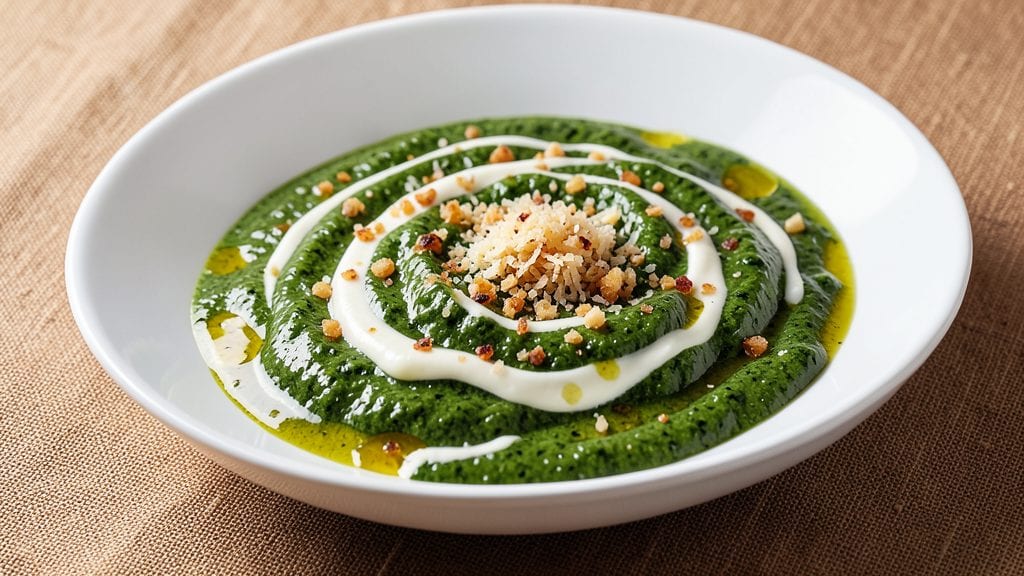
This Florentine sauce recipe transforms simple spinach and garlic into a velvety, restaurant-quality sauce that elevates steak, pasta, or even grilled chicken. The secret lies in blending fresh wilted spinach with rich cream and sharp Parmesan until silky smooth—no lumps, just pure decadence.
I developed this version after years of testing, ensuring it delivers that signature creamy texture with just the right balance of garlic and cheese.
The beauty of this sauce is its versatility and speed—ready in just 15 minutes with ingredients you likely already have. Fresh spinach wilts down quickly, while garlic and Parmesan add depth, creating a sauce that’s both elegant and foolproof.
Unlike some creamy sauces, this one holds its shape when reheated, making it perfect for meal prep or last-minute dinners.
What makes this Florentine sauce truly special is its ability to transform ordinary dishes into something extraordinary. Imagine a perfectly seared steak smothered in this luscious green sauce, or twirled through al dente pasta with a sprinkle of black pepper.
The creaminess coats every bite, while the spinach adds a vibrant, fresh element that keeps the sauce from feeling too heavy.
Whether you're serving it as a classic Florentine steak sauce or drizzling it over grilled vegetables, this recipe delivers professional results with minimal effort. The key is patience—letting the spinach wilt completely before blending ensures a smooth, velvety finish every time. Let’s get cooking!
Ingredients for florentine sauce
Nine simple ingredients transform into a velvety Florentine sauce that rivals restaurant quality.
| Ingredient | Amount | Notes |
|---|---|---|
| Fresh Spinach Leaves 🌿 | 4 cups | Packed, stems removed, loosely packed |
| Heavy Whipping Cream 🥛 | 1 cup | Full-fat for optimal creaminess |
| Garlic Cloves 🧄 | 4 cloves | Peeled, minced for even distribution |
| Parmesan Cheese 🧀 | ¾ cup | Freshly grated, fine texture preferred |
| Extra-Virgin Olive Oil 🫒 | ¼ cup | High quality, fruity flavor |
| Fresh Lemon Juice 🍋 | 1 tbsp | Brightens the sauce, freshly squeezed |
| Sea Salt 🧂 | ½ tsp | Fine grain for even seasoning |
| Freshly Ground Black Pepper 🌶️ | ¼ tsp | Freshly cracked for maximum flavor |
| Unsalted Butter 🧈 | 2 tbsp | Cubed for smooth melting |
The spinach is the foundation here—baby spinach wilts faster than mature leaves, but regular spinach works too. For the best flavor, Trader Joe's or Whole Foods often carry vibrant, fresh spinach. If using frozen, thaw and drain thoroughly first. The garlic should be freshly minced—pre-minced garlic loses its punch. For the Parmesan, Parmigiano-Reggiano is non-negotiable; pre-grated versions contain anti-caking agents that ruin texture. The heavy whipping cream needs to be cold when added to prevent curdling during blending.
No heavy cream? Full-fat Greek yogurt works in a pinch, though the texture will differ slightly. Substituting Parmesan? Pecorino Romano has a sharper bite, while Gran Padano offers a milder alternative. Fresh lemon juice can be swapped for white wine vinegar at half the amount, but fresh is ideal. For a lighter version, reduce the cream to half a cup and add 2 tbsp of milk. The olive oil adds richness—a fruity, peppery variety like California extra-virgin enhances flavor. If you're watching calories, use light cream but expect a thinner consistency.
This sauce reheats beautifully—simmer gently for 2-3 minutes to restore its velvety texture. Store in an airtight container in the fridge for up to 5 days, covered with a thin layer of olive oil to preserve freshness. Freezes well for 3 months—portion into ice cube trays for single-use servings. For a restaurant-quality finish, finish with a sprinkle of freshly cracked black pepper and a drizzle of olive oil before serving. The sauce thickens as it cools, so reheat with a splash of milk or cream if needed.
Why You'll Love This Recipe
- No Chopping Nightmare: I’ll be real—this sauce starts with wilted spinach, and honestly? That’s about as much prep as it gets. Toss in whole garlic cloves (yes, unpeeled) into the oil, let them sizzle until golden, then crush them right in the pan. The cream and cheese do the rest while you’re still deciding what to pair it with.
- Rich Without Effort: That first bite of creamy, nutty Parmesan melting into the spinach? It’s the kind of flavor that makes you pause mid-fork. The olive oil and garlic add depth, but the heavy cream turns it into something dangerously indulgent—like a hug for your taste buds, but one that takes less than 15 minutes.
- Pasta’s Best Friend: Between us, this sauce is my go-to for lazy nights, potlucks, or when I need to impress someone who thinks "homemade" means "complicated." Drizzle it over fettuccine, toss it with roasted chicken, or even slather it on garlic bread. It’s the kind of versatile sauce that turns basic meals into something special without trying too hard.
- Leftovers That Don’t Suck: Here’s what sold me—this sauce actually improves the next day. The flavors meld even better, and it reheats like a dream. Plus, you’re using spinach, which is cheap but feels fancy, and Parmesan stretches further than you’d think. Make a double batch, freeze half, and thank me later when you’re not scrambling for dinner ideas.
Step-by-step instructions for Florentine sauce
A velvety, garlic-infused sauce comes together in minutes with these precise steps.
Sauté Garlic in Olive Oil Until Fragrant
Heat the 0.25 cup extra-virgin olive oil in a medium saucepan over medium-low heat. Add the 4 cloves minced garlic cloves and cook for 2-3 minutes until the garlic becomes golden and releases its aroma—this prevents bitterness. Watch closely; garlic burns quickly, so keep the heat gentle.
Once the garlic is fragrant, remove the pan from heat for just a moment. This brief pause prevents the garlic from overcooking while you prepare the next ingredients. The golden color signals readiness for the spinach to join.
Wilt the Spinach in the Garlic Oil
Return the pan to medium heat and add the 4 cups fresh spinach leaves, stirring gently to distribute the garlic oil evenly. Cook for 3-4 minutes until the spinach wilts completely and turns vibrant green. The leaves should collapse into a compact mass—this indicates they’re fully cooked and ready for blending.
If the spinach appears undercooked after 3 minutes, continue cooking for another 30 seconds. Overcooking turns spinach bitter, so aim for just-wilted perfection. Remove the pan from heat once the spinach is tender.
Blend the Sauce Until Silky Smooth
Reduce the heat to low and add the 2 tablespoons cubed unsalted butter, stirring until fully melted. Pour in the 1 cup heavy whipping cream and the 0.75 cup freshly grated parmesan cheese, stirring constantly to combine. Let the mixture simmer gently for 1-2 minutes to allow the parmesan to melt smoothly.
Transfer the sauce to a blender or immersion blender. Blend until completely smooth—this ensures a luxurious, velvety texture without any lumps. If the sauce thickens too much during blending, add 1-2 tablespoons of water to restore a pourable consistency.
Finish with Lemon Juice and Seasoning
Return the blended sauce to the saucepan and stir in the 1 tablespoon fresh lemon juice, 0.5 teaspoon sea salt, and 0.25 teaspoon freshly ground black pepper. Taste and adjust the seasoning—Florentine sauce should balance creamy richness with bright acidity and a touch of saltiness. Simmer gently for 1-2 minutes to meld the flavors.
For serving, keep the sauce warm over low heat or transfer to a heatproof bowl set over a pot of simmering water. The sauce thickens slightly as it cools, so stir occasionally to maintain a smooth, velvety finish. Serve immediately over pasta, eggs, or grilled fish for a restaurant-worthy touch.
Pro Tips For Making Florentine Sauce
- Wilt Spinach Fast: Toss spinach in a hot pan with a splash of water—it’ll collapse in seconds. I learned this the hard way: dry spinach first (pat with a towel), then hit it with high heat and a pinch of salt. Overcrowding the pan makes it steam instead of wilt, and you end up with sad, watery greens.
- Sauté Garlic Low: Cook garlic in olive oil until it’s just golden, not browned—otherwise, it’ll turn bitter. I used to rush this, and the whole sauce tasted off. Keep the heat medium-low and stir constantly; a few extra seconds here save you from scraping burnt bits off your teeth later.
- Skip Pre-Grating Parmesan: Use a microplane or fine grater for Parmesan—it distributes better and melts smoother. Pre-grated cheese clumps like a nightmare, and you’ll taste the anti-caking agents. Grate it fresh right before adding it to the cream, or store it in the fridge for up to 3 days in a sealed container.
- Strain the Cream: Heat the cream gently (don’t boil) and strain it through a fine-mesh sieve to remove any lumps or skin. Sounds weird, but it works: the sauce will be velvety, not grainy. I was skeptical until I tried it—now I do it every time, even if it’s just for a minute.
Common mistakes when making this dish
Overcooked Spinach
Spinach is the star of this sauce, but it’s easy to overcook it and turn your vibrant green sauce into a bitter, wilted mess. I’ve seen this happen when people rush the wilting process or use high heat.
The goal is to cook the spinach just until it’s wilted—about 3-4 minutes over medium heat. If you notice the spinach turning dark or losing its bright color, it’s a sign you’ve gone too far. 🌿
Uneven Blending
Skipping the blending step or not blending thoroughly can leave you with a chunky sauce that lacks that restaurant-quality silkiness. I recommend using an immersion blender for convenience, but a regular blender works too.
Pulse until completely smooth—no visible bits of spinach or garlic. If you’re in a hurry, you might be tempted to skip this step, but trust me, the texture makes all the difference. 💫
Adding Cream Too Early
Adding the heavy whipping cream before the spinach is fully wilted can cause the sauce to curdle or separate. The cream needs to be added after the spinach is cooked and the butter is melted.
This ensures a smooth, creamy sauce rather than a lumpy one. If you’re unsure, wait until the spinach is fully wilted and the mixture is off the heat before adding the cream. ⚡
Skipping the Lemon Juice
The lemon juice is what brightens the sauce and balances the richness of the cream and Parmesan. Without it, the sauce can taste flat or overly heavy. I’ve made this mistake before, and the difference is noticeable.
Add the lemon juice at the end, right before seasoning, to keep the sauce fresh and vibrant. 🍋
Using Pre-Grated Parmesan
Pre-grated Parmesan often contains anti-caking agents that can make your sauce grainy or affect its texture. Freshly grated Parmigiano-Reggiano is key for that smooth, velvety finish. If you’re short on time, use the finest grater you have, or buy pre-grated cheese labeled "no additives."
The effort is worth it for that professional touch. 🧀
Ignoring the Resting Time
Florentine sauce thickens as it cools, so it’s important to let it rest for a few minutes before serving. If you serve it immediately after cooking, it might be too thin and watery.
Give it 5-10 minutes to thicken naturally, or gently reheat it with a splash of milk or cream if needed. This small step makes a big difference in the final texture. 💡
Nutrition facts
Frequently asked questions
What's the best way to store leftover Florentine sauce?
Transfer the sauce to an airtight container and refrigerate for up to 5 days. For longer storage, freeze in ice cube trays—portion into single servings for easy reheating. Always cover with a thin layer of olive oil to preserve freshness and prevent drying.
Can I make this sauce without heavy cream?
Yes! Swap the heavy cream for 1 cup full-fat Greek yogurt or half a cup light cream + 2 tbsp milk. The texture will be slightly tangier but still velvety. For a dairy-free option, use coconut cream (though the flavor will differ).
How do I fix a sauce that's too thick or too thin?
For a thick sauce, thin with 1-2 tablespoons warm milk or water while stirring. If too thin, simmer gently for 2-3 minutes to reduce or stir in 1 teaspoon cornstarch mixed with cold water. Avoid over-simmering—this can break the sauce's silky texture.
What are the best proteins to pair with this sauce?
This sauce shines with steak (especially filet mignon or ribeye), but it also elevates grilled chicken, salmon, or even scrambled eggs. For pasta, try fettuccine or tagliatelle—toss with a pinch of nutmeg for extra depth. The creamy spinach complements rich, medium-textured proteins best.
Why does my sauce taste bland?
Florentine sauce needs balance: lemon juice for acidity, freshly grated Parmesan for sharpness, and black pepper for heat. Taste as you go—add more lemon if flat, extra Parmesan for saltiness, or a pinch of red pepper flakes for warmth. Pre-minced garlic lacks punch, so always mince fresh.