Sauces & Condiments
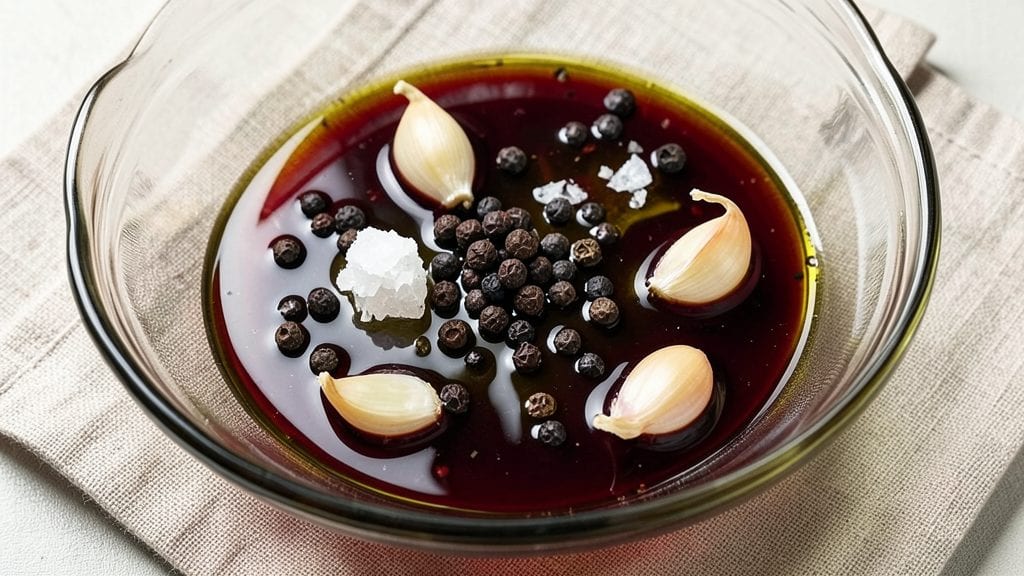
A basic steak marinade recipe transforms tough cuts into tender, flavorful masterpieces by breaking down proteins and infusing bold seasonings. This marinade balances acidity, fat, and herbs to create a harmonious blend that enhances any steak—ribeye, sirloin, or flank—without overpowering its natural richness.
The secret lies in precise timing and ingredient ratios, ensuring the steak stays juicy while absorbing maximum flavor.
With just five simple ingredients—olive oil, red wine vinegar, soy sauce, garlic, and black pepper—this marinade delivers restaurant-quality depth in under 15 minutes of prep. The acidity tenderizes, the oil locks in moisture, and the aromatics build layers of complexity.
For best results, marinate steaks for 30 minutes to 4 hours, depending on thickness, to avoid over-marinating and compromising texture.
What sets this marinade apart is its versatility—it works equally well for grilling, pan-searing, or broiling, and pairs perfectly with steaks of varying fat content. The bold flavors cut through richness while preserving the meat’s natural depth, making every bite unforgettable.
Whether you're cooking for a special occasion or a weeknight dinner, this marinade elevates steak to its full potential.
Use it as a starting point for customization: swap soy sauce for Worcestershire, add fresh herbs like rosemary or thyme, or adjust acidity to suit your preference. The key is balance—never let the marinade sit too long, and always pat the steak dry before cooking for the best sear.
Ready to transform your steak game? Let’s get started.
Ingredients for basic steak marinade
Five ingredients that turn tough steaks into restaurant-worthy bites.
| Ingredient | Amount | Notes |
|---|---|---|
| Extra-Virgin Olive Oil 🫒 | ½ cup | High-quality, fruity variety preferred |
| Red Wine Vinegar 🍷 | ¼ cup | Dry, bold flavor recommended |
| Soy Sauce 🍶 | ¼ cup | Use light or dark soy sauce |
| Garlic Cloves 🧄 | 6 cloves | Freshly minced for maximum aroma |
| Freshly Ground Black Pepper 🌶️ | 1 ½ tbsp | Coarse grind for texture contrast |
| Diamond Crystal Kosher Salt 🧂 | 1 ½ tsp | Fine grain for even distribution |
| Fresh Rosemary 🌿 | 1 tbsp | Finely chopped, optional but recommended |
The olive oil here isn't just fat—it's the moisture lock that keeps steaks juicy while marinating. Look for extra-virgin with a peppery finish (the good stuff, not the cheap supermarket oil). Red wine vinegar is non-negotiable for acidity—Bartles & Jaymes or Bragg are solid choices. The garlic needs to be fresh; pre-minced jars are sad and flavorless. I usually grab mine from Whole Foods or Trader Joe's since they keep it well-stocked. For the pepper, freshly grind it right before mixing—those pre-ground jars lose punch fast. The rosemary? Optional but worth it if you've got a sprig—just chop the needles off the stems.
No soy sauce? Worcestershire sauce at half the amount works in a pinch, though it'll be slightly sweeter. Running low on red wine vinegar? Apple cider vinegar or balsamic can stand in, but the flavor profile shifts. Skip the rosemary? Fresh thyme or oregano adds a nice herbal note. The salt and pepper are the backbone—don't skimp. If you're using a flank steak or skirt steak, you can double the marinade since they're leaner cuts. For thicker cuts like ribeye or New York strip, 30 minutes is plenty—longer marinating can make them mushy. Always pat the steak dry before cooking, no matter how tempted you are to skip it.
This marinade keeps for up to 1 week in the fridge, sealed in an airtight container. I usually make a big batch and store it in a glass jar—it's perfect for meal prep. Double the recipe if you're grilling for a crowd; steaks marinate faster when they're in a cooler. Leftovers? Use within 3 days or freeze for up to 3 months. The flavors actually deepen slightly after a day in the fridge, so don't be afraid to make it ahead. Just remember: once it's on the steak, cook within 4 hours for best results.
Why You'll Love This Recipe
- Pantry Magic: I swear by this marinade because it uses stuff I already have—no last-minute grocery runs. That rich olive oil and tangy red wine vinegar combo? It’s the secret to turning a simple steak into something special without extra effort.
- Garlic Bomb: Between us, the minced garlic and black pepper do all the heavy lifting here. You don’t need fancy spices—just fresh garlic, a good grind of pepper, and a splash of soy sauce to wake up every bite. That crispy crust? Chef’s kiss.
- Weeknight Hero: This marinade works for anything—grilling, pan-searing, or even meal prep. I’ve used it on flank steak for tacos, thin slices for stir-fry, and even cubed steak for salads. It’s my go-to when I need flavor fast.
- Budget Boost: A little goes a long way—this marinade stretches across multiple meals. I’ll make a big batch, marinate two steaks, and still have enough left for chicken or shrimp later. No waste, all flavor, and my wallet thanks me.
Step-by-step instructions for basic steak marinade
This marinade delivers deep flavor penetration while keeping your steak tender and juicy.
Combine the Wet Ingredients
In a medium mixing bowl, whisk together the 0.5 cup extra-virgin olive oil, 0.25 cup red wine vinegar, and 0.25 cup soy sauce until fully emulsified. The vinegar will initially separate, but vigorous whisking for about 30 seconds creates a smooth, silky base. This emulsification ensures even distribution of flavors throughout the marinade.
I like to use a whisk for this step because it incorporates air, which helps the marinade cling better to the meat. If you prefer, a fork works too, but you'll need to work a bit harder to achieve that smooth consistency. The oil should look uniformly blended with no visible separation.
Incorporate the Garlic and Rosemary
Add the 6 minced garlic cloves and 1 tbsp finely chopped fresh rosemary to the oil mixture. Stir well with a wooden spoon until the rosemary is evenly distributed. The garlic should be finely minced—not chopped—to maximize its surface area and flavor infusion. The rosemary adds an aromatic depth that pairs beautifully with steak.
This is where the marinade starts to develop its signature complexity. The garlic will release its pungent aroma immediately, while the rosemary contributes a piney, slightly citrusy note. Let the mixture sit for 5 minutes while you prepare your steak—this allows the garlic to soften slightly and release more of its oils.
Step 3: Season with Salt and Pepper
Add the 1.5 tsp diamond crystal kosher salt and 1.5 tbsp freshly ground black pepper to the mixture. Stir thoroughly until completely dissolved. The coarse grind of the black pepper adds texture contrast that will enhance the final bite of your steak, while the kosher salt ensures even distribution without overpowering.
Taste the marinade now—it should be bold and balanced, with bright acidity from the vinegar, umami depth from the soy sauce, and aromatic complexity from the garlic and rosemary. If you find it needs more balance, you can adjust by adding a pinch more salt or a splash of water, but this formula is already well-proportioned for most steak cuts.
Marinate the Steak Properly
Place your steak in a shallow glass or ceramic dish (glass is ideal because it's non-reactive and easy to clean). Pour the marinade over the steak, ensuring it coats all surfaces evenly. For best results, let it marinate in the refrigerator for at least 4 hours—overnight is even better if your schedule allows. The acid in the vinegar begins breaking down surface proteins immediately, but longer marinating times yield deeper flavor penetration.
I recommend flipping the steak halfway through marinating to ensure even exposure to all flavors. Don't exceed 24 hours of marinating time, however, as prolonged exposure to acid can start to "cook" the meat and make it mushy. When ready to cook, remove the steak from the marinade and let it sit at room temperature for 30 minutes before grilling or searing to ensure even cooking.
Use the Marinade (Don't Waste It!)
After removing the steak, pour the leftover marinade through a fine-mesh strainer to remove any herbs or garlic bits. Reserve ¼ cup of this strained marinade to use as a basting sauce during cooking. The remaining marinade can be reduced by half on the stovetop over medium heat, then used as a finishing sauce or drizzled over sliced steak.
For maximum flavor impact, baste the steak with the reserved marinade during the last 2 minutes of cooking. The high heat will caramelize the sugars and intensify the flavors, creating a glossy, flavorful crust. This marinade works particularly well with ribeye, sirloin, and New York strip cuts, but I've used it successfully with flank steak too—just reduce marinating time to 2-3 hours for leaner cuts.
Pro Tips For Making Basic Steak Marinade
- Mince the Garlic Fine: The difference between subtle flavor and a bitter punch comes down to texture. I used to throw in whole cloves or just a rough chop, but now I mince the garlic as small as I can—almost like a paste—so it blends smoothly into the oil. No cloves left to sit like tiny flavor bombs.
- Balance the Vinegar: Red wine vinegar is sharp, and too much can turn your marinade into a mouth-pucker instead of a flavor enhancer. Start with 2 tablespoons per ½ cup oil, then taste it. If it’s too harsh, add a splash of water or a teaspoon of honey to round it out—trust me, your steak will thank you.
- Marinate No Longer Than 4 Hours: I learned this the hard way: soy sauce breaks down meat fibers over time, making steak mushy. For this simple mix, 2-4 hours is perfect—enough for the flavors to sink in without turning your steak into a sad, rubbery mess. Pat it dry before cooking.
- Use Freshly Cracked Pepper: Pre-ground pepper loses its punch fast, and that dulls the marinade’s kick. Crack the pepper directly into the oil while the garlic is mincing—it releases oils that make the whole mix taste brighter. (Yes, it’s a tiny extra step, but it makes a real difference.)
Essential equipment for perfect results
Glass or Ceramic Dish
Use a shallow glass or ceramic dish for marinating—these materials are non-reactive and won’t impart unwanted flavors. I prefer glass because it’s easy to clean and allows me to see the steak’s surface, ensuring even marinade coverage.
For larger batches, a rectangular glass baking dish works perfectly, while smaller cuts fit well in a pyrex measuring cup. Avoid plastic, as it can absorb odors and degrade with acidic marinades over time. 🫒
Whisk for Emulsification
A whisk is your best friend for creating a smooth, emulsified marinade. I use a stainless steel whisk from OXO because it’s durable and handles the vinegar-oil mixture effortlessly. Whisking for 30 seconds breaks down the oil and vinegar into a silky texture, ensuring even flavor distribution.
If you don’t have a whisk, a fork works in a pinch, but you’ll need to stir vigorously for 1-2 minutes to achieve the same result.
Fine-Mesh Strainer
A fine-mesh strainer is essential for removing herb and garlic bits before basting or reducing the marinade. I keep a stainless steel strainer from Norpro in my kitchen—it’s sturdy and rinses clean easily. When straining, press gently with a wooden spoon to extract every drop of flavor.
For larger batches, a conical sieve works well, but it’s bulkier. Never skip straining if you plan to baste, as bits can clog your grill or pan. 🍷
Measuring Cups and Spoons
Precision matters in marinades, so invest in liquid measuring cups with pour spouts and stainless steel measuring spoons. I use Pyrex glass measuring cups for accuracy and OXO Good Grips spoons for ease of use. For mincing garlic, a microplane or garlic press ensures even, fine texture—no jagged chunks!
A small offset spatula helps scrape every last drop of marinade from the bowl into the dish. Cheap plastic tools can leave residue, so stick with high-quality stainless steel or glass.
Wooden Spoon for Stirring
A wooden spoon is ideal for stirring marinades because it’s gentle on non-stick surfaces and won’t scratch glass or ceramic. I reach for a maple or bamboo spoon from Amazon Basics—they’re affordable and durable. Avoid metal spoons, as they can react with acidic ingredients over time.
When adding rosemary or garlic, use the spoon to press the herbs into the mixture, ensuring maximum flavor extraction. A wooden spoon also helps scrape the bottom of the bowl for zero waste. 🌿
Digital Meat Thermometer
While not directly part of the marinade process, a digital meat thermometer (like the ThermoWorks Smoke) is a game-changer for steak cooking. It ensures your steak reaches the perfect internal temperature—130°F for medium-rare—without overcooking.
Insert the probe into the thickest part of the steak while it’s still marinating to monitor progress. For thicker cuts, this helps adjust cooking time precisely, especially after marinating. A thermometer costs under $20 and pays for itself in perfect steaks. ⚡
Nutrition facts
Frequently asked questions
Can I use this marinade on chicken or pork instead of steak?
This marinade works beautifully on chicken breasts or thighs, but reduce marinating time to 30 minutes to 2 hours to avoid over-tenderizing the meat. For pork chops or tenderloin, use it for 4-6 hours max—pork is more forgiving with acid. The soy sauce and garlic add wonderful depth to poultry, while the acidity helps break down connective tissue in pork. Always pat dry before cooking for the best sear.
What if I don't have red wine vinegar?
No problem! Substitute with apple cider vinegar (1:1 ratio) or balsamic vinegar (use half the amount). For a milder flavor, lemon juice works too—just reduce to 2 tablespoons instead of 0.25 cup. The key is acidity, not the specific vinegar type. If using lemon, add a pinch of sugar to balance the tartness.
How do I fix a marinade that's separated?
Simply whisk vigorously for 30-60 seconds to re-emulsify. The separation happens naturally when oil and vinegar mix, but whisking brings them back together. For stubborn separation, add 1 teaspoon of Dijon mustard or 1 tablespoon of honey to help bind the mixture. If the marinade is already on the steak, just flip the meat and continue marinating—it won't affect flavor or texture.
Can I make this marinade ahead of time?
This marinade keeps for up to 1 week in the fridge in an airtight container. The flavors actually deepen over time, making it perfect for meal prep. For best results, store it in a glass jar and shake well before using. If you're prepping for a crowd, double the recipe—just ensure you have enough marinade to fully coat all steaks.
Why does my steak turn out tough after marinating?
Over-marinating (beyond 24 hours) breaks down too much muscle fiber, making steak mushy. For thick cuts like ribeye, stick to 4-8 hours. Thin cuts (like flank steak) should marinate 2-3 hours max. Also, always pat the steak very dry before cooking—excess moisture creates steam instead of a good sear. Let it sit at room temp for 30 minutes before cooking for even results.