Sauces & Condiments
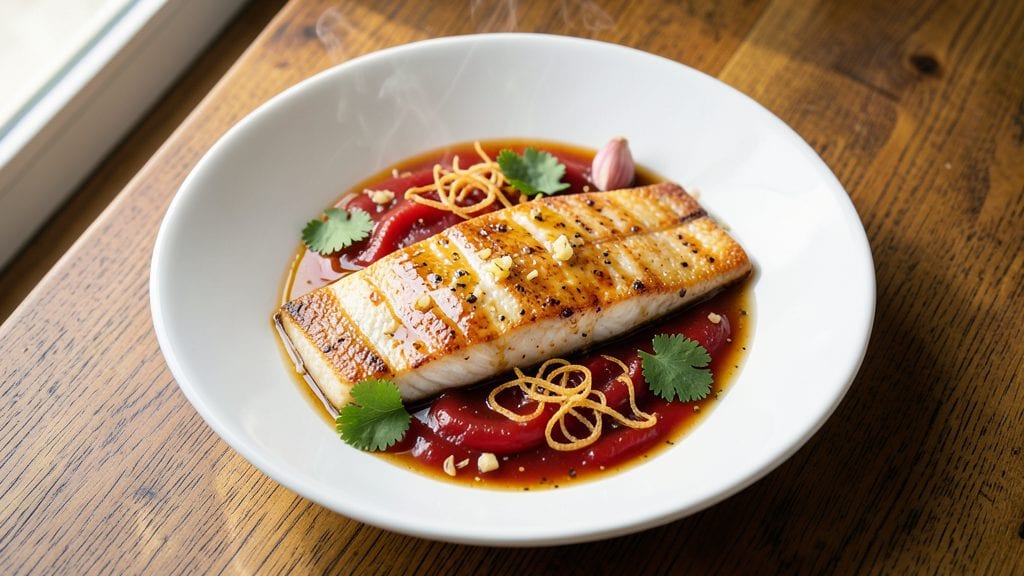
This fish fillet sweet sour sauce recipe transforms ordinary pan-seared fish into a restaurant-worthy dish with just a few simple ingredients and careful balancing. The secret lies in reducing vinegar and sugar together until they create a glossy, tangy-sweet glaze that clings beautifully to crispy fillets.
I developed this sauce after years of testing—too much vinegar makes it harsh, too much sugar dulls the brightness, and the ratio must be precise.
The beauty of this sauce is its versatility—it works with any white fish fillet, from tilapia to cod, and pairs equally well with pan-fried or baked preparations.
What sets it apart is the pineapple juice, which adds a subtle fruitiness that rounds out the sharpness of the vinegar while keeping the sauce light enough to drizzle without overwhelming the delicate fish. The ketchup provides depth without making the sauce too heavy.
By the time you finish simmering, you’ll have a glossy, balanced sauce that’s bright enough to cut through the richness of fried fish yet sweet enough to satisfy.
The aroma alone will make your kitchen smell like a seafood restaurant, and the first taste will confirm this is the sauce you’ll reach for every time you cook fish. Ready to elevate your seafood dinners?
This recipe makes enough sauce for two 6-ounce fillets, with leftovers perfect for storing in the fridge for up to a week. The key to success is patience during the reduction—don’t rush it, or the flavors won’t meld properly.
Trust the process, and you’ll have a sauce that’s foolproof, flavorful, and impossible to resist.
Ingredients for fish fillet sweet sour sauce
Bright, tangy, and perfectly balanced—just these ten ingredients transform simple fish into a restaurant-worthy dish.
| Ingredient | Amount | Notes |
|---|---|---|
| White Vinegar 🍶 | ½ cup | Distilled white preferred |
| Granulated Sugar 🍚 | ½ cup | White or brown works |
| Pineapple Juice 🍍 | ¼ cup | Fresh or canned preferred |
| Ketchup 🍅 | ¼ cup | Heinz preferred for consistency |
| Soy Sauce 🥢 | 2 tbsp | Light or dark variety |
| Garlic Cloves 🧄 | 3 cloves | Minced for depth of flavor |
| Fresh Ginger 🌿 | 1 tbsp | Grated, fresh preferred |
| Cornstarch 🌾 | 1 tbsp | For thickening sauce |
| Water 💧 | ¼ cup | Room temperature preferred |
| Salt 🧂 | ½ tsp | Kosher or sea salt |
The vinegar and sugar are the heart of this sauce, so grab white vinegar that’s bright and flavorful—not that weak stuff. I always use Heinz ketchup because it’s consistent, but any good-quality brand works. For the pineapple juice, fresh is best—it adds a brightness that canned just can’t match. The ginger and garlic? Freshly grated and minced make all the difference here. If you’re short on time, pre-minced garlic from the jar works, but trust me, fresh tastes better. The soy sauce adds umami depth—light soy for mild flavor, dark for a deeper, richer taste.
No pineapple juice? Mango nectar or orange juice works in a pinch, but the flavor will shift slightly. Running out of ketchup? Tomato paste thinned with water gets you close. The cornstarch is key for thickening—if you don’t have it, 1 tbsp all-purpose flour mixed with water does the trick. For a gluten-free version, use arrowroot powder instead. The garlic can be roasted for a sweeter, mellow flavor—just wrap the whole cloves in foil and roast at 400°F for 10 minutes before mincing. And if you’re using brown sugar, reduce the water slightly since it’s more moist.
This sauce keeps beautifully in the fridge for up to a week, sealed in an airtight container. The flavors actually improve after the first day as everything melds together. For longer storage, freeze in ice cube trays—perfect for single servings later. Reheat gently on the stove or microwave until just warmed through. Pro tip: if the sauce thickens too much when reheating, add a splash of water or pineapple juice to loosen it up. Leftovers make an amazing glaze for grilled fish or even as a dip for spring rolls.
Why You'll Love This Recipe
- Pantry Magic: I swear by this sauce because it’s made with stuff I already have—no specialty shopping needed. The vinegar cuts through the sweetness, the pineapple juice adds that bright tang, and a splash of soy sauce ties it all together like a flavor hug.
- Taste Memory: That perfect balance of sweet, sour, and umami? It’s like a sunshine in a bowl. The ketchup gives it a familiar comfort, while the sugar and vinegar dance to create a sauce that makes even plain white fish feel like a celebration.
- Weeknight Hero: Between us, this is my go-to when I’m too tired to think. Toss in fillets, pour on the sauce, and 15 minutes later, dinner’s served. Honestly, I’ve even used it to jazz up leftover rice or noodles—no one’s ever complained.
- Budget Win: A single jar of ketchup and a bag of sugar stretch across multiple meals. I’ll make this sauce for dinner, then use leftovers to glaze chicken or toss with veggies the next day. It’s the kind of recipe that makes grocery day feel like a victory.
Step-by-step instructions for fish fillet sweet sour sauce
Here's how to create a vibrant, balanced sauce that perfectly complements crispy fish fillets.
Prepare the Aromatics and Base
In a small bowl, finely mince the 3 cloves garlic cloves and grate the 1 tablespoon fresh ginger using a microplane or fine grater. The ginger should resemble tiny specks rather than chunks for even distribution in the sauce. I like to press the grated ginger between my fingers to release its oils—this boosts the flavor significantly.
In a medium saucepan, combine the 0.5 cup white vinegar, 0.5 cup granulated sugar, 0.25 cup pineapple juice, 0.25 cup ketchup, 2 tablespoons soy sauce, and 0.5 teaspoon salt. Stir well to dissolve the sugar completely. This mixture should look smooth with no graininess—if you see undissolved sugar, gently warm the pan over low heat for 1-2 minutes while stirring constantly until fully incorporated. The sugar will dissolve more easily when warm.
Simmer the Sauce
Place the saucepan over medium heat and bring the mixture to a gentle boil. Once boiling, reduce the heat to medium-low and let it simmer uncovered for 8-10 minutes. You'll notice the sauce gradually thicken and reduce in volume as moisture evaporates. Stir occasionally to prevent sticking—this is especially important as the sugar begins to caramelize slightly, creating a deeper flavor profile.
After 5 minutes of simmering, add the minced garlic and grated ginger to the pan. Stir well and continue simmering for the remaining 3-5 minutes. The sauce should smell fragrant and slightly sweet with a tangy aroma. If you notice the sauce is too thick before the full 8-10 minutes have passed, add 1-2 tablespoons of water to maintain the right consistency for coating the fish.
Thicken the Sauce
In a small bowl, whisk together the 1 tablespoon cornstarch with the 0.25 cup water until completely dissolved. This creates a smooth slurry that will thicken the sauce beautifully. I like to use a fork for this step—it ensures no lumps remain that could make the sauce grainy.
Slowly pour the cornstarch slurry into the simmering sauce while stirring constantly with a wooden spoon. The sauce will begin to thicken immediately—keep stirring for 1-2 minutes until it reaches a glossy, slightly syrupy consistency that coats the back of a spoon. The sauce should be thick enough to cling to the fish but still flow smoothly rather than being glue-like.
Finish and Adjust
Remove the sauce from heat and let it cool slightly for 2-3 minutes. Taste and adjust the seasoning if needed—you might want to add a pinch more salt or a splash of pineapple juice to balance the sweetness and acidity. The sauce should have a bright, tangy sweetness with a subtle umami depth from the soy sauce and garlic.
For best results, use the sauce immediately while still warm. It's perfect for drizzling over crispy pan-seared or baked fish fillets, where it creates a beautiful glaze that enhances the natural flavors of the fish. If you need to store it, transfer to an airtight container and refrigerate for up to 5 days, though I find it's best used fresh within 24 hours for maximum flavor.
Pro Tips For Making Fish Fillet Sweet Sour Sauce
- Simmer Sauce Slow: This isn’t a race—reduce the sauce on medium-low for 10-12 minutes until it thickens to a glossy, syrupy consistency. I used to rush it and end up with a watery glaze that just pools on the plate. Let it bubble gently, stirring occasionally, until it coats the back of a spoon like honey.
- Balance Vinegar First: Taste the raw vinegar-sugar mix before adding anything else. The ratio should taste sharp but not stinging—if it’s too harsh, add a pinch more sugar now, not later. I learned this after making a batch where the acid overpowered the sweetness, no matter how much ketchup I dumped in afterward.
- Pat Fish Bone-Dry: Use paper towels to press all moisture out of the fillets before searing. Wet skin = steam = soggy fish. I skip this step when I’m lazy, and the sauce just turns the fish into a sad, greasy mess. Take the extra 30 seconds—your crispy crust will thank you.
- Swirl in Ketchup Last: Stir in the ketchup and pineapple juice after the sauce has thickened, not before. Adding them early dilutes the vinegar-sugar base and weakens the tang. Save those ingredients for the final 2 minutes of simmering—it keeps the bright, fruity punch intact.
Essential equipment for this dish
Saucepan Essentials
Start with a medium saucepan—I use my All-Clad stainless steel because it heats evenly and prevents scorching. The 3-quart size is ideal for this recipe, giving you enough room to stir without spills.
If you don’t have stainless steel, a heavy-bottomed enamel pan works just as well to prevent hot spots. Avoid thin, lightweight pans—they can cause uneven heating and burn the sauce. 🔥
Wooden Spoon Must-Have
A long-handled wooden spoon is non-negotiable for stirring this sauce. I swear by my Oxo Good Grips—it’s heat-resistant, easy to grip, and won’t scratch your pan. Wood distributes heat better than metal and prevents the sauce from sticking to the bottom.
If you don’t have one, a silicone spatula is a good backup, but avoid metal utensils to prevent scratching.
Microplane for Ginger
For the ginger, a microplane is a game-changer. It creates ultra-fine shreds that dissolve seamlessly into the sauce. My OXO Good Grips Microplane is my go-to—it’s durable and makes quick work of grating.
If you don’t own one, a fine grater or even a chef’s knife (with careful mincing) will work, but the texture won’t be as smooth. Freshly grated ginger makes all the difference in flavor. 🌿
Cornstarch Slurry Tools
To make the cornstarch slurry, grab a small mixing bowl and a fork or whisk. I prefer a fork because it’s quick and ensures no lumps form. A small measuring cup for the water is also handy—precision matters here.
If you’re gluten-free, swap cornstarch for arrowroot powder, but whisk it in the same way. The slurry should be smooth as silk before adding it to the sauce.
Thermometer for Precision
While not required, a kitchen thermometer helps you monitor the sauce’s temperature during simmering. I use a Thermoworks Thermapen to ensure the sauce reaches the ideal 205-210°F for proper thickening.
If you don’t have one, watch for small bubbles forming at the edges of the pan—this indicates the sauce is ready for the slurry. Overheating can cause the sauce to split or become grainy, so keep an eye on it. 🌡️
Nutrition facts
Frequently asked questions
Can I make this sauce without pineapple juice?
Yes! For a similar fruity brightness, substitute with 0.25 cup mango nectar or orange juice. If you prefer a more savory profile, omit it entirely and add 1 extra tablespoon soy sauce instead. The sauce will still taste delicious, though the fruity depth will be reduced.
How do I prevent the sauce from getting too thick or too thin?
For a thicker sauce, reduce the simmering time to 6-8 minutes before adding cornstarch. If it's too thin after thickening, simmer uncovered for 1-2 extra minutes to reduce further. Too thick? Thin with 1 teaspoon water or pineapple juice while stirring. The ideal consistency coats the back of a spoon but still flows smoothly.
Can I use this sauce with other proteins besides fish?
This sauce works beautifully with grilled chicken, shrimp skewers, or even tofu for a vegetarian option. For heartier proteins like pork, reduce the vinegar slightly (0.4 cup) to balance the acidity. The sweet-sour profile complements all of them wonderfully.
Why is my sauce separating or looking grainy?
This usually happens from overheating or undissolved cornstarch. Stir constantly while simmering and add the cornstarch slurry slowly. If it separates, whisk in 1 teaspoon water and return to low heat for 1 minute while stirring vigorously. For graininess, strain through a fine-mesh sieve before serving.
How can I make this sauce spicier?
Add ½ teaspoon red pepper flakes or 1 teaspoon sriracha during the final 2 minutes of simmering. For a smoky kick, include ½ teaspoon smoked paprika when combining the base ingredients. Adjust to taste—start small, as spices intensify during reduction.