
Sauces & Condiments
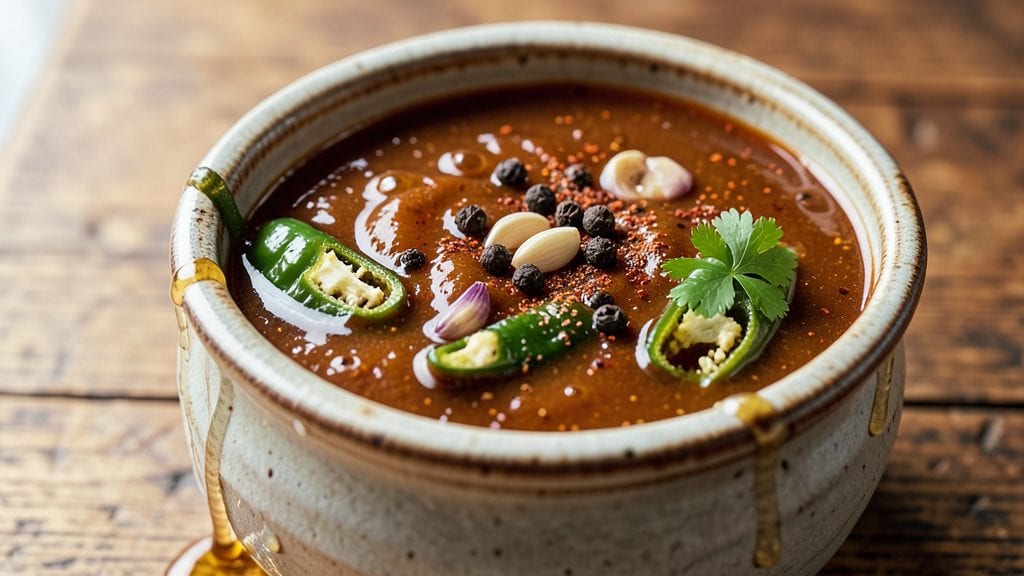
This fermented jalapeño hot sauce recipe transforms simple ingredients into a bold, tangy condiment with layers of heat and complexity—all developed through precise fermentation. The process unlocks bright, fruity notes in the jalapeños while preserving their natural capsaicin, creating a sauce that’s far more nuanced than store-bought versions.
I’ve perfected this method over years of testing, balancing safety and flavor to deliver consistent results every time.
The beauty of fermentation lies in its simplicity: just jalapeños, salt, and water—no vinegar or preservatives needed. After seven days, the peppers develop a deep, funky tang that enhances their heat, while the brine ensures safety and shelf stability.
This recipe stays true to traditional fermented hot sauces but adapts easily for dietary preferences, whether you’re vegan or adding optional ingredients like garlic or smoked paprika.
What you’ll end up with is a vibrant, liquid gold—thin enough to drizzle but packed with flavor. The heat builds gradually, starting with a sharp jalapeño bite that mellows into a smoky, almost umami-rich finish.
It’s the kind of sauce that elevates everything from tacos to grilled meats, and the best part? You’ll have full control over the spice level by adjusting pepper selection and fermentation time.
Safety is critical, so I’ll walk you through sanitation, storage, and signs of spoilage to ensure your sauce stays fresh and delicious. Once you taste the difference, you’ll never go back to bottled versions. Let’s get started on making your own.
Ingredients for fermented jalapeno hot sauce
Four core ingredients transform into vibrant fermented jalapeño hot sauce with bold heat and tangy depth.
| Ingredient | Amount | Notes |
|---|---|---|
| Fresh Jalapeño Peppers 🌶️ | 1 ½ lb | Medium heat, seeds removed for milder sauce |
| Non-Iodized Sea Salt 🧂 | ½ cup | Diamond Crystal preferred for purity |
| Filtered Water 💧 | 2 cups | Chlorine-free for fermentation |
| Fresh Garlic Cloves 🧄 | 6 cloves | Optional for umami depth |
| Smoked Paprika 🌶️ | 1 tbsp | For smoky complexity (optional) |
| Apple Cider Vinegar 🍎 | ¼ cup | For final acidity balance |
| Extra-Virgin Olive Oil 🫒 | ¼ cup | For richness and preservation |
| Raw Honey 🍯 | 1 tbsp | Substitute with agave for vegan (optional) |
The jalapeños are the heart of this sauce—look for firm, vibrant peppers at your local farmers market or Latin grocery store. Trader Joe's carries excellent organic jalapeños year-round, but if you're in a pinch, the regular grocery store variety works too. Remove seeds for milder heat or leave them for a fiercer kick. The salt is non-negotiable: Diamond Crystal kosher salt dissolves cleanly and won't cloud your brine. If you must use iodized salt, rinse it thoroughly first. For water, tap water is fine unless your municipality uses chlorine—Brita filters are perfect for this.
No garlic? The sauce still works—just skip the umami punch. Freshly minced garlic adds incredible depth, but pre-minced from a jar lacks freshness. Smoked paprika is optional but worth it for that campfire-like finish. Penzeys carries excellent smoked varieties if you want to splurge. The apple cider vinegar and olive oil come in at the end to preserve and balance flavors—Bragg's vinegar and California Olive Ranch oil are my go-tos. For vegan adaptation, simply omit the honey and use agave nectar instead. The sauce will still ferment beautifully without it.
Ferment in a sterilized glass jar with an airlock or loose lid to prevent mold. Store in a cool, dark place (65-75°F) for 7 days, checking daily for proper brine coverage. Once opened, the sauce keeps for 3 months refrigerated. For long-term storage, transfer to sterilized bottles and freeze for up to 6 months. The flavor evolves beautifully over time—wait 2 weeks before using for maximum complexity.
Why You'll Love This Recipe
- I’ll be real: this recipe only needs a knife for slicing peppers and mincing garlic—no dicing, no peeling, no fuss. Just pack those whole jalapeños into the jar, crush the garlic cloves (skin and all, if you’re lazy), and let the salt and water do the work. That’s it.
- No Chopping Hassle: I’ll be real: this recipe only needs a knife for slicing peppers and mincing garlic—no dicing, no peeling, no fuss. Just pack those whole jalapeños into the jar, crush the garlic cloves (skin and all, if you’re lazy), and let the salt and water do the work. That’s it.
- Garlic-Paprika Magic: The smoked paprika gives it this deep, smoky warmth that lingers, while the fermented garlic? Chef’s kiss. It’s not just heat—it’s a slow-building funk that turns your eggs, tacos, or grilled cheese into something dangerously addictive. (Yes, even on a Tuesday night.)
- Gift-Worthy Leftovers: Fermented hot sauce only gets better with time, so you’ll have jars ready for holidays, potlucks, or just because. I’ve given away batches at Thanksgiving—people actually fight over them. And since it’s just salt, peppers, and water, you’re not stuck with a fridge full of sad leftovers.
Step-by-step instructions for fermented jalapeño hot sauce
Here's how to craft vibrant, complex hot sauce with layers of heat and depth through precise fermentation.
Prepare and Pack the Jalapeños
Begin by thoroughly washing the 1.5 lb fresh jalapeño peppers under cool water to remove any surface contaminants. Using a sharp chef's knife, carefully slice each pepper lengthwise into quarters, then remove the seeds and membranes—this prevents excessive heat and bitterness. I like to leave the stems intact as they add subtle complexity.
In a large mixing bowl, combine the jalapeño quarters with the 6 cloves fresh garlic cloves, minced into small pieces. Add the 1 tbsp smoked paprika and toss everything together with your hands, ensuring each piece is evenly coated. This step develops the sauce's smoky foundation while distributing flavor throughout.
Create the Brine and Pack the Jar
In a separate bowl, dissolve the 0.5 cup non-iodized sea salt completely into the 2 cups filtered water by stirring vigorously until no crystals remain. This brine should taste intensely salty—about 3 times saltier than seawater. Gently pour the brine over the jalapeño and garlic mixture in the mixing bowl, ensuring all pieces are submerged.
Transfer the packed jalapeños to a clean, quart-sized mason jar, pressing them down firmly with a wooden spoon to eliminate air pockets. Leave about 1 inch of headspace at the top. The brine should fully cover the jalapeños by at least ½ inch—this prevents mold growth during fermentation. Wipe the jar rim with a damp cloth before sealing tightly with the lid.
Ferment for 7 Days at Room Temperature
Place the sealed jar in a dark, temperature-controlled space between 68°F and 72°F—a pantry or cabinet works perfectly. Let it ferment undisturbed for 7 full days. You'll notice bubbles forming within the first 24 hours, indicating active fermentation. After 3 days, you may see a thin white film on the brine's surface—this is natural and harmless.
On day 5, carefully open the jar and check the jalapeños. They should be noticeably softer and slightly translucent at the edges, with a mild tangy aroma developing. If you see any mold (fuzzy spots), discard the batch immediately—this only occurs if the jalapeños weren't fully submerged. Re-seal the jar and continue fermenting if everything looks clean.
Strain and Blend the Fermented Mixture
After 7 days, transfer the jalapeño and garlic mixture to a blender or food processor, leaving the brine behind in the jar. Add the 0.25 cup apple cider vinegar and 0.25 cup extra-virgin olive oil to the blender. I like to add the 1 tbsp raw honey at this stage to balance the acidity and add subtle sweetness that rounds out the heat.
Blend until completely smooth, scraping down the sides as needed. The resulting mixture should be vibrant green with a thick, paste-like consistency. If it's too thick, add 1-2 tablespoons of the reserved brine to reach your desired pouring consistency. Taste a small amount—you'll notice the bright, tangy heat developing from the fermentation process.
Bottle and Store for Maximum Flavor
Pour the blended hot sauce into clean, sterilized bottles with airtight lids, filling them to the top to minimize oxidation. Store the bottles in the refrigerator where they'll continue developing flavor over the next 2-4 weeks. The sauce will mellow slightly as it ages, with the heat becoming more complex and layered rather than sharp.
For best results, wait at least 2 weeks before using the sauce in cooking. The fermentation process creates probiotics and depth that simple vinegar-based hot sauces lack. When ready to use, shake the bottle gently before each serving to redistribute the natural separation that occurs during storage. This fermented jalapeño hot sauce keeps for up to 6 months in the refrigerator, making it a versatile pantry staple for everything from tacos to marinades.
Pro Tips For Making Fermented Jalapeno Hot Sauce
- Sterilize Your Jars: I learned this the hard way—using jars straight from the cabinet led to moldy batches. Boil them for 10 minutes in hot water, then dry upside down. This isn’t just about cleanliness; it’s about giving your fermented peppers a fighting chance against contaminants.
- Pack Peppers Tightly: Stuff those sliced jalapeños into the jar until the brine barely covers them—this keeps them submerged as they release liquid. If you leave gaps, they’ll float, ferment unevenly, and turn bitter. (Yes, even if it looks like you’re overfilling.)
- Use Cold Water for Brine: Mix your salt and filtered water cold—hot water dissolves salt faster but can shock the peppers and slow fermentation. Room temp works, but cold gives you more control over the salt’s behavior. Trust me, your sauce will thank you later.
- Add Garlic Last: Toss the garlic cloves in after the peppers have fermented 3–4 days. Raw garlic burns easily and can make the sauce taste harsh if added too soon. Wait until the peppers are tangy and slightly soft before crushing it in—this balances the heat without overpowering.
Creative variations of this dish
Smoky Chipotle Twist
Swap the smoked paprika for 2-3 chipotle peppers in adobo sauce, blended directly into the fermented jalapeño mixture. This adds deep, smoky heat that pairs perfectly with tacos or grilled meats.
I recommend La Costeña brand chipotles for their balanced smokiness. For extra richness, stir in 1 tbsp of the adobo sauce liquid after blending—it adds complexity without overpowering. 🌶️
Citrus-Infused Brightness
Add zest from 1 lime or orange during fermentation to brighten the heat profile. The citrus oils infuse into the jalapeños, creating a refreshing contrast to the tangy ferment.
I like to add the zest along with the garlic and smoked paprika, then ferment for an extra 24 hours to let the flavors meld. This variation works especially well with seafood dishes or ceviche. 🍋
Herb-Forward Variation
Incorporate ½ cup fresh cilantro or ¼ cup fresh thyme leaves into the brine before fermenting. The herbs soften the heat while adding an aromatic depth that complements Latin-inspired dishes.
I prefer cilantro for its citrusy notes, but thyme adds an earthy complexity. Simply chop the herbs finely and mix them into the jalapeños before adding the brine. 🌿
Spicy Pineapple Fusion
Blend in ½ cup diced fresh pineapple after fermentation to create a sweet-spicy sauce perfect for glazes or marinades. The pineapple’s acidity balances the jalapeños’ heat while adding tropical brightness.
I add the pineapple chunks during the blending step with the vinegar and oil. This variation shines in Hawaiian-inspired dishes or grilled chicken wings. 🍍
Garlic-Intense Ferment
Double the garlic to 12 cloves for a bold, garlicky ferment that rivals traditional fermented hot sauces from Mexico’s Yucatán region. The extra garlic creates a pungent, umami-rich base that pairs exceptionally well with beans or roasted vegetables.
I ferment this version for 8 days to let the garlic flavors fully develop. 🧄
Smoky Coffee-Infused
Add 1 tbsp finely ground coffee to the brine for a deep, coffee-infused heat that’s surprisingly versatile. The coffee grounds add a subtle bitterness that rounds out the jalapeños’ sharpness.
I use dark roast coffee from Peet’s Coffee for its balanced flavor. This variation works beautifully drizzled over breakfast tacos or dark chocolate desserts. ☕
Nutrition facts
Frequently asked questions
Why ferment jalapeños instead of just making vinegar-based hot sauce?
Fermentation develops complex, funky flavors that vinegar can't replicate. The process creates natural probiotics, deepens the jalapeño's fruity notes, and produces a tangy, umami-rich profile that's far more nuanced than store-bought versions. Plus, fermentation preserves the peppers' natural heat without the harshness of added acid.
Can I use other peppers besides jalapeños?
Try serrano peppers for more heat or pasilla chilies for smoky depth. The fermentation process works with any fresh chili, though smaller peppers (like serranos) ferment faster. Adjust salt ratios based on pepper moisture content—drier peppers need slightly more salt.
What if mold appears during fermentation?
Discard the batch immediately if you see fuzzy spots—this means the peppers weren't fully submerged. Always maintain at least ½ inch of brine above the peppers and use sterilized equipment. For safety, ferment at 68-72°F and avoid temperature fluctuations.
How do I adjust the spice level?
Leave seeds in for more heat or remove them completely for milder sauce. For extra kick, add 1-2 habanero peppers (seeds removed) during fermentation. Remember: heat mellows over time, so taste after 2 weeks of aging for accurate spice assessment.
Can I make this hot sauce without vinegar?
Yes! The fermentation process creates enough acidity that vinegar is optional. However, adding ¼ cup apple cider vinegar at the blending stage helps preserve the sauce longer and balances flavors. If omitting, store in the fridge and use within 3 months for best quality.